Does Ceramic Tint Go Inside or Outside the Window During Installation?
If you’re wondering does ceramic tint go inside or outside window, you’re not alone. This is one of the most common questions car owners ask before upgrading their vehicle’s glass. From the outside, it can be confusing, especially when you see installers shaping film directly on the glass.
But the real answer is much simpler, and understanding it can help you avoid costly mistakes, improve performance, and get the most out of your investment.
Ceramic tint is designed to improve comfort, block heat, and protect your car’s interior, but it only performs properly when it’s installed the right way. In this guide, we’ll break down exactly where ceramic tint goes, why it’s installed that way, and what every driver should know before getting it done.
Ceramic tint always goes on the inside of the window, not the outside.
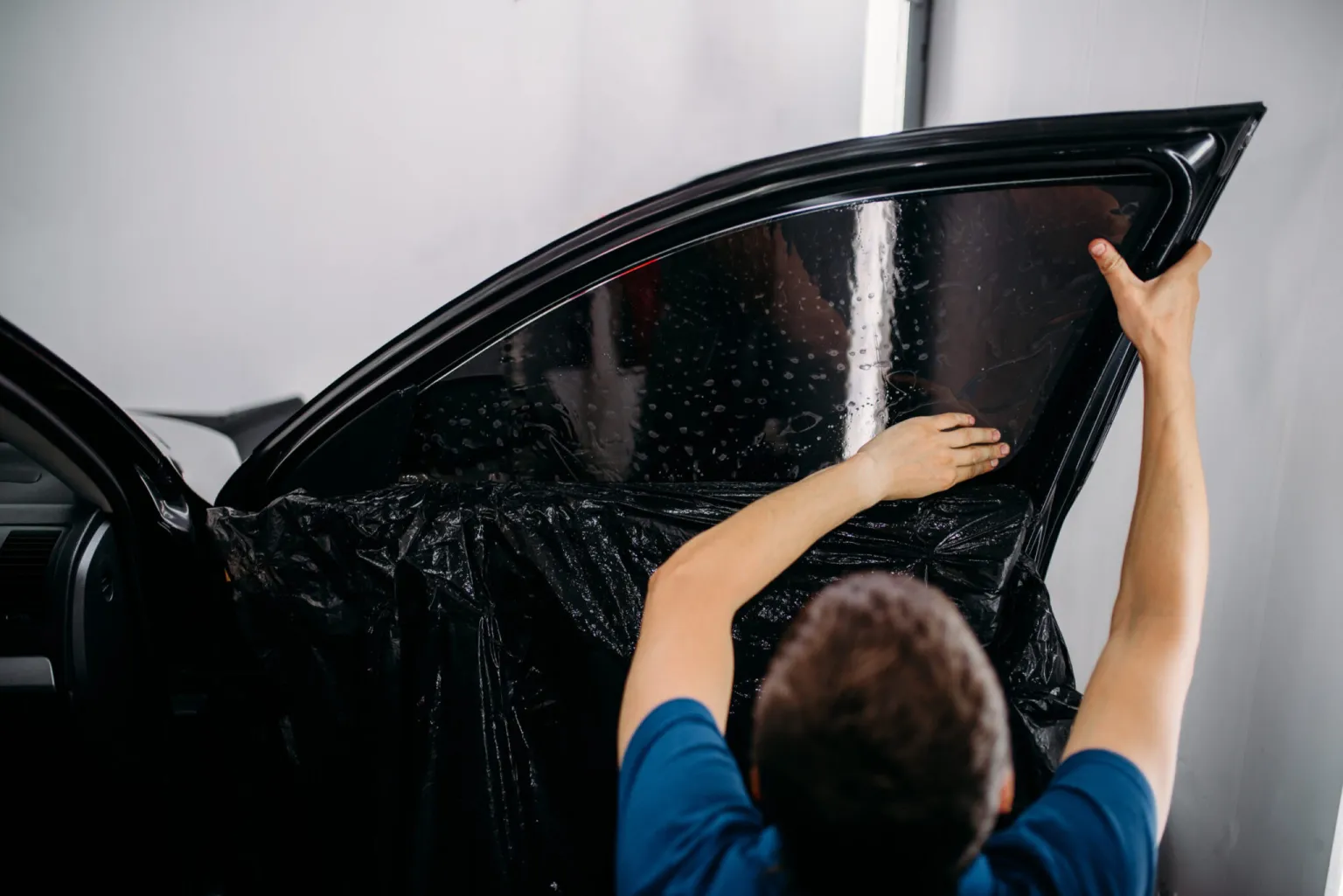
Even though installers may temporarily handle the film on the exterior of the glass during the shaping process, the final and permanent placement is always the interior surface of the window.
This applies to:
So if you’ve been asking does ceramic tint go inside or outside window, the industry-standard answer is clear: inside only.
There’s a good reason professionals never leave tint on the outside. It’s not just preference, it’s about performance, durability, and safety.
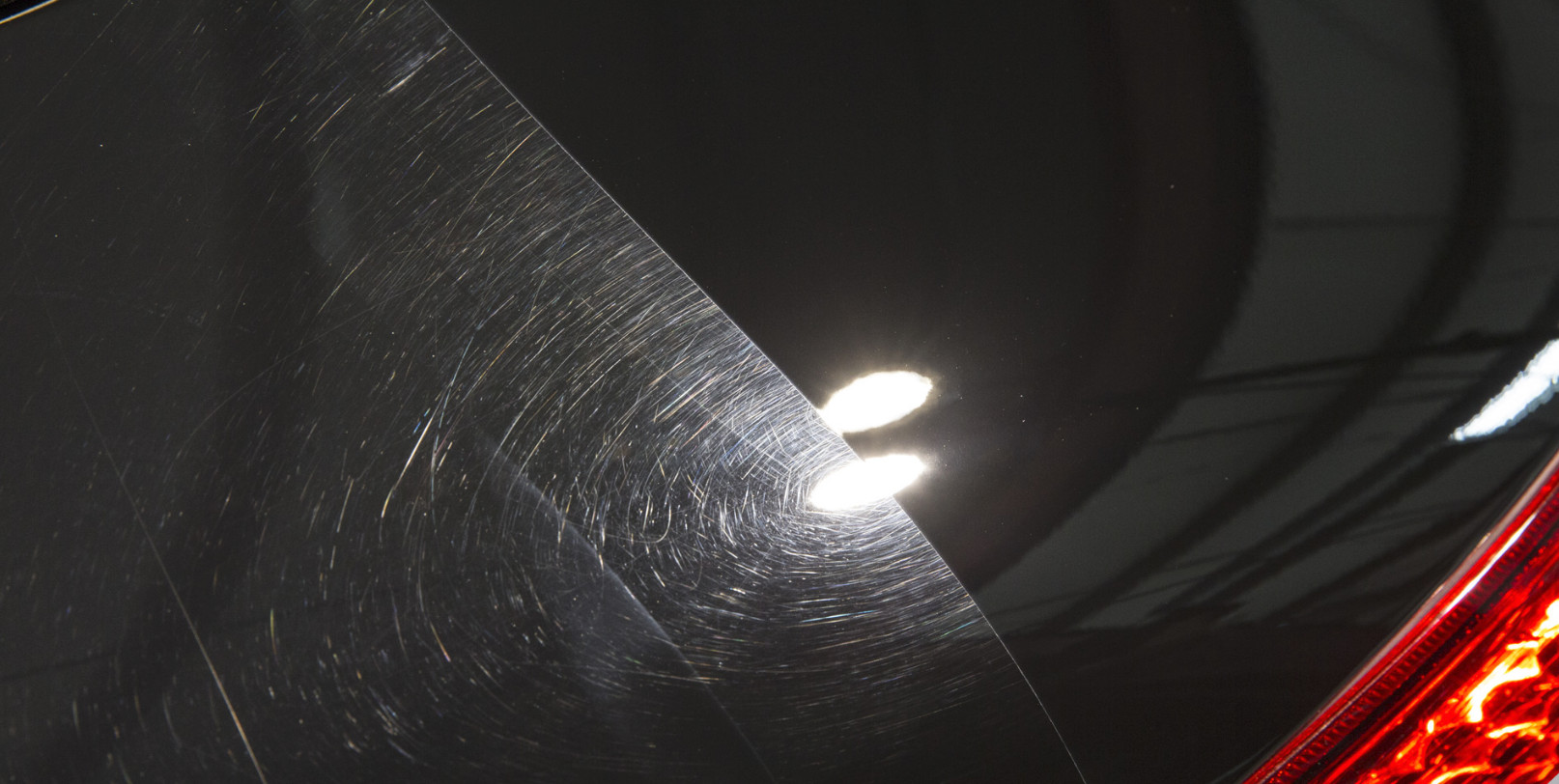
The outside of a vehicle is constantly exposed to harsh conditions. If tint were installed externally, it would be destroyed quickly by:
Ceramic tint is built for long-term performance. Installing it inside protects it from all of these elements, allowing it to last for years without peeling, fading, or scratching.
Ceramic window film is designed with a special adhesive layer that bonds specifically to interior glass surfaces. When applied correctly on the inside, it creates a smooth, crystal-clear finish.
If it were placed outside, the adhesive would struggle to hold up, and the clarity would degrade much faster. Interior installation ensures the film sits flat and performs exactly as intended.
In the United States, tint laws are structured around interior application. Regulations typically define how much visible light must pass through windows and how reflective they can be.
Because of this, installing tint on the inside ensures compliance with state laws and helps avoid fines or forced removal.

Ceramic tint is not just about making windows darker. In fact, darkness is not the main feature at all.
Instead, ceramic tint uses advanced non-metallic ceramic particles that are engineered to block heat and ultraviolet rays while still allowing visible light to pass through.
This technology provides several key advantages:
Because it contains no metal, ceramic tint avoids the signal issues that older film types sometimes cause.
Understanding how ceramic tint compares to other films helps explain why installation matters so much.
Dyed tint is the most basic option. It:
However, it doesn’t come close to ceramic performance, especially in hot climates.
Metallic films reflect heat better than dyed tint, but they come with a downside:
This is a middle-ground option:
Ceramic tint sits at the top:
Because of its advanced construction, proper interior installation is essential to preserve all these benefits.
You might still be wondering why installers sometimes cut or shape film on the outside if it’s never meant to stay there.
Here’s the truth: the exterior surface is only used temporarily during installation. It helps technicians:
But once that step is complete, the film is moved inside and permanently installed on the interior glass.
Exterior application is not suitable for vehicles because it would quickly fail under real-world driving conditions.
Improper installation can create serious issues that affect both appearance and performance.
Some common problems include:
That’s why professional installation is strongly recommended. Proper prep, cutting, and curing make a huge difference in how long the tint lasts.
When ceramic tint is installed correctly on the inside of your windows, it delivers noticeable improvements in everyday driving.
Ceramic tint blocks infrared heat, helping keep your car significantly cooler. This reduces the need for constant air conditioning, especially in hot climates.
High-quality ceramic film can block up to 99% of harmful UV rays. This protects:
Less glare and reduced heat make driving more comfortable overall. Whether you’re stuck in traffic or on a long road trip, the difference is easy to feel.
Sun damage can fade and crack interiors over time. Ceramic tint helps slow that process, keeping your car looking newer for longer.
Even though the final answer is always “inside,” the installation process itself can make things look confusing.
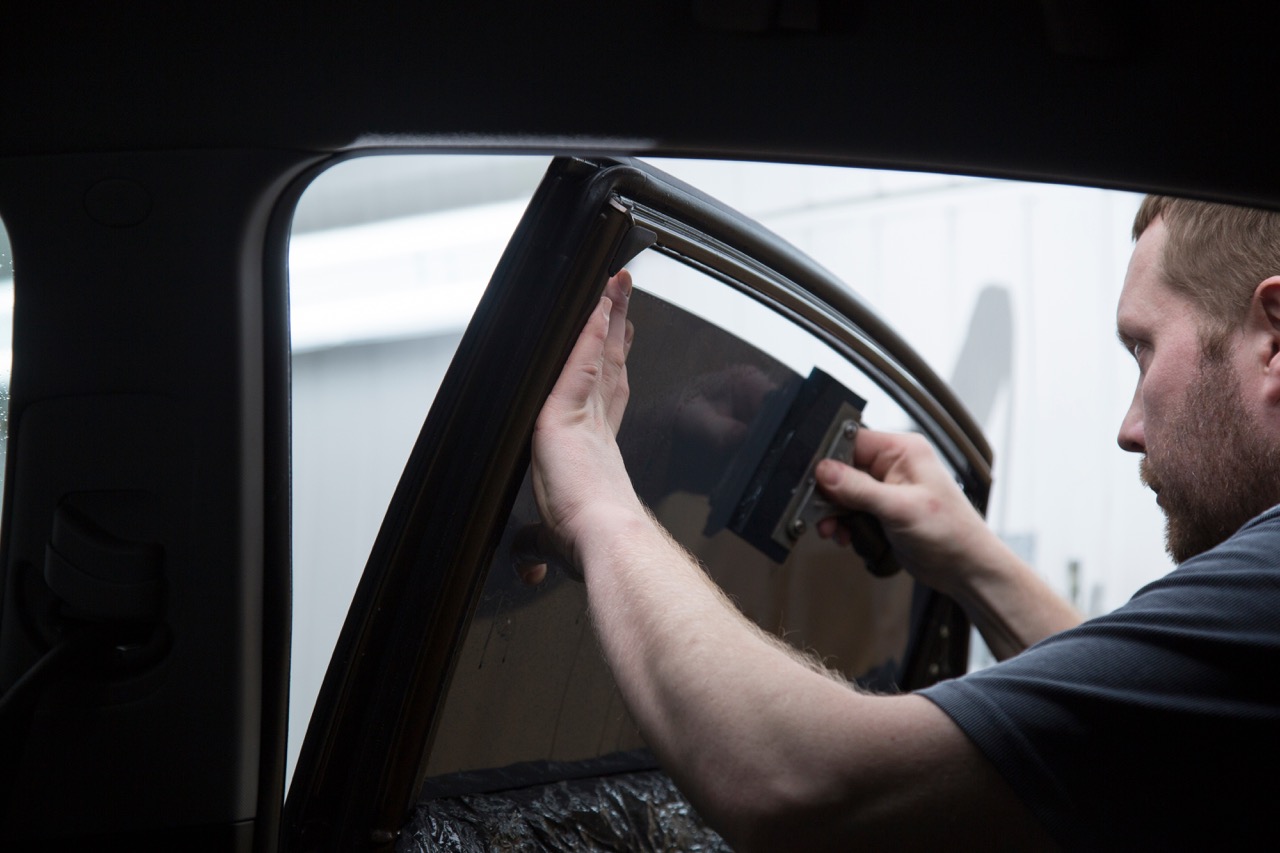
Here’s what typically happens:
During this curing period, windows should usually remain closed to allow proper bonding.
So while it may appear as tinting starts outside, the final product is always installed inside the window.
Before installing ceramic tint, it’s important to understand local regulations. In many regions, laws control:
For example, some states require higher visible light transmission for front windows while allowing darker tint on rear windows.
Staying within legal limits helps you avoid fines and ensures safe visibility at night.
Even though ceramic tint costs more than standard dyed films, many drivers consider it a worthwhile upgrade.
The long-term benefits include:
In hot, sunny regions, ceramic tint often pays for itself in comfort and reduced AC usage over time.
To wrap it up clearly: ceramic tint always goes on the inside of the window.
The outside surface is only used briefly during the installation process for shaping and preparation. The final placement is always interior because it:
So if you were unsure about whether ceramic tint goes inside or outside the window, the answer is simple and consistent across the industry: inside every time.
Ceramic tint is one of the most effective upgrades you can make for comfort, UV protection, and heat reduction. But its performance depends heavily on proper installation. Interior placement isn’t just standard practice; it’s what allows the film to deliver everything it promises.
If you’re planning to get it installed, focusing on quality materials and professional application will make a bigger difference than anything else. Done right, ceramic tint becomes a long-lasting upgrade you’ll appreciate every time you get into a cooler, more comfortable car.