Autocare

Can You Polish Paint Protection Film Without Damage?

Safe Polishing Techniques to Restore Shine Without Damaging Your PPF

If you’ve ever stood in your garage admiring your vehicle’s glossy finish and suddenly noticed faint swirl marks or slight dullness on your Paint Protection Film, you’ve probably asked yourself: Can you polish paint protection film without damaging it? 

The short answer is yes,  absolutely. But there’s a right way and a very wrong way to do it.

Paint Protection Film (PPF) is designed to shield your car from scratches, rock chips, road debris, UV rays, and environmental contaminants. It’s tough, durable, and in many cases even self-healing. But like anything exposed to the elements every day, PPF eventually needs some maintenance to keep it looking crystal clear and showroom fresh.

In this guide, we’ll break down everything you need to know about polishing Paint Protection Film safely, including what products to use, what mistakes to avoid, and how to get professional-looking results without harming the film.

What Is Paint Protection Film (PPF)?

Before diving into polishing, it helps to understand what Paint Protection Film actually is.

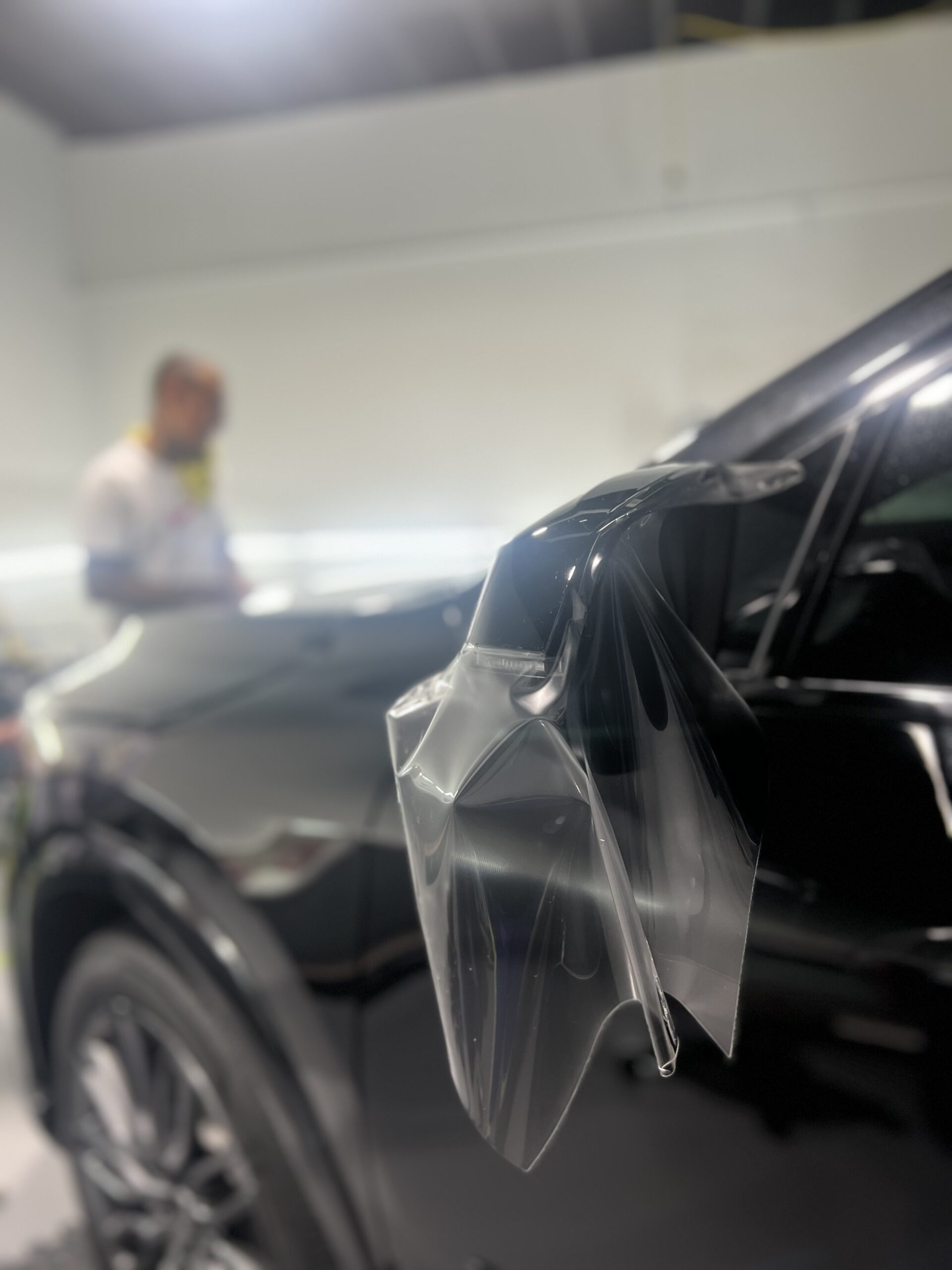
PPF is a transparent urethane film applied over your vehicle’s painted surfaces to protect against:

  • Stone chips
  • Road debris
  • Light scratches
  • UV exposure
  • Environmental contaminants

Modern PPF is incredibly advanced. Many high-quality films feature self-healing technology that allows minor swirl marks and scratches to disappear when exposed to heat or sunlight.

It’s essentially an invisible armor layer for your paint, and it’s one of the smartest investments a car enthusiast can make.

But despite its durability, PPF still requires maintenance to preserve its clarity and finish over time.

Can You Polish Paint Protection Film Safely?

Let’s answer the big question directly: can you polish paint protection film safely?

Yes, you can, as long as you use gentle methods and products specifically designed for PPF.

Polishing helps:

  • Restore clarity
  • Improve gloss
  • Remove light haze
  • Reduce minor swirl marks
  • Refresh aging film

However, Paint Protection Film is different from bare automotive paint. Aggressive polishing techniques that might work on a clear coat can permanently damage PPF.

That’s why careful product selection and proper technique are essential.

Window Tinting

Why Would You Need to Polish PPF?

Many people assume PPF never needs attention because it protects the paint underneath. While it’s true that PPF handles a lot of abuse, the film itself still experiences wear over time.

Here are some common reasons drivers polish PPF:

1. To Restore Gloss

Daily exposure to sunlight, dust, washing, and contaminants can gradually dull the film’s appearance.

A light polish can bring back that deep, glossy finish.

2. To Remove Light Swirl Marks

Even careful washing can sometimes leave behind faint swirl marks or micro-marring.

Polishing smooths the surface and improves clarity.

3. To Remove Surface Haze

Environmental buildup and improper maintenance can create a hazy or cloudy appearance on the film.

A gentle polish helps restore transparency.

4. To Prepare for Ceramic Coating

Many car owners polish PPF before applying a ceramic coating to ensure the smoothest possible finish and proper bonding.

Understanding Self-Healing Paint Protection Film

One of the coolest features of modern PPF is self-healing technology.

High-quality films often include a top layer that can repair light scratches when exposed to:

  • Heat
  • Warm water
  • Sunlight

That means some imperfections may disappear on their own without any polishing at all.

Before reaching for polish, try:

  • Parking the car in direct sunlight
  • Pouring warm water over the affected area

You might be surprised at how quickly light swirl marks vanish.

Still, deeper imperfections or dullness may require manual correction.

Best Products for Polishing PPF

If you’re wondering can you polish paint protection film using regular car polish, the answer is: sometimes, but cautiously.

Not all polishes are safe for PPF.

Safe PPF Polish Characteristics

Look for products that are:

  • Silicone-free
  • Solvent-free
  • Water-based
  • Non-abrasive
  • Specifically labeled safe for PPF or clear bra applications

These products gently clean and refine the film without damaging its surface.

Products and Chemicals to Avoid

This is where many DIY detailers get into trouble.

Avoid:

  • Heavy cutting compounds
  • Aggressive abrasive polishes
  • Solvent-based cleaners
  • Harsh chemical degreasers
  • High-speed rotary polishing compounds

These can:

  • Burn the film
  • Cloud the surface
  • Reduce self-healing ability
  • Cause lifting or peeling

PPF is durable, but it still requires a gentle touch.

Hand Polishing vs Machine Polishing PPF

When discussing can you polish paint protection film, one of the biggest questions is whether machine polishing is safe.

The answer depends on your experience level.

Hand Polishing Paint Protection Film

For most vehicle owners, hand polishing is the safest option.

Benefits of Hand Polishing

  • Better control
  • Lower risk of damage
  • Safer for edges
  • Ideal for beginners

How to Hand Polish PPF

  1. Use a clean microfiber applicator pad
  2. Apply a small amount of polish
  3. Work gently in circular motions
  4. Focus on one section at a time
  5. Remove residue with a soft microfiber towel

Patience is key here. Slow, careful polishing delivers the best results.

Machine Polishing Paint Protection Film

How to remove paint protection film​

Machine polishing can be done safely, but only with caution.

A dual-action polisher is generally safer than a rotary buffer because it generates less concentrated heat.

Safe Machine Polishing Tips

  • Use low speeds
  • Apply light pressure
  • Use polishing pads, not cutting pads
  • Test a small area first
  • Keep the machine moving constantly

If you’re inexperienced with machine polishing, it’s often best to leave this process to professionals.

Step-by-Step Guide: How to Polish Paint Protection Film Safely

Now let’s walk through the actual polishing process.

Step 1: Wash the Vehicle Thoroughly

Never polish a dirty surface.

Use:

  • pH-neutral car shampoo
  • Microfiber wash mitt
  • The two-bucket wash method

This removes dirt and contaminants that could scratch the film during polishing.

Dry the vehicle completely using microfiber towels before moving on.

Step 2: Inspect the PPF Carefully

Look for:

  • Swirl marks
  • Haze
  • Light scratches
  • Peeling edges
  • Yellowing

If the film is cracked, heavily stained, or lifting, polishing may not be appropriate.

In severe cases, replacement may be the better option.

Step 3: Test a Small Area First

This is one of the most important steps.

Before polishing the entire car:

  • Choose a small hidden section
  • Apply a tiny amount of polish
  • Evaluate the results

Different PPF brands react differently, especially older films.

Testing prevents major mistakes.

Step 4: Apply the Polish Gently

Whether polishing by hand or machine:

  • Use minimal pressure
  • Work slowly
  • Keep the surface lubricated

The goal is refinement, not aggressive correction.

Remember: you’re polishing the film itself, not heavy clear coat.

Step 5: Remove Residue Carefully

Use a clean, soft microfiber towel to remove leftover polish.

Avoid:

  • Rough towels
  • Dirty cloths
  • Excessive rubbing

Gentle removal preserves the finish.

Step 6: Protect the Film After Polishing

Once polishing is complete, add protection.

Options include:

  • PPF-safe sealants
  • Ceramic coatings
  • Carnauba wax is designed for PPF

This helps:

  • Maintain gloss
  • Improve hydrophobic performance
  • Protect against UV rays and contaminants

Many enthusiasts love ceramic coatings over PPF because they make maintenance dramatically easier.

Can You Wax Paint Protection Film After Polishing?

Absolutely.

In fact, waxing PPF after polishing is highly recommended.

High-quality waxes provide:

  • Additional UV protection
  • Water repellency
  • Enhanced gloss
  • Easier cleaning

For matte PPF, however, always use products specifically designed for matte finishes to avoid adding unwanted shine.

How Often Should You Polish PPF?

This is where restraint matters.

Unlike regular paint correction, PPF polishing should only be done occasionally.

Generally:

  • Once or twice per year is enough for most vehicles
  • Frequent polishing is unnecessary
  • Proper washing reduces the need for correction

Think of polishing as maintenance refinement, not routine cleaning.

Common Mistakes When Polishing PPF

Even experienced detailers can make mistakes with Paint Protection Film.

Here are the biggest ones to avoid.

Using Aggressive Compounds

Heavy-cutting compounds can permanently damage the film.

Always choose mild, PPF-safe products.

Polishing Dirty Surfaces

Skipping the wash stage traps debris under your applicator and creates scratches.

Cleanliness is everything.

Applying Too Much Pressure

Aggressive pressure can distort or overheat the film.

Gentle polishing works best.

Ignoring Film Edges

Film edges are more vulnerable to lifting.

Many professionals tape off exposed edges before polishing.

Using High-Speed Rotary Buffers

Rotary polishers can generate excessive heat quickly.

Unless you’re highly experienced, avoid them.

When Should You Avoid Polishing PPF?

Sometimes polishing isn’t the answer.

Avoid polishing if the film:

  • Is peeling
  • Has deep cracks
  • Is heavily yellowed
  • Has severe contamination
  • Shows adhesive failure

At that point, professional inspection or replacement is usually safer.

car side window replacement what expect

Tips for Maintaining PPF Between Polishing Sessions

The best way to keep PPF looking amazing is to reduce the need for polishing in the first place.

Follow Proper Washing Techniques

  • Use microfiber wash mitts
  • Wash regularly
  • Avoid automatic car washes
  • Use pH-neutral shampoo

Remove Contaminants Quickly

Bird droppings, bug splatter, and tree sap should never sit on PPF for long periods.

Quick removal prevents staining.

Dry With Microfiber Towels

Never let water air dry on the film.

This helps prevent mineral spotting and haze.

Apply Protective Products Regularly

Sealants and ceramic coatings add another layer of defense and make cleaning easier.

Should You Let Professionals Polish Your PPF?

If you’re unsure about product selection, machine polishing, or film condition, professional help is often worth it.

Experienced detailers understand:

  • Different PPF materials
  • Safe polishing methods
  • Heat management
  • Product compatibility

Professionals can also determine whether polishing is safe or if the film is nearing replacement time.

Final Thoughts: Can You Polish Paint Protection Film Without Damage?

So, can you polish paint protection film without damage?

Absolutely, when it’s done correctly.

The key is understanding that PPF requires a gentler, more refined approach than traditional paint correction. Safe products, light pressure, proper washing, and patience all play a major role in preserving the film’s clarity and protective abilities.

Polishing isn’t about aggressively correcting defects. It’s about carefully refreshing and maintaining the appearance of the film so your vehicle continues looking incredible year after year.

Treat your Paint Protection Film with care, and it’ll keep protecting your vehicle long after lesser finishes would have surrendered to the road.

A classic blue hot rod with red accents, featuring a sleek, vintage design and chrome details.