Autocare

Best Window to Use for a Supercar Windshield: Materials, Safety & Performance Guide

Everything You Need to Know About High-Performance Windshield Materials

Choosing the Best window to use for windshield supercar build is far more complex than simply picking a piece of glass. Whether you’re working on a custom build, restoration, or high-performance track machine, your windshield plays a critical role in safety, aerodynamics, visibility, and long-term usability. 

The right decision can enhance performance and driving confidence, while the wrong one can lead to legal issues, poor visibility, or costly replacements.

This guide breaks down everything you need to know, from material choices to safety considerations, so you can confidently select the ideal windshield for your supercar project.

Why Windshield Choice Matters in a Supercar

In everyday vehicles, a windshield is often seen as a standard component. In a supercar, however, it becomes a performance-critical element.

First, weight and balance matter significantly. A windshield sits high in the chassis, so heavier materials can raise the center of gravity and subtly affect handling and braking. Lightweight alternatives can improve responsiveness, especially in track-focused builds.

Second, optical clarity becomes crucial at high speeds. At 150 mph or more, even minor distortions can strain your eyes and make it harder to judge distance accurately. Precision in material quality and forming is essential.

Third, impact resistance is a real concern. Debris at high speed hits with much greater force than in normal driving conditions. Some materials crack or shatter, while others absorb impact and remain intact.

Finally, the windshield influences design flexibility and long-term ownership. Some materials allow complex curves and aggressive styling, while others limit your design. Over time, maintenance, scratches, and replacement availability also come into play.

Best Window to Use for Windshield Supercar: It Depends on Use Case

Can I tint the windows on a leased car

There is no one-size-fits-all answer to the Best window to use for windshield supercar question. The right material depends entirely on how the vehicle will be used.

Track-Only Supercars

For race cars and track-day builds, hard-coated polycarbonate is often the top choice. It is extremely impact-resistant and about 50% lighter than traditional glass, making it ideal for high-speed environments where debris is common.

However, it comes with a major trade-off: it is generally not legal for public road use.

Street-Legal Supercars

If your supercar will be driven on public roads, laminated automotive glass is the standard solution. It meets safety regulations, offers excellent scratch resistance, and provides long-term durability.

The downside is weight and limited design flexibility. Complex curves can be expensive or impractical to achieve.

Vintage Restorations

For restoring classic or rare supercars, aviation-grade acrylic stands out. It offers exceptional clarity and can replicate complex shapes from older designs where original molds may no longer exist.

Another advantage is longevity; scratches and surface wear can often be polished out rather than requiring full replacement.

Concept Cars & Prototypes

For one-off builds or futuristic designs, aviation-grade polycarbonate is ideal. It supports extreme curves and unique shapes without requiring expensive tooling.

This makes it perfect for designers pushing boundaries, though it requires coatings and careful maintenance.

Comparing Windshield Materials

To better understand the Best window to use for windshield supercar, it helps to compare the main material options:

1. Laminated Automotive Glass

  • Best for: Street-legal vehicles
  • Strengths: High clarity, strong, scratch-resistant, and legally compliant
  • Weaknesses: Heavy, limited shaping flexibility, expensive tooling for custom builds

2. Polycarbonate (Lexan-type materials)

  • Best for: Track and racing applications
  • Strengths: Extremely impact-resistant, lightweight, flexible shaping
  • Weaknesses: Scratches easily without coating, not road-legal in most cases

3. Aviation-Grade Acrylic

  • Best for: Restorations and long-term ownership
  • Strengths: Exceptional clarity, repairable surface, good strength
  • Weaknesses: Less scratch-resistant than glass, requires careful maintenance

Why OEM Solutions Don’t Always Work

Ceramic coating and paint protection film

In high-volume production, manufacturers may use advanced materials like chemically strengthened glass to reduce weight while maintaining compliance. However, these solutions are typically not available for custom or low-volume builds.

The reason is simple: cost and tooling. Producing specialized glass requires expensive molds and large-scale manufacturing, which only makes sense for mass production.

For custom supercars, builders must rely on materials that can be fabricated without massive investment, primarily plastics like polycarbonate and acrylic.

Aviation-Grade Materials vs Standard Plastics

Not all plastics are equal. There’s a significant difference between standard racing plastics and aviation-grade materials.

Key Advantages of Aviation-Grade Options

  • Superior optical clarity: Less distortion at high speeds
  • Longer lifespan: Designed to last years or decades, not just racing seasons
  • Better forming processes: Advanced shaping methods reduce visual imperfections
  • Extreme durability: Built to handle temperature changes, airflow, and pressure

These qualities make aviation-grade materials particularly valuable for restorations, prototypes, and high-end builds where clarity and longevity matter.

Technical Factors That Influence Performance

Beyond material selection, several technical details determine how well your windshield performs:

Thickness

Windshields typically range from 3mm to 6mm:

  • Thinner options reduce weight and suit racing
  • Thicker options improve rigidity and noise control

Thermal Expansion

Plastic materials expand more than glass when temperatures change. Proper mounting must allow for slight movement to prevent stress or cracking.

Mounting Method

  • Bonded installation: Clean, modern appearance
  • Mechanical fastening: Common in race and vintage cars, allows controlled movement

Surface Coatings

Coatings improve scratch resistance and prevent fogging. They also affect long-term durability and maintenance needs.

Maintenance & Service Life

  • Acrylic can often be polished and restored
  • Polycarbonate typically requires replacement once coatings wear out
  • Glass is durable, but must be replaced if damaged

ADAS Compatibility and Modern Requirements

In modern supercars, windshields often integrate advanced driver-assistance systems (ADAS) like lane assist and collision detection.

If your vehicle uses these systems:

  • The windshield must be compatible with sensors and cameras
  • Proper calibration is essential after installation
  • Incorrect fitment can compromise safety features

This makes professional installation even more critical in technologically advanced builds.

Legal Considerations for Supercar Windshields

Legality plays a major role in determining the Best window to use for windshield supercar, especially for road-going vehicles.

Street Use Requirements

Most regions require:

  • Laminated safety glass
  • Compliance with visibility and abrasion standards

This is why glass remains the default for street-legal cars.

Track and Motorsport Use

Track vehicles have more flexibility:

  • Polycarbonate is widely accepted
  • Impact resistance is prioritized over scratch resistance

Special Cases

Some vehicles may qualify for exceptions:

  • Classic or vintage cars
  • Limited-use or display vehicles

However, rules vary, and non-compliant windshields can lead to inspection or insurance issues.

Cost vs Quality: What Should You Prioritize?

It’s tempting to choose the cheapest option, but this can lead to problems down the line.

A higher-quality windshield provides:

  • Better clarity
  • Greater durability
  • Improved safety

Additionally, tooling costs can significantly impact pricing for custom builds. Complex curves and one-off designs require more time and precision, increasing overall cost.

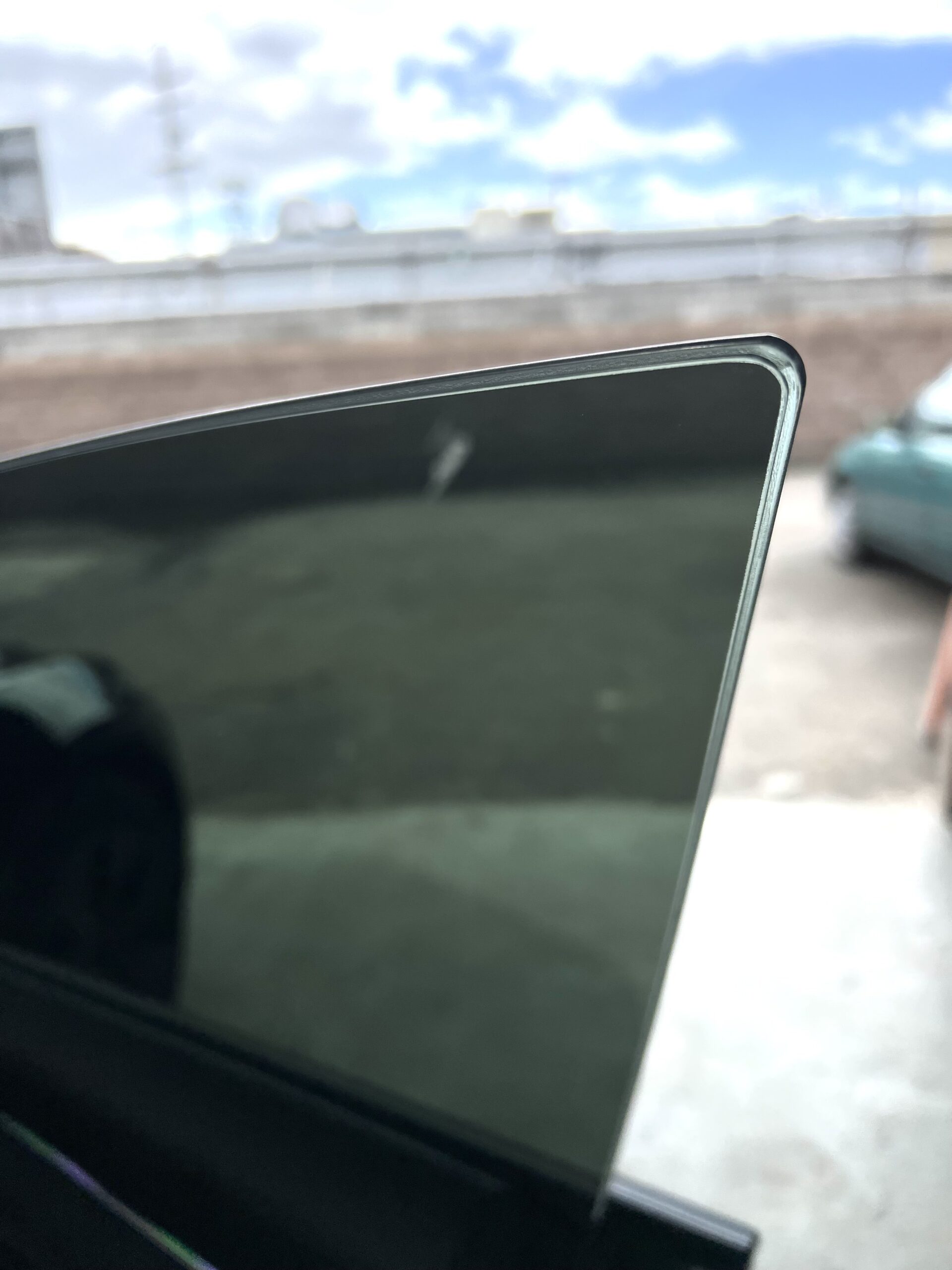
Tinted car windows reflecting low light—used to illustrate “reasons not to tint car windows,” including reduced nighttime visibility and safety risks.

The Importance of Professional Installation

Even the Best window to use for windshield supercar won’t perform properly if installed incorrectly.

Professional installation ensures:

  • Proper alignment and sealing
  • Correct adhesive use
  • Compatibility with sensors and systems

Poor installation can lead to leaks, distortion, or even compromised structural integrity.

How to Choose the Right Windshield for Your Build

To simplify your decision, focus on these key questions:

  1. How will the car be used?
    Track, street, restoration, or concept?
  2. What matters most?
    Weight, clarity, durability, or legality?
  3. Do you need custom shaping?
    Complex designs may require plastic materials.
  4. What are the long-term considerations?
    Maintenance, replacement, and availability matter.

Final Thoughts

Selecting the Best window to use for a supercar project is not about finding a single perfect material; it’s about choosing the right solution for your specific goals.

  • For streetcars, laminated glass offers compliance and durability
  • For track builds, polycarbonate delivers lightweight strength
  • For restorations, acrylic provides unmatched clarity and repairability
  • For prototypes, advanced plastics enable bold design freedom

By considering use case, safety, performance, and long-term ownership, you can make an informed decision that enhances both your driving experience and your vehicle’s value.

In the world of supercars, every detail matters, and the windshield is no exception.

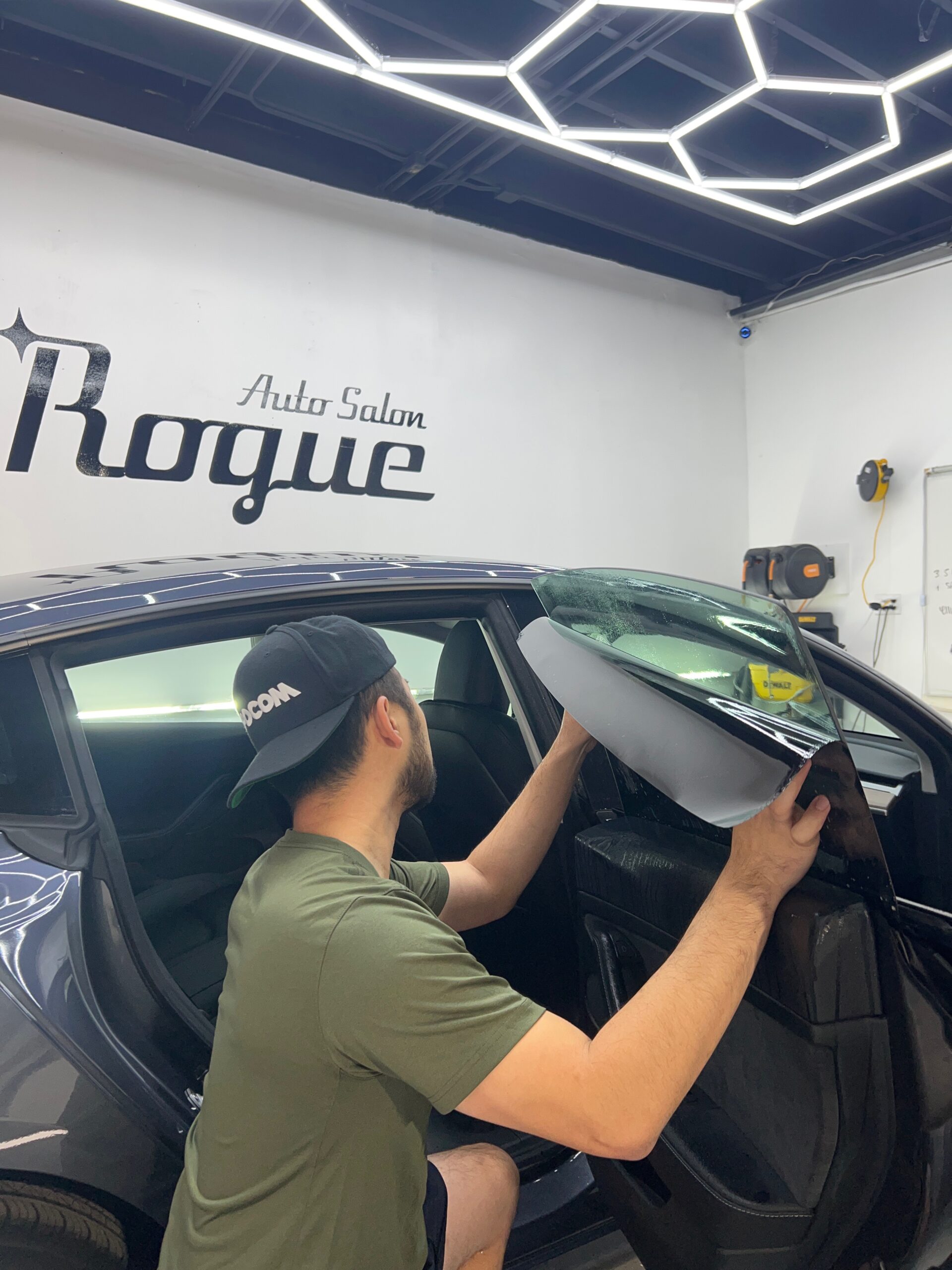
Technician applying paint protection film on a car window – Is paint protection film worth it for safeguarding your vehicle’s surfaces?