Autocare

PPF vs Ceramic Coating: Which Paint Protection Is Best for Your Car?

PPF vs Ceramic Coating: Key Differences at a Glance

If you’re trying to decide between PPF and ceramic coating, you’re choosing between two very different kinds of protection, one is a physical shield, the other is a chemical one. 

Both are popular upgrades for drivers who want to keep their paint looking new, but they solve different problems, cost different amounts, and often work best together rather than as an either/or decision. 

This guide breaks down exactly what each one does, what it costs, how long it lasts, and which option (or combination) makes the most sense for your car.

By the end, you’ll know whether paint protection film, ceramic coating, or both is the right investment for your driving conditions, budget, and how long you plan to keep the vehicle.

Can you use AC after tinting windows

What Is PPF (Paint Protection Film)?

Paint protection film is a thick, clear polyurethane film applied directly to your vehicle’s paint. Think of it as a nearly invisible layer of armor bonded to the surface. Its primary job is physical protection, absorbing the impact of rock chips, road debris, minor scratches, and scuffs before they ever reach your factory paint. 

Many modern PPF products are also “self-healing,” meaning light swirl marks and fine scratches disappear on their own when exposed to heat, such as sitting in the sun or after a warm-water wash.

PPF is typically applied to high-impact areas, the front bumper, hood, mirrors, and rocker panels though full-vehicle coverage is increasingly common for drivers who want maximum protection everywhere.

What Is Ceramic Coating?

Ceramic coating is a liquid polymer applied to your vehicle’s exterior that chemically bonds with the factory paint. Once cured, it forms a hard, glass-like protective layer on top of the clear coat. Unlike PPF, ceramic coating isn’t a physical barrier — it’s a chemical resistance layer that protects against environmental damage: UV rays, bird droppings, tree sap, road salt, and minor oxidation, while giving the paint a deep, glossy, hydrophobic finish that repels water and makes the car noticeably easier to wash.

PPF vs Ceramic Coating: Key Differences at a Glance

Factor

PPF (Paint Protection Film)

Ceramic Coating

Protection type

Physical barrier

Chemical/molecular bond

Rock chip & scratch protection

Excellent

Minimal to none

UV & oxidation protection

Good

Excellent

Gloss enhancement

Moderate

Excellent

Self-healing

Yes (most modern films)

No

Hydrophobic (water beading)

Mild

Strong

Typical lifespan

5 – 10 years

2 – 5 years (varies by product)

Typical cost

$200 – $3,000+ (by coverage)

$500 – $2,000 (professional)

Best for

Rock chips, road debris, front-end impact zones

Overall gloss, UV protection, easier maintenance

Protection Level: Which One Actually Protects Your Paint Better?

This is where the “PPF vs ceramic coating” comparison really comes down to a single question: are you protecting against impact, or against environmental wear?

PPF wins for physical protection. Because it’s an actual film with real thickness, PPF absorbs the energy from rock chips, gravel kickback on the highway, minor door dings, and light scratches from brushing against branches or parking structures. Ceramic coating, being a thin chemical layer measured in microns, offers essentially no meaningful resistance to that kind of impact — it can help paint resist minor swirl marks from improper washing, but it will not stop a rock chip.

Ceramic coating wins for environmental and chemical protection. UV degradation, oxidation, bird droppings, tree sap, and road salt are chemical and environmental threats rather than physical ones, and this is exactly where ceramic coating performs best — creating a sacrificial layer that takes the damage instead of your clear coat.

If you drive frequently on highways, gravel roads, or in areas with a lot of road debris, PPF addresses the more relevant risk. If your bigger concern is sun exposure, fading, and keeping the paint glossy with less maintenance, ceramic coating is the more direct solution.
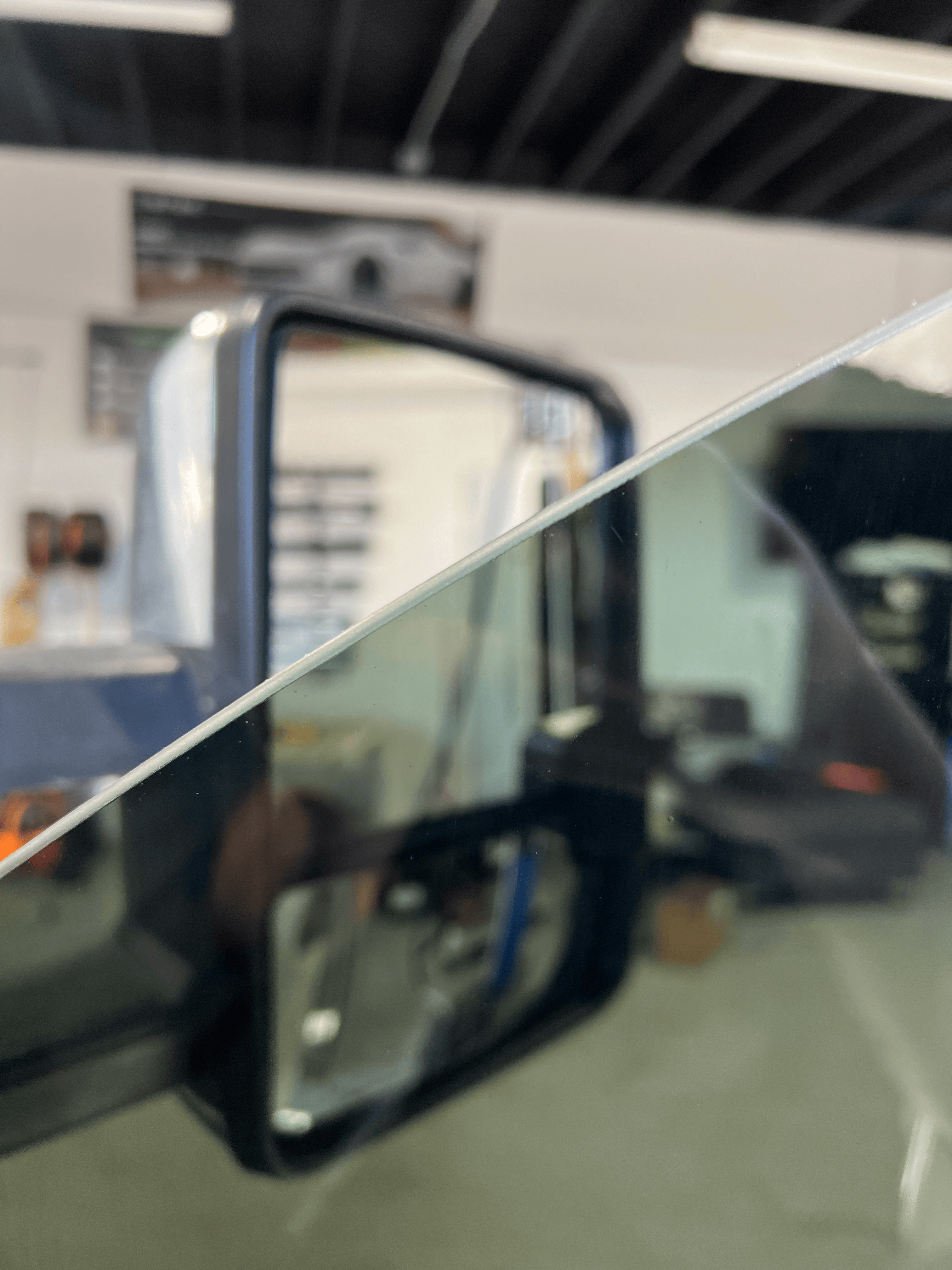
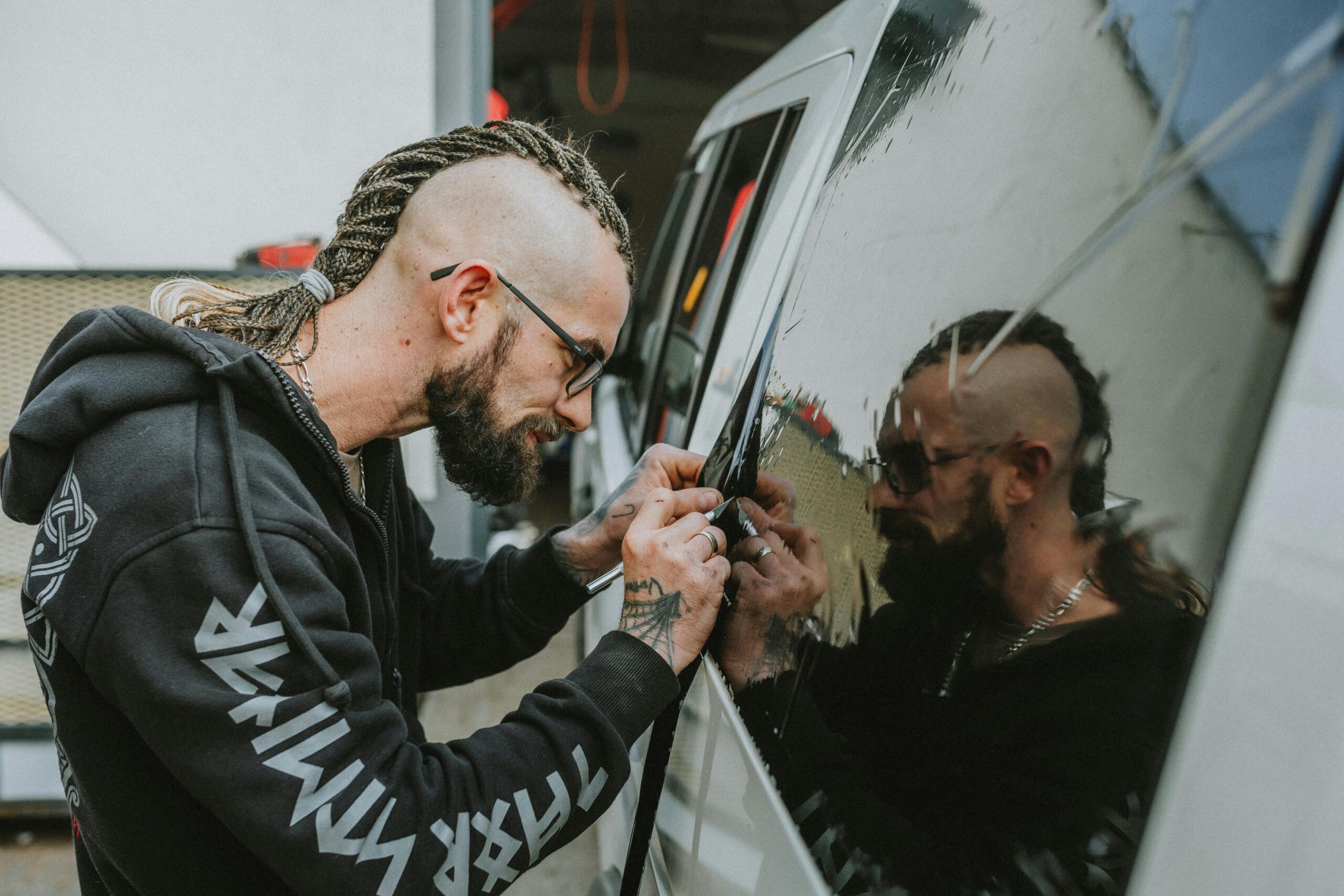
Technician peeling off film from a car window, illustrating the process and cost to remove car window tint

Appearance and Gloss: Which One Looks Better?

Ceramic coating is generally considered the winner for pure aesthetics. It produces a deep, wet-look gloss and a slick, hydrophobic surface that makes water bead up and roll off almost instantly — which also means less dirt and grime clinging to the paint between washes.

PPF has improved significantly in optical clarity over the years, and high-quality film is nearly invisible on the vehicle, but it doesn’t add the same level of shine on its own. This is one of the main reasons many detailers recommend applying a ceramic coating on top of PPF — you get the film’s physical protection with the coating’s gloss and hydrophobic finish layered over it.

Cost Comparison: PPF vs Ceramic Coating

Cost is often the deciding factor, and the ranges vary significantly based on coverage area and product quality.

PPF pricing typically depends on how much of the vehicle is covered:

  • Partial coverage (front bumper, hood edge, mirrors): $200 – $900
  • Full front-end package (full hood, fenders, bumper, mirrors): $900 – $1,800
  • Full vehicle coverage: $2,500 – $3,000+

Ceramic coating pricing depends on whether you go professional or DIY:

  • DIY kits (CarPro CQuartz UK 3.0, Adam’s UV Ceramic Paint Coating Kit): $50 – $150
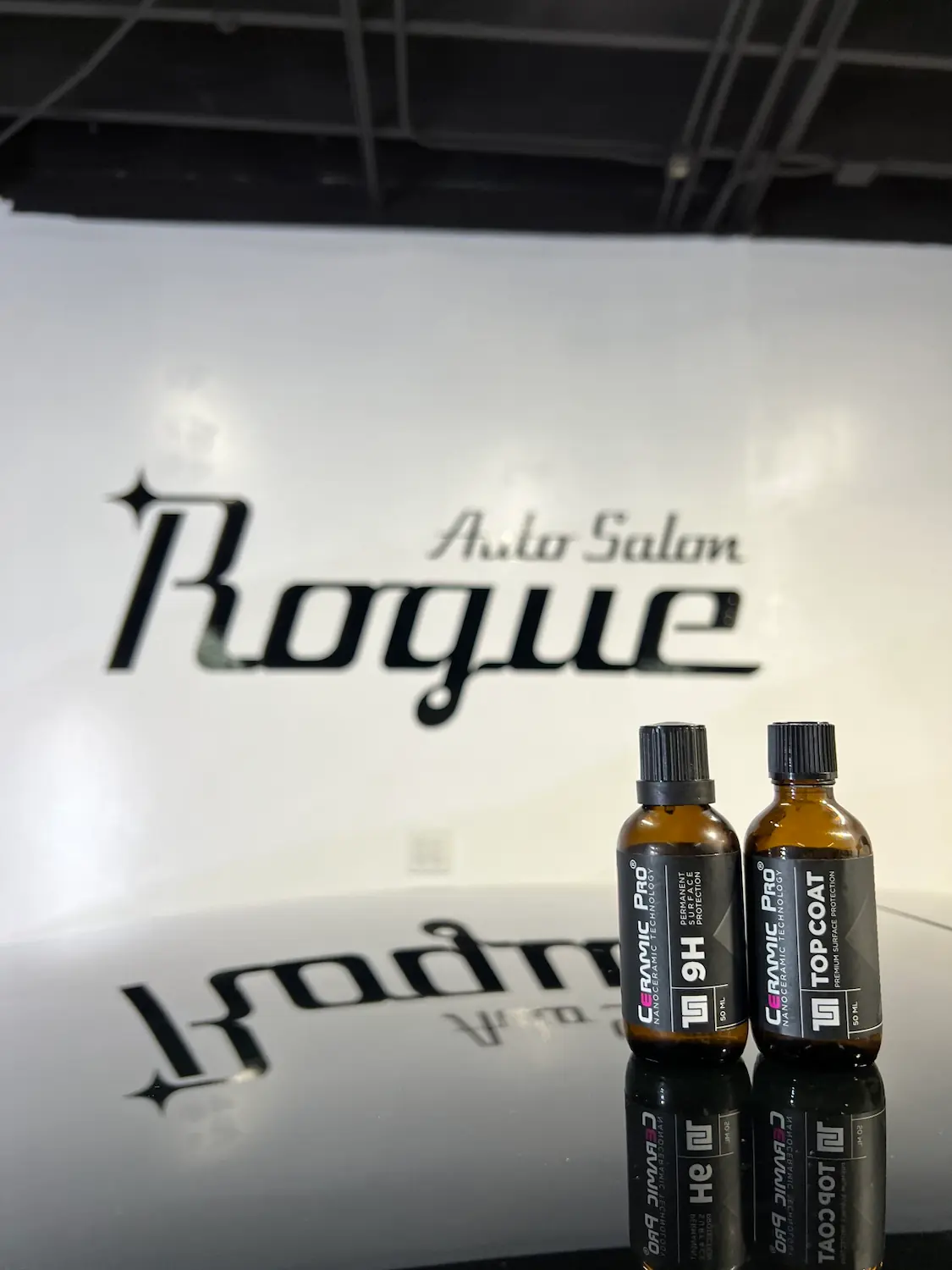
  • Professional-grade application (Ceramic Pro, Gtechniq Crystal Serum Ultra, Ceramic Pro 9H): $500 – $2,000, depending on vehicle size and detailer expertise

For a full breakdown of what drives PPF pricing specifically, see our guide on whether paint protection film is worth it, which covers the cost-to-value tradeoff in more depth.

Maintenance and Longevity

PPF typically lasts 5 to 10 years depending on the film quality, installation, and how well it’s cared for. It requires specific maintenance — proper washing technique, and avoiding certain waxes or polishing methods that can damage the film if used incorrectly. We cover the do’s and don’ts of PPF upkeep in our guides on washing a car with PPF, waxing PPF, and polishing PPF safely.

Ceramic coating generally lasts 2 to 5 years, though this varies significantly by product — consumer-grade coatings sit at the lower end, while premium professional coatings like Ceramic Pro 9H can last longer with proper maintenance. Ceramic coating doesn’t wear out from impact the way PPF can be scratched or chipped; instead, its hydrophobic and protective properties gradually diminish over time and typically need reapplication to maintain peak performance.

Can You Combine PPF and Ceramic Coating?

Yes — and this is increasingly the standard recommendation rather than the exception. Applying a ceramic coating directly on top of PPF gives you the best of both categories: the film absorbs physical impacts like rock chips and road debris, while the ceramic layer adds enhanced gloss, stronger hydrophobic properties, and easier long-term maintenance since dirt and contaminants have a harder time bonding to the surface.

This combination does add to the total upfront cost, but many owners find it worthwhile specifically because it reduces how often the PPF needs to be washed, polished, or touched up — the ceramic layer acts as a sacrificial buffer that protects the film itself.

Which Is Right for You?

The right choice comes down to your driving conditions, budget, and priorities:

  • Choose PPF if: you drive frequently on highways or gravel roads, want maximum protection against rock chips and scratches, or are protecting a new or high-value vehicle’s factory paint from day one.
  • Choose ceramic coating if: your main priority is a deep glossy finish, easier washing, and protection from UV fading, oxidation, and environmental contaminants — and physical impact isn’t a major daily concern.
  • Choose both if: you want comprehensive protection and don’t mind the higher upfront investment. This is the most popular choice among owners who plan to keep their vehicle long-term or maintain resale value.
Ceramic Coating- How Long Does Ceramic Coating Take to Cure

Frequently Asked Questions About PPF vs Ceramic Coating

Is PPF or ceramic coating better?

Neither is universally “better” — they protect against different things. PPF is the stronger choice for physical protection against rock chips and scratches, while ceramic coating is the stronger choice for gloss, UV protection, and easier maintenance. Many owners apply both for full coverage.

Can you put ceramic coating over PPF? 

Yes. Applying ceramic coating on top of PPF is a common and recommended combination. The film handles physical impact protection while the ceramic layer adds gloss, hydrophobic properties, and helps protect the film itself from contaminants.

Which lasts longer, PPF or ceramic coating?

 PPF typically lasts longer, at 5 to 10 years depending on quality and care, compared to ceramic coating’s typical 2 to 5 year lifespan. However, PPF can be damaged by physical impact in ways that shorten its usable life, while ceramic coating simply degrades gradually over time.

Does ceramic coating protect against rock chips?

 No. Ceramic coating is a thin chemical layer and does not provide meaningful protection against rock chips, road debris, or physical impacts. PPF is designed specifically for that kind of protection.

Is PPF worth the cost compared to ceramic coating?

 It depends on your driving conditions. If you frequently encounter road debris, gravel, or highway driving, PPF’s physical protection often justifies its higher cost. If your main concern is appearance and easier maintenance, ceramic coating offers strong value at a lower price point.

How much does it cost to do both PPF and ceramic coating?

 Combined pricing depends on coverage, but a full front-end PPF package paired with a professional ceramic coating typically ranges from $1,500 to $3,500+, depending on vehicle size, film brand, and coating tier.

Get Expert Advice for Your Vehicle

Choosing between PPF, ceramic coating, or both doesn’t have to be a guessing game. At Rogue Auto Salon, we evaluate your vehicle, driving habits, and budget to recommend the protection package that actually fits your needs — not just the most expensive option.

Ready to protect your paint the right way? Get a free consultation and quote from Rogue Auto Salon today and find out whether PPF, ceramic coating, or a combination of both is the best fit for your car.

Image of a tinted car window demonstrating reduced visibility—used to highlight key “reasons not to tint car windows,” including safety and clarity concerns.