Autocare

How to Remove Tint From a Car Window Without Damaging Glass

How to Remove a Tint From a Car Window: Step-by-Step Guide Without Damaging Glass

If you’ve been searching for how to remove a tint from a car window, chances are your current film isn’t looking so great anymore. Maybe it’s bubbling, turning purple, or peeling at the edges. Or maybe you just want a cleaner look before installing new, high-performance tint. 

Whatever the reason, removing window tint isn’t as simple as peeling off a sticker, and doing it wrong can lead to scratches, stubborn glue, or even damaged defroster lines.

The good news? With the right approach, tools, and a bit of patience, you can safely remove tint from your car windows without damaging the glass. 

This guide walks you through everything you need to know, from why tint fails to step-by-step removal methods and when it’s smarter to call in the pros.

Why Window Tint Needs to Be Removed in the First Place

Window tint doesn’t last forever. Even high-quality film eventually shows signs of wear, especially in hot climates.

Common reasons people remove tint:

  • Bubbling and peeling: Air pockets form as adhesive breaks down
  • Fading or turning purple: Lower-quality films degrade under UV exposure
  • Reduced visibility: Old tint can look hazy or distorted, especially at night
  • Legal issues: Tint may be darker than allowed in your area

If your tint is showing any of these signs, it’s time to remove it, not just for aesthetics, but for safety and comfort too.

Why Removing Tint Is Trickier Than It Looks

Here’s the thing: window tint is made up of layered film bonded to glass with strong adhesive. Over time, that adhesive hardens and sticks more aggressively, especially after years of sun exposure.

That’s why:

  • The film may tear instead of peeling cleanly
  • Glue often stays stuck to the glass
  • Scraping too hard can scratch windows or damage defrosters

Understanding this helps explain why proper technique matters so much.

how to remove paint protection film from car

How to Remove a Tint From a Car Window Safely

Let’s get into the actual process. There’s no single “perfect” method, but a few proven techniques consistently work well.

Method 1: Heat Gun or Steamer

This is widely considered the best way to remove window tint.

How it works:

Heat softens the adhesive, allowing the film to peel off more easily.

Steps:

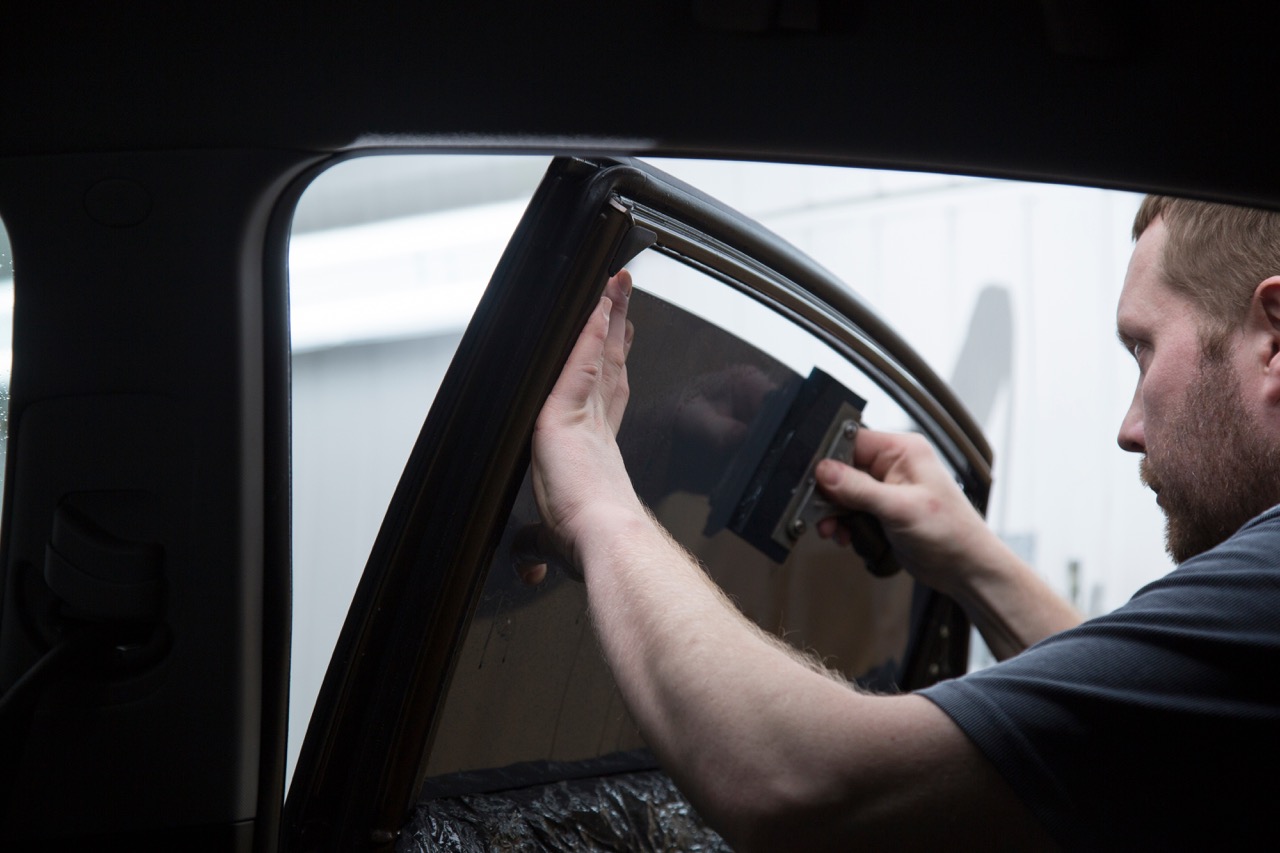
  1. Start at one corner of the window
  2. Apply heat evenly across a small section
  3. Gently lift the edge with your fingernail or a blade
  4. Slowly peel while continuing to apply heat

Tips:

  • Keep the heat moving, don’t focus on one spot too long
  • Peel slowly to avoid tearing
  • Wear gloves to protect your hands

This method is fast, effective, and works well on older tint.

Method 2: Steamer (Safer for Beginners)

If you’re nervous about using a heat gun, a steamer is a great alternative.

Why it works:

Steam penetrates the film and loosens the adhesive evenly, making it easier to remove.

Best for:

  • Rear windows
  • Delicate areas with defroster lines

It’s slightly slower than a heat gun but much safer for beginners.

Method 3: Ammonia and Trash Bag Trick

This method is surprisingly effective for stubborn, baked-on tint.

Steps:

  1. Spray ammonia onto the tint
  2. Cover the window with a black trash bag
  3. Park the car in direct sunlight for 30–60 minutes
  4. Peel off the tint once the adhesive softens

Important:

  • Work in a well-ventilated area
  • Avoid inhaling fumes

This technique uses heat and chemicals together to break down tough adhesive.

Method 4: Soapy Water and Razor Blade

This is a more hands-on, precise method.

Steps:

  1. Spray soapy water onto the glass
  2. Carefully lift the tint edge with a razor blade
  3. Peel slowly while keeping the surface wet

Caution:

  • High risk of scratching if done aggressively
  • Not ideal for beginners

This works best on newer tint that hasn’t fully bonded yet.

Removing Adhesive Residue

Even if you remove the film perfectly, you’ll likely be left with sticky glue on the glass.

Why does this happen?

As tint ages, the film separates from the adhesive, leaving it behind.

How to remove it:

  • Use an adhesive remover or alcohol-based solution
  • Spray and let it sit for a minute
  • Wipe gently with a microfiber cloth
  • Repeat if necessary

Avoid using sharp tools near delicate areas, especially rear windows.
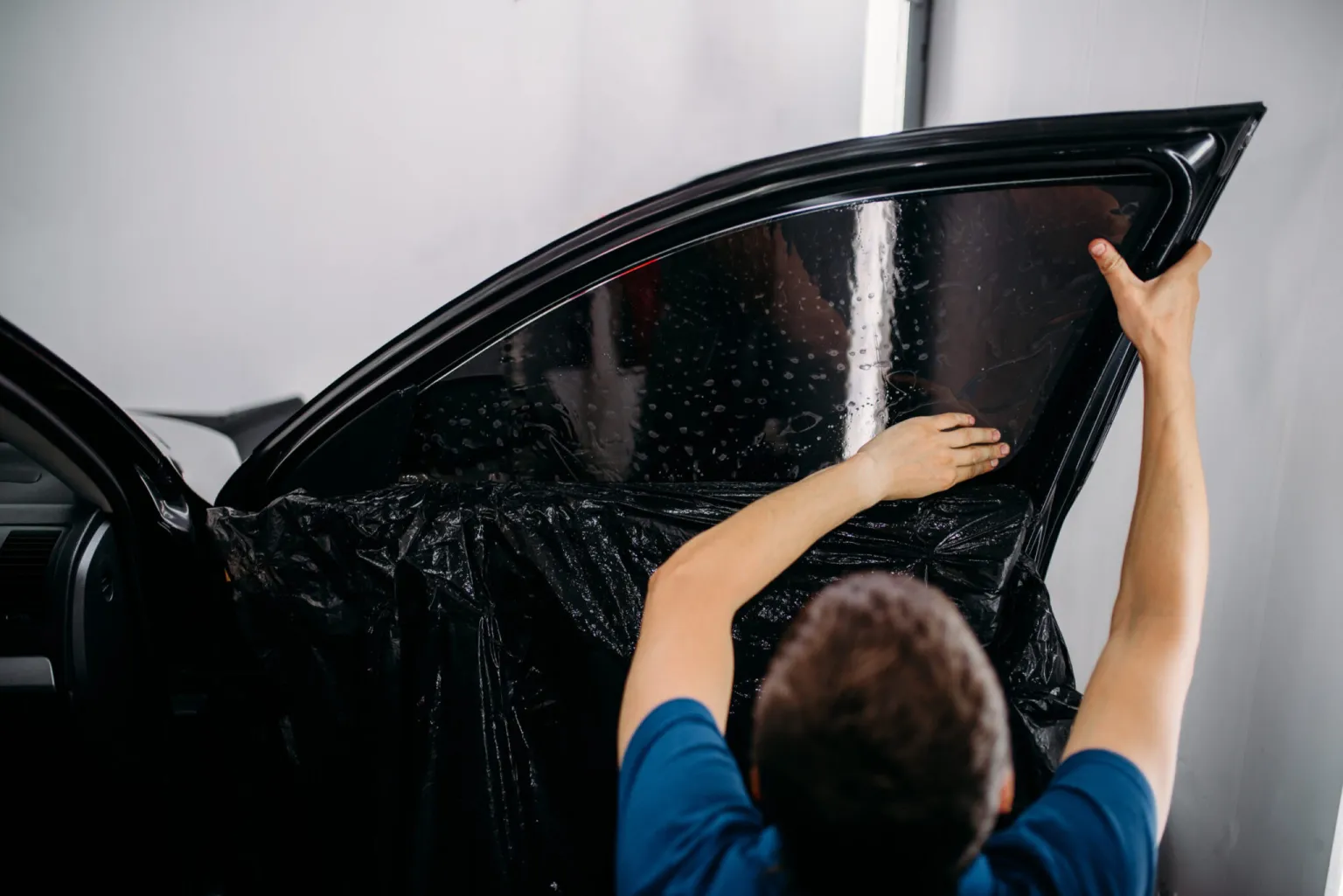
Close-up of a car side window with applied tint—visual aid for “how much tint do I need for my car,” showing opacity and sun-blocking effect. If you’ve got more images or want to add context like climate impact or tint tool usage, I’m totally game to help enhance them!

Special Warning: Rear Windows and Defroster Lines

This is where things can go wrong quickly.

Rear windshields have thin defroster lines that are easy to damage. If you scrape too hard or use a razor blade carelessly, you can permanently break them.

Best approach:

  • Use steam instead of scraping
  • Avoid metal blades entirely
  • Work slowly and gently

If you’re unsure, this is one situation where professional help is often worth it.

DIY vs Professional Tint Removal: What’s Better?

Now that you know the process, let’s talk about whether you should actually do it yourself.

When DIY Makes Sense

You can remove tint yourself if:

  • The film is relatively new (under 3–4 years)
  • You’re working on the side windows
  • You have the right tools
  • You’re patient and careful

DIY can save money and works well for simple jobs.

When to Go Professional

Sometimes, it’s smarter to let experts handle it.

Consider professional removal if:

  • Tint is old, brittle, or heavily damaged
  • You’re dealing with a rear windshield
  • You drive a luxury or newer vehicle
  • You want fast, flawless results

Professionals use specialized tools and techniques to:

  • Prevent scratches
  • Protect defroster lines
  • Remove adhesive completely

What Happens If You Do It Wrong?

Cutting corners during tint removal can lead to:

  • Scratched glass
  • Damaged defroster lines
  • Sticky residue that won’t come off
  • Uneven surfaces for new tint

And fixing those mistakes often costs more than doing it right the first time.

Why You Shouldn’t Leave Old Tint On

It might be tempting to ignore failing tint, but that usually makes things worse.

Old tint can cause:

  • Reduced UV protection
  • Increased heat inside the car
  • Poor visibility and glare
  • Lower resale value

Removing it restores clarity and gives you the option to upgrade to better film.

Preparing for New Tint After Removal

clear ceramic tint on windshield

If you’re planning to retain your windows, proper prep matters.

After removal:

  • Clean the glass thoroughly
  • Make sure no adhesive remains
  • Inspect for scratches or damage

A clean surface ensures the new tint:

  • Adheres properly
  • Looks smooth and even
  • Lasts longer

How Long Does It Take?

Time varies depending on the method and condition of the tint.

Typical estimates:

  • Heat/steam method: 30–60 minutes per vehicle
  • DIY full process: 1–3 hours
  • Professional service: often under 1 hour

Older tint will always take longer.

Tips to Make the Job Easier

Here are a few practical tips that can save you time and frustration:

  • Work in a shaded, ventilated area
  • Take your time; rushing leads to mistakes
  • Keep the surface wet or heated consistently
  • Use microfiber cloths for cleaning
  • Avoid harsh scraping

Tint removal is more about patience than strength.

Final Thoughts: Do It Right the First Time

Learning how to remove a tint from a car window isn’t just about getting the film off; it’s about protecting your glass, preserving your car’s value, and setting yourself up for a better result if you decide to retint.

DIY methods can absolutely work, especially for smaller or newer jobs. But when things get tricky, like rear windows or heavily aged tint, professional removal can save you time, stress, and costly mistakes.

Want a Flawless Finish Without the Hassle?

If you’d rather skip the risk and get it done right the first time, it’s worth trusting professionals who specialize in high-end automotive care.

At Rogue Auto Salon, you’ll get expert tint removal, premium installation options, and a finish that actually lasts. Whether you’re removing old film or upgrading to modern ceramic tint, their team can guide you through the best solution for your car.

Image of a tinted car window demonstrating reduced visibility—used to highlight key “reasons not to tint car windows,” including safety and clarity concerns.