Autocare

How long does ceramic tint last

How Long Does Ceramic Tint Last Before It Needs Replacement?

If you’re researching how long does ceramic tint last, you’re probably trying to figure out whether it’s actually worth the money or just another car upgrade that sounds better than it performs. Window tint has become more than a style choice—it directly affects heat, UV protection, comfort, and how well your car’s interior holds up over time.

The short answer is that ceramic tint is designed for long-term use. But the real answer depends on film quality, installation, climate, and maintenance habits. In many cases, ceramic tint can last well over a decade, and sometimes even for the entire life of the vehicle.

So let’s break it down properly.

How Long Does Ceramic Tint Last?

Ceramic Coating- How Long Does Ceramic Coating Take to Cure

Most high-quality ceramic window tints last 10+ years, and premium versions can last the lifetime of a car when installed and maintained correctly.

To put that in perspective, here’s how it compares to other tint types:

Dyed tint usually lasts around 3–5 years. It’s cheap, but it tends to fade and can turn purple over time. Metalized tint lasts about 5–7 years and holds up better, but it can interfere with electronic signals. Carbon tint typically lasts 7–10 years and offers a good balance of durability and performance. Ceramic tint sits at the top with 10+ years of lifespan and the best long-term stability.

The reason ceramic tint lasts longer is that it doesn’t rely on dye or metal layers. Instead, it uses nano-ceramic particles that are highly resistant to heat and UV damage, which means the material itself doesn’t break down the way older tint technologies do.

Why Ceramic Tint Lasts Longer Than Other Films

When you ask how long does ceramic tint last, you’re really asking what makes it different from everything else on the market.

Ceramic tint is built using nano-ceramic technology. These particles are incredibly stable under sunlight and heat, which is why the film doesn’t fade or change color over time.

Unlike dyed films that slowly break down and turn purple, ceramic tint stays consistent. Unlike metallic films, it doesn’t oxidize or interfere with signals. And unlike cheaper options, it doesn’t lose performance quickly.

This stability is the main reason ceramic tint holds its performance and appearance for so many years.

Factors That Affect Ceramic Tint Lifespan


Even though ceramic tint is built to last, its actual lifespan depends on a few real-world conditions.

The first is film quality. Not all ceramic tints are equal. Higher-end films are designed for long-term durability and often come with warranties, while lower-grade versions may not perform as well over time.

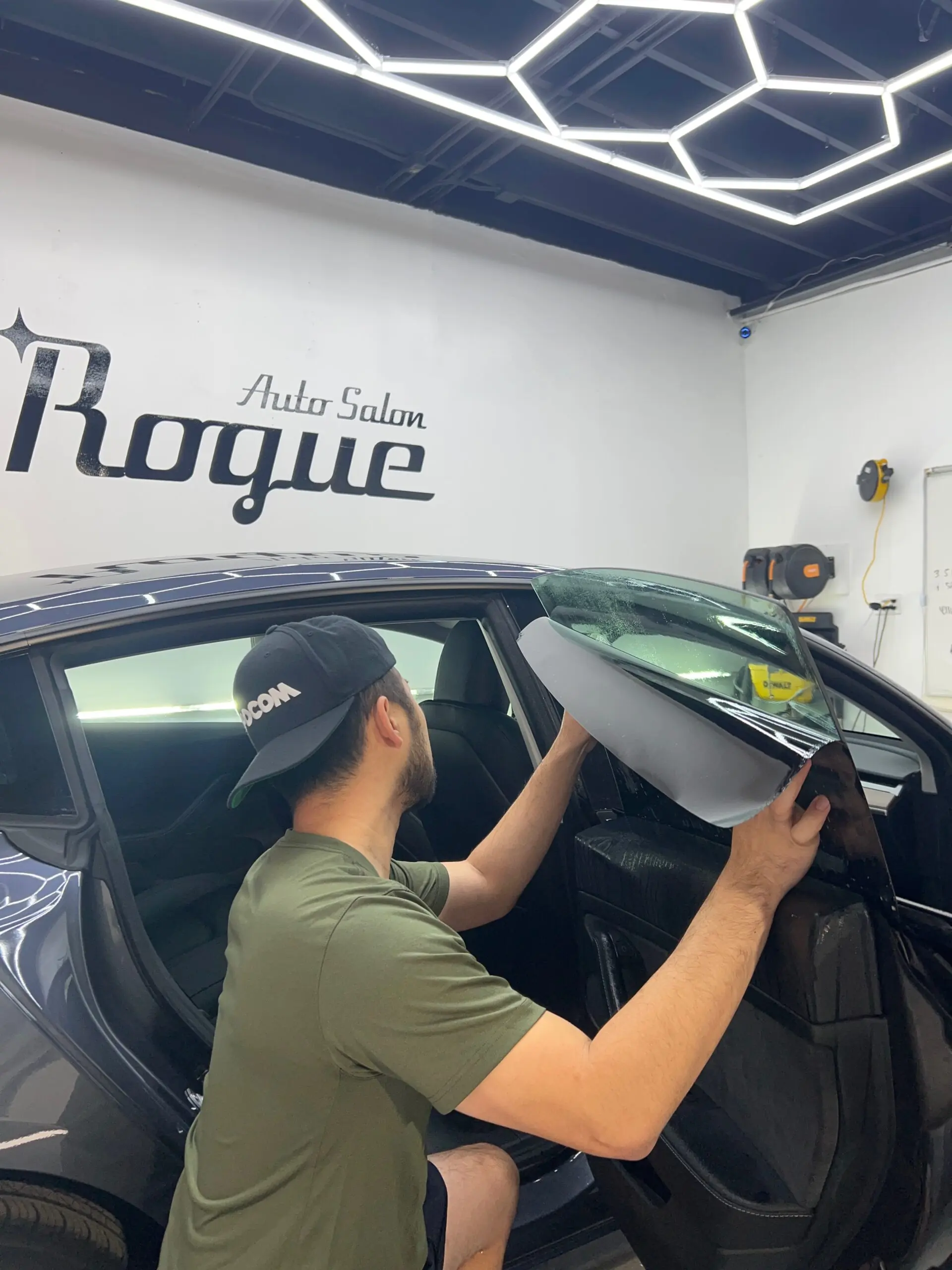
Installation quality is just as important. A professional installation ensures the film bonds correctly to the glass without bubbles, dust, or weak edges. Poor installation can shorten the lifespan dramatically, even if the film itself is high quality.

Climate also plays a role. Cars exposed to constant sunlight experience more stress on the tint, especially in hot regions. UV rays are one of the biggest reasons cheaper films fail early. Ceramic tint is designed to resist this, but extreme exposure still matters over time.

Maintenance is another factor. Harsh cleaners, abrasive cloths, or poor cleaning habits can slowly damage the film. Gentle care helps preserve clarity and adhesion for years.

How Ceramic Tint Performs Over Time

One of the biggest advantages of ceramic tint is that it doesn’t just last longer; it stays consistent while it lasts.

Cheaper tints tend to degrade gradually. They fade, change color, bubble, or lose heat rejection ability. Ceramic tint behaves differently. When installed properly, it maintains its appearance, clarity, and performance for many years without noticeable decline.

This consistency is what makes ceramic tint feel like a long-term upgrade rather than something you’ll need to replace every few years.

how to remove paint protection film from car

Signs Your Tint Is Wearing Out

Even a ceramic tint can eventually show wear under long-term stress.

Bubbling or peeling is one of the most obvious signs. This usually points to adhesive failure or aging film. Scratches or surface damage can also affect visibility and appearance over time.

Hazy or cloudy windows are another warning sign that the film is breaking down or separating from the glass. If your car starts feeling noticeably hotter inside than it used to, that can indicate reduced heat rejection performance.

In dyed films, fading or turning purple is very common, though ceramic tint rarely shows this issue.

Ceramic Tint vs Other Tint Lifespans

To fully understand how long does ceramic tint last, it helps to compare it directly with other options.

Dyed tint is the shortest-lasting, typically 3–5 years, and is mainly focused on appearance rather than performance. Metalized tint lasts a bit longer but can cause signal interference. Carbon tint offers better durability and can last up to 10 years. Ceramic tint stands at the top with 10+ years of lifespan and the strongest overall performance.

The difference becomes even more obvious over time, especially when it comes to fading, clarity, and heat rejection.

Can Ceramic Tint Last a Lifetime?

In many cases, yes. Ceramic tint can last the lifetime of a vehicle, especially when it’s a high-quality film installed by a professional and maintained properly.

However, that “lifetime” depends on usage, climate, and care. A well-maintained vehicle in normal conditions may never need a tint replacement at all.

That’s why ceramic tint is often considered a one-time upgrade instead of something you replace every few years.
How to Make Ceramic Tint Last Longer

If you want to get the most out of your tint, a few simple habits make a big difference.

After installation, it’s important to let the tint cure before rolling the windows down. Cleaning should always be done with ammonia-free products and soft microfiber cloths. Harsh chemicals and abrasive materials should be avoided because they can damage the film over time.

Parking in shaded areas also helps reduce constant UV exposure, which extends both the tint’s life and your car’s interior condition. Being gentle around window edges is also important since those areas are more vulnerable.

Ceramic coating and paint protection film

Is Ceramic Tint Worth It for Longevity?

When you look at how long ceramic tint lasts, the real question becomes whether the investment makes sense in the long term.

For most drivers, the answer is yes. Even though ceramic tint costs more upfront, it typically lasts much longer than cheaper alternatives, performs better in heat and UV protection, and reduces the need for replacement.

It also helps protect your car’s interior from fading and cracking, which adds even more long-term value.

Final Answer: How Long Does Ceramic Tint Last?

So, how long does ceramic tint last on car windows?

In most cases, ceramic tint lasts 10 years or more, and in ideal conditions, it can last the lifetime of the vehicle.

Its long lifespan comes from its advanced ceramic construction, which resists fading, heat damage, and UV breakdown far better than traditional tint materials.

When installed properly and cared for correctly, ceramic tint becomes one of the most durable and low-maintenance upgrades you can make for your car, delivering long-term comfort, protection, and clarity without frequent replacement.

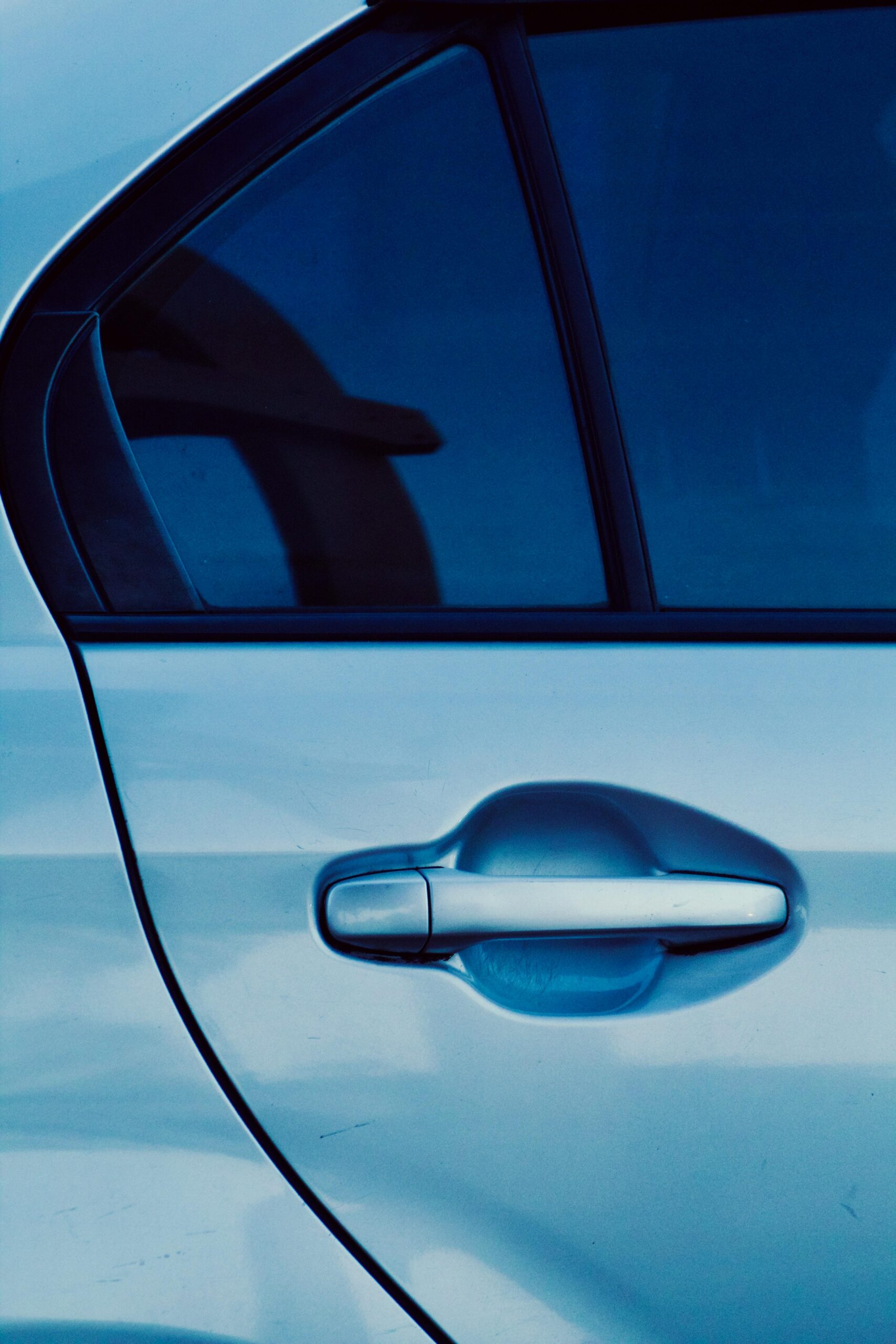
Image of a tinted car window demonstrating reduced visibility—used to highlight key “reasons not to tint car windows,” including safety and clarity concerns.