Autocare

Does Window Tint Get Lighter Over Time? Explained Clearly

What Causes Window Tint to Fade and How Long It Really Lasts


Window tinting is one of the most popular upgrades for vehicles, offering a blend of style, comfort, and protection. But one question often comes up after installation: Does tint get lighter over time? 

The answer isn’t as straightforward as a simple yes or no. In reality, window tint can both lighten and fade depending on its stage and the conditions it’s exposed to. Understanding this difference is key to managing expectations and protecting your investment.

If you’ve recently had your windows tinted or are considering it, knowing what happens over time will help you make smarter decisions. From the curing process to long-term wear, this guide breaks it all down in a clear, practical way so you know exactly what to expect.

Does Tint Get Lighter Over Time Right After Installation?

Is ceramic window tint worth it​

Right after installation, window tint often looks darker than expected.

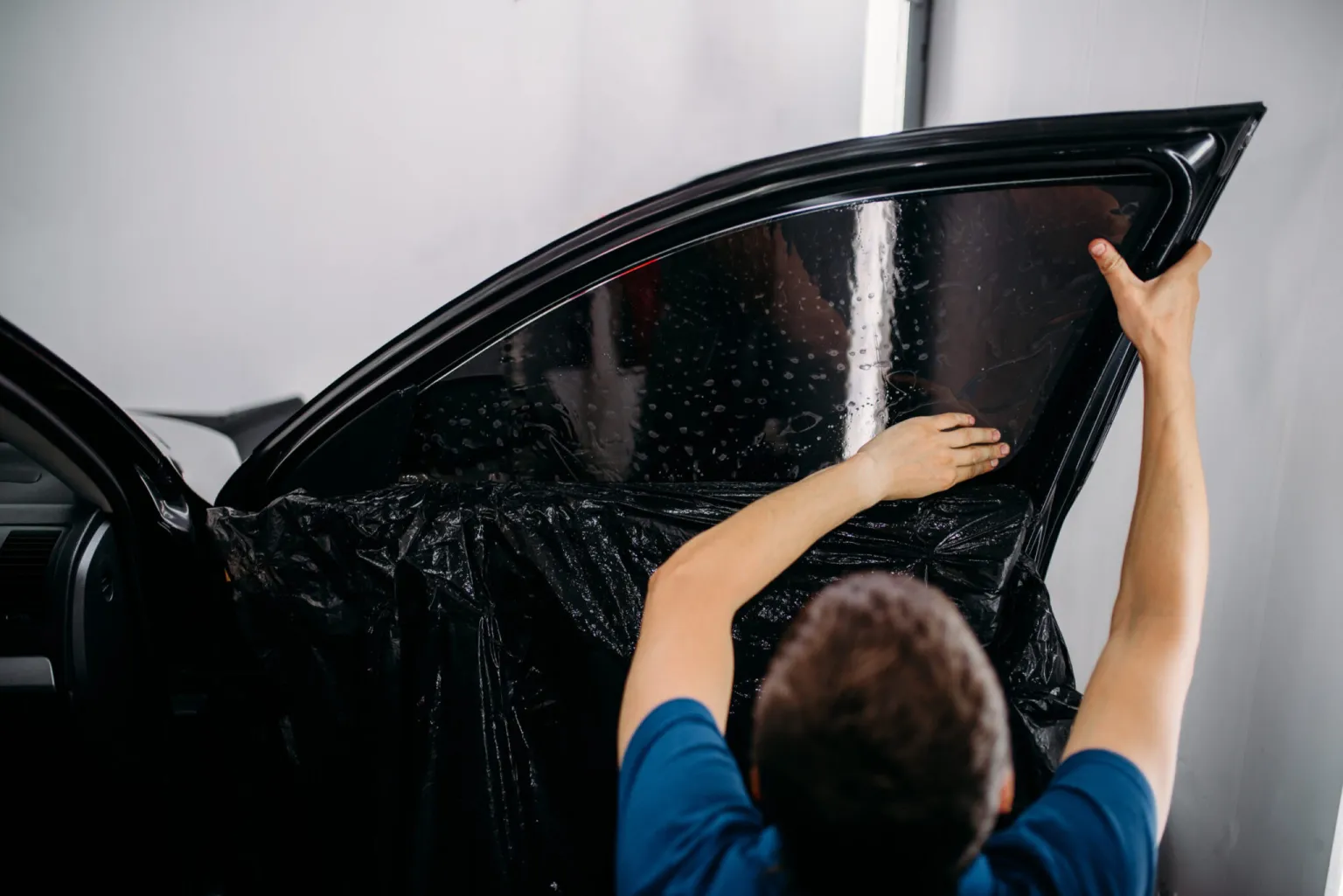
During installation, moisture is trapped between the film and the glass, creating a hazy or overly dark appearance. As the tint begins to cure, that moisture gradually evaporates. When this happens, the film lightens slightly and becomes clearer, revealing its true shade.

This initial lightning phase usually takes a few days to a week, depending on climate conditions. Warmer environments tend to speed up the process, while cooler or humid conditions may slow it down.

So yes, if you’re wondering if tint gets lighter over time, the answer is yes, but mainly during the curing stage.

Why Your Tint May Look Different After a Few Days

The curing process doesn’t just affect brightness; it also changes the overall appearance of your windows. You might notice small bubbles. Or a slight haze. Sometimes, even a cloudy look.

These are all temporary effects caused by trapped moisture. As the film settles and adheres properly to the glass, these imperfections disappear.

The result? 

A smoother, clearer, and slightly lighter finish that matches the intended design of the tint. This is why professionals always recommend patience after installation. The final result is rarely visible on day one.

Does Tint Get Lighter Over Time in the Long Run?

Now let’s address the long-term perspective because this is where things change. And expectations often get confused. Over extended periods, window tint doesn’t “lighten” in a beneficial way; it fades. Fading is different from curing.

Instead of improving clarity, it reduces the tint’s effectiveness and alters its color. This usually happens due to prolonged exposure to sunlight, heat, and environmental elements. High-quality tints can last 10 to 15 years, maintaining their appearance and performance. Lower-quality films, however, may begin fading within 5 to 7 years.

So while tint may get lighter initially, long-term lightening is often a sign of wear and degradation, not improvement.

What Causes Window Tint to Fade Over Time?

Understanding the causes of fading helps you prevent it. The biggest factor is UV exposure. Sunlight constantly hits your windows.

And over time, it breaks down the film’s internal structure. This weakens the dye or material used in the tint. Eventually, the color fades, and the film loses effectiveness.

Other contributing factors include:

  • Low-quality materials that degrade faster
  • Improper installation, leading to peeling or bubbling
  • Extreme heat and climate conditions
  • Poor maintenance or use of harsh cleaning products

In fact, most tint fading is directly linked to UV exposure alone. That’s why choosing a film with strong UV-blocking capabilities is crucial.

Types of Tint and How They Age

Not all window tints behave the same way over time. Some last longer.

Some fade faster. And some maintain clarity exceptionally well. The difference comes down to the material.

Dyed films are the most affordable but also the least durable. They tend to fade more quickly and lose their color over time. Carbon and ceramic films, on the other hand, are designed for longevity. They resist fading, block up to 99% of UV rays, and maintain their appearance for years.

If your goal is long-term performance, investing in higher-quality materials will save you money and hassle in the future. 

Looking for professional-grade tint that lasts? Visit rogueautosalon and explore premium options tailored for durability and performance.
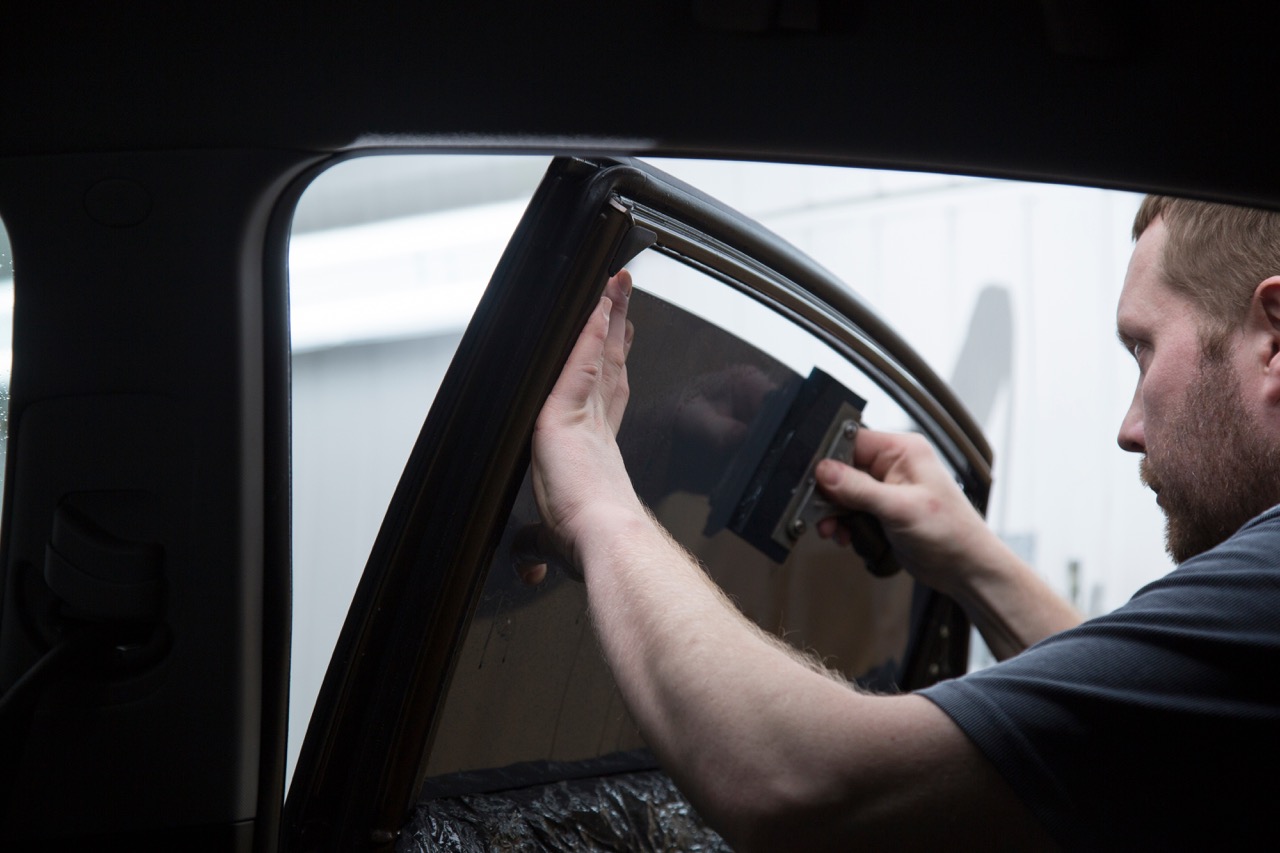
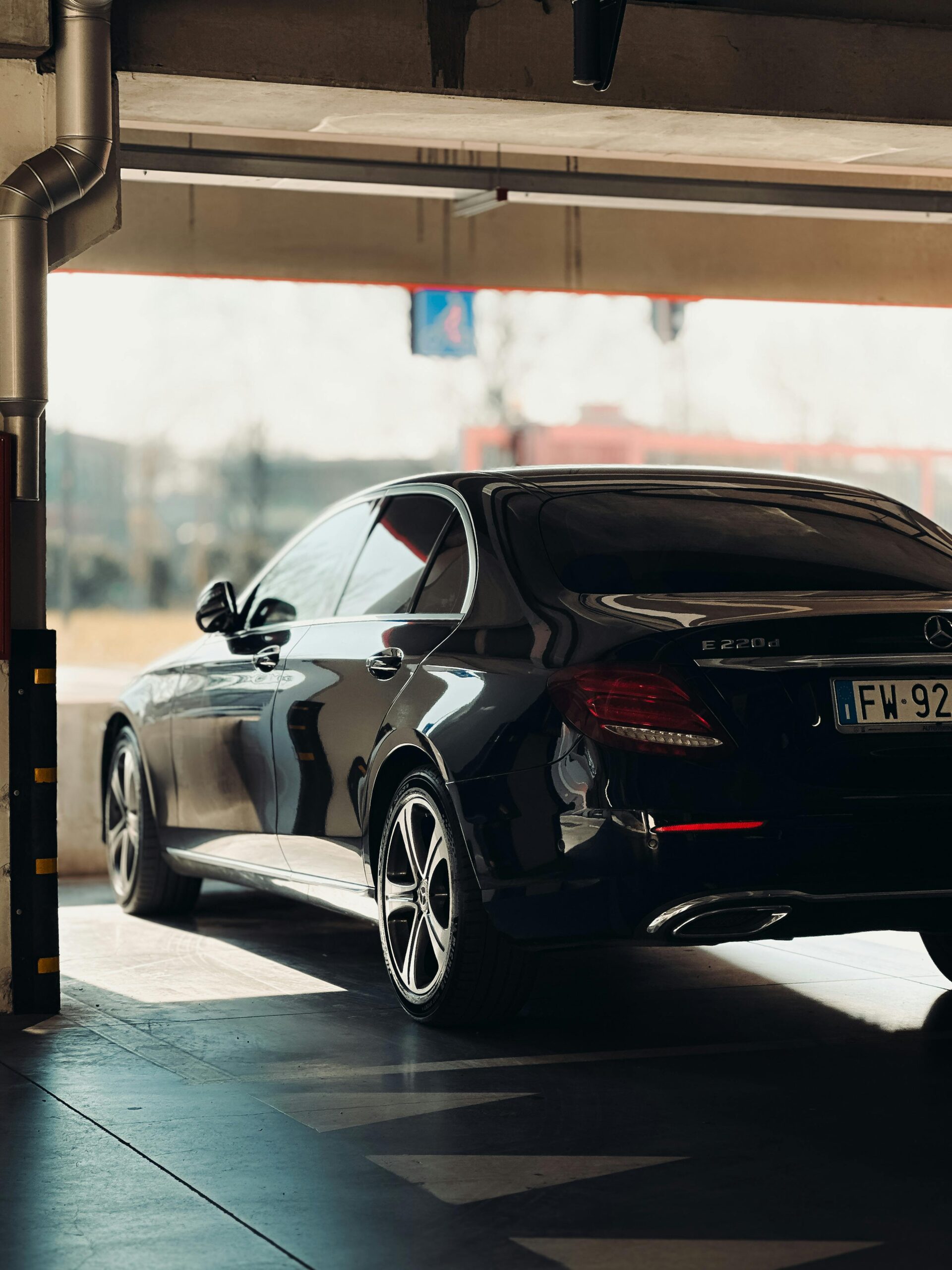
Close-up of a car side window with applied tint—visual aid for “how much tint do I need for my car,” showing opacity and sun-blocking effect. If you’ve got more images or want to add context like climate impact or tint tool usage, I’m totally game to help enhance them!

Signs Your Window Tint Is Wearing Out

Over time, your tint will show signs of aging. Recognizing these early can help you take action before the damage worsens.

Common signs include:

  • Color fading or turning purple
  • Bubbling or peeling edges
  • Reduced heat and glare protection
  • Hazy or uneven appearance

These aren’t just cosmetic issues. They also indicate reduced performance. Which means less UV protection. And more heat inside your vehicle.

If you notice these signs, it may be time to replace your tint.

How to Make Your Tint Last Longer

The lifespan of your window tint depends heavily on how well you care for it. Good maintenance makes a difference. A big difference. Sometimes even doubles its lifespan. Simple habits can go a long way.

Here’s how to extend the life of your tint:

  • Use non-abrasive cleaners and soft cloths
  • Avoid ammonia-based products
  • Park in shaded areas whenever possible
  • Use sunshades to reduce heat exposure
  • Inspect regularly for early signs of damage

Proper care ensures your tint stays effective, visually appealing, and long-lasting.

What to Do After Getting Your Windows Tinted

The first few days after installation are critical. This is when the film is most vulnerable. And proper care matters the most. Small mistakes can cause long-term damage. So following the right steps is essential.

After tinting:

  • Wait at least 24 hours before rolling down windows
  • Allow up to one week for full curing
  • Avoid direct heat and sunlight when possible
  • Don’t use heaters or defrosters immediately
  • Be careful with sharp objects that may scratch the film

Following these steps ensures a smooth finish and prevents early issues like bubbling or peeling.

Benefits of Window Tint Beyond Appearance

While many people focus on looks, window tint offers much more. It improves comfort. Enhances safety. It protects your vehicle’s interior. All while adding a sleek, modern style.

Key benefits include:

  • Reduced glare for safer driving
  • Increased privacy from outside view
  • Heat reduction for a cooler interior
  • UV protection to prevent interior damage
  • Added security against break-ins

These benefits remain effective as long as the tint is in good condition, which is why quality and maintenance matter so much.

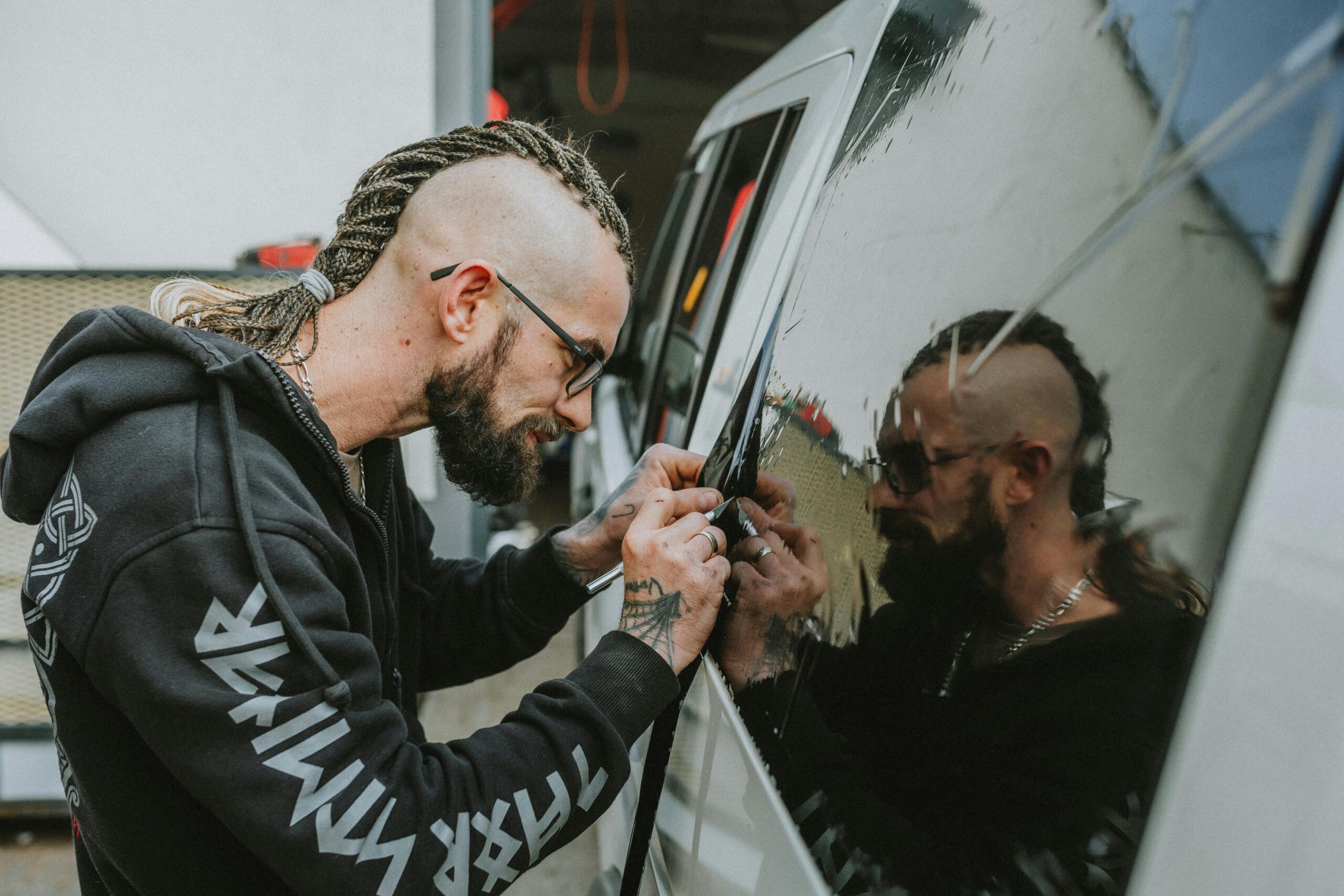
Technician peeling off film from a car window, illustrating the process and cost to remove car window tint

Choosing the Right Tint for Long-Term Results

If you want to avoid frequent replacements, choosing the right tint from the start is crucial. Don’t go for the cheapest option. It may cost more later. Instead, focus on quality and durability. And always prioritize professional installation.

Look for:

  • Films with high UV rejection (up to 99%)
  • Ceramic or carbon materials
  • Brands that offer warranties
  • Experienced installers with proven results

For expert installation and premium materials, check out rogueautosalon.com and ensure your tint is done right the first time.

Final Thoughts: Does Tint Get Lighter Over Time?

So, does tint get lighter over time? Yes, but only in the short term during the curing process. And no, when it comes to long-term performance. Because what seems like “lightning” later is actually fading. And fading reduces both appearance and effectiveness.

The key takeaway is simple:

  • Short-term lightening = expected
  • Long-term fading = avoidable with quality and care

By choosing high-quality tint, ensuring proper installation, and maintaining it correctly, you can enjoy years of performance without worrying about unwanted fading.

If you’re ready to upgrade your vehicle with long-lasting, professional window tint, visit rogueautosalon.com today and take the first step toward better comfort, style, and protection.

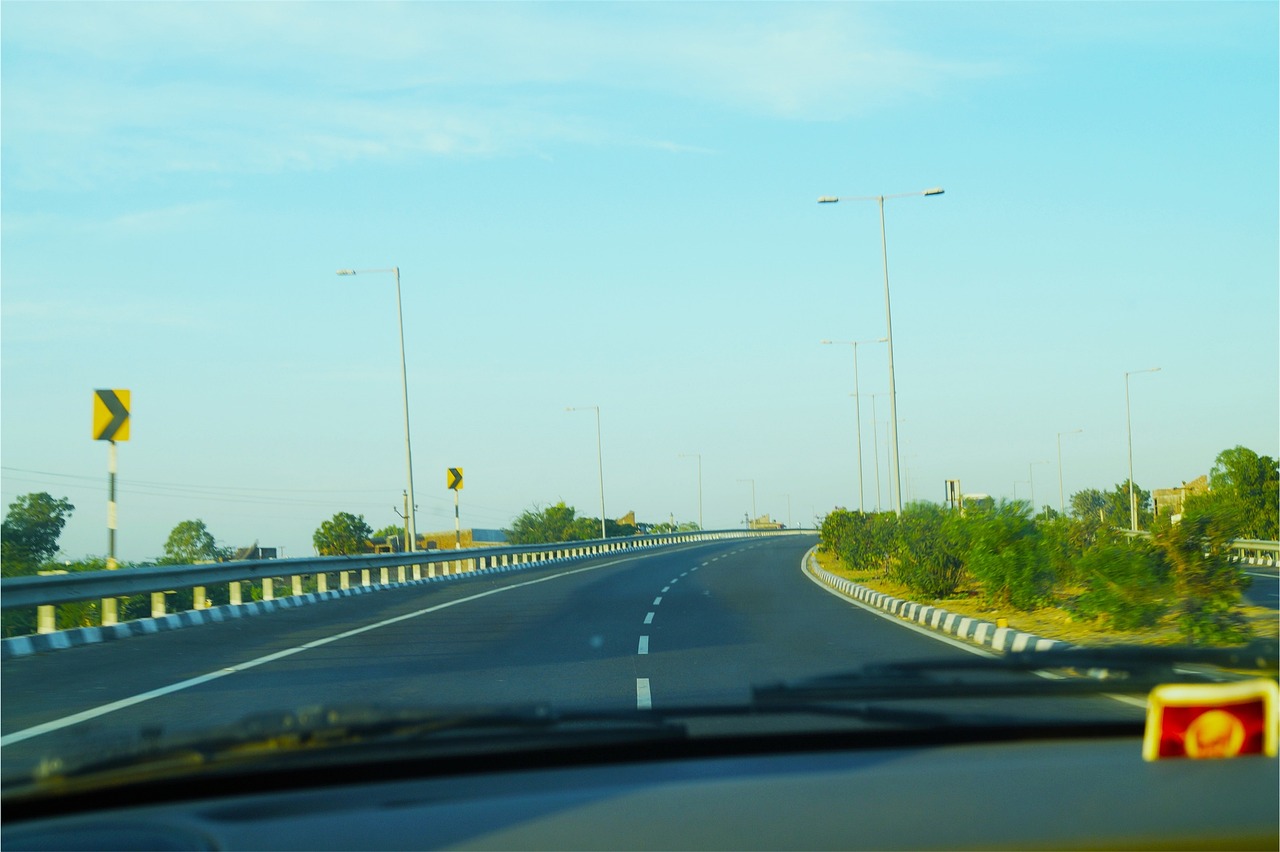
Image of a tinted car window demonstrating reduced visibility—used to highlight key “reasons not to tint car windows,” including safety and clarity concerns.