Autocare
Can You Tint Windows in the Cold? Winter Tinting Tips Now
Learn how cold temperatures affect installation, curing time, and long-term performance
Many drivers assume that winter is the worst time to install window tint, but that’s a common misconception. While cold temperatures do present some unique challenges, modern window films, professional installation techniques, and proper post-installation care make winter window tinting completely possible.
In fact, tinting your car during the colder months can offer several advantages, from faster appointment availability to year-round UV protection and improved driving comfort.
Whether you’re planning to have your vehicle professionally tinted or are simply researching the process, understanding how cold weather affects window tinting will help you make an informed decision.
In this guide, we’ll explain how temperature impacts window tint installation, the benefits of winter tinting, curing times, aftercare tips, and why professional installation often delivers the best results.
Can You Tint Windows in the Cold?
Yes, you can tint windows in the cold, provided the installation is carried out under the right conditions.
Cold weather doesn’t prevent window tint from adhering to glass; it simply changes how the installation and curing process works.
Window tint film relies on a pressure-sensitive adhesive that bonds to the glass as moisture evaporates. During winter, lower temperatures slow this evaporation process, meaning the adhesive takes longer to cure. In addition, the tint film becomes less flexible, requiring greater care during installation.
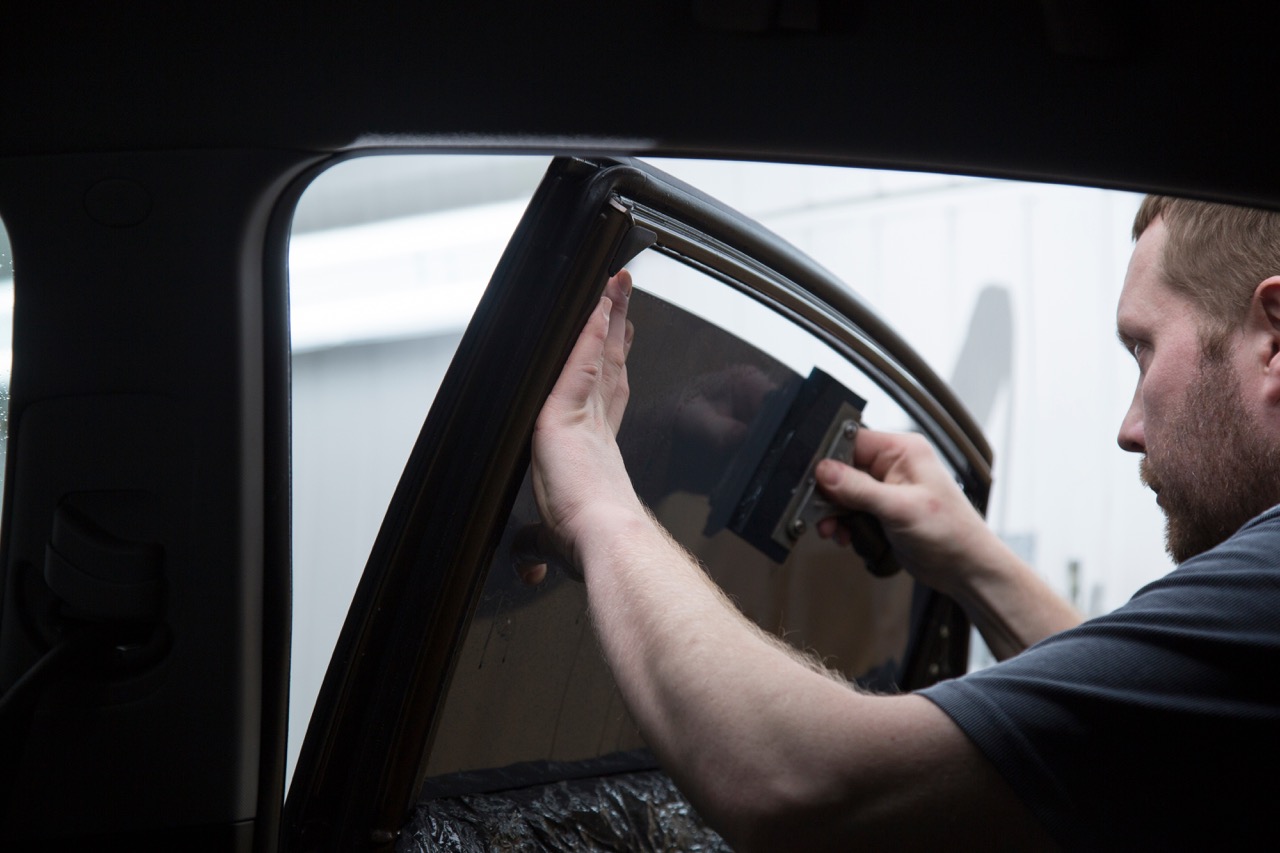
Professional tint installers overcome these challenges by working in temperature-controlled environments, using specialized equipment such as heat guns or infrared lamps, and adjusting their installation techniques to ensure a smooth, long-lasting finish.
So while winter may require a little more patience, it certainly isn’t a reason to postpone tinting your vehicle.
How Does Cold Weather Affect Window Tint Installation?
Understanding how temperature influences window tint installation helps explain why winter installations require extra attention.
Slower Adhesive Activation
The adhesive used on window tint film performs best in moderate temperatures. In colder conditions, it takes longer to activate and bond securely to the glass.
This slower curing process means:
- Moisture remains beneath the film longer.
- The tint appears hazy or cloudy during curing.
- Complete bonding takes additional time.
Although this is perfectly normal, proper aftercare becomes even more important during winter.
Reduced Film Flexibility
Cold temperatures cause window film to stiffen, making it more difficult to stretch and conform to curved glass surfaces.
Without proper handling, installers may encounter:
- Creases
- Wrinkles
- Edge lifting
- Uneven alignment
Experienced professionals compensate by carefully warming the film before application.
Increased Moisture and Condensation
Cold air often creates condensation on vehicle windows. Moisture trapped between the glass and the tint film can lead to:
- Temporary bubbles
- Cloudy patches
- Longer drying times
Controlled indoor environments significantly reduce these issues
Why Winter Is Actually a Great Time to Tint Your Car Windows
Many people wait until summer to tint their vehicles, but winter offers several surprising benefits.
Reduced Winter Glare
Winter sunlight sits much lower in the sky, creating intense glare, especially when reflecting off snow, wet roads, or ice.
Quality window tint helps reduce:
- Eye strain
- Sun glare
- Driving fatigue
- Visibility issues
For drivers who commute during sunrise or sunset, this improvement can make winter driving considerably safer.
Better Heat Retention
Many drivers associate window tint with keeping vehicles cool during summer.
However, premium window films also help retain interior heat during colder months.
This additional insulation means:
- A warmer cabin
- Reduced heat loss through glass
- Less reliance on the heater
- Improved comfort during winter drives
While tint won’t replace your heating system, it contributes to better energy efficiency inside the vehicle.
Year-Round UV Protection
One of the biggest misconceptions is that ultraviolet rays disappear in winter.
In reality, harmful UV rays remain present throughout the year and can still:
- Fade upholstery
- Crack dashboards
- Damage the leather seats
- Accelerate interior aging
Most high-quality automotive window films block up to 99% of harmful UV rays regardless of the season.
Faster Appointment Availability
Summer is the busiest season for window tint shops.
During winter:
- Scheduling is often easier.
- Waiting times are shorter.
- Some installers even offer seasonal promotions.
If you’ve been putting off tinting your vehicle, winter may actually be the most convenient time.
Stay Ready for Summer
Installing tint during winter means your vehicle is already protected before temperatures begin rising.
By the time summer arrives, you’ll already enjoy:
- Cooler interiors
- Reduced solar heat gain
- Lower glare
- Maximum UV protection
What Is the Best Temperature for Window Tint Installation?
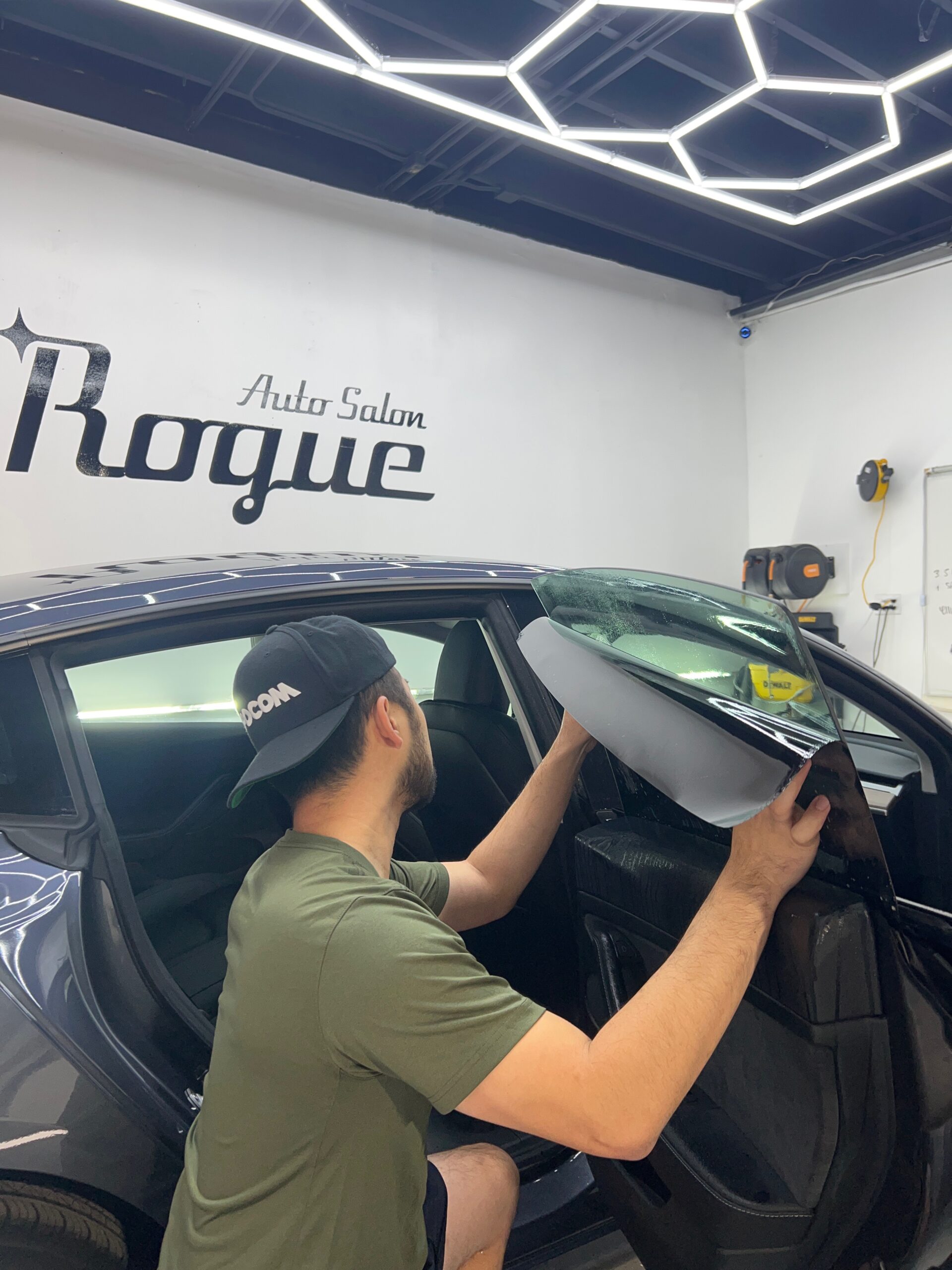
The ideal temperature for installing automotive window tint generally falls between 40°F and 70°F (4°C to 21°C).
Within this range:
- Adhesives activate efficiently.
- Moisture evaporates evenly.
- Tint remains flexible.
- Installation becomes easier.
Professional installers typically maintain indoor workspaces between 68°F and 80°F (20°C to 27°C) to create optimal installation conditions regardless of outdoor weather.
What Happens When It’s Too Cold?
When outdoor temperatures fall below approximately 40°F (4°C), several challenges become more noticeable.
These include:
- Slower adhesive curing
- Increased condensation
- Reduced film flexibility
- Longer drying periods
- Greater risk of contamination
Fortunately, these problems are manageable with proper equipment and installation techniques.
How Professionals Successfully Tint Windows During Winter
Professional installers rarely avoid winter tinting because they have the tools and experience to manage cold-weather conditions.
Their process often includes:
Heated Indoor Installation Bays
Rather than working outside, professionals install tint in climate-controlled garages where temperature and humidity remain consistent.
This dramatically improves adhesion and curing.
Heat Guns and Infrared Lamps
Heat guns soften the film, allowing it to conform smoothly to curved windows.
Infrared lamps help accelerate adhesive activation and moisture evaporation after installation.
Moisture Control
Professional shops carefully clean and dry glass surfaces while minimizing airborne dust and condensation.
This helps prevent:
- Air bubbles
- Dust contamination
- Edge lifting
Adjusted Installation Techniques
Experienced installers work more slowly during winter, allowing extra time for:
- Positioning the film
- Removing moisture
- Heat shrinking
- Edge finishing
These small adjustments ensure excellent long-term performance.
How Long Does Window Tint Take to Cure in Winter?
One of the biggest differences between summer and winter tinting is curing time.
Summer
Warm temperatures allow moisture to evaporate quickly.
Typical curing time:
- 2 to 5 days
Winter
Lower temperatures slow evaporation.
Typical curing time:
- Around 1 week for initial curing
- Up to 2–4 weeks for complete curing, depending on weather, humidity, sunlight exposure, and film type
During this period, temporary haziness or small water pockets are completely normal and usually disappear as the adhesive finishes curing.
Essential Winter Window Tint Aftercare
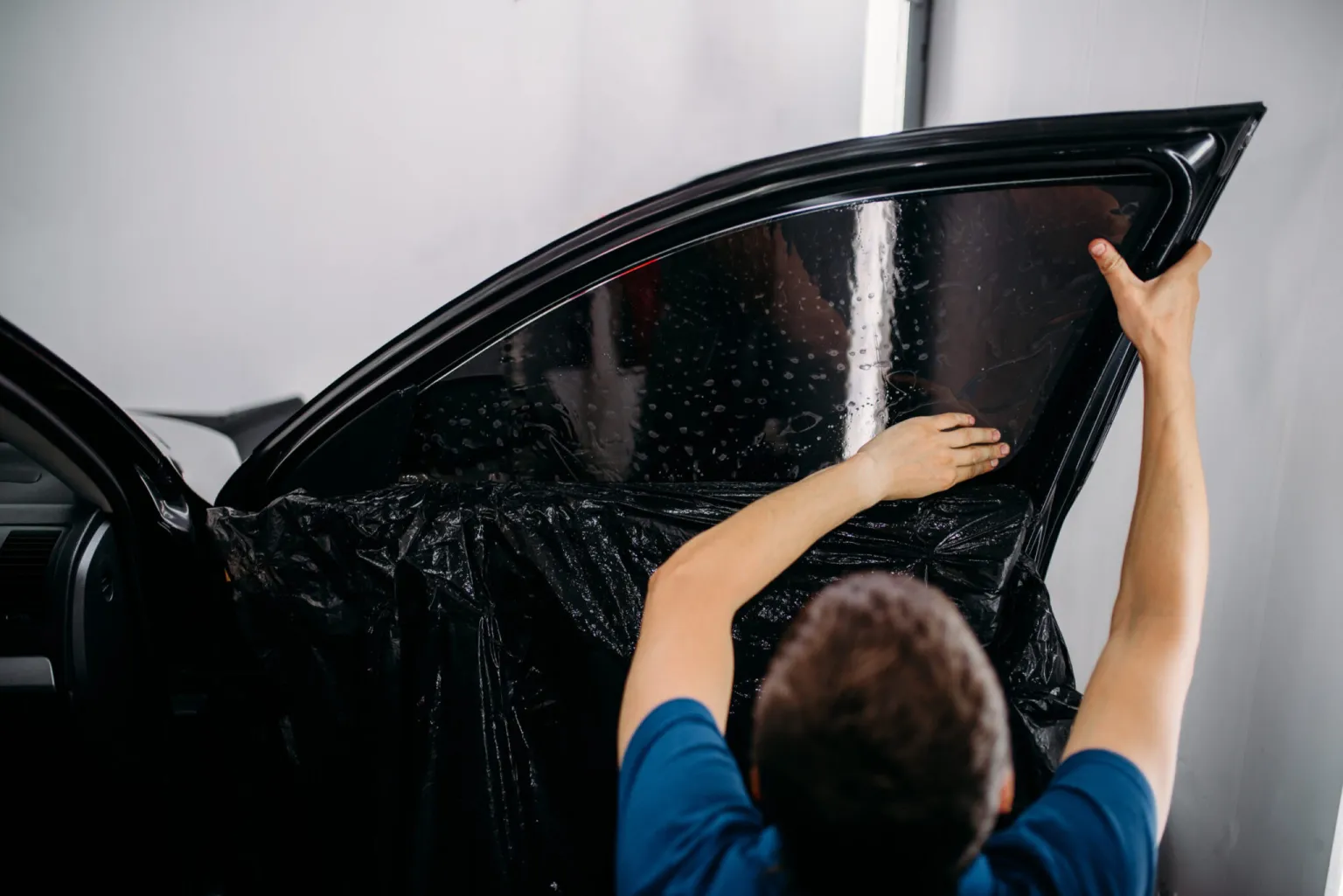
Proper aftercare plays a major role in ensuring a successful installation.
Keep Windows Closed
Avoid rolling windows down for at least 5 to 7 days, or longer if recommended by your installer.
Premature movement may:
- Shift the film
- Create bubbles
- Lift edges
Avoid Washing Your Vehicle Immediately
Wait approximately one week before washing your car.
This prevents excessive moisture from interfering with the curing process.
If possible, keep the vehicle parked indoors during the first several days.
Use Gentle Cleaning Products
Once curing is complete, clean your windows using:
- Ammonia-free cleaners
- Soft microfiber cloths
Avoid abrasive materials that could scratch the tint film.
Watch for Temporary Changes
During curing, you may notice:
- Small water bubbles
- Slight cloudiness
- Minor hazing
These usually disappear naturally.
However, if bubbling or peeling persists after full curing, contact your installer.
Can You Tint Windows in the Cold Yourself?
Technically, yes, but it’s considerably more difficult.
DIY window tint installation becomes much more challenging during winter because cold temperatures make the film less forgiving.
Common DIY problems include:
- Wrinkles
- Air bubbles
- Misalignment
- Torn film
- Premature peeling
Without access to heated workspaces, professional-grade heat guns, or installation experience, achieving factory-quality results becomes difficult.
In many cases, installation mistakes require completely removing the film and purchasing new material, making DIY attempts more expensive than expected.
Common Myths About Winter Window Tinting
Myth 1: Window Tint Won’t Stick in Cold Weather
False.
Modern automotive window films are designed to perform across a wide range of temperatures when installed correctly.
Myth 2: Cold Weather Damages Window Tint
False.
High-quality window tint is built to withstand freezing winters and hot summers without losing performance.
Myth 3: Winter Tint Never Fully Cures
False.
Cold weather simply extends curing time.
With patience and proper care, winter-installed tint performs just as well as summer installations.
Signs Your Winter Tint Is Curing Properly
After installation, it’s normal to notice temporary imperfections.
Healthy curing often includes:
- Slight haziness
- Small moisture pockets
- Light cloudiness
As moisture evaporates, these gradually disappear.
Contact your installer only if you notice:
- Persistent peeling
- Large bubbles after several weeks
- Significant edge lifting
- Cracks in the film
Frequently Asked Questions
Can you tint windows in the cold?
Yes. Professional installers can successfully tint vehicle windows during winter using heated indoor facilities and specialized equipment. The process simply requires longer curing times than warm-weather installations.
How long should I wait before rolling my windows down?
Most installers recommend waiting at least 5 to 7 days, although colder weather may require up to two weeks for added safety.
Does winter window tint provide UV protection?
Absolutely. Quality window tint blocks up to 99% of harmful UV rays throughout every season, including winter.
Is winter a good time to schedule window tinting?
Yes. Winter often means shorter wait times, greater appointment availability, and sometimes seasonal discounts while providing the same long-term benefits as summer installations.
Should I install window tint myself during winter?
Unless you have professional tools and experience, hiring a certified installer is generally the better choice. Cold-weather installations require precise handling, temperature control, and patience to achieve lasting results.
Final Thoughts
So, can you tint windows in the cold? Absolutely. Winter conditions may slow the curing process and require a few additional precautions, but they don’t prevent a successful installation.
With today’s advanced window films, climate-controlled installation methods, and proper aftercare, cold-weather window tinting delivers the same long-term performance as installations completed during warmer months.
Beyond simply improving your vehicle’s appearance, winter window tinting enhances comfort, reduces glare, protects your interior from harmful UV rays, and helps retain cabin warmth during colder drives.
If you’re considering window tinting, there’s no need to wait for spring. Choosing a reputable professional and following the recommended care instructions will ensure your tint looks great and performs reliably all year long.