Autocare
Can You Install Ceramic Window Tint Over Existing Tint?
Installing Ceramic Tint Over Existing Window Tint
Ceramic tint over existing tint is technically possible in some situations, but installing a new layer of window film over an existing aftermarket tint is not usually the best solution. Although adding another layer may make your windows darker, it can introduce concerns involving adhesion, optical clarity, visibility, warranty coverage, and long-term performance.
If your current tint is fading, bubbling, peeling, or simply not providing the heat rejection you want, you may be wondering whether you can apply ceramic tint directly over it instead of paying to remove the old film. The answer depends on what’s already installed, the condition of the existing film, and the recommendations of the film manufacturer and installer.
At Rogue Auto Salon in San Jose, California, drivers can explore professional window tinting services featuring Rayno Phantom S5 Carbon and Phantom S9 Ceramic films. Before deciding whether to upgrade your tint, it’s important to understand when layering may be possible, why removing old film is generally preferred, and how to choose the right replacement.
Can You Put Ceramic Tint Over Existing Window Tint?
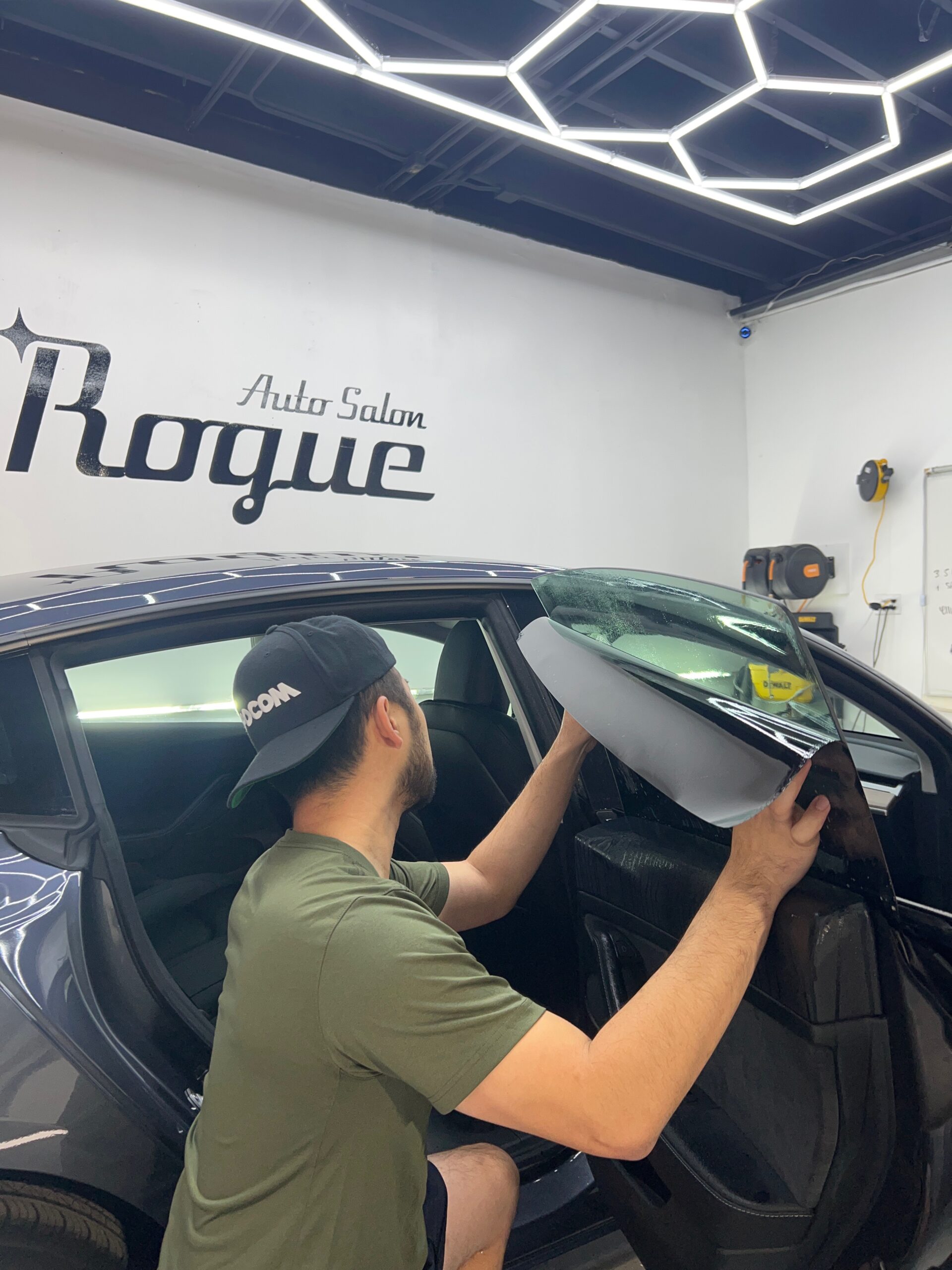
Yes, ceramic window tint can sometimes be installed over existing aftermarket tint, but it is generally preferable to remove the old film and install the new tint directly onto properly prepared glass.
Automotive window film is designed to adhere to a suitable glass surface. When you install a second layer over an existing film, the new installation depends on the condition and stability of the original layer underneath it.
If the original tint has weak adhesive, trapped contamination, bubbles, peeling edges, or discoloration, adding another layer will not correct those problems. They may remain visible or affect the appearance and durability of the new installation.
Even when the existing tint looks acceptable, its manufacturer, age, adhesive condition, and installation history may be unknown.
For these reasons, professional installers generally prefer removing old aftermarket tint before applying a new ceramic film. An installer may consider layering in a particular situation, but the existing film, glass, product compatibility, and warranty implications should be evaluated first.
What If You Already Have Factory-Tinted Windows?
Factory privacy glass is different from aftermarket window film.
Factory-tinted glass typically gets its color from the glass itself rather than from a removable film attached to the interior surface. Because there is no existing aftermarket film layer to adhere to, applying suitable automotive window film over factory privacy glass is a common installation practice.
For example, an SUV may have dark factory privacy glass on its rear windows. Adding ceramic window film can provide additional solar-control performance, depending on the film selected and the glass combination.
However, factory privacy glass and aftermarket film affect the final visible light transmission differently. The combined result may be darker than expected, so the installer should assess the existing glass and proposed film before installation.
The key distinction: Applying ceramic tint over factory privacy glass is not the same as applying ceramic tint over an existing aftermarket film.
Why Do Installers Recommend Removing Old Tint First?
Removing existing aftermarket tint gives the installer a clean, predictable surface for the new film. It also makes it easier to inspect the glass and identify problems that might otherwise remain hidden.
Here are the main reasons professional tint removal is usually preferred.
1. Better Adhesion and Installation Quality
Window film relies on suitable surface preparation and proper adhesion to maintain a smooth, uniform appearance.
When new ceramic tint is applied over old film, the installer must rely on the condition of the underlying layer. If that layer is deteriorating or poorly bonded, the new film may not remain stable over time.
Removing the old tint allows the installer to clean the glass, address adhesive residue, and prepare the surface according to the new film manufacturer’s installation instructions.
This does not guarantee that every replacement installation will be perfect, but it provides a more controlled starting point.
2. Reduced Risk of Bubbles and Visible Imperfections
Bubbles, creases, peeling edges, and contamination in existing tint can interfere with the appearance of a new layer.
Applying ceramic film over a failing installation does not repair the original adhesive or remove trapped debris. Depending on the condition of both layers, imperfections may remain visible or become more noticeable.
For example, if your current tint has begun bubbling near the edges, covering it with another film is unlikely to provide a reliable long-term solution.
The better approach is to identify the cause of the deterioration, remove the old film, prepare the glass, and install the replacement correctly.
3. More Predictable Optical Clarity
Your windows need to provide adequate visibility in changing lighting conditions, particularly at night and in poor weather.
Adding another film layer changes the amount of visible light passing through the glass. It can also introduce additional opportunities for distortion or visible imperfections if either layer is damaged or poorly installed.
Quality films do not automatically produce distortion simply because they are layered. However, the condition of the underlying film and the combined optical performance need to be considered.
For drivers already experiencing hazy, scratched, or discolored tint, removing the old film is generally a better starting point than covering the problem.
4. Warranty and Product Compatibility
Window film warranties have specific terms and conditions. Installing one film over another may fall outside the approved installation method for a particular product.
Before proceeding, ask the installer and film manufacturer whether the proposed combination is permitted and what warranty coverage applies.
Do not assume that a new ceramic film’s standard warranty automatically covers problems involving an existing aftermarket layer.
Removing the old film and installing the replacement according to the manufacturer’s instructions generally makes it easier to establish which product was installed and what coverage applies.
Does Ceramic Tint Over Existing Tint Improve Heat Rejection?
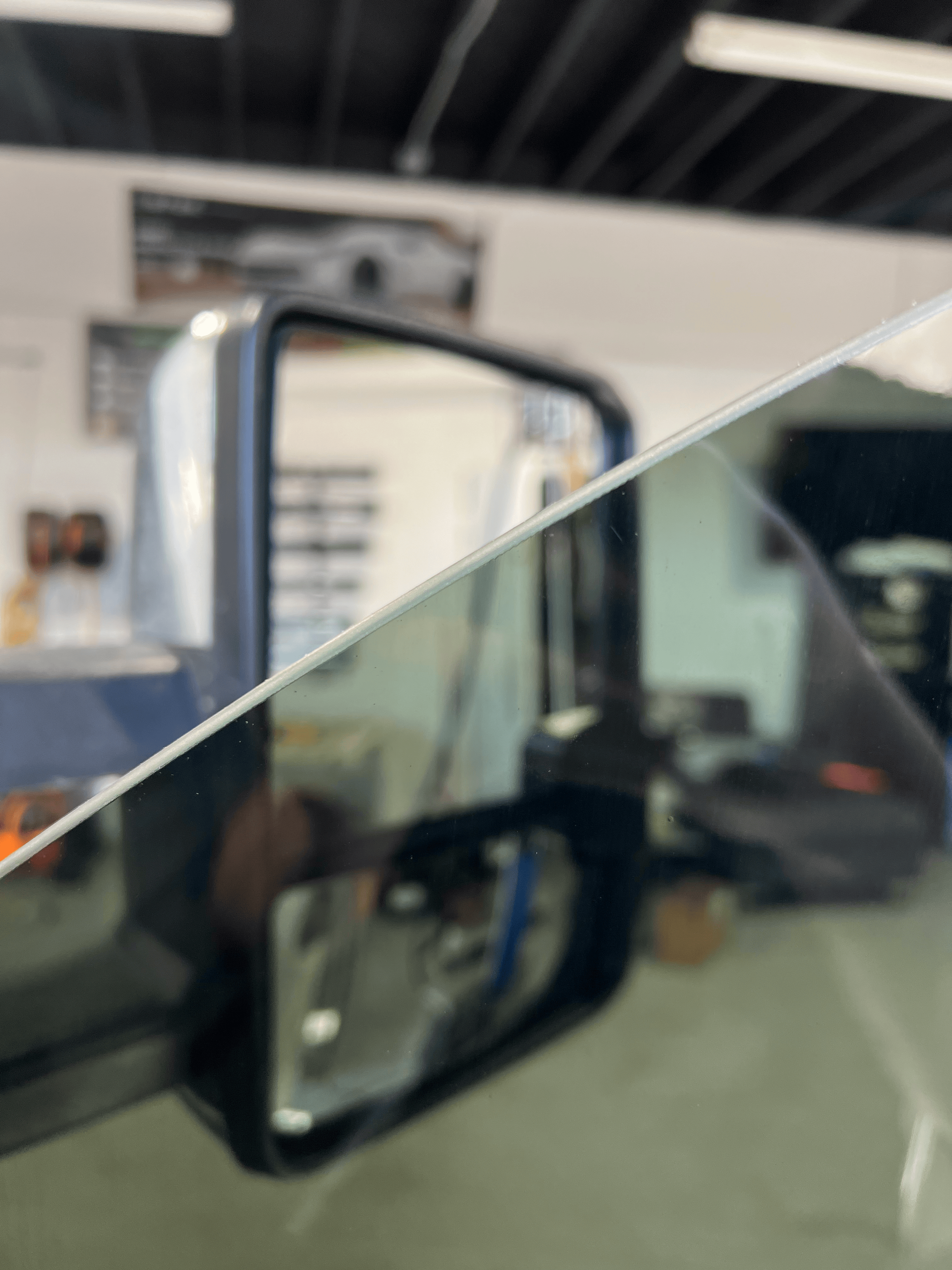
Adding a second layer of ceramic tint does not automatically provide a worthwhile improvement in heat rejection.
Ceramic window films use engineered materials to manage portions of the solar spectrum, including infrared radiation. However, performance depends on the specific film, its specifications, the glass, and the overall installation.
If your existing tint is not performing as expected, installing a second layer without identifying the problem may not address the underlying issue.
For example, you may have a lower-performance film, a product that has deteriorated, or expectations that do not match the film’s actual specifications.
Before upgrading, compare the manufacturer’s data for total solar energy rejected (TSER), infrared performance, ultraviolet (UV) rejection, and visible light transmission (VLT). These measurements describe different aspects of film performance and should not be treated as interchangeable.
For a deeper explanation, see Rogue Auto Salon’s guide to how much heat ceramic tint blocks.
If heat rejection is your main concern, selecting an appropriate ceramic film and installing it correctly is generally a more dependable approach than adding another layer to an unknown product.
Will Adding Ceramic Tint Make My Windows Too Dark?
It can. Installing another film layer reduces the amount of visible light that passes through the window, although the exact result depends on the transmission of the original glass and both films.
Visible light transmission, or VLT, is the percentage of visible light that passes through a window. A lower VLT generally means a darker appearance.
When two films are layered, their light transmission values interact. As a simplified illustration, two idealized film layers transmitting 50% of the light each would transmit approximately 25% together before accounting for the actual glass and other optical effects.
That is only a mathematical illustration, not a prediction for your vehicle. Real-world results depend on the actual films, existing glass, measurement method, and installation.
This matters because a window that looks acceptable in daylight may provide inadequate visibility at night when additional film is applied.
California also has specific vehicle window-tint requirements, including restrictions that depend on the window and vehicle. Before changing your tint, confirm that the final installation complies with applicable California law rather than assuming that each film layer is legal individually.
Rogue Auto Salon’s existing window tint buying guide provides additional context on tint darkness, visibility, and choosing an appropriate shade.
When Should You Remove Old Tint Before Installing Ceramic Film?
Removing the existing aftermarket tint is generally the better choice in the following situations.
Existing tint condition | Recommended approach |
Bubbling or peeling | Remove the failing film before installing a replacement. |
Purple, discolored, or faded | Inspect and remove the deteriorated film rather than covering it. |
Scratched or visibly hazy | Assess the film and glass, then prepare the surface for replacement. |
Unknown brand or age | Have the installer evaluate the existing layer; removal provides a more predictable starting point. |
Not blocking enough heat | Compare the actual film specifications and consider a properly selected replacement. |
In good condition but too light | Discuss removal and replacement with the installer before considering layering. |
Factory privacy glass | Suitable aftermarket film can commonly be installed over the glass, subject to compatibility and legal requirements. |
Even if your current tint looks fine, removal may still be the preferred option when upgrading to a premium ceramic product. An inspection can help determine whether the existing film is suitable for any alternative installation method.
How Much Does It Cost to Remove Old Tint Before Re-Tinting?
The cost of removing old window tint depends on several factors, including the number of windows, vehicle type, condition of the film, adhesive residue, and complexity of the glass.
A vehicle with a few side windows may require less labor than a full vehicle with deteriorated film and a large rear windshield. Rear-window removal can require particular care because the glass may have integrated defroster lines.
When comparing quotes, ask whether the price includes:
- Removal of the existing film.
- Removal of remaining adhesive.
- Glass cleaning and surface preparation.
- Installation of the replacement ceramic film.
- The applicable film and installation warranty.
You can review Rogue Auto Salon’s existing auto tint removal cost guide for additional information about the factors that affect removal pricing.
Rather than choosing a second layer simply to avoid removal costs, compare the total cost of each option with the installation quality, product compatibility, and warranty coverage in mind.
What Is the Best Way to Upgrade to Ceramic Window Tint?
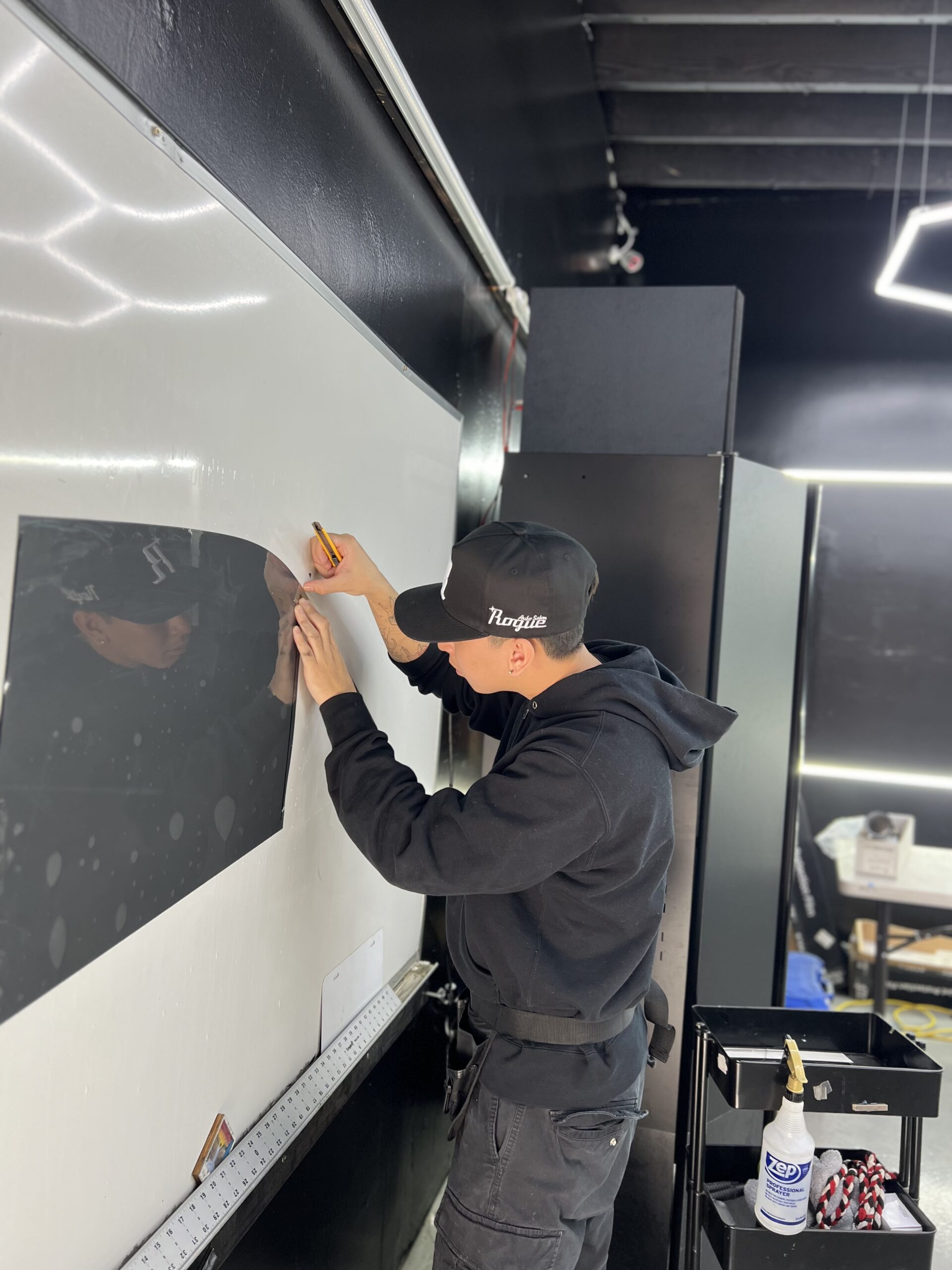
If you want to upgrade your existing tint, follow a process that prioritizes the condition of the glass and the performance you want from the new film.
Step 1: Identify Your Current Tint
If possible, determine whether your windows have factory privacy glass, aftermarket film, or both. If you purchased the vehicle used, you may not know the existing film’s brand, age, or specifications.
An installer can inspect the windows and help identify the most appropriate next step.
Step 2: Decide What You Want to Improve
Are you looking for better heat rejection, a different shade, improved clarity, or replacement of damaged film?
The answer matters because different concerns call for different solutions. If heat rejection is your priority, compare the specifications of the replacement film rather than selecting it based solely on darkness.
Step 3: Have the Existing Film Evaluated
An installer should inspect the film for bubbling, peeling, discoloration, contamination, and other signs of deterioration.
They should also consider the glass itself and any rear-window defroster lines before recommending a removal method.
Step 4: Remove and Replace When Appropriate
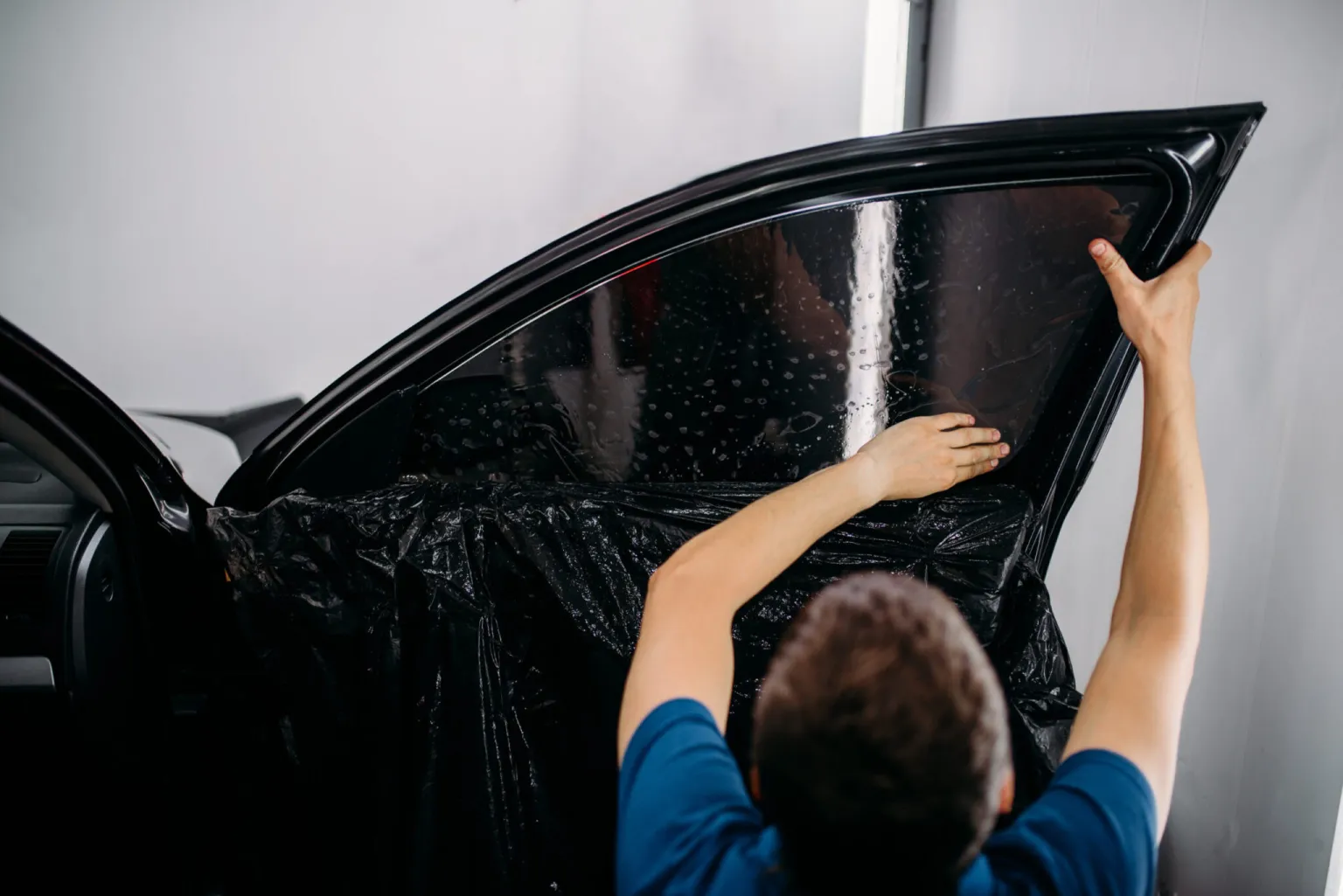
For a conventional replacement, the preferred process is to remove the old aftermarket film, clean the glass, remove residual adhesive, and install the new ceramic film according to the manufacturer’s instructions.
This allows the installer to work with a properly prepared surface instead of relying on an unknown underlying layer.
Step 5: Confirm Specifications and Warranty
Before approving the job, confirm the film series, selected VLT, relevant performance specifications, applicable warranty, and compliance with California’s window-tint rules.
At Rogue Auto Salon, drivers can explore the available window tinting options and discuss which film best suits their vehicle and priorities.
Frequently Asked Questions
Can you put ceramic tint over regular window tint?
It may be technically possible in some situations, but it is generally preferable to remove existing aftermarket tint first. The condition of the old film, compatibility, adhesion, optical clarity, and warranty terms should be assessed before layering.
Can you put ceramic tint over factory privacy glass?
Suitable aftermarket ceramic film can commonly be installed over factory privacy glass because the darkness is part of the glass rather than a separate aftermarket film. The installer should verify compatibility and calculate the resulting VLT.
Can you put new tint over old tint to make it darker?
Adding a second layer can make windows darker, but the final light transmission depends on the existing glass and both films. The result may be too dark for safe night driving or may fail to comply with applicable tint laws.
Does ceramic tint over existing tint provide better heat rejection?
Not necessarily. The result depends on the specifications of both films and the glass. A properly selected ceramic film installed according to the manufacturer’s instructions is generally a more predictable solution than layering film to address an unknown performance issue.
Will new tint hide bubbles in old tint?
No. A new layer does not repair the adhesive or remove contamination underneath existing film. Failing tint should generally be removed before replacement.
Should I remove old tint before upgrading to ceramic?
In most cases, yes. Removing aftermarket film allows the installer to inspect and prepare the glass and install the new film directly onto the appropriate surface. An installer can advise whether any alternative is suitable for your particular vehicle.
Final Verdict: Should You Install Ceramic Tint Over Existing Tint?
Although ceramic tint over existing tint may be possible in certain circumstances, layering is generally not the preferred way to upgrade automotive window film.
Removing the existing aftermarket tint and installing new ceramic film on properly prepared glass provides a more predictable foundation for adhesion, clarity, performance, and warranty coverage. It also allows the installer to address deteriorated film rather than covering up its symptoms.
If your current tint is too light, no longer performing as expected, or beginning to deteriorate, start by having the existing film and glass inspected. Then compare suitable ceramic films based on verified performance specifications, visibility, budget, and applicable California requirements.
Ready to upgrade your window tint? Visit Rogue Auto Salon’s window tinting service page to explore available film options and request guidance on the right solution for your vehicle.