Best Tints to Get for Your Car: Types, Shades, and Buying Guide
Everything You Need to Know Before Choosing the Perfect Window Tint
Choosing the best tints to get for your car isn’t just about achieving a sleek, stylish appearance; it’s a decision that directly impacts your comfort, safety, driving visibility, and even your vehicle’s long-term value.
Many car owners rush into tinting based on aesthetics alone, only to realize later that their choice doesn’t perform well in heat, reduces visibility at night, or doesn’t comply with local laws.
This guide will help you understand everything you need to know so you can confidently choose the right tint for your needs.
Why Window Tinting Matters More Than You Think
Before diving into the best tints to get, it’s important to understand why tinting is such a valuable upgrade.
A high-quality window tint offers multiple benefits:
Heat reduction: Blocks infrared radiation, keeping your car cooler and reducing reliance on air conditioning
UV protection: Shields passengers and interior surfaces from harmful rays that cause fading and damage
Glare reduction: Improves visibility and reduces eye strain while driving
Enhanced privacy: Makes it harder for outsiders to see inside your vehicle
Improved aesthetics: Gives your car a clean, modern, and premium look
The key takeaway? Tinting is not just cosmetic, it’s a practical investment in comfort and protection.
Understanding Tint Percentages (VLT) Before You Choose
When exploring the best tints to get, you’ll come across the term VLT (Visible Light Transmission).
VLT% measures how much light passes through your windows
Lower VLT = darker tint
Higher VLT = lighter tint
For example:
50% VLT allows half the light in
20% VLT creates a much darker appearance
Understanding this scale is crucial because it affects:
Visibility (especially at night)
Legal compliance
Privacy and appearance
Best Tints to Get Based on Shade Levels
1. Light Tints (50–70% VLT)
Light tints are ideal if you want subtle improvements without dramatically changing your car’s look.
Benefits:
Excellent visibility (day and night)
Usually legal in most regions
Good UV protection
Maintains original appearance
Best for:
First-time users
Professional or conservative drivers
Areas with strict tint laws
Even though they are lighter, high-quality films can still provide noticeable heat reduction.
2. Medium Tints (35–50% VLT)
Medium shades are widely considered the best tints to get for most drivers because they offer a balanced experience.
Benefits:
Good mix of privacy and visibility
Effective glare reduction
Stylish but not overly dark
Lower risk of legal issues
Best for:
Daily commuters
Drivers who want both performance and aesthetics
Mixed driving conditions
If you’re unsure where to start, this range is the safest and most versatile option.
3. Dark Tints (5–35% VLT)
Dark tints are popular for their bold look and strong performance.
Benefits:
Maximum privacy
Superior heat rejection
Strong glare reduction
Sleek, high-end appearance
Drawbacks:
Reduced visibility at night
Higher chance of violating tint laws
Requires more careful driving
Best for:
Hot climates
Enthusiasts seeking a bold look
Rear windows where laws are more flexible
The Truth About Tint Performance: It’s Not Just About Darkness
A common misconception is that a darker tint equals better performance. In reality, the best tints to get depend more on film quality and technology than shade alone.
High-quality films:
Block up to 99% of UV rays
Reduce heat by targeting infrared radiation
Maintain clarity even at lighter shades
This means you can get excellent performance without going extremely dark.
Types of Window Tint Films You Should Know
When choosing the best tints to get, understanding film types is just as important as choosing the right shade.
1. Dyed Films
Basic and budget-friendly
Provide appearance enhancement
Less effective at heat rejection
May fade over time
2. Carbon Films
Matte finish with improved durability
Better heat reduction than dyed films
Long-lasting performance
3. Ceramic Films
Advanced technology with superior performance
Excellent heat and UV blocking
Maintains visibility and clarity
Doesn’t interfere with electronics
Among these, ceramic and carbon films are generally considered the best long-term investments.
Choosing Tint Color: More Than Just Black
While black or charcoal is the most popular option, modern tinting offers a range of colors.
Popular Options:
Charcoal/Black: Timeless and versatile
Bronze: Complements warmer car colors
Blue: Modern, high-tech look
Neutral/Ceramic: Clean, natural appearance
How to Choose:
Match the tint tone with your car’s paint
Stick with neutral tones for universal appeal
Avoid colors that clash with your vehicle
Best Tints to Get Based on Climate
Your environment plays a major role in determining the right tint.
Hot & Sunny Climates
Darker or high-performance films
Strong heat rejection is essential
UV protection is a priority
Moderate Climates
Medium tints (35–50% VLT) work best
Balanced performance year-round
Cold Climates
Lighter tints for better visibility
Focus on UV protection rather than heat
Legal Considerations You Can’t Ignore
No matter what you think are the best tints to get, your choice must comply with local laws.
General legal guidelines often include:
Restrictions on how dark front windows can be
More flexibility for rear windows
Limits on windshield tint (usually top strip only)
Prohibited colors in some regions
Ignoring these rules can lead to:
Fines
Mandatory tint removal
Repeated penalties
Smart approach:
Use lighter tints on front windows
Go darker on rear windows if allowed
Always confirm local regulations before installing
How Your Car Type and Color Affect Tint Choice
Dark-Colored Cars
Works well with all tint levels
Create a sleek, uniform look
Light-Colored Cars
Benefit from medium to dark tints for contrast
Extremely dark shades may look too harsh
Bright-Colored Cars
Require careful color matching
Neutral tints are usually safest
Best Tints to Get Based on Lifestyle
Your daily driving habits should guide your decision.
Daily Commuters
Medium tint for comfort and visibility
Reduces glare and heat during long drives
Families
Darker rear windows for privacy and protection
Lighter front windows for safety
Professionals
Light to medium tint for a subtle look
Maintains a clean, understated appearance
Car Enthusiasts
Premium films (ceramic/carbon)
Custom shade combinations
Common Mistakes to Avoid When Choosing Tint
Many drivers regret their choices due to avoidable mistakes:
Going too dark too quickly
Choosing cheap, low-quality films
Ignoring legal restrictions
Not testing visibility in real conditions
A safer approach:
Start with a moderate tint
Invest in quality materials
Consult professionals
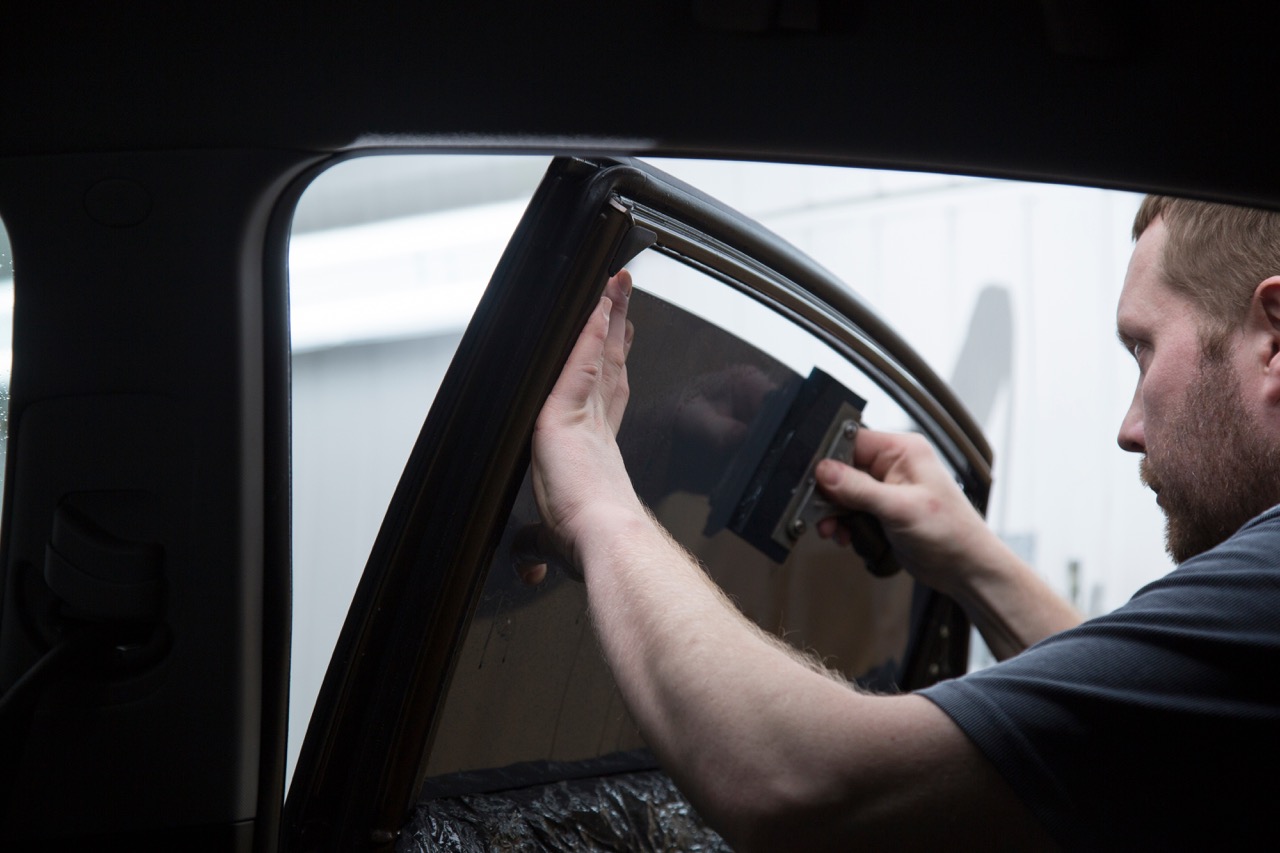
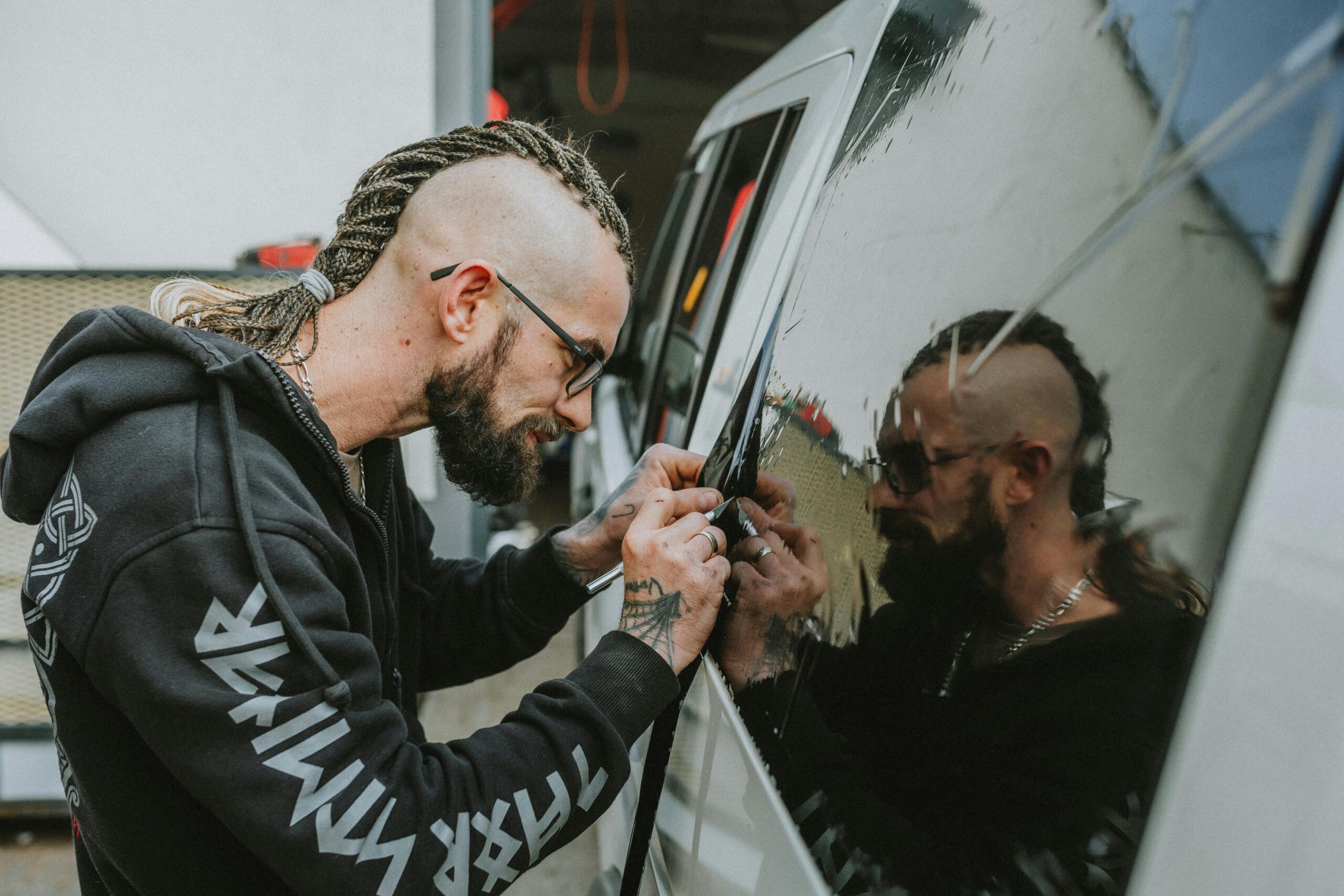
Why Professional Installation Matters
Even if you choose the best tints to get, poor installation can ruin the results.
Benefits of Professional Installation:
Smooth, bubble-free finish
Proper fit and alignment
Long-lasting adhesion
Legal compliance guidance
Warranty protection
DIY tint jobs often lead to:
Peeling
Bubbling
Uneven appearance
In most cases, professional installation is worth the cost.
Does Window Tint Affect Resale Value?
Contrary to popular belief, tinting can actually increase resale value if done correctly.
Positive Impact:
Protects the interior from sun damage
Improves overall appearance
Appeals to many buyers
Negative Impact:
Poor-quality or damaged tint
Extremely dark, illegal shades
The key is choosing high-quality, properly installed tint.
Maintenance Tips for Long-Lasting Tint
To keep your tint looking and performing its best:
Use ammonia-free cleaners
Clean with soft cloths
Avoid abrasive materials
Wait before cleaning after installation
Fix peeling or bubbling early
Proper care can extend the tint’s life to 10–15 years.
Final Thoughts: Choosing the Best Tints to Get
Finding the best tints to get for your car comes down to balancing several factors:
Shade (VLT): Choose based on visibility and preference
Film quality: Prioritize performance over darkness
Legal limits: Always stay compliant
Climate: Match tint to your environment
Lifestyle: Consider how you use your car
For most drivers, a medium (35–50% VLT), high-quality ceramic or carbon tint offers the best combination of style, comfort, and practicality.