Autocare
Does PPF Work on Matte Paint? Matte PPF Guide
Learn how matte PPF protects your car’s unique finish from scratches, stone chips, and road debris while preserving its original matte look.
If you’re wondering, does PPF work on Matte Paint, the answer is yes. PPF can be installed on many matte-painted and matte-finished vehicles, but choosing the right type of paint protection film is critical. Standard glossy clear PPF can change the appearance of a matte surface by adding gloss, while a quality matte or satin PPF is specifically designed to preserve or complement the vehicle’s low-gloss appearance.
This makes matte PPF an especially useful option for owners who want to protect a matte finish without turning it into a glossy one. It can help protect vulnerable painted surfaces from rock chips, road debris, stains, and everyday environmental exposure while maintaining the distinctive look that sets matte paint apart from traditional automotive paint.
Before installing PPF on a matte vehicle, however, consider the finish type, paint condition, film texture, installation technique, maintenance requirements, and whether your goal is to preserve the factory matte appearance or create a different finish.
Does PPF Work on Matte Paint?

Yes, PPF works on matte paint when the appropriate film is selected and properly installed.
The important distinction is between gloss PPF and matte PPF.
Traditional clear PPF is designed to have a highly transparent, glossy appearance. Applying that type of film over matte paint can alter the way light reflects from the surface and may make the paint appear noticeably shinier.
Matte PPF, sometimes called stealth or satin PPF depending on the product and manufacturer, is designed with a low-gloss surface that can help preserve the appearance of matte or satin finishes.
So if you have a factory matte vehicle and your priority is keeping its original appearance, matte PPF is generally the more appropriate choice than conventional glossy PPF.
Can You Put Clear PPF on Matte Paint?
Technically, PPF can be installed over matte paint, but the specific film matters.
A conventional glossy PPF can change the appearance of matte paint because the film itself has a different surface texture and light-reflective quality.
The result may be:
- Increased gloss
- More visible reflections
- A less uniform matte appearance
- A different visual depth
- A mismatch between protected and unprotected panels
This is why simply asking whether PPF can physically adhere to matte paint isn’t enough.
The better question is:
Will the chosen PPF preserve the appearance I want?
If the answer is yes, the installation can be a highly effective way to protect a matte vehicle.
What Is Matte PPF?
Matte PPF is a paint protection film with a low-gloss or matte surface rather than the highly reflective finish associated with traditional clear PPF.
Its purpose is to combine two characteristics:
Paint protection + matte appearance
Depending on the product, matte PPF can help protect against:
- Rock chips
- Road debris
- Minor surface damage
- Bug impacts
- Environmental contaminants
- Staining
- Everyday wear
Premium PPF can also feature self-healing technology, allowing certain light surface marks to diminish with appropriate heat or environmental conditions.
The exact characteristics vary by manufacturer and film series, so it is important to evaluate the specific product rather than assuming every matte PPF behaves identically.
Matte PPF vs Gloss PPF
The biggest difference is appearance.
Feature | Matte PPF | Gloss PPF |
Surface appearance | Low-gloss/matte | Glossy |
Best match | Matte or satin finishes | Gloss paint |
Paint protection | Yes | Yes |
Changes vehicle appearance | Usually preserves or alters toward matte | Adds gloss |
Self-healing | Available on many premium films | Common on premium films |
Maintenance | Requires appropriate care | Requires appropriate care |
Best for | Matte-finish vehicles | Traditional glossy paint |
If you have a factory matte finish, matte PPF is generally the more natural match.
If you have standard gloss paint and want maximum visual clarity, gloss PPF may be the better choice.
Does Matte PPF Change the Look of Matte Paint?
It can, although a properly selected film is designed to minimize unwanted changes.
Even when a film is marketed as matte, the final appearance can vary depending on:
- The original paint
- Paint color
- Paint texture
- Film surface texture
- Lighting
- Installation quality
- Panel shape
- Film age
- Maintenance
A factory matte finish isn’t simply “paint without gloss.” Its appearance comes from the way the surface scatters and reflects light.
Adding another material over that surface can therefore alter its visual characteristics.
For this reason, sample testing is valuable when appearance is particularly important.
A reputable installer can help you evaluate how a particular matte PPF looks over the vehicle’s actual paint before committing to a full installation.
Does Matte PPF Protect Matte Paint?
Yes. This is one of the primary reasons to use PPF on a matte-finish vehicle.
Matte paint can be particularly difficult and expensive to repair cosmetically because traditional paint correction techniques used on glossy finishes aren’t necessarily appropriate for restoring a damaged matte finish.
With a conventional glossy finish, light swirl marks and scratches may sometimes be reduced through polishing.
A matte finish is different.
Aggressively polishing a matte-painted surface can alter its texture and create a visible glossy spot.
That makes prevention particularly valuable.
A protective film can provide a sacrificial barrier between the matte finish and common road hazards.
Why PPF Can Be Especially Valuable on Matte Cars
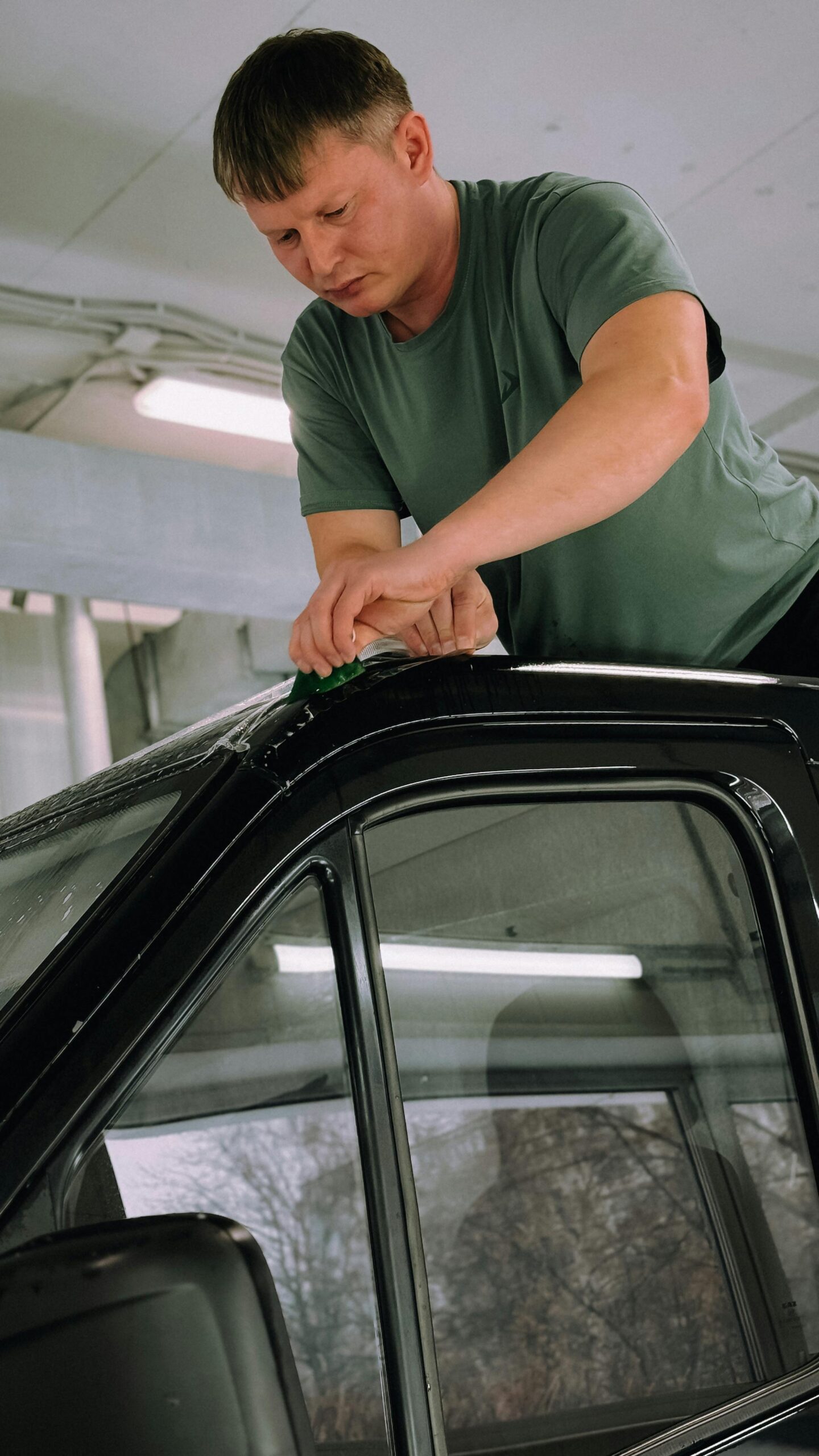
One of the biggest advantages of PPF on matte paint is that it can reduce the need to expose the original matte finish to potentially damaging physical impacts.
Consider a vehicle’s front bumper.
It is constantly exposed to:
- Rocks
- Gravel
- Bugs
- Road debris
- Sand
- Highway contamination
Without protection, an impact can leave a chip or blemish in the matte finish.
Repairing matte paint can be more complicated because matching the exact factory texture and appearance may require specialized refinishing.
PPF doesn’t make the paint invulnerable, but it provides an additional sacrificial layer designed to take much of the everyday abuse.
Rogue Auto Salon’s existing guide on the benefits of Paint Protection Film covers the broader reasons vehicle owners use PPF to preserve painted surfaces.
Can You Polish Matte PPF?
This is an important difference between matte PPF and traditional glossy PPF.
You should not assume that a matte PPF surface can be polished like conventional glossy paint or gloss PPF.
Using inappropriate polishing compounds, machines, or abrasive products can alter the film’s surface appearance.
That can create:
- Glossy spots
- Uneven texture
- Visible panel differences
- Permanent-looking changes to the film’s finish
If matte PPF develops a defect or contamination that you’re unsure how to remove, follow the film manufacturer’s care instructions or consult a professional installer.
Rogue Auto Salon already has a dedicated guide explaining whether PPF can be polished without damage, which is useful for understanding why the maintenance approach depends on the film’s surface.
How Do You Maintain Matte PPF?
Matte PPF requires appropriate washing and maintenance to preserve its appearance.
A good maintenance routine generally includes:
- Regular washing
- Automotive-safe cleaning products
- Soft microfiber wash media
- Prompt removal of bird droppings and contaminants
- Avoiding abrasive products
- Avoiding harsh chemicals
- Following the film manufacturer’s maintenance instructions
The goal is to clean the film without altering its surface texture.
Avoid treating matte PPF like a conventional polished paint surface.
You generally don’t want to introduce products or techniques designed specifically to increase gloss.
Rogue Auto Salon’s step-by-step guide to washing a car with PPF provides additional guidance on safely maintaining PPF.
Can You Wax Matte PPF?
This is another area where product selection matters.
Traditional waxes and products designed to enhance gloss aren’t necessarily appropriate for matte PPF because they can alter the film’s appearance.
Some specialty products are specifically formulated for matte or satin surfaces.
Before applying any wax, sealant, dressing, or coating, check the PPF manufacturer’s recommendations.
The goal with matte PPF is generally to maintain its intended surface appearance—not make it shinier.
Can You Ceramic Coat Matte PPF?
In many cases, a ceramic coating designed for PPF can be applied over matte PPF.
However, you should use a product specifically appropriate for the film and desired finish.
The purpose of coating matte PPF can include:
- Improved hydrophobicity
- Easier cleaning
- Additional surface protection
- Reduced adhesion of contaminants
- Easier maintenance
The important consideration is that the coating should not unintentionally change the appearance of the matte film.
Some coatings can alter the surface characteristics of a film, so product compatibility matters.
If you’re considering combining PPF and ceramic coating, Rogue Auto Salon’s existing PPF vs Ceramic Coating guide explains how these two forms of protection serve different purposes.
Can Matte PPF Be Applied to a Brand-New Car?
Yes, and a new vehicle can be an excellent candidate for PPF.
The advantage is that the paint can be protected before substantial road wear accumulates.
However, “brand new” does not necessarily mean “perfect.”
A new vehicle should still be inspected for:
- Transport damage
- Dealer-installed scratches
- Swirl marks
- Contamination
- Water spots
- Paint imperfections
Any required paint preparation should be addressed before the PPF is installed.
This is particularly important with matte paint because defects can be more difficult to correct after the fact.
Can Matte PPF Be Installed Over Existing Matte Paint?
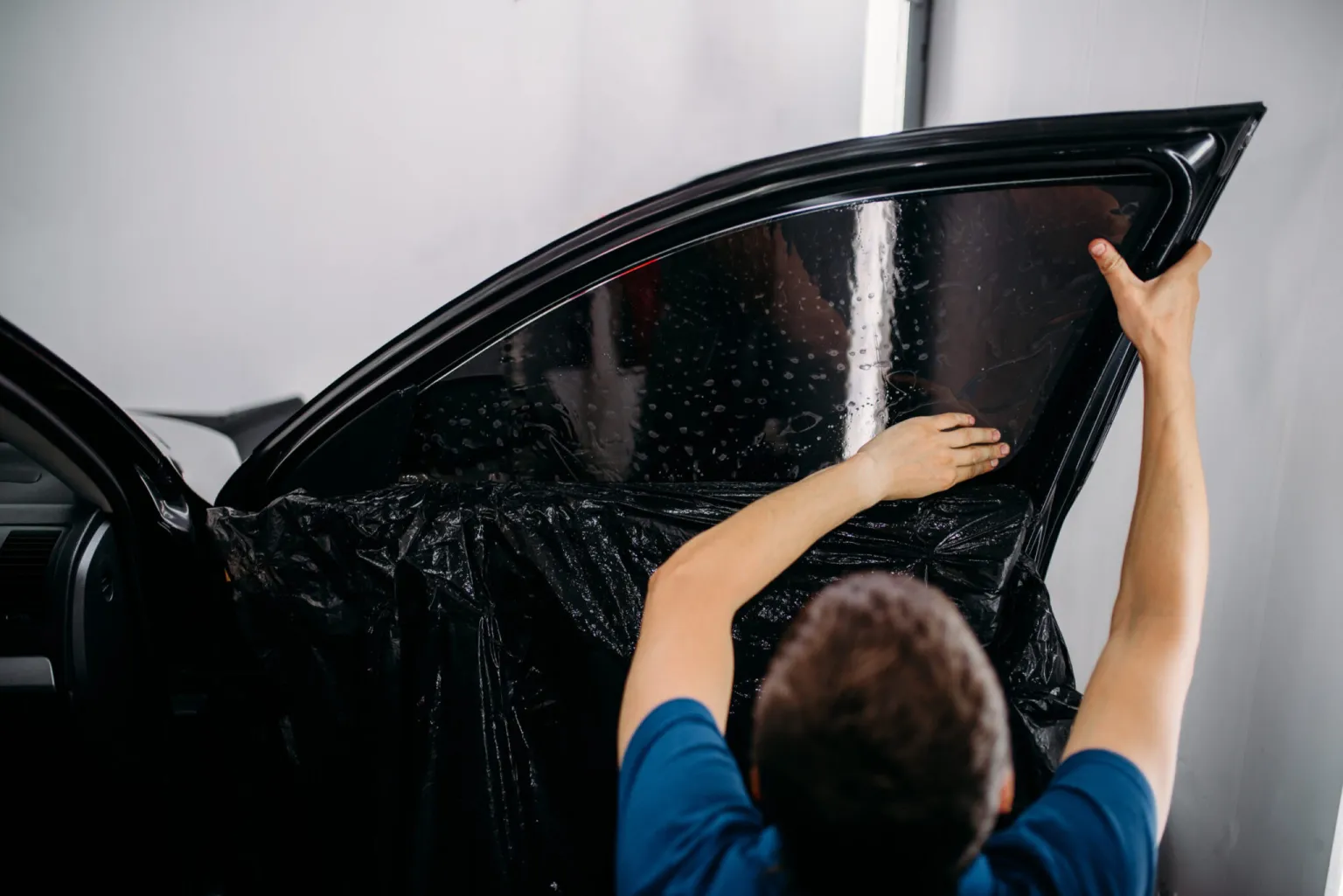
Yes, provided the paint is suitable for film installation.
The surface should generally be:
- Properly cured
- Clean
- Decontaminated
- Structurally sound
- Free of loose or failing paint
Previously repaired or refinished panels deserve additional attention because adhesion and removal characteristics can differ from original factory paint.
A professional installer should inspect the vehicle before installation rather than assuming every painted surface is suitable.
Does Matte PPF Hide Scratches?
Matte PPF is not a replacement for paint repair.
If the underlying paint has significant scratches, dents, chips, or other defects, applying film over them doesn’t necessarily make the damage disappear.
The film may change how the defect is perceived, but it doesn’t restore damaged paint.
The best time to address paint defects is before PPF installation.
This is also why proper surface preparation is such an important part of professional PPF installation.
What Happens When Matte PPF Gets Damaged?
PPF is designed to be a sacrificial layer.
If a section of film becomes heavily damaged by a rock impact, deep scratch, or other event, the damaged section can often be removed and replaced rather than repainting the underlying panel.
That is one of the major advantages of PPF.
The exact repair or replacement process depends on:
- Location of the damage
- Size of the affected area
- Film condition
- Age of the installation
- Paint underneath
- Availability of replacement film
If you’re considering removing older PPF, Rogue Auto Salon’s guide on how to remove PPF safely explains why removal should be handled carefully.
How Long Does Matte PPF Last?
The lifespan of matte PPF depends on the specific film, installation quality, climate, exposure, driving conditions, and maintenance.
Premium PPF products can carry warranties extending several years, with some products offering warranties around a decade.
However, warranty length should not be interpreted as a guarantee that the film will look identical for its entire life under every condition.
Long-term exposure to:
- UV radiation
- Heat
- Environmental contamination
- Harsh chemicals
- Poor washing practices
- Frequent highway driving
can affect the appearance and condition of film.
Rogue Auto Salon’s existing guide on how long PPF lasts provides a broader explanation of the factors that affect PPF lifespan.
Is Matte PPF Worth It?
For many matte-finish vehicle owners, matte PPF can be particularly worthwhile because it combines protection with preservation of the vehicle’s distinctive appearance.
It can make sense if you:
- Own a factory matte vehicle
- Drive frequently on highways
- Want to minimize rock-chip damage
- Want to preserve the original finish
- Don’t want glossy PPF changing the appearance
- Want easier replacement of damaged protective material rather than repainting
It may be less compelling if:
- The vehicle is rarely driven
- The paint is already heavily damaged
- You don’t care about preserving the original finish
- The cost doesn’t fit your ownership plans
As with any protective product, the value depends on the vehicle and how it is used.
Where Should You Install Matte PPF?
You don’t necessarily need to cover every panel.
A targeted installation can focus on the areas most exposed to road debris.
Common high-impact areas include:
- Front bumper
- Hood
- Front fenders
- Side mirrors
- Rocker panels
- Door edges
- Door cups
- Lower body panels
For a vehicle frequently driven on highways, full-front coverage can provide substantially more protection than applying film only to a few small areas.
For maximum protection, full-body PPF is another option.
The right coverage depends on your budget, driving habits, vehicle value, and how strongly you want to preserve the original matte finish.
Rogue Auto Salon offers Paint Protection Film installation, including full-front coverage options using STEK DYNOshield.
Does PPF Work on Matte Paint? Final Verdict
So, does PPF work on matte paint?
Yes. In fact, matte-finish vehicles can be excellent candidates for PPF because protecting the original finish can be especially valuable.
The key is choosing the right type of PPF.
If you install conventional glossy PPF over matte paint, the film can noticeably change the appearance. If preserving the matte appearance is important, a purpose-designed matte or satin PPF is generally the better choice.
The installation itself also matters. Proper surface preparation, film selection, panel coverage, edge finishing, and maintenance all contribute to the final result.
Most importantly, don’t think of matte PPF simply as a transparent shield. It becomes part of the vehicle’s visible finish, so protection and appearance need to be considered together.
For a matte vehicle that sees regular road use, professionally installed matte PPF can provide a practical way to protect vulnerable paint while preserving the low-gloss character that makes the vehicle distinctive.
Frequently Asked Questions About Matte PPF
Does PPF work on matte paint?
Yes. PPF can be installed on matte paint, and matte or satin PPF can be selected to preserve the vehicle’s low-gloss appearance. Standard glossy PPF may make matte paint look shinier.
Will PPF make matte paint glossy?
It depends on the film. Gloss PPF can increase the surface’s reflectivity and make matte paint appear glossy, but it can significantly reduce exposure to conventional glossy paint. Abrasive polishing products and techniques can alter the film’s surface and create unwanted glossy areas. Always follow the film. Matte PPF is specifically designed to maintain a low-gloss appearance.
Is matte PPF better than gloss PPF for matte paint?
If your priority is preserving the factory matte appearance, matte PPF is generally the better match. Gloss PPF may change the vehicle’s appearance by adding shine.
Can matte PPF protect against rock chips?
Yes. PPF is designed to provide a sacrificial protective layer against road debris, rock chips, and other everyday hazards. It cannot prevent every type of damage, but it can significantly reduce exposure of the underlying paint.
Can you polish matte PPF?
You should not treat matte PPF like conventional glossy paint. Abrasive polishing products and techniques can alter the film’s surface and create unwanted glossy areas. Always follow the film manufacturer’s care instructions.
Can you wax matte PPF?
Avoid assuming that traditional automotive wax is suitable. Some products can change the appearance of matte film. Use only products specifically approved for the particular PPF and its finish.
Can matte PPF be ceramic coated?
Many matte PPF products can be ceramic coated with a compatible coating designed for film. The coating should be selected carefully so it doesn’t unintentionally alter the matte appearance.
Does matte PPF hide scratches?
PPF can protect the paint from future damage, but it isn’t a substitute for repairing existing scratches. Significant defects should be evaluated and addressed before film installation.
Is matte PPF harder to maintain?
Matte PPF isn’t necessarily difficult to maintain, but it does require appropriate products and techniques. Abrasive products and gloss-enhancing treatments should generally be avoided unless specifically approved for the film.
How long does matte PPF last?
The lifespan varies by film, installation, climate, UV exposure, driving conditions, and maintenance. Premium PPF products can carry warranties extending several years, with some offering warranties around 10 years.
Is matte PPF worth it?
For owners who want to protect a matte vehicle while preserving its distinctive appearance, matte PPF can be a worthwhile investment. It is particularly useful for vehicles exposed to highway driving, road debris, and environmental contamination.
Can PPF be removed from matte paint?
Yes, PPF can be removed from suitable painted surfaces, but the process should be handled carefully. Film age, adhesive condition, paint condition, and installation quality can all affect removal.