Autocare
PPF vs Vinyl Wrap: What's the Difference and Which Is Better?
Discover the key differences between PPF and vinyl wrap, including protection, appearance, durability, cost, and which option is best for your car.
If you’re comparing PPF vs vinyl wrap, the right choice depends on what you want your vehicle film to do.
Paint Protection Film (PPF) is primarily designed to protect painted surfaces from rock chips, road debris, scratches, stains, and everyday environmental exposure. Vinyl wrap is primarily designed to change your vehicle’s color, finish, or overall appearance.
There is some overlap between the two. Specialty PPF can change the finish of your vehicle, while newer protection-oriented wrap films can provide more physical protection than traditional vinyl. But for the typical comparison, clear PPF versus a conventional color-change vinyl wrap, the two products serve different purposes.
For drivers in San Jose and throughout the Bay Area, the decision usually comes down to three questions:
- Do you want to preserve your original paint?
- Do you want to change your vehicle’s appearance?
- Do you want both customization and additional protection?
Here’s how PPF and vinyl wrap compare in terms of protection, appearance, durability, maintenance, cost, and everyday use.
PPF vs Vinyl Wrap: What's the Difference?
The simplest distinction is:
PPF is primarily for protection. Vinyl wrap is primarily for customization.
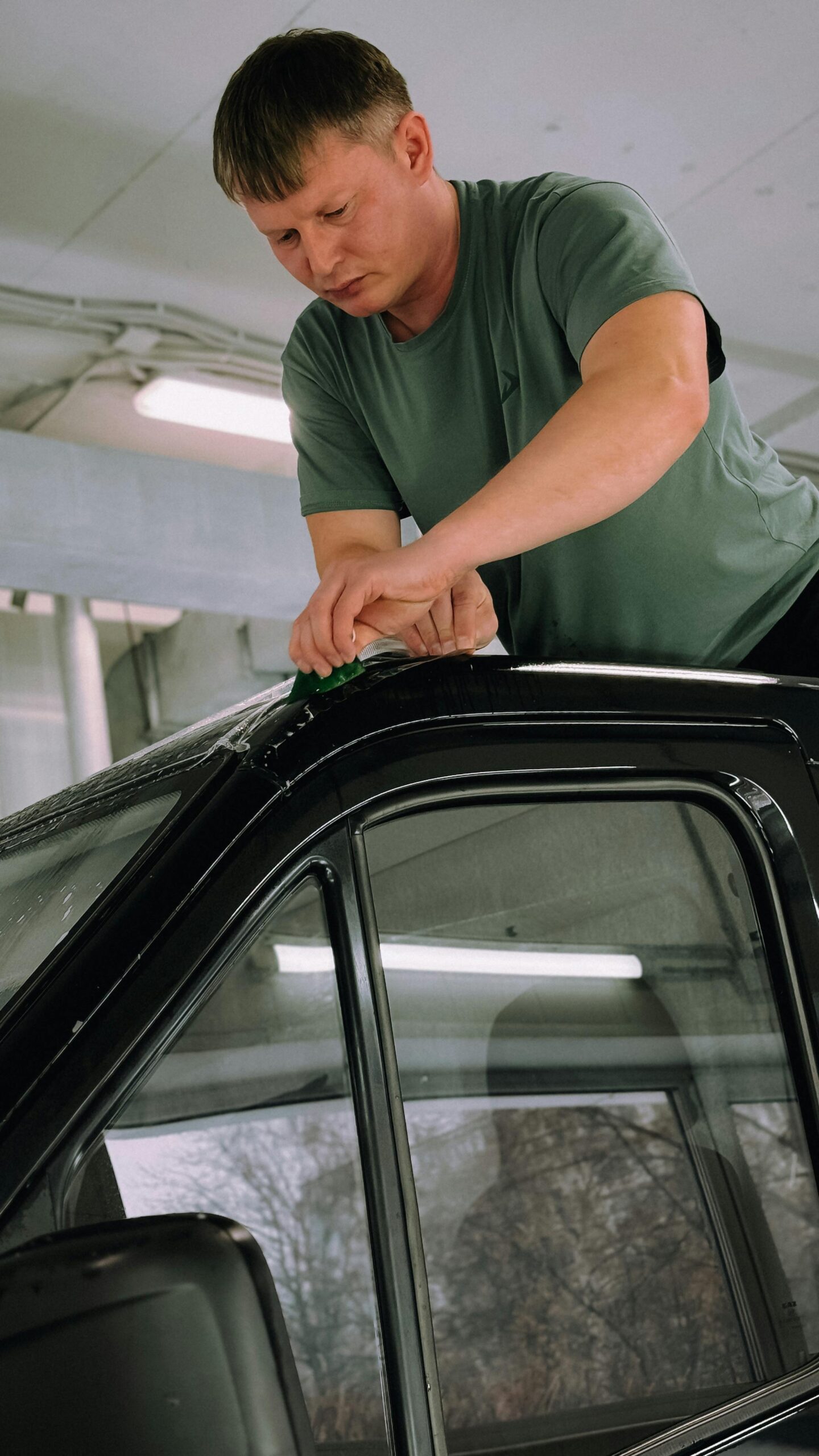
PPF is a protective film, commonly made from thermoplastic polyurethane (TPU), that creates a sacrificial layer over the vehicle’s paint. Premium PPF can resist rock chips, minor scratches, stains, and other road hazards. Many modern films also use self-healing topcoats that can reduce the appearance of light scratches when exposed to heat.
Vinyl wrap is primarily an appearance product. It allows you to change the vehicle’s color, finish, or design without permanently repainting the car. Depending on the film, options can include gloss, matte, satin, metallic, color-shifting, and custom graphic finishes.
PPF vs Vinyl Wrap at a Glance
Feature | PPF | Vinyl Wrap |
Primary purpose | Paint protection | Color and appearance |
Typical material | TPU | Vinyl/PVC-based film |
Rock-chip protection | Excellent | Limited with conventional vinyl |
Minor scratch protection | Excellent for many everyday impacts | Limited |
Color change | Limited with specialty films | Excellent |
Finish options | Clear, matte, satin, specialty | Gloss, matte, satin, metallic, specialty |
Self-healing | Common in premium PPF | Available in some products |
Best for | Preserving paint | Changing appearance |
Typical coverage | High-impact areas or full vehicle | Partial or full vehicle |
Bottom line: If your priority is protecting factory paint, PPF is the more purpose-built solution. If your priority is changing the vehicle’s appearance, vinyl wrap gives you far more customization options.
What Is Paint Protection Film?
Paint Protection Film (PPF) is a durable film installed over painted vehicle surfaces to help protect the underlying finish from physical and environmental damage.
The areas most commonly protected include:
- Front bumper
- Hood
- Front fenders
- Side mirrors
- Rocker panels
- Door edges
- Door cups
- Headlights
- Trunk loading areas
These areas are exposed to rocks, sand, bugs, road debris, and everyday contact.
Rogue Auto Salon offers PPF using STEK DYNOshield, a premium film designed with an 8-mil construction, hydrophobic and stain-resistant properties, and a self-healing topcoat. The film carries a 10-year manufacturer warranty, and Rogue Auto Salon offers full-front coverage that includes the front bumper, hood, side mirrors, and fenders.
If preserving your vehicle’s original paint is your priority, explore Rogue Auto Salon’s Paint Protection Film service to see the available coverage options.
What Is a Vinyl Car Wrap?
A vinyl car wrap is a thin film installed over the exterior of a vehicle primarily to change its appearance.
Depending on the product, a wrap can provide:
- Gloss finishes
- Matte finishes
- Satin finishes
- Metallic colors
- Color-shifting effects
- Custom graphics
- Racing stripes
- Two-tone designs
- Full color changes
For example, a factory-white vehicle can be transformed into black, blue, gray, green, or another available color without repainting the vehicle.
That makes vinyl wrap particularly attractive to owners who want a major visual change while retaining the option to return the vehicle to its previous appearance later.
PPF vs Vinyl Wrap: Which Protects Paint Better?
If paint protection is the primary goal, PPF is generally the better fit.
PPF is specifically engineered to help protect against physical hazards such as:
- Rock chips
- Road debris
- Minor scratches
- Bug impacts
- Staining
- Environmental contamination
It works as a sacrificial layer between the road and your paint. A rock striking a PPF-covered panel can damage the film instead of directly damaging the factory finish.
PPF is not indestructible. A severe impact can damage the film and, depending on its force, the paint underneath as well.
Traditional vinyl wrap can provide some protection from minor surface wear because it also creates a barrier over the paint. However, it should not automatically be treated as equivalent to dedicated PPF.
If you’re regularly driving on highways, gravel roads, construction-heavy routes, or areas with significant road debris, the physical protection provided by PPF becomes more important.
Is Vinyl Wrap Good for Paint Protection?
Yes—but the amount of protection depends heavily on the specific vinyl product.
Conventional color-change vinyl is primarily designed around appearance, conformability, and installation. It can help shield the paint from minor surface contamination and wear, but it generally isn’t intended to provide the same level of impact protection as dedicated PPF.
There is also an important middle ground.
Some newer protection-wrap products are designed to combine color customization with increased protection against rock chips, scratches, stains, and environmental exposure.
So when comparing products, don’t look only at the words “PPF” and “vinyl.” Compare the actual film’s construction, intended use, warranty, and protection specifications.
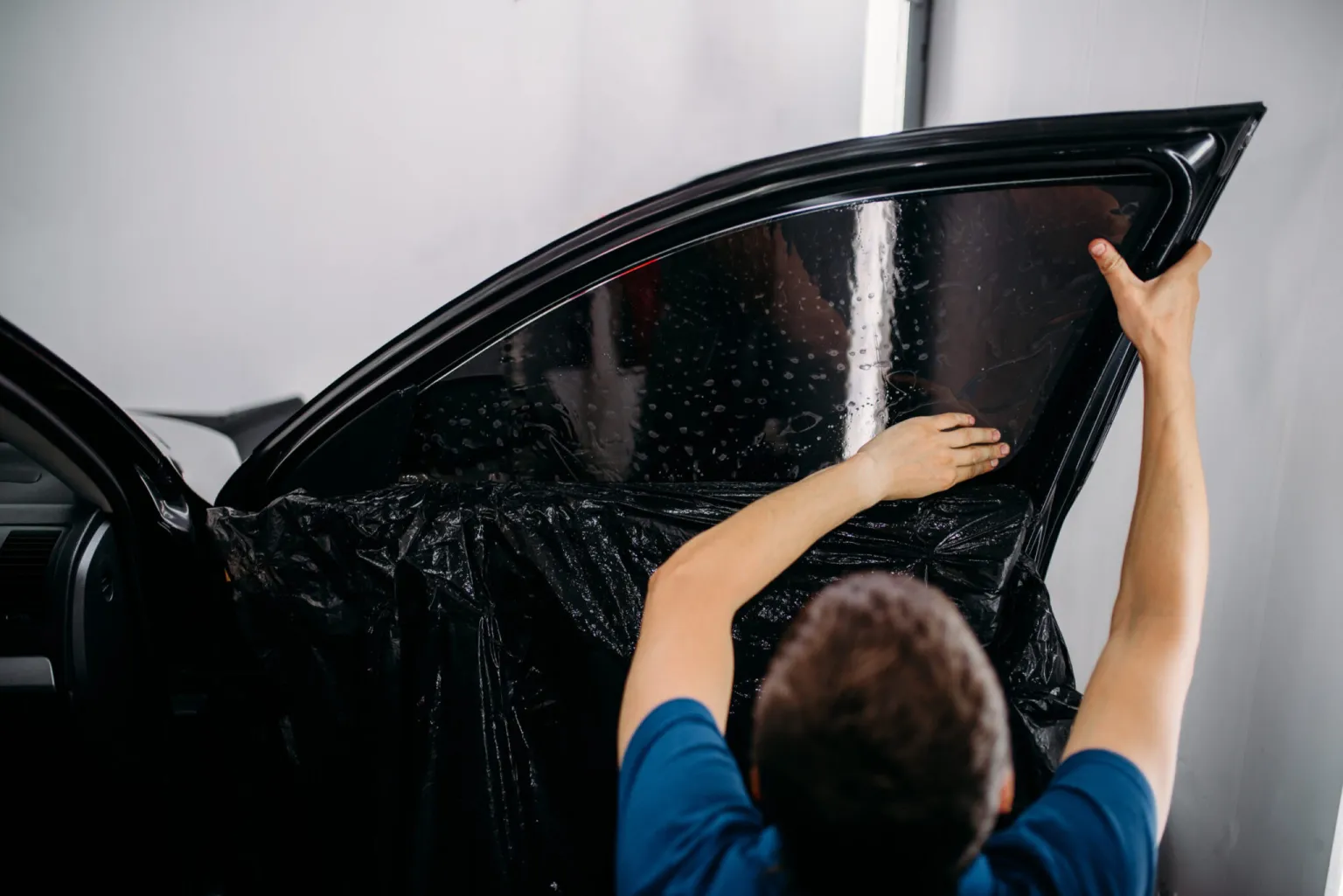
PPF vs Vinyl Wrap: Which Looks Better?
This depends on what you want the vehicle to look like.
Choose PPF if you want to preserve the factory appearance
Clear PPF is designed to maintain the appearance of the original paint while adding a protective layer.
Specialty PPF is also available in finishes such as matte and satin, allowing you to alter the vehicle’s finish without giving up the primary purpose of PPF.
Choose vinyl wrap if you want to change the vehicle’s appearance
Vinyl wrap provides substantially more options for:
- Color changes
- Matte and satin finishes
- Metallic effects
- Color-shifting finishes
- Custom graphics
- Accent designs
- Two-tone styling
So there isn’t a universal answer to which looks better.
PPF is generally the choice when you like the paint you already have. Vinyl wrap is the choice when you want the vehicle to look different.
PPF vs Vinyl Wrap: Which Lasts Longer?
There is no single lifespan that applies to every PPF or vinyl wrap.
Longevity depends on:
- Film quality
- Installation quality
- Vehicle exposure
- Climate
- Driving conditions
- Washing and maintenance
- Whether the vehicle is parked indoors or outdoors
Premium PPF can carry long manufacturer warranties. Rogue Auto Salon’s STEK DYNOshield PPF, for example, is backed by a 10-year manufacturer warranty.
Vinyl wrap lifespan varies substantially by manufacturer and product series. Warranty coverage can also differ based on the type of film and how the vehicle is exposed to sunlight and weather.
This is why it is better to compare specific film products and warranties than to claim that one category always lasts a certain number of years.
For a deeper discussion of PPF longevity, see Rogue Auto Salon’s guide on How Long Does Paint Protection Film Last?
PPF vs Vinyl Wrap: Which Is Easier to Maintain?
Both PPF and vinyl wrap require proper care.
For either film, good maintenance includes:
- Washing regularly
- Using automotive-safe cleaning products
- Avoiding abrasive brushes and materials
- Removing bird droppings and other contaminants promptly
- Following the film manufacturer’s care instructions
- Avoiding aggressive cleaning around film edges
The exact aftercare instructions can vary by film, so the installer and manufacturer instructions should take priority.
For PPF-specific washing guidance, see Rogue Auto Salon’s guide on How to Wash a Car With PPF.
Can You Combine PPF and Vinyl Wrap?
Yes. In some applications, PPF and vinyl wrap can be used together.
For example, an owner might install a color-change wrap for the vehicle’s appearance and then use PPF on particularly vulnerable areas.
However, compatibility depends on the specific films, adhesives, surface condition, and installation method. The installer should evaluate the products before combining them.
There are also protection-wrap products that combine customization and protection into one film.
If you’re considering a combination, choose the products based on the areas that need protection and the appearance you want to achieve.
Can You Put Ceramic Coating Over PPF or Vinyl Wrap?
Ceramic coating serves a different purpose from both PPF and vinyl wrap.
PPF provides a physical film barrier against impacts. Vinyl wrap primarily changes appearance. Ceramic coating is generally used to improve hydrophobicity, surface slickness, gloss, and resistance to environmental contamination.
That’s why some vehicle owners combine:
PPF + ceramic coating
The PPF provides physical protection while the coating can make the surface easier to maintain.
Ceramic coating does not replace PPF’s impact protection.
If you’re considering this combination, see Rogue Auto Salon’s guide on PPF vs Ceramic Coating for a more detailed comparison.
PPF vs Vinyl Wrap: Which Costs More?
There is no universal price difference because the scope of the installation can be completely different.
Cost depends on:
- Vehicle size
- Number of panels
- Coverage
- Film brand
- Film type
- Vehicle condition
- Surface preparation
- Installation complexity
- Customization requirements
A partial-front PPF installation and a full color-change wrap aren’t directly comparable because they cover different areas and serve different purposes.
Likewise, full-body PPF will require a substantially larger material and labor investment than protecting only the vehicle’s highest-impact areas.
When comparing quotes, look beyond the headline price. Ask what film is being used, how much coverage is included, how edges are handled, what preparation is required, and what warranty applies.
Should You Get PPF or Vinyl Wrap?
Start with your primary goal.
Choose PPF if you want:
- Protection against rock chips and road debris
- Protection for high-impact areas
- To preserve factory paint
- A clear or subtle protective finish
- Self-healing properties from compatible premium films
- Long-term paint preservation
Choose vinyl wrap if you want:
- A completely different color
- Matte, satin, metallic, or specialty finishes
- Custom graphics
- A reversible alternative to repainting
- A personalized appearance
Consider combining them if you want:
- A custom appearance
- Additional protection on high-impact areas
- Both personalization and physical paint protection
Which Is Better for a Daily Driver?
For a daily driver, the answer depends on what matters most to you.
If paint protection is the priority, PPF makes more sense. Daily driving exposes your vehicle to road debris, rocks, bugs, and other hazards that PPF is specifically designed to help resist.
If customization is the priority, vinyl wrap may be the better fit. Someone who wants to transform a factory-white vehicle into satin black, for example, will get a very different benefit from a color-change wrap than from clear PPF.
If you want to change the appearance while protecting vulnerable areas, a combination of wrap and PPF—or a protection-oriented wrap product—may be worth considering.
Can PPF or Vinyl Wrap Be Removed?
Both PPF and vinyl wrap can be removable, but removal should be handled carefully.
The difficulty depends on:
- Film age
- Adhesive condition
- Environmental exposure
- Paint condition
- Film quality
- Removal technique
PPF that has been exposed to years of heat and UV or has begun cracking, peeling, or deteriorating may require more careful professional removal.
The same principle applies to vinyl wrap. A quality film installed and removed appropriately is designed to be removable, but compromised paint or heavily aged film can change the risk.
Frequently Asked Questions
Is PPF better than vinyl wrap?
For physical paint protection, dedicated PPF is generally the better fit because it is specifically engineered for impact and environmental protection. Conventional vinyl wrap is primarily designed for appearance customization.
Is vinyl wrap cheaper than PPF?
It can be, but there is no universal price difference. Coverage, vehicle size, film type, preparation, and installation complexity all affect the final cost.
Does PPF protect better than a car wrap?
Dedicated PPF generally provides greater protection against rock chips and road debris than conventional vinyl wrap. However, newer protection-wrap products can combine color customization with increased protection.
Can you wrap a car with PPF on it?
In suitable applications, yes. However, compatibility between the specific PPF, wrap film, adhesives, and surface condition should be evaluated by an experienced installer.
Can PPF change the color of a car?
Traditional clear PPF preserves the vehicle’s existing appearance. Specialty PPF can provide finishes such as matte or satin, but vinyl wrap offers far more color and customization options.
Does vinyl wrap damage car paint?
A quality wrap installed and removed correctly is designed to be removable. However, poor installation, excessive aging, compromised paint, or improper removal can create risks.
How long does PPF last compared with vinyl wrap?
Both can last for years, but longevity depends on the specific product, installation, exposure, climate, and maintenance. Manufacturer warranties are a better reference point than a generic lifespan for the entire category.
Can ceramic coating go over PPF?
Many PPF products can receive a compatible ceramic coating. The coating can improve hydrophobicity and ease of maintenance, but it does not replace PPF’s physical impact protection.
Is PPF worth it on a new car?
PPF can make sense for owners who want to preserve factory paint, particularly on high-impact areas such as the front bumper, hood, fenders, and mirrors. The value depends on the vehicle, driving conditions, ownership plans, and cost.
What is better for a daily driver, PPF or vinyl wrap?
If protecting the paint is your priority, PPF is generally the better fit. If changing the vehicle’s appearance is your priority, vinyl wrap is generally the better fit. If you want both, a combination or protection-oriented wrap may be appropriate.
PPF vs Vinyl Wrap: Final Verdict
PPF and vinyl wrap aren’t really competing products—they solve different problems.
Choose PPF when your priority is preserving your original paint and reducing damage from rock chips, road debris, scratches, stains, and everyday driving.
Choose vinyl wrap when your priority is changing the vehicle’s color, finish, or appearance without repainting it.
And if you want both customization and protection, you can explore combining the two or using a protection-oriented wrap product designed to provide both functions.
For San Jose and Bay Area drivers considering PPF, Rogue Auto Salon offers STEK DYNOshield PPF, including full-front coverage options and a 10-year manufacturer warranty.
Want to know which option makes sense for your vehicle? Explore Rogue Auto Salon’s PPF options or speak with the shop about your vehicle, driving conditions, desired appearance, and coverage goals before choosing a film.