Exploring the Real Value, Protection Benefits, and Long-Term Savings of Paint Protection Film
Your car faces a daily battle the moment it leaves the driveway. Gravel kicked up on highways, harsh UV rays, road salt, bug splatter, shopping cart scratches, and unexpected scuffs all slowly wear away at your vehicle’s paint. That’s why many drivers eventually ask the same question: Is paint protection film worth it?
For some car owners, Paint Protection Film (PPF) feels like an unnecessary luxury. For others, it’s one of the smartest investments they’ve ever made for their vehicle.
The truth lies somewhere in between, and the answer depends on your driving habits, budget, long-term ownership plans, and how much you value keeping your car looking flawless.
This guide breaks down what Paint Protection Film actually does, its advantages and drawbacks, how it compares to alternatives like ceramic coatings, and whether it makes financial sense for your specific situation.
Many people assume PPF is only for exotic cars or high-end luxury vehicles. In reality, daily drivers often benefit the most.
If you regularly drive on highways, your car is constantly exposed to small rocks and debris traveling at high speed. Those tiny impacts slowly chip away at the paint on your hood, bumper, mirrors, and fenders. Over time, those imperfections become impossible to ignore.
This is where PPF shines.
Instead of repairing paint damage every few years, the film absorbs the impact. Your original paint stays protected underneath.
For commuters and long-distance drivers, the value becomes easier to see because:
Drivers in areas with harsh weather conditions may benefit even more. Road salt, intense sun exposure, and gravel-covered winter roads can rapidly deteriorate paintwork. PPF creates a protective layer that helps slow down that damage significantly.
This is the primary reason most people invest in PPF.
Without protection, even careful drivers eventually accumulate chips on the front bumper and hood. These small marks might seem harmless at first, but they can quickly lead to rust, fading, or expensive repainting.
PPF absorbs these impacts before they reach the paint.
For highway drivers especially, this protection can preserve the factory finish for years.
One of the most impressive features of modern PPF is its self-healing capability.
Light scratches, swirl marks, and surface abrasions can disappear when exposed to heat. Sunlight or warm water often restores the film to its original appearance without additional work.
That means your vehicle stays looking cleaner and newer with far less maintenance.
A vehicle with well-preserved factory paint usually commands a higher resale value.
Buyers notice cosmetic condition immediately. A car covered in chips and scratches appears older and less cared for, even if the mechanical condition is excellent.
Studies and customer experiences consistently suggest that vehicles protected with PPF retain more value over time because the original paint remains in significantly better condition.
If you plan to sell or trade in your vehicle later, that protection can translate into real financial return.
Paint doesn’t just suffer from physical damage.
Sun exposure causes fading and oxidation over time. Bird droppings and bug residue can also become acidic enough to damage the clear coat if left untreated.
PPF acts as a barrier against environmental contaminants while also helping block harmful UV rays.
This is especially useful for vehicles parked outdoors regularly.
Paint correction, polishing, repainting, and chip repair can become surprisingly expensive.
While PPF has a high upfront cost, many owners eventually save money by avoiding repeated cosmetic repairs.
Instead of constantly correcting paint damage, the protective film takes the abuse.

One of the biggest concerns people have is pricing.
Professional PPF installation typically ranges between:
The final cost depends on:
Luxury vehicles and larger SUVs generally cost more because they require additional labor and materials.
At first glance, the price can feel steep. However, replacing or repainting damaged panels isn’t cheap either. Quality paintwork can cost thousands of dollars, especially if color matching becomes difficult.
Viewed over several years of ownership, PPF often becomes easier to justify financially.
Not every driver needs full-body protection.
In fact, partial coverage is the most popular option because it focuses on the areas most likely to suffer damage.
Usually includes:
This setup protects the highest-impact zones while keeping costs manageable.
For most daily drivers, partial coverage provides an excellent balance between affordability and protection.
A full wrap covers every painted surface on the vehicle.
This option is ideal for:
While significantly more expensive, full coverage provides complete peace of mind.
This is one of the most common comparisons.
Although PPF and ceramic coatings are often mentioned together, they serve very different purposes.
Ceramic coating does not stop rock chips.
PPF does.
Many car owners choose to combine both solutions:
Together, they create a highly durable protection system.
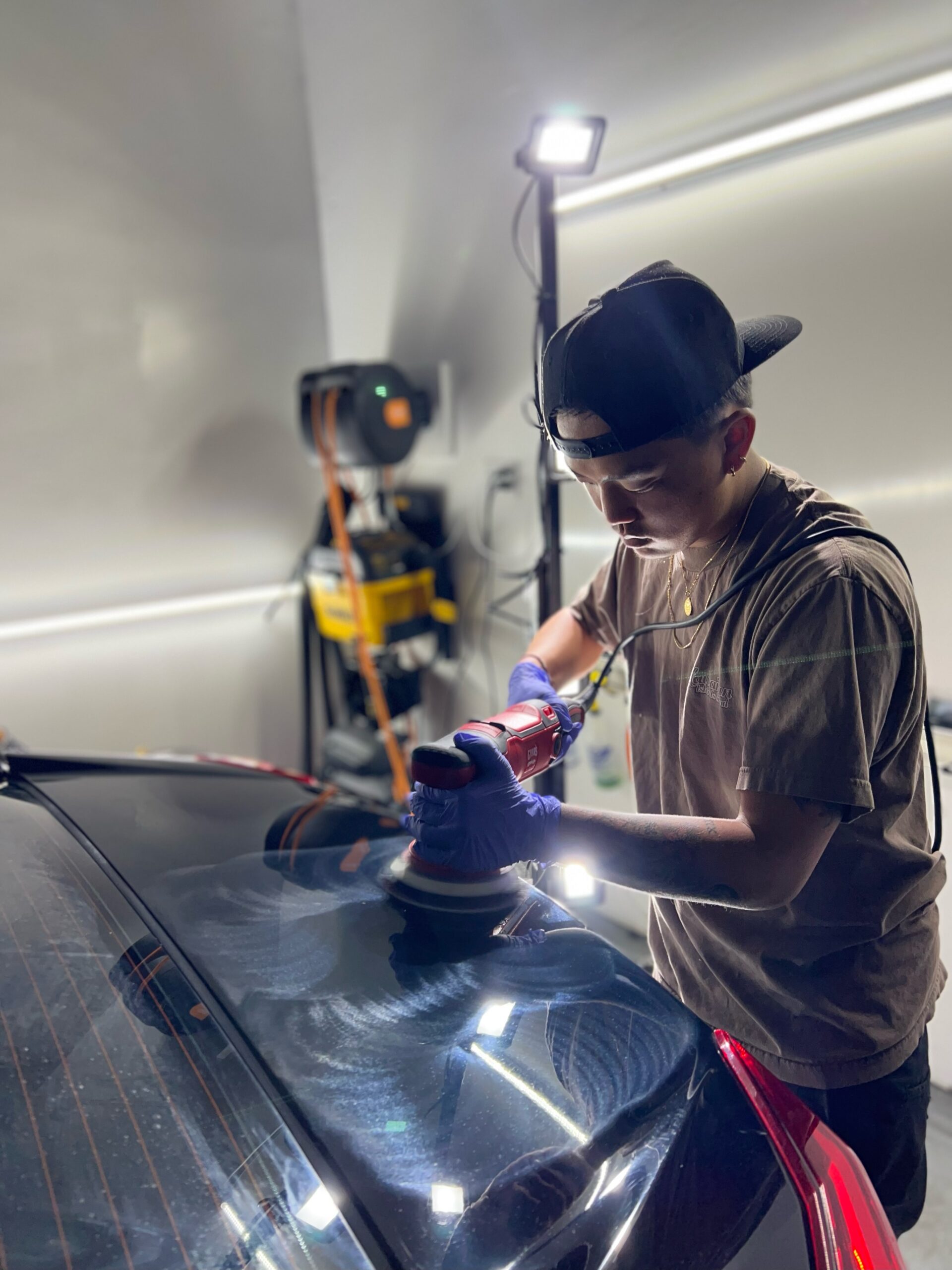
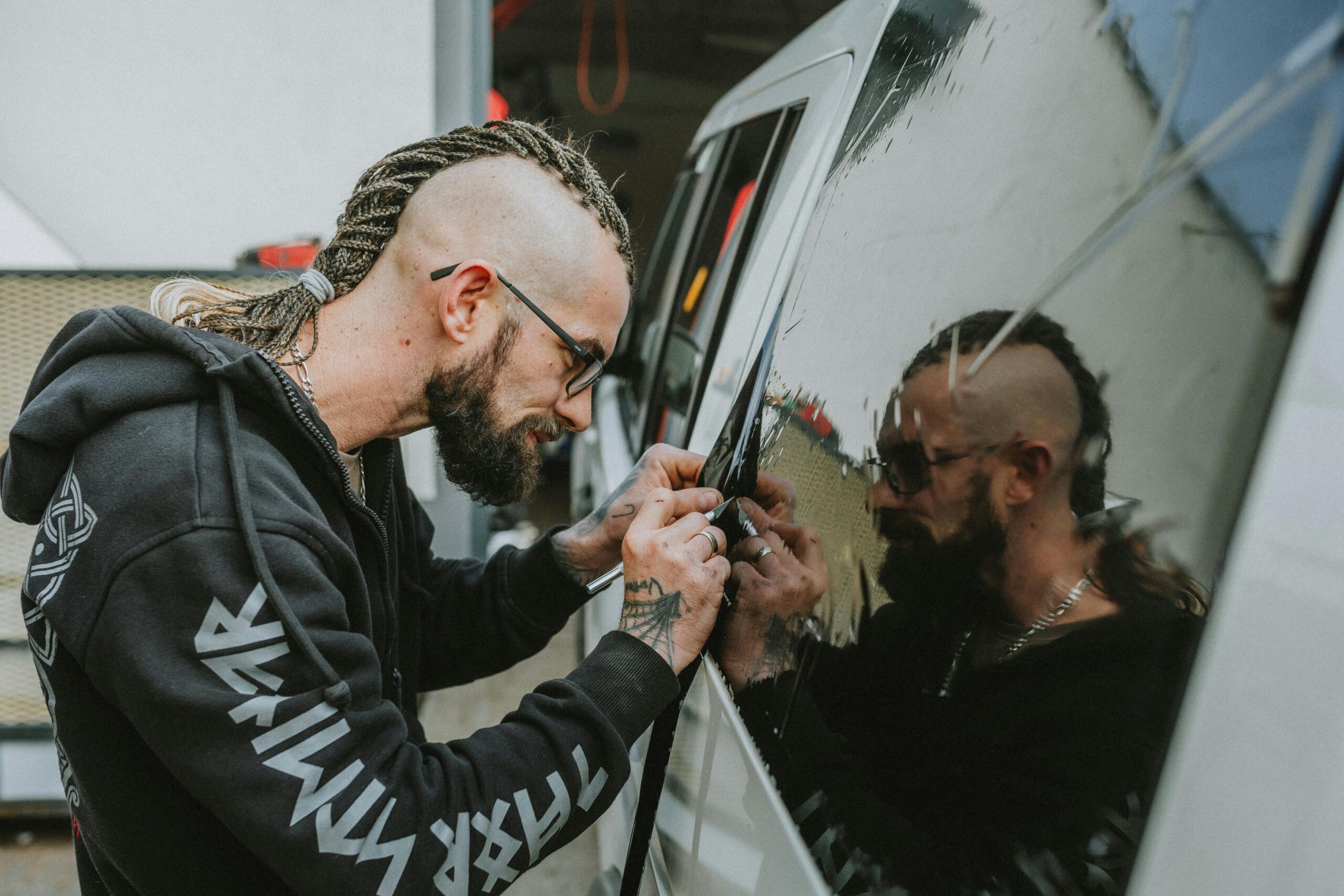
PPF installation is not a beginner-friendly process.
Although DIY kits exist, professional installation almost always produces better results.
Experienced installers use:
Without these conditions, problems become common:
Improper installation can actually make a car look worse rather than better.
A professional installer ensures the film appears nearly invisible while maximizing durability and longevity.
High-quality PPF generally lasts between 7 and 12 years, depending on:
Premium films are designed to resist yellowing, cracking, and peeling over time.
Proper care can significantly extend lifespan.
Recommended maintenance includes:
Fortunately, modern PPF is relatively low-maintenance overall.
No product is perfect, and PPF does come with drawbacks.
This is the biggest obstacle for most buyers.
Spending thousands on invisible protection can feel difficult to justify, especially for older vehicles.
Unlike wax or ceramic sprays, proper PPF installation requires specialized expertise.
Poor installation can ruin the appearance of the film and compromise protection.
Although premium films are highly durable, older or lower-quality PPF may eventually:
Regular inspections help catch these issues early.
PPF is removable, but improper removal can damage paint or leave adhesive residue behind.
Professional removal is strongly recommended.
PPF makes the most sense for:
Frequent highway commuting dramatically increases exposure to rock chips and debris.
Protecting factory paint from day one helps preserve resale value.
High-end vehicles often justify the added protection financially.
If you plan to keep your car for many years, the long-term benefits become more valuable.
Road salt, UV exposure, and rough weather accelerate paint deterioration.
PPF may not be necessary if:
In these situations, ceramic coatings or regular detailing may provide enough protection at a lower cost.
For many car owners, the answer is yes.
Paint Protection Film offers something traditional waxes and coatings simply cannot: true physical protection against real-world damage.
The upfront investment is substantial, but the long-term benefits can outweigh the cost through:
The value becomes even clearer for people who genuinely care about maintaining their vehicle’s condition.
A chipped, faded, scratched-up vehicle inevitably looks older and less valuable. PPF helps delay that aging process significantly.
So, is paint protection film worth it?
For drivers who want to preserve their vehicle’s appearance, protect against everyday road damage, and maintain long-term value, PPF can absolutely be worth the investment.
It’s not the cheapest upgrade you can make to your car, but it’s one of the few that actively protects your vehicle every single day. Whether you choose partial front-end coverage or a full-body wrap, the right PPF setup can keep your car looking newer for years longer than it otherwise would.
The key is approaching it realistically. Consider your driving habits, your budget, how long you plan to keep the vehicle, and how much cosmetic condition matters to you.
If maintaining flawless paint and avoiding costly future repairs matters, Paint Protection Film is more than just a cosmetic upgrade; it’s long-term protection for one of your biggest investments.