Autocare

How Long Should Ceramic Tint Last? Full Lifespan Guide

Average Lifespan, Key Factors, and Maintenance Tips

When upgrading your vehicle for comfort, style, and protection, ceramic window tint is often considered the gold standard. But one question always comes up: how long should ceramic tint last?

If you’re investing in a premium tint, it’s only fair to expect long-term performance, and the good news is, ceramic tint is built to deliver exactly that. Still, its lifespan depends on more than just the material itself.

In this complete guide, we’ll break down the real lifespan of ceramic tint, what affects its durability, how it compares to other types, and how you can make it last as long as possible.

What Is Ceramic Window Tint?

Before diving into lifespan, it helps to understand what makes ceramic tint different.

Unlike dyed or metalized films, ceramic tint uses non-metallic, ceramic-based particles that block heat, UV rays, and infrared radiation without interfering with electronics like GPS, radio, or mobile signals. It also maintains excellent visibility, meaning you get protection without the overly dark look.

This combination of performance and clarity is why ceramic tint sits at the top of the window tint hierarchy.

How Long Should Ceramic Tint Last?

ceramic coating over paint protection film

On average, ceramic window tint can last 10 years or more. In many cases, high-quality ceramic films installed professionally can last well beyond a decade while maintaining both performance and appearance.

That’s significantly longer than other common tint types:

  • Dyed tint: around 5 years
  • Metalized tint: 5–8 years
  • Ceramic tint: 10+ years

This extended lifespan is one of the biggest reasons car owners choose ceramic despite the higher upfront cost. Over time, it often proves to be the most cost-effective option.

Why Does Ceramic Tint Last So Long?

Ceramic tint isn’t just “better”, it’s fundamentally different in how it’s built and how it performs over time.

1. No Dye to Fade

Traditional dyed tints rely on pigments that break down under UV exposure. Ceramic tint doesn’t use dyes, so it resists fading much more effectively.

2. No Metal to Oxidize

Metalized films can degrade as metallic particles oxidize. Ceramic films avoid this issue entirely, maintaining their clarity and color.

3. Superior UV and Heat Resistance

Ceramic tint blocks up to 99.9% of UV rays and a significant portion of infrared heat. Because it handles heat so efficiently, it experiences less stress over time.

4. Stable Material Structure

The ceramic particles used are highly durable and non-reactive, meaning they don’t degrade easily under harsh environmental conditions.

Factors That Affect Ceramic Tint Lifespan

Ceramic Coating

Even though ceramic tint is highly durable, it’s not invincible. Several real-world factors influence how long it actually lasts.

Installation Quality Matters More Than You Think

Even the best ceramic film won’t perform well if installed poorly. Improper installation can lead to:

  • Bubbling
  • Peeling
  • Uneven adhesion

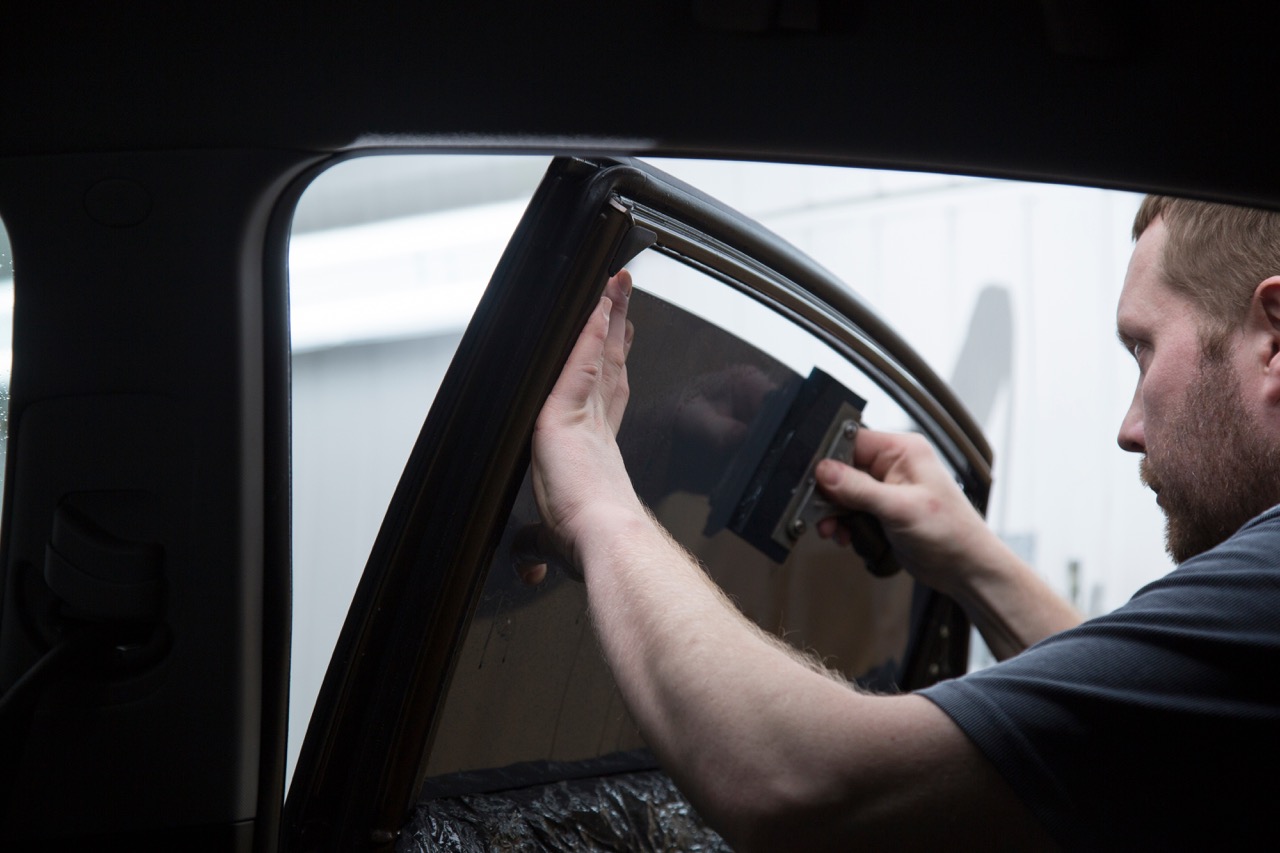
Professional installation ensures the film bonds correctly to the glass, which is critical for long-term durability.

Climate and Sun Exposure

If your car is regularly exposed to intense sunlight, heat, or humidity, the tint will experience more wear.

For example:

  • Hot climates accelerate material stress
  • Constant UV exposure can weaken lower-quality films
  • Humidity can affect adhesive performance

Ceramic tint handles these conditions better than other types, but they still play a role.

Daily Usage and Maintenance

How you treat your tinted windows also affects lifespan:

  • Frequent window rolling (especially early on)
  • Using harsh cleaners
  • Scratching the surface

Good maintenance habits can easily add years to your tint’s life.

Does Ceramic Tint Fade Over Time?

A common concern is fading, and it’s a valid one.

The short answer: ceramic tint is highly resistant to fading and may show little to no visible change even after many years.

Because it doesn’t rely on dyes or metals:

  • It maintains its original color
  • It resists discoloration
  • It keeps its heat-blocking performance

While no material is completely immune to aging, ceramic tint holds up far better than alternatives.

Signs Your Ceramic Tint May Need Replacement

Even though ceramic tint can last a decade or longer, it’s still worth knowing what to watch for.

Look out for:

  • Bubbling or peeling edges
  • Distortion in visibility
  • Reduced heat rejection
  • Adhesive failure

If your tint was professionally installed and well-maintained, these issues are unlikely to appear early, but they can happen over extended periods.
How to Extend the Life of Your Ceramic Tint

If you want to get the absolute maximum lifespan out of your investment, a few simple habits go a long way.

Let It Cure Properly

After installation, avoid rolling down your windows for at least 2–3 days. This allows the adhesive to fully bond.

Clean With Care

Use:

  • A soft microfiber cloth
  • Non-ammonia cleaners

Avoid abrasive materials or harsh chemicals that can damage the film.

Park Smart

Whenever possible:

  • Park in shaded areas
  • Use a windshield sunshade

Reducing constant sun exposure helps preserve both the tint and your car’s interior.

Inspect Regularly

Check for early signs of wear, like small bubbles or peeling. Addressing minor issues early prevents bigger problems later.

Is Ceramic Tint Worth It for Longevity Alone?

If your main concern is durability, ceramic tint is hard to beat.

While it costs more upfront, consider this:

  • It lasts 2–3 times longer than cheaper options
  • It maintains performance over time
  • It reduces the need for replacement

In the long run, you’re not just paying for better tint, you’re paying for fewer headaches.

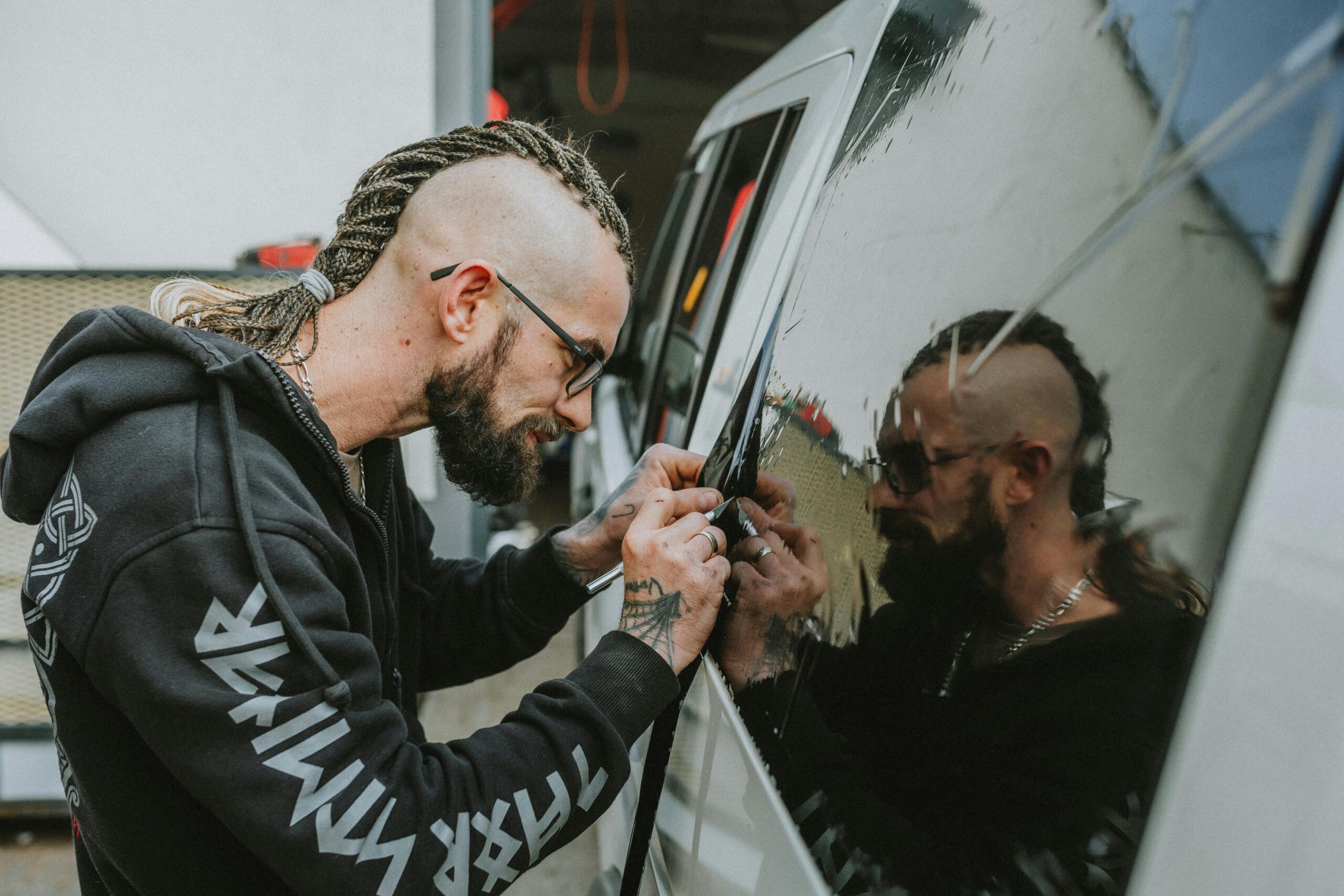
Technician peeling off film from a car window, illustrating the process and cost to remove car window tint

Ceramic Tint vs Other Tint Types

To put things into perspective:

Feature

Dyed Tint

Metalized Tint

Ceramic Tint

Lifespan

~5 years

5–8 years

10+ years

Fade Resistance

Low

Medium

High

Heat Rejection

Basic

Good

Excellent

Signal Interference

None

Possible

None

Cost

Low

Medium

Higher

The difference becomes especially clear over time; ceramic tint simply outperforms the rest.

So, How Long Should Ceramic Tint Last in Real Life?

Let’s circle back to the core question: how long should ceramic tint last in real-world conditions?

With:

  • High-quality film
  • Professional installation
  • Proper care

You can realistically expect 10 to 15 years of performance, sometimes even longer.

That means a single installation could last for most of your vehicle’s lifespan.

Final Thoughts

Ceramic tint isn’t just about aesthetics; it’s a long-term investment in comfort, protection, and durability. If you’ve been wondering how long should ceramic tint last, the answer is reassuring: it’s built to go the distance.

Of course, like any automotive upgrade, results depend on how well it’s installed and maintained. Choosing the right professionals makes all the difference.

Ready to Upgrade?

If you’re considering ceramic tint and want results that truly last, it’s worth working with experts who specialize in high-end installations.

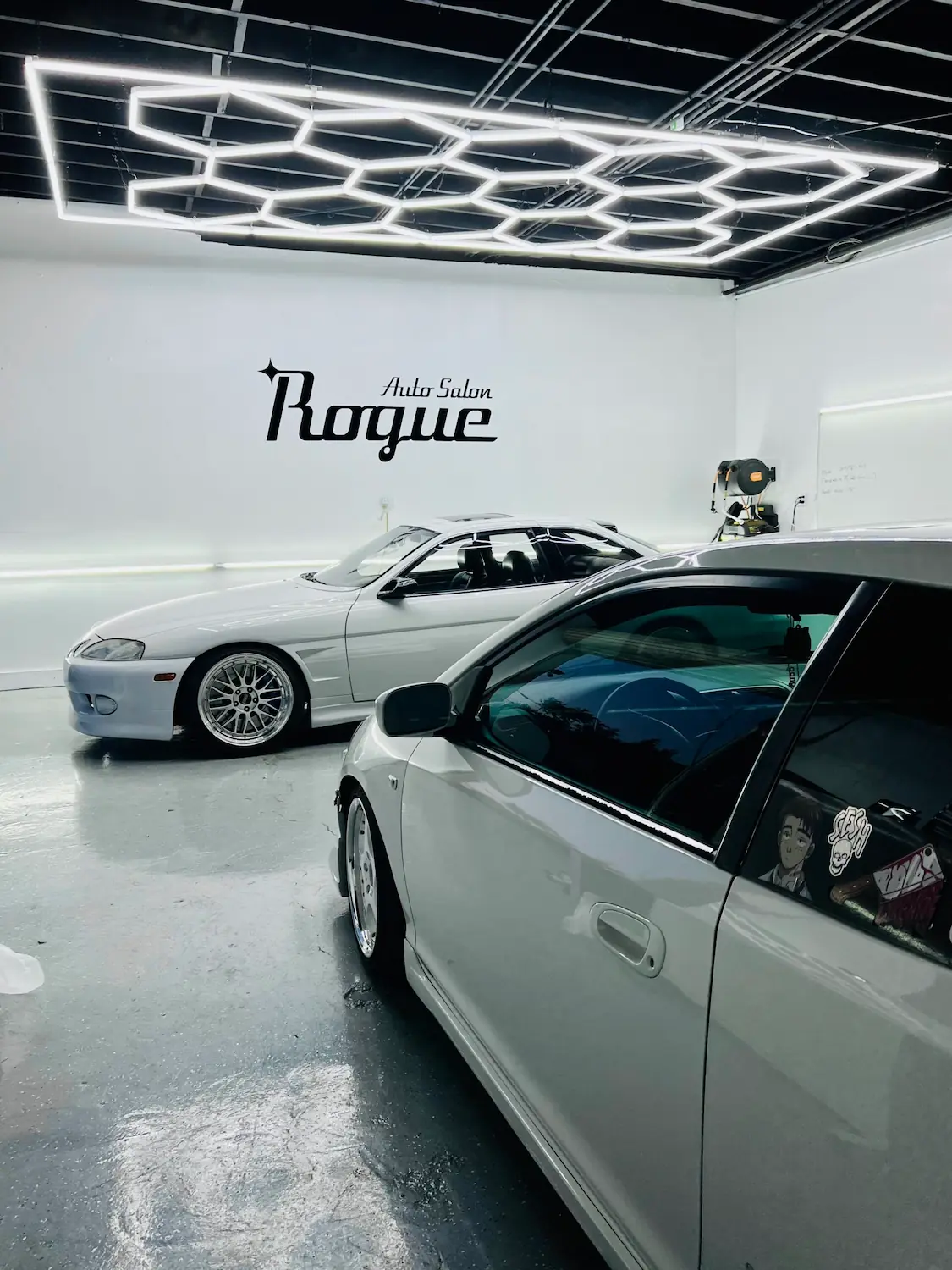
Rogue Auto Salon is a premier auto styling and protection studio known for delivering top-tier window tint solutions, including advanced ceramic films. Their team focuses on precision installation, premium materials, and long-term performance, so you get the most out of your investment.

Whether you’re after better heat rejection, interior protection, or a sleek new look, Rogue Auto Salon can guide you toward the perfect tint for your vehicle.

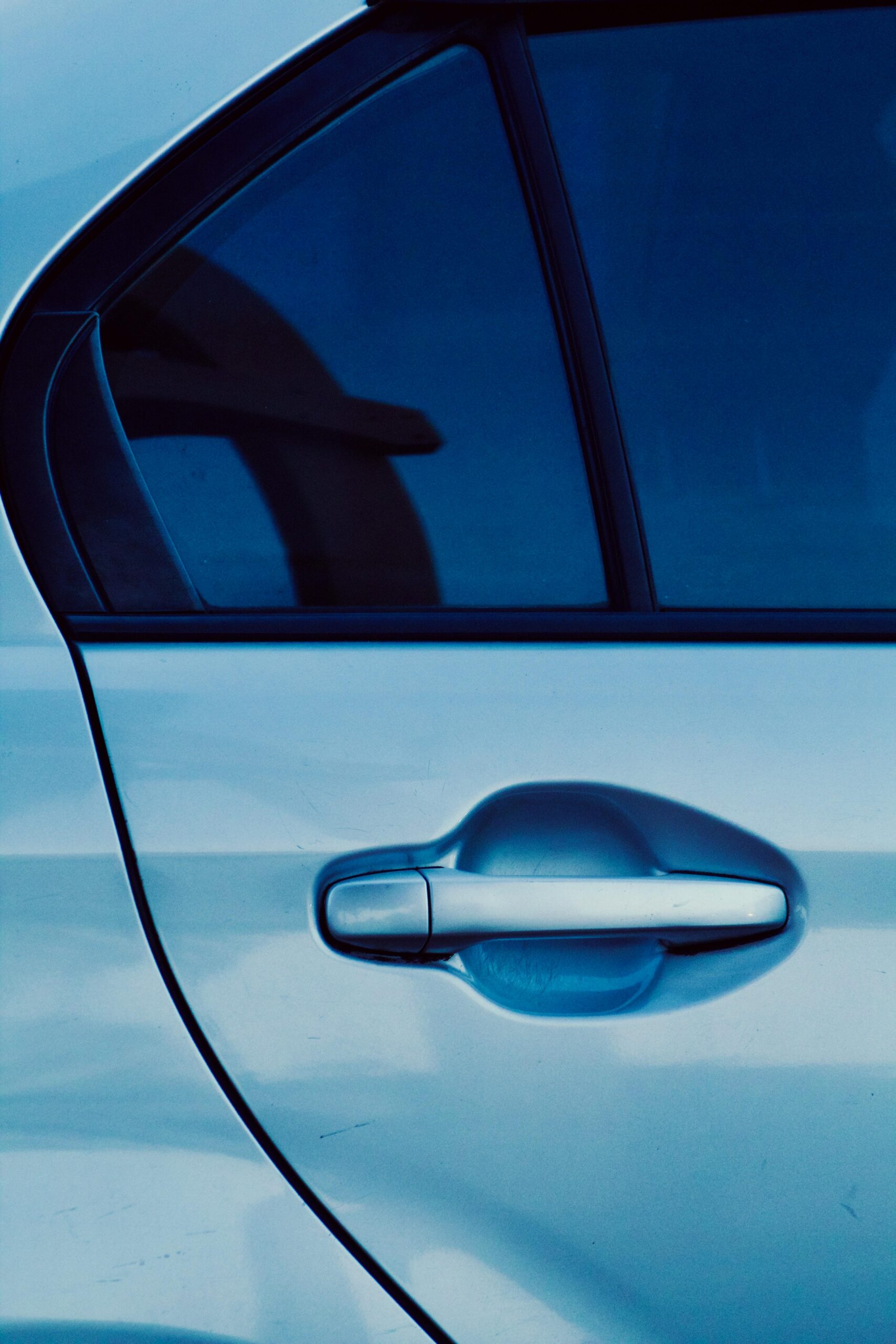
Image of a tinted car window demonstrating reduced visibility—used to highlight key “reasons not to tint car windows,” including safety and clarity concerns.