Autocare

Different Levels of Window Tint Percentages: What They Mean and How They Look

Different Levels of Window Tint: Understanding Percentages, Visibility, and Style


When drivers start researching different levels of window tint, one thing quickly becomes clear: the numbers can feel confusing. Is 20% darker than 50%? Does 70% tint even look tinted at all? And how do you balance style, comfort, privacy, and legal requirements? Understanding window tint percentages is the key to making the right decision for your vehicle and your daily driving experience.

In this comprehensive guide, we’ll break down what tint percentages really mean, how the different levels of window tint actually look, and how to choose the right one for your goals.

What Window Tint Percentage Actually Means

Before comparing the different levels of window tint, you need to understand one core concept: Visible Light Transmission (VLT).

Window tint percentage refers to the amount of visible light that can pass through your window film.

  • 70% VLT = 70% of visible light enters the vehicle (light tint)

  • 35% VLT = 35% of light enters (moderate tint)

  • 5% VLT = Only 5% of light enters (very dark tint)

Here’s the most important rule to remember:

The lower the percentage, the darker the tint.

Many people assume a higher number means darker film, but it’s actually the opposite. The percentage measures light transmission, not darkness.

Once you understand this, comparing different levels of window tint becomes much easier.

Different Levels of Window Tint: A Complete Breakdown

Let’s walk through the most common tint percentages and what they mean in real-world terms.

70% Window Tint, Very Light Protection

What It Means

  • Allows 70% of visible light to pass through

  • Blocks about 30% of visible light

  • Still blocks up to 99% of harmful UV rays (depending on film quality)

How It Looks

A 70% tint is very subtle. From the outside, it may appear almost clear, especially on vehicles with darker interiors. Many people won’t even notice it’s tinted.

Best For

  • Drivers who want UV protection without a dark look

  • Front side windows where legal restrictions are strict

  • Maximum night visibility

  • Maintaining a factory appearance

Visibility

Excellent visibility both day and night.

If you prioritize protection and comfort over aesthetics, this is one of the most practical different levels of window tint to consider.

50% Window Tint, Light, and Balanced

What It Means

  • Allows 50% of visible light through

  • Blocks 50% of incoming light

How It Looks

Noticeable but still light. It provides a mild shading effect without significantly darkening the car’s appearance.

Best For

  • Drivers who want some privacy

  • Reducing glare

  • Maintaining strong nighttime visibility

  • Subtle style upgrades

Visibility

Very good visibility during the day and only slightly reduced at night.

50% tint is a great middle-ground option for drivers who want a slight aesthetic upgrade without going too dark.

35% Window Tint, The Sweet Spot

What It Means

  • Allows 35% of visible light into the vehicle

  • Blocks 65% of visible light

How It Looks

This is where style and performance really start to show. A 35% tint provides a sleek, modern look without being overly aggressive.

Best For

  • Balanced privacy and visibility

  • Heat and UV reduction

  • Daily commuters

  • Drivers wanting a sporty but legal look

Visibility

Good daytime visibility. Slightly reduced at night, but still safe and comfortable for most drivers.

Among all the different levels of window tint, 35% is often considered the most popular choice. It delivers noticeable style while maintaining practicality.

20% Window Tint, Dark and Private

What It Means

  • Allows 20% of visible light to pass through

  • Blocks 80% of visible light

How It Looks

This tint gives vehicles a bold, dark appearance. From the outside, it’s difficult to see into the car during the daytime.

Best For

  • Enhanced privacy

  • SUVs and larger vehicles

  • Rear windows

  • Reducing glare significantly

Visibility

Good during daytime driving, but noticeably darker at night.

20% is a favorite among drivers who want strong privacy without going to full limo tint. However, it may not be legal for front side windows in some areas, so checking local laws is essential.

5% Window Tint – “Limo Tint.”

What It Means

  • Allows only 5% of visible light through

  • Blocks 95% of light

How It Looks

Extremely dark. From the outside, the interior is nearly impossible to see during the day.

Best For

  • Maximum privacy

  • Rear passenger windows

  • Luxury or custom builds

Visibility

Significantly reduced at night. Not recommended for front windows.

Among the different levels of window tint, 5% offers the most dramatic look and the highest privacy, but it comes with trade-offs in visibility and legal limitations.

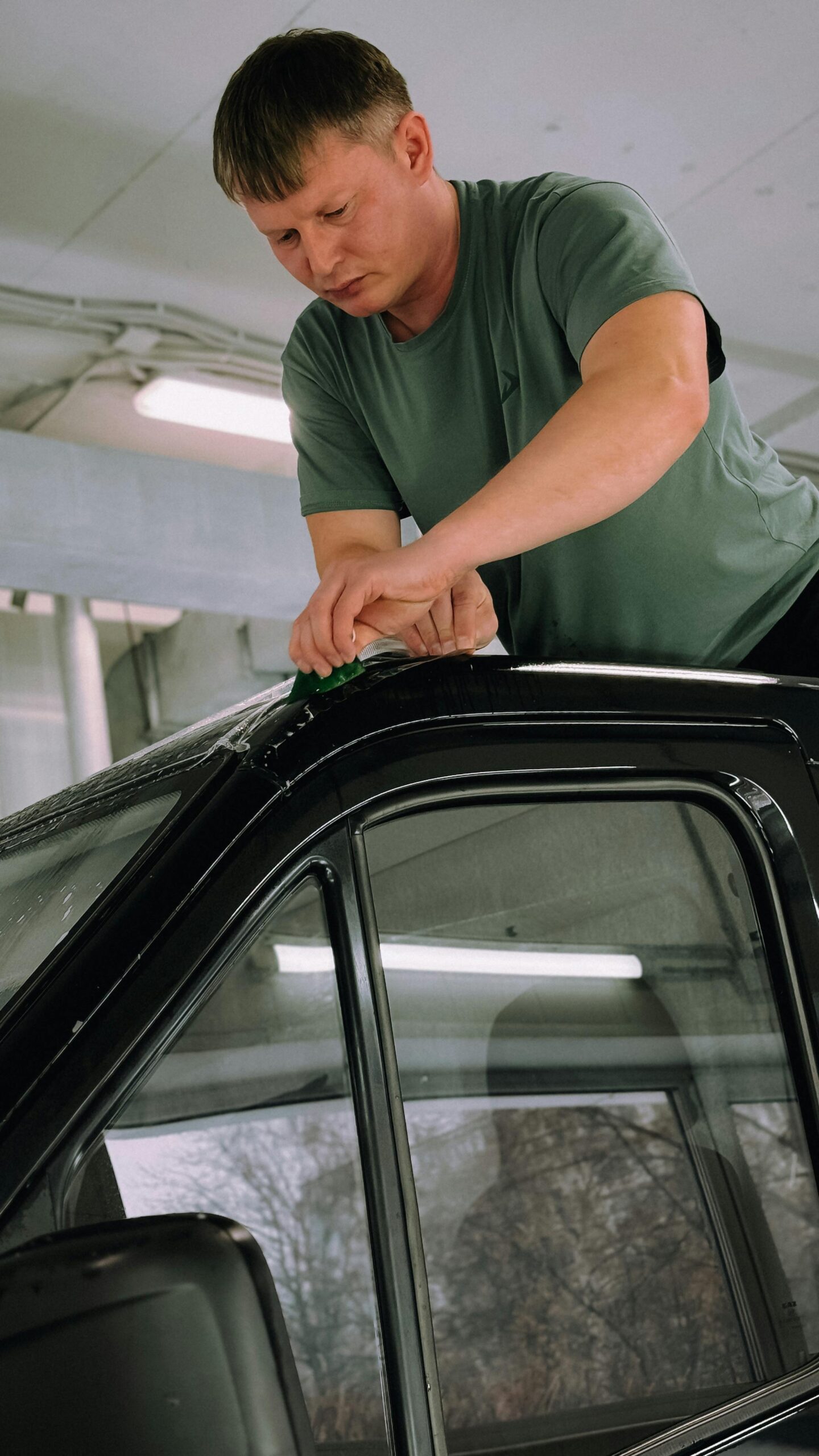
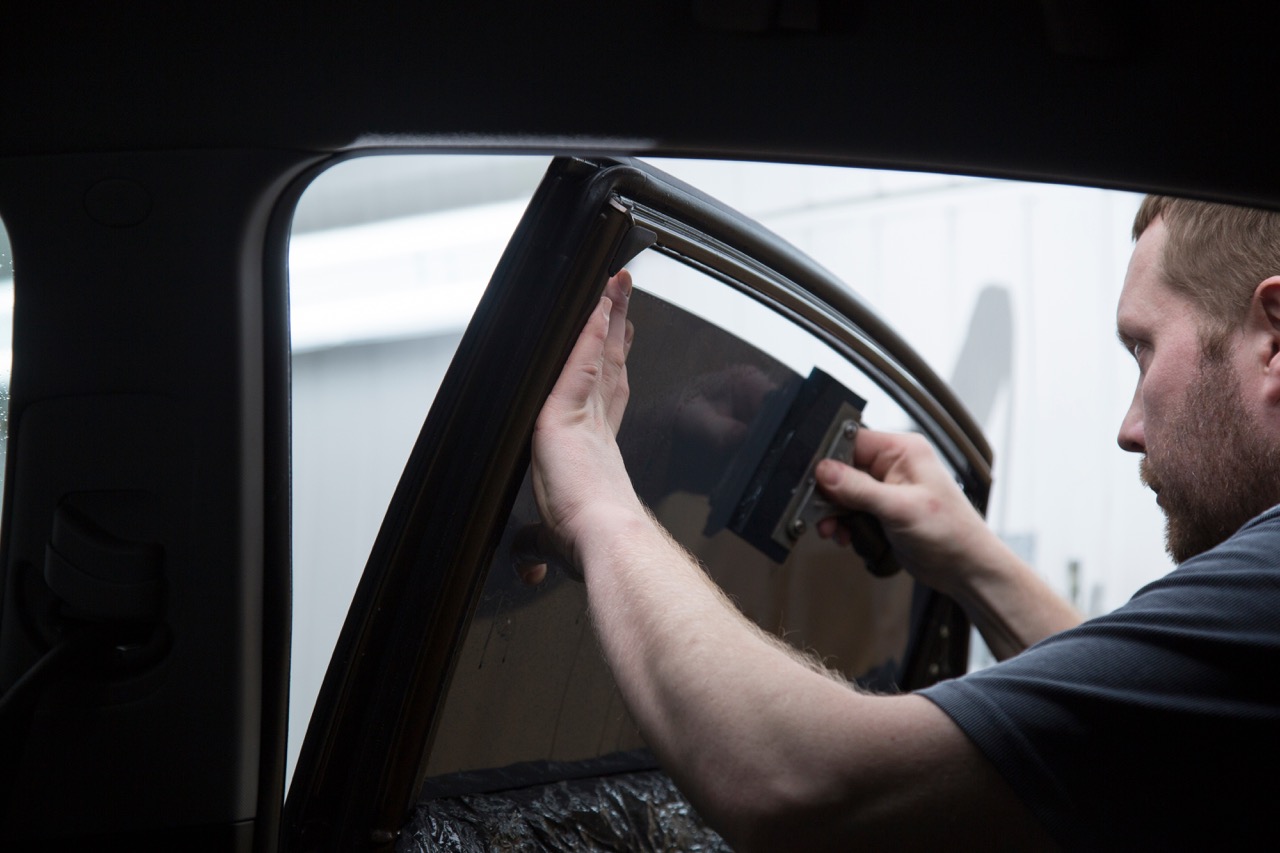
Technician peeling off film from a car window, illustrating the process and cost to remove car window tint

How Different Levels of Window Tint Affect Driving Experience

Choosing the right tint isn’t just about appearance. It changes how your vehicle feels every day.

UV Protection

High-quality films, especially ceramic options, can block up to 99% of harmful UV rays, even at lighter percentages like 50% or 70%.

Benefits include:

  • Reduced skin exposure

  • Protection against interior fading

  • Prevention of dashboard cracking

  • Preservation of upholstery

Interestingly, UV protection does not depend solely on darkness. Even lighter films can provide excellent UV blocking.

Heat Reduction

Heat rejection varies by film quality and percentage.

  • 35% tint provides noticeable temperature reduction.

  • Premium films can reduce interior heat by up to 60%.

  • Darker films generally block more radiant heat.

Drivers in hot climates often prioritize this benefit over aesthetics.

Glare Reduction

Glare can cause eye strain and discomfort, especially during sunrise and sunset.

  • 20% and 35% tints are excellent for glare reduction.

  • 50% and 70% still help while maintaining clearer visibility.

Reducing glare improves driving comfort and safety.

Legal Considerations for Different Levels of Window Tint

Before choosing among the different levels of window tint, you must consider local regulations.

Tint laws typically regulate:

Common legal patterns:

  • Windshields often allow only a top strip

  • Front side windows may require 25–70% VLT

  • Rear windows often allow a darker tint

Some states offer medical exemptions requiring documentation.

Failing to comply can lead to fines or forced removal. Always check your local laws before installation.

how to remove paint protection film from car

The Power of Combination Tinting

You don’t have to choose one percentage for your entire vehicle.

Combination tinting is extremely popular:

  • 35% on front side windows (for visibility and compliance)

  • 20% or darker on rear windows (for privacy)

This strategy balances safety, legality, and aesthetics.

It’s one of the smartest ways to take advantage of different levels of window tint without sacrificing practicality.

How Interior Color Affects Tint Appearance

Many drivers overlook this factor.

A black interior makes the tint appear darker from the outside.
A tan or beige interior makes the same tint look lighter.

For example:

  • 35% on a black interior can look closer to 25%.

  • 35% on a light interior may appear much lighter.

Keep this in mind when selecting your tint level.

Film Type Matters Too

The percentage is only part of the equation. Film technology plays a major role.

Ceramic Film

  • Superior heat rejection

  • Blocks UV effectively

  • No electronic interference

  • Maintains clarity

  • Higher cost but long-lasting

Standard Films

  • More affordable

  • Good appearance enhancement

  • Lower long-term performance

Even at the same percentage, ceramic film will often outperform standard options in heat reduction and durability.

Professional Installation vs DIY

While DIY kits exist, professional installation offers:

  • Precision trimming

  • Bubble-free application

  • Warranty coverage

  • Legal compliance guidance

Improper installation can cause:

  • Peeling

  • Bubbling

  • Poor adhesion

  • Reduced lifespan

A professional job can last the life of the vehicle when properly maintained.

Window Tinting Cost

Maintenance Tips for Long-Lasting Tint

After installation:

  • Keep windows rolled up for 3–5 days

  • Use microfiber cloths for cleaning

  • Avoid ammonia-based cleaners

  • Never scrape with razor blades

Proper maintenance prevents discoloration, bubbling, and fading.

How to Choose the Right Tint Level for You

Ask yourself:

1. Do I prioritize privacy?

Consider 20% or darker (where legal).

2. Do I want a balanced look?

35% is often the ideal compromise.

3. Do I care more about UV and heat than appearance?

50% or 70% may be perfect.

4. Do I drive frequently at night?

Avoid very dark front tints.

5. What are my local legal limits?

Research first to avoid issues later.

There is no universal “best” tint, only what fits your needs.

Final Thoughts: Finding Your Perfect Tint

Understanding the different levels of window tint empowers you to make a confident decision. From nearly invisible 70% films to dramatic 5% limo tint, each percentage serves a unique purpose.

The right choice depends on:

  • Your aesthetic preferences

  • Privacy needs

  • Climate conditions

  • Night driving habits

  • Legal requirements

When you balance all these factors, window tint becomes more than just a cosmetic upgrade; it becomes a daily comfort and protection investment.

Take your time, explore your options, and choose the tint level that enhances both your vehicle’s look and your driving experience for years to come.

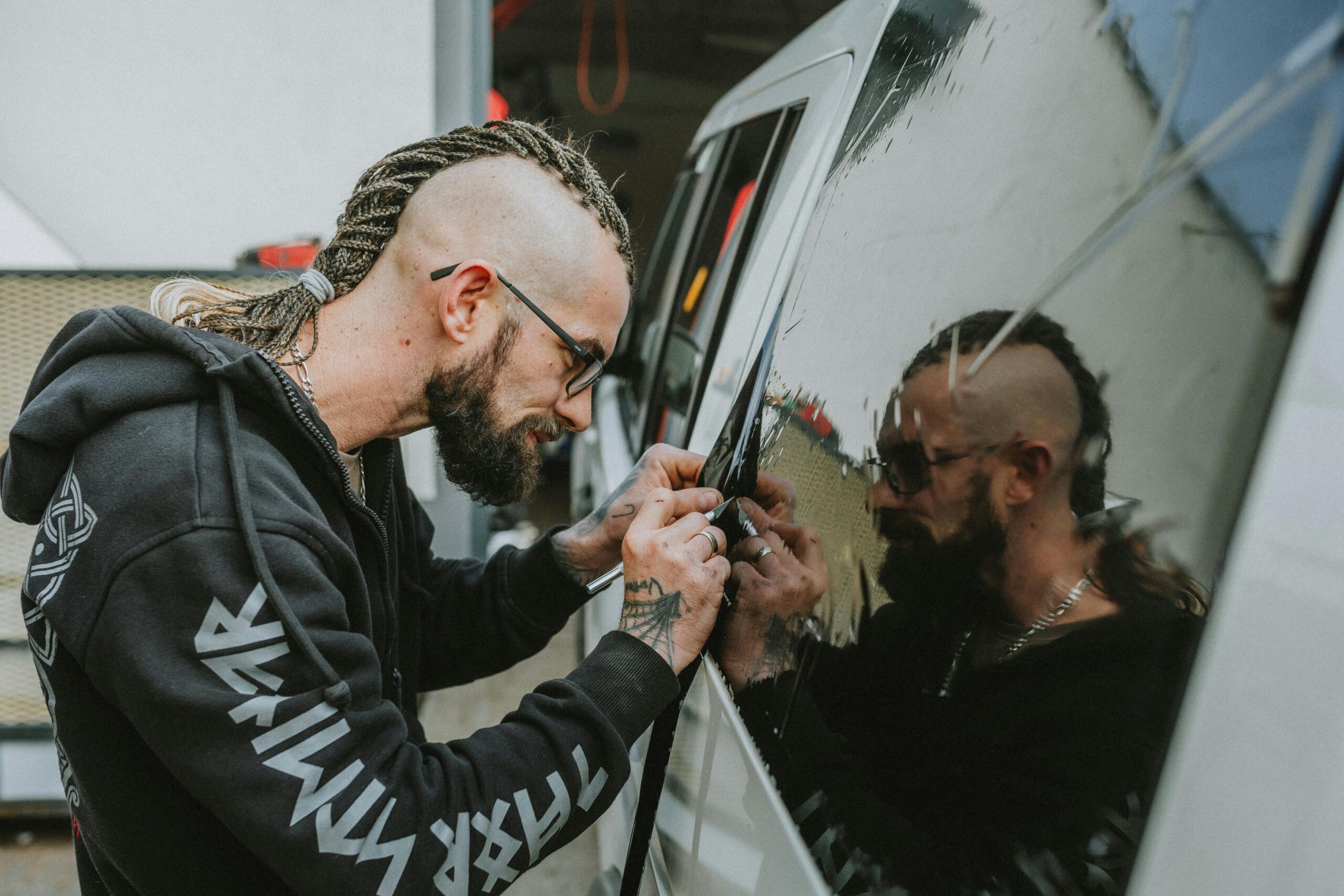
Technician applying paint protection film on a car window – Is paint protection film worth it for safeguarding your vehicle’s surfaces?