California Windshield Crack Law 2026: What Drivers Need to Know
Understanding the California Windshield Crack Law in 2026
Cracked or damaged windshields are more than just a cosmetic issue; they are a safety hazard and a potential legal concern for drivers in California. The California Windshield Crack Law sets clear rules for when a windshield must be repaired or replaced to ensure driver visibility and overall road safety.
Whether it’s a small chip from a flying rock or a larger crack caused by an accident, understanding these laws can save you from fines, costly repairs, and even liability in accidents.
In this guide, we’ll break down the law, legal penalties, insurance coverage, and best practices for dealing with a damaged windshield.
Why the California Windshield Crack Law Exists
California takes cracked windshields seriously because a damaged windshield can impair driver vision, increase glare, distort images, and compromise the structural integrity of the vehicle. Vehicle Code Section 26710 clearly states:
“It is unlawful to operate any motor vehicle upon a highway when the windshield or rear window is in such a defective condition as to impair the driver’s vision either to the front or rear.”
The law applies to virtually all vehicles on the road, including cars, trucks, buses, and agricultural vehicles, with few exceptions for vehicles originally sold without windshields. Motorcycles are not subject to the law since they do not have windshields.
The primary goals of the law are:
Safety: Ensuring drivers have an unobstructed view.
Accident Prevention: Reducing the risk of collisions caused by impaired visibility.
Vehicle Integrity: Maintaining the windshield’s role in structural support, especially during rollovers.
Driving with a cracked windshield isn’t just illegal, it’s risky. Cracks can spread quickly, and a compromised windshield may not protect you in a collision.
What Windshield Damage Requires Action
Not all cracks are equal under the law. The California Windshield Crack Law focuses on whether the damage obstructs the driver’s line of sight or creates a safety hazard. Here are the key factors:
Size of the Crack
Small chips: Usually less than 3 inches or smaller than a quarter. These may be repaired without full replacement.
Large cracks: Cracks longer than 3 inches, or spiderweb-style cracks, typically require full replacement.
Location of the Crack
Driver’s line of sight: Any crack that blocks or distorts the driver’s vision immediately requires repair or replacement.
Peripheral damage: Cracks outside the direct view may still need attention if they compromise windshield strength.
Type of Damage
Surface chips: Can often be repaired quickly.
Extensive cracks: Multiple cracks, spiderweb patterns, or damage across the windshield often necessitate replacement.
Legal Exemptions
While California’s windshield laws are strict, there are a few exemptions:
Rear windows in private vehicles: Rear windshield cracks may be less restricted unless they affect reverse visibility.
Motorcycles: Windshield rules do not apply.
Agricultural vehicles: Some farm equipment may qualify for exemptions depending on use.
Vehicles sold without windshields: Rare, but legally exempt.
Even with exemptions, it’s recommended to maintain clear glass for safety reasons.
Penalties for Violating California Windshield Laws
Failure to comply with the California Windshield Crack Law can result in significant penalties. Here’s what drivers need to know:
Citations: You may be pulled over and ticketed for driving with a cracked windshield.
Fines: Typically range between $25 and $197, depending on the severity and court.
Court Orders: In serious cases, a judge may require the windshield to be repaired before your next court date.
Points on Record: Repeat offenses can add points to your driving record.
Vehicle Impound: In extreme cases, if the windshield poses a serious safety hazard, the vehicle may be impounded until repaired.
It’s also important to note that drivers have 48 hours to repair a windshield after being cited. Failing to comply within this timeframe may lead to further legal action.
Safety Concerns Beyond Legal Compliance
The California Windshield Crack Law is not just about fines; it’s about preventing accidents and protecting lives. Cracks can compromise safety in several ways:
Limited Visibility: Even small chips can create blind spots or distort objects in the driver’s line of sight.
Glare and Distortion: Cracks may increase glare from the sun or headlights and distort images, making driving dangerous, especially at night.
Reduced Structural Integrity: Windshields contribute to the vehicle’s roof support. In rollovers, a weakened windshield increases the risk of injury.
Airbag Deployment: Modern vehicles rely on a properly installed windshield to ensure airbags deploy correctly. A damaged windshield may affect airbag function.
In short, timely repair is essential not just for legality, but for personal and passenger safety.
Repair vs. Replacement: What You Need to Know
When your windshield is damaged, you have two main options: repair or replacement. Here’s a breakdown based on the California Windshield Crack Law:
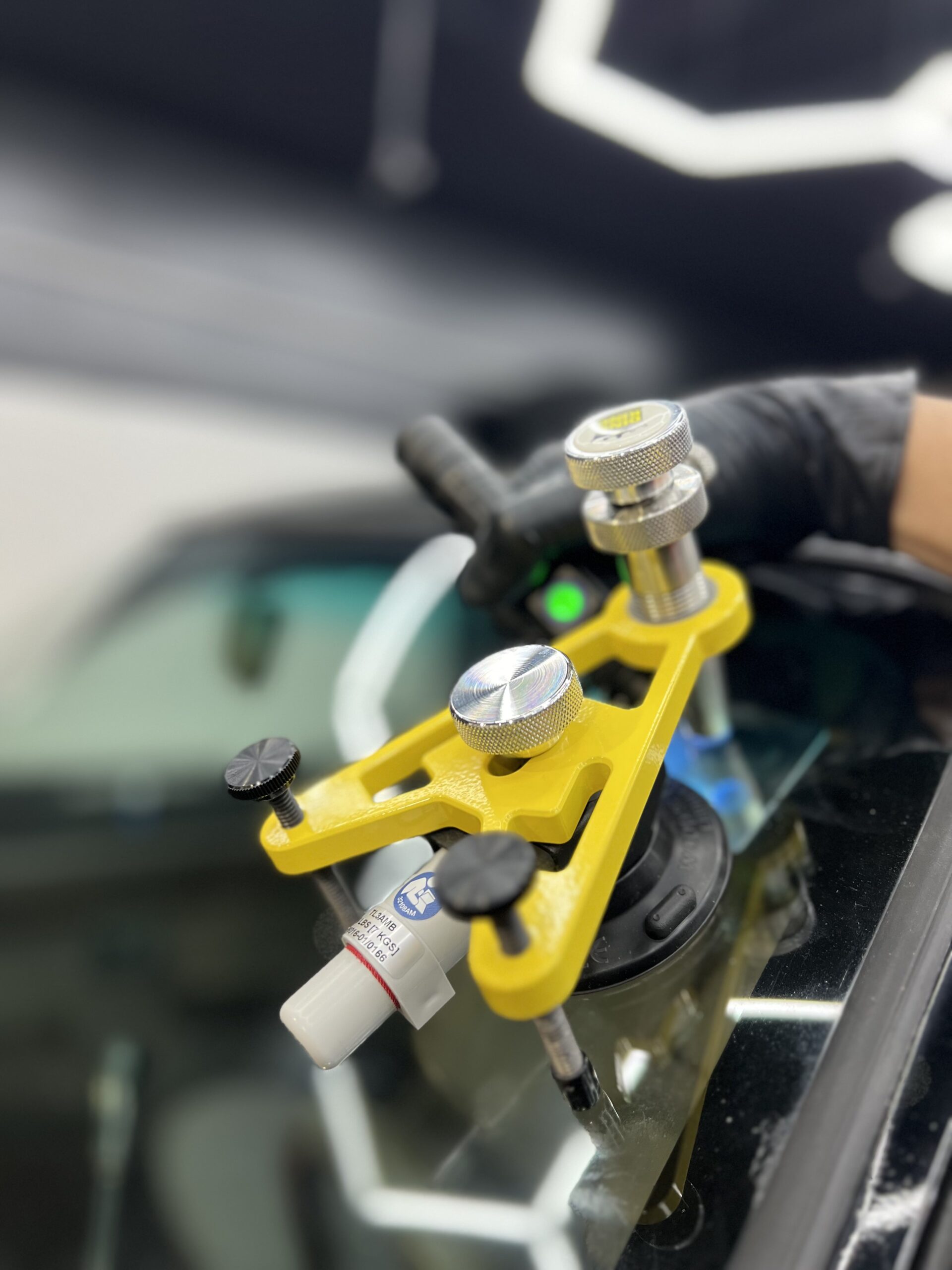
Windshield Repair
Best for minor chips smaller than a quarter or cracks less than 3 inches.
Quick and cost-effective.
Prevents cracks from spreading, avoiding more expensive full replacements.
Often covered by insurance without affecting your deductible.
Windshield Replacement
Required for cracks over 3 inches or damage in the driver’s line of sight.
Necessary for spiderweb cracks or multiple fractures.
Ensures structural integrity and full compliance with California law.
Typically, more expensive than repairs but essential for safety.
Professional assessment by a windshield specialist is always recommended to determine the correct course of action.
Insurance Coverage for Windshield Damage
Fortunately, many insurance policies in California cover windshield repairs or replacement. Key points to consider:
Comprehensive Coverage: Most policies cover windshield damage under comprehensive insurance.
Deductibles: Some insurers waive the deductible for glass repairs or replacement.
Full vs. Partial Payment: Insurance may cover the entire cost or only a portion, depending on your plan.
Prompt Claims: Reporting damage quickly can prevent the crack from worsening and maximize your coverage.
Always check with your insurance provider before repair or replacement to understand your benefits. Many windshield specialists can also provide documentation for insurance claims.
When to Act
Timing matters. A small chip can become a large crack within days or weeks due to:
Temperature changes cause expansion and contraction.
Pressure from vehicle vibrations or bumps.
Weather conditions such as hail or strong sunlight.
Under the California Windshield Crack Law, you should take immediate action once you notice damage. Delaying repairs increases safety risks, legal exposure, and repair costs.
Choosing a Windshield Specialist
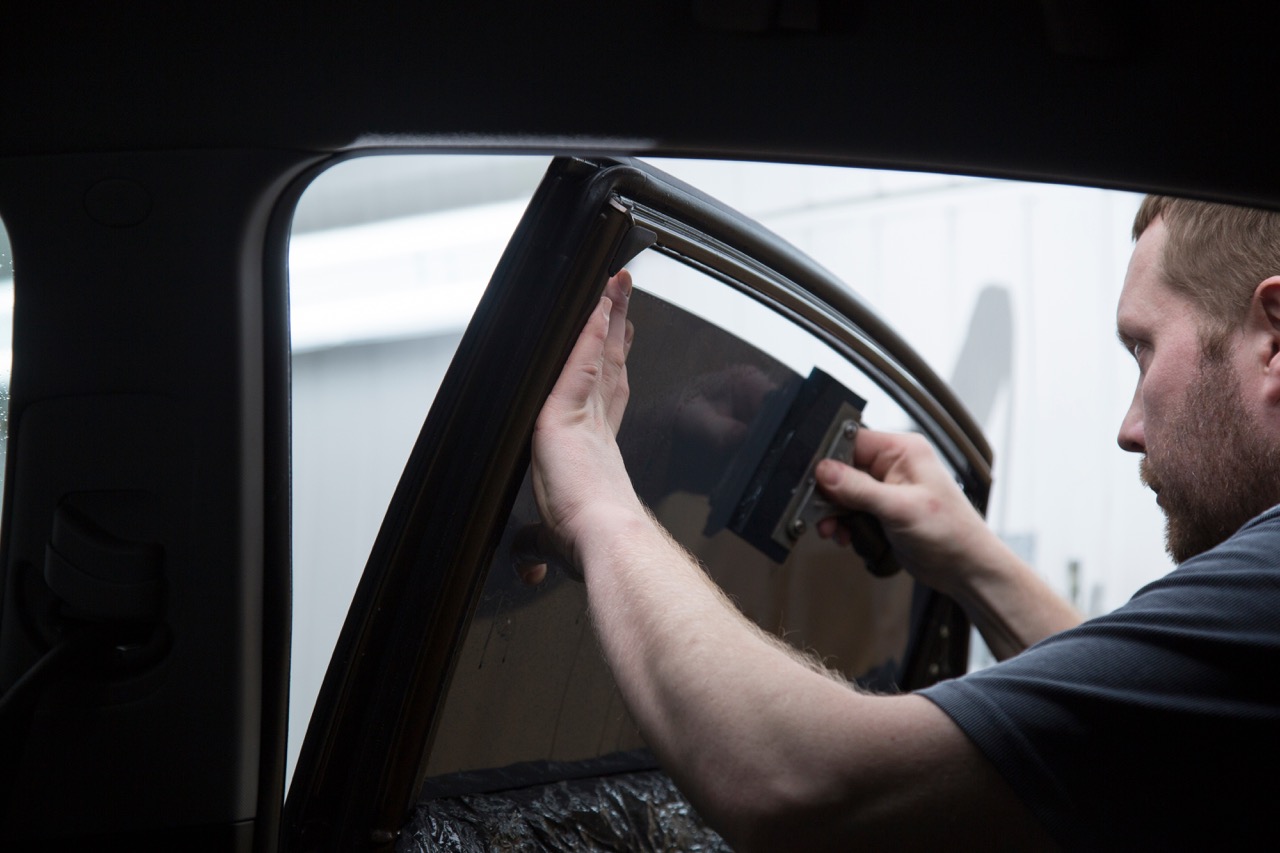
Professional installation and repair ensure compliance with California laws and guarantee safety. Here’s what to look for:
Certified Technicians: Ensure the team is trained in windshield repair and replacement.
Warranty Options: Look for coverage on materials and labor.
Quick Service: Fast repair or replacement reduces the risk of legal trouble and safety hazards.
Insurance Assistance: A specialist who helps with insurance paperwork can save time and money.
Rogueautosalon and similar trusted providers are equipped to assess damage, recommend repairs or replacements, and ensure your vehicle meets legal standards.
Final Thoughts: Stay Safe and Compliant in 2026
The California Windshield Crack Law is strict for a reason: driving with a damaged windshield is a serious safety risk. By acting promptly, using professional repair services, and understanding your insurance coverage, you can avoid legal issues, protect your passengers, and maintain your vehicle’s structural integrity.
Remember: even small chips can grow quickly, and delays may cost more than immediate repairs. A professional assessment ensures the windshield meets California standards and keeps you compliant with Vehicle Code Section 26710.
Protect yourself, protect others on the road, and drive safely by addressing windshield damage as soon as it occurs. In 2026 and beyond, staying informed about the California Windshield Crack Law isn’t optional; it’s essential for every driver on California roads.