Automotive Window Tint Colors: Which Shade Is Best for Your Car?
Automotive Window Tint Colors Guide: Shades, Benefits, and Visibility
When it comes to upgrading your vehicle, one of the most impactful changes you can make is adding window tint. But choosing the right automotive window tint colors isn’t just about aesthetics; your selection affects privacy, comfort, safety, heat reduction, and even legal compliance.
With so many options available, knowing which tint shade and film type to choose can seem overwhelming.
This guide breaks down everything you need to know to make an informed decision, from the differences between film types to the functional and aesthetic benefits of various tint shades.
Why Choosing the Right Automotive Window Tint Colors Matters
Tinting your car windows isn’t just a style statement; it serves practical purposes. Window tinting helps block harmful UV rays, reduce glare while driving, protect your interior from sun damage, and increase privacy. But the wrong tint shade can reduce visibility, violate local tint laws, or fail to provide the heat and UV protection you need.
Automotive window tint colors directly influence how much light is allowed to enter your vehicle, how effectively heat is rejected, and how much privacy you’ll get. Choosing the right shade ensures you get the maximum benefits from your investment while keeping your car safe, comfortable, and stylish.
Understanding Tint Shades and Their Impact
Automotive window tints come in a range of shades, measured by Visible Light Transmission (VLT). VLT indicates the percentage of visible light that passes through the film. The lower the VLT, the darker the tint, which provides more privacy and heat rejection but can reduce visibility, especially at night.
Here’s a breakdown of common tint shades and what they offer:
Tint Shade
Privacy Level
Heat Rejection
Glare Reduction
Best Use
50% (Light)
Low
Low
Minimal
Front side windows in sunny areas; maintain visibility
35% (Moderate)
Moderate
Moderate
Good
Balanced privacy and comfort; legal in most states
20% (Dark)
High
High
Excellent
Great for rear windows; ideal for reducing heat and UV exposure
5% (Limo Tint)
Maximum
Very High
Maximum
Maximum privacy and glare reduction; usually restricted to rear windows
Choosing the right shade depends on your priorities: balancing privacy, heat rejection, and compliance with local laws is essential. For drivers in regions with hot climates, darker shades like 20% or ceramic films may be preferable, while those needing maximum visibility may prefer lighter tints around 35–50% VLT.
Types of Window Tint Films
Not all window tint films are created equal. Different materials affect heat rejection, UV protection, durability, and how the tint looks on your car. Understanding these options helps you select the best automotive window tint colors for your needs.
Best For: Drivers who want maximum protection, comfort, and longevity.
Selecting the right tint film is just as important as picking the shade. For instance, a dark dyed tint may look good but offer minimal heat rejection compared to a lighter ceramic tint, which blocks more heat and UV rays without darkening the interior excessively.
Legal Considerations for Automotive Window Tint Colors
Before selecting a tint shade, you must understand local laws regulating VLT. Each state in the U.S. has legal limits on how dark your front and rear windows can be. Violating these limits can lead to fines, citations, or forced removal of your tint.
Key Legal Factors:
Front Side Windows: Many states require a minimum VLT to maintain visibility for drivers and passengers.
Rear Windows: Often allowed to be darker, but regulations vary.
Windshield Tinting: Usually limited to a tinted strip along the top portion.
Medical Exemptions: Drivers with certain health conditions, such as skin cancer, may qualify for darker tints.
Before purchasing automotive window tint colors, always verify your state’s tint laws to avoid legal trouble. A professional installer can guide you to select shades that are both effective and compliant.
Privacy, Safety, and Security Benefits
One of the main reasons drivers choose darker tints is enhanced privacy. Darker automotive window tint colors make it harder for others to see inside your vehicle, protecting passengers and belongings.
Additionally, some films are reinforced to provide extra safety. Anti-shatter or security films prevent glass from breaking into dangerous shards during minor impacts, adding another layer of protection. This is particularly useful for families, vehicles parked in high-theft areas, or drivers carrying valuable items.
Comfort and Heat Reduction
A significant functional benefit of tinting is heat rejection. High-quality tints reduce the amount of sunlight and UV rays entering your car, keeping the cabin cooler. This has multiple advantages:
Enhanced Comfort: Passengers stay cooler, even in intense sun.
Reduced AC Usage: Less reliance on air conditioning improves fuel efficiency.
Protection of Interior Materials: Prevents dashboard cracking, seat fading, and deterioration of electronics.
Minimized Glare: Improves visibility and reduces eye strain while driving.
Among film types, ceramic and carbon tints are the most effective at blocking heat and UV rays without compromising visibility. In contrast, dyed tints may provide aesthetic appeal but lower heat rejection, making them less ideal in hot climates.
Aesthetic Considerations
While functionality is crucial, tinting also enhances your vehicle’s appearance. Automotive window tint colors can complement your car’s paint, giving it a sleek, modern look. Darker shades tend to create a sporty, luxurious aesthetic, while lighter shades provide a subtle, understated effect.
When choosing a shade, consider:
How does it complement your car’s color
The overall visual appeal of darker vs. lighter shades
Whether you want a classic, modern, or custom look
For drivers who want a personalized touch, many professional installers offer custom tint options, including gradient tints, reflective finishes, or specialty films that balance performance and style.
Long-Term Maintenance of Automotive Window Tint Colors
Proper care ensures your tint lasts for years and maintains its effectiveness. Common tips include:
Avoid Rolling Down Windows Too Soon: Newly installed tints need a curing period (2–7 days, depending on climate and film type) before operating windows.
Clean Properly: Use ammonia-free cleaners and microfiber cloths to prevent bubbling, peeling, or discoloration.
Avoid Sharp Objects: Keys, rings, or even pet claws can scratch or damage the film.
Protect from Heat Stress: Sudden temperature changes from defrosters or high heat can cause warping or bubbling, especially on lower-quality films.
Regular Inspection: Check for peeling edges, bubbles, or discoloration and address minor issues promptly to prevent larger problems.
Following these maintenance tips maximizes the lifespan of your tint and ensures you continue to enjoy the privacy, comfort, and aesthetic benefits.
Professional vs. DIY Installation
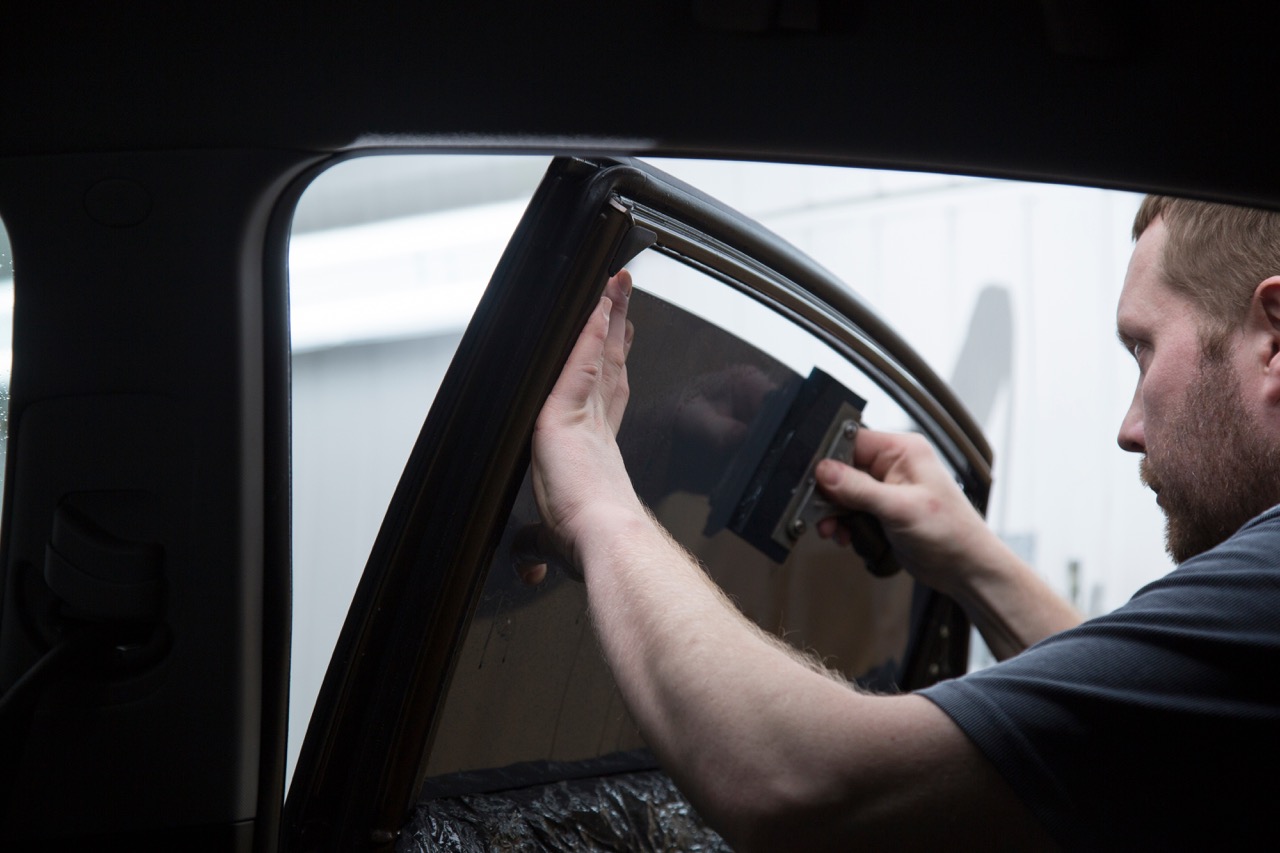
While DIY kits are available, professional installation guarantees the best results for automotive window tint colors. Benefits of professional installation include:
Precision Application: Prevents bubbles, misalignment, and peeling.
Compliance with Local Laws: Installers are familiar with state-specific VLT requirements.
Long-Term Durability: High-quality films installed correctly last longer and perform better.
Warranty Coverage: Many professional services offer warranties covering fading, bubbling, or peeling.
DIY installation may save money upfront, but mistakes can lead to poor appearance, reduced effectiveness, and legal issues. For long-term performance, it’s worth investing in certified professional installation.
Choosing the Right Automotive Window Tint Colors for Your Vehicle
Selecting the ideal tint involves balancing multiple factors:
Functionality: Prioritize heat rejection, UV protection, and glare reduction based on your climate and driving habits.
Privacy & Security: Decide how much visibility reduction you need for passengers and valuables.
Legal Compliance: Ensure your tint shade meets state laws to avoid fines.
Aesthetic Appeal: Pick a shade that complements your car’s color and design.
Film Type: Consider durability, heat rejection, UV protection, and electronic signal interference when choosing between dyed, metalized, carbon, hybrid, or ceramic films.
Installation: Always select a professional installer with experience and warranties to guarantee a high-quality, long-lasting finish.
Final Thoughts
Choosing the right automotive window tint colors is more than just picking a shade; it’s an investment in comfort, privacy, safety, and style. By understanding the differences in film types, VLT percentages, and legal considerations, you can select a tint that meets your needs while enhancing your vehicle’s appearance.
Professional installation ensures long-lasting, bubble-free results, and proper aftercare maximizes the lifespan and effectiveness of your tint. Whether you want to block UV rays, reduce heat, or protect your car’s interior, the right tint color and film type can significantly impact driving comfort, aesthetics, and safety.
Take the time to weigh your priorities, consult a reputable installer, and choose the shade that balances performance, style, and compliance. With the right approach, your vehicle will look sleek, stay cooler, and remain protected for years to come.