Can You Use AC After Tinting Windows? Everything You Need to Know
What to Avoid While Your Window Tint Cures
Can you use AC after tinting windows? This is one of the most common questions vehicle owners ask after getting their windows tinted. Window tinting offers major benefits, reduced heat, UV protection, improved comfort, and better efficiency, but many drivers worry that using the air conditioner too soon might damage the newly installed film.
The good news is that not only is using your AC safe after tinting, but it can also actually help the tint cure properly when used correctly.
This guide covers everything you need to know about AC use after window tinting, proper post-installation care, and how tinting improves long-term comfort and efficiency.
Understanding What Happens After Window Tinting
Window tinting involves applying a thin film to your vehicle’s glass using a specialized adhesive. Once installed, this film needs time to fully bond with the window, a process known as curing. During this curing period, moisture trapped between the film and the glass gradually evaporates, allowing the tint to adhere securely.
The curing process doesn’t happen instantly. Depending on climate conditions and the type of tint used, it can take anywhere from 3 to 7 days for the film to fully cure. During this time, temperature stability and minimal disturbance are key factors in ensuring a smooth, long-lasting finish.
Can You Use AC After Tinting Windows?
Yes, you can use AC after tinting windows, and in many cases, it’s actually beneficial.
Using your vehicle’s air conditioning helps regulate the interior temperature, which creates a stable environment for the tint film to cure properly. Rather than harming the tint, AC use can support the adhesive bonding process when done responsibly.
Why Using AC Is Safe and Helpful
Temperature control: Air conditioning prevents excessive heat buildup inside the car, which could otherwise interfere with even curing.
Reduced moisture: AC helps remove humidity from the cabin, keeping the interior dry and comfortable.
Consistent conditions: A stable interior temperature allows the adhesive to set evenly across the glass.
The key is to use the AC normally, without doing anything that physically disturbs the film while it cures.
What You Should Avoid During the Curing Period
While AC use is safe, there are a few important precautions to follow after tinting:
Avoid Rolling Down the Windows
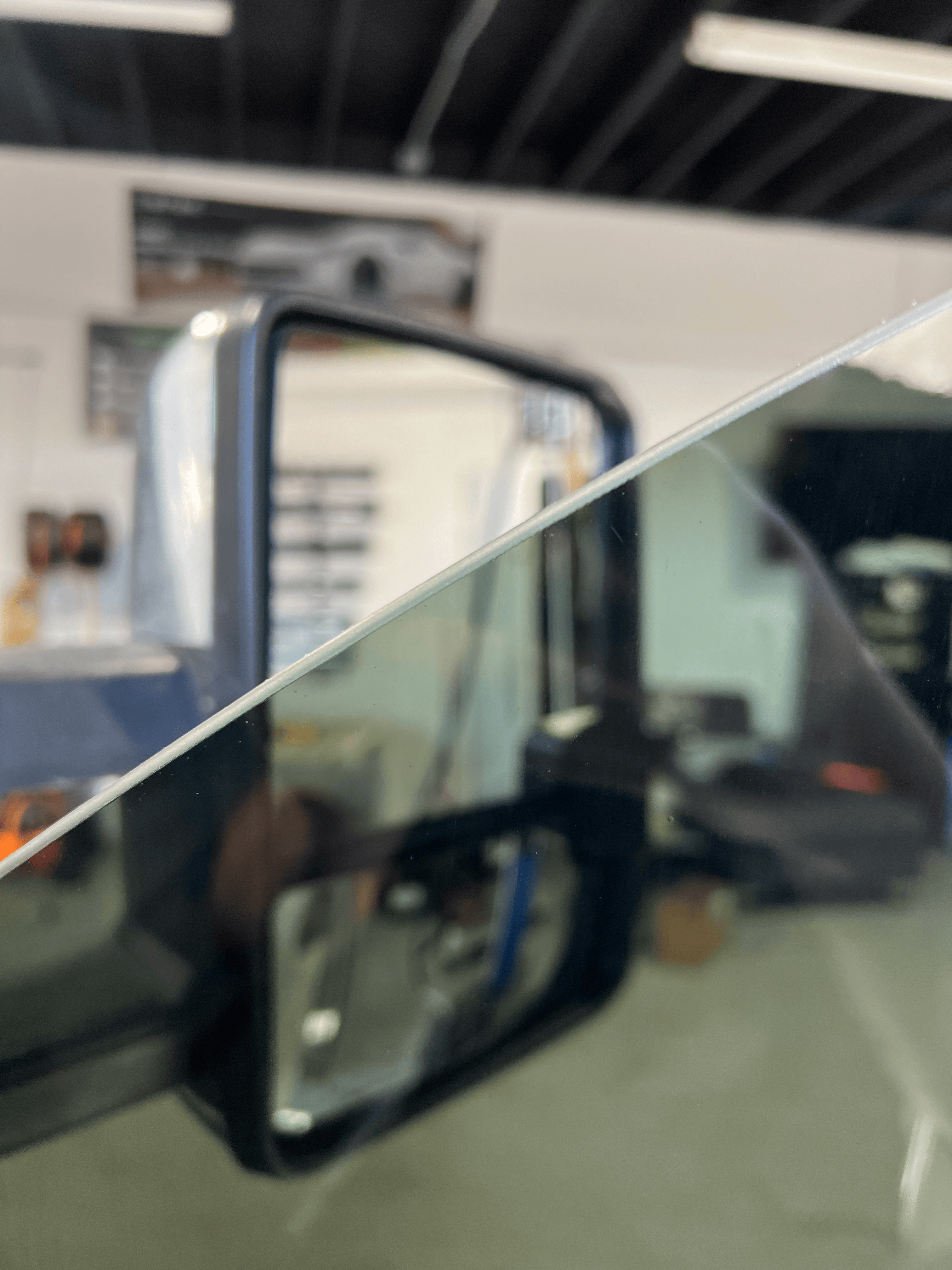
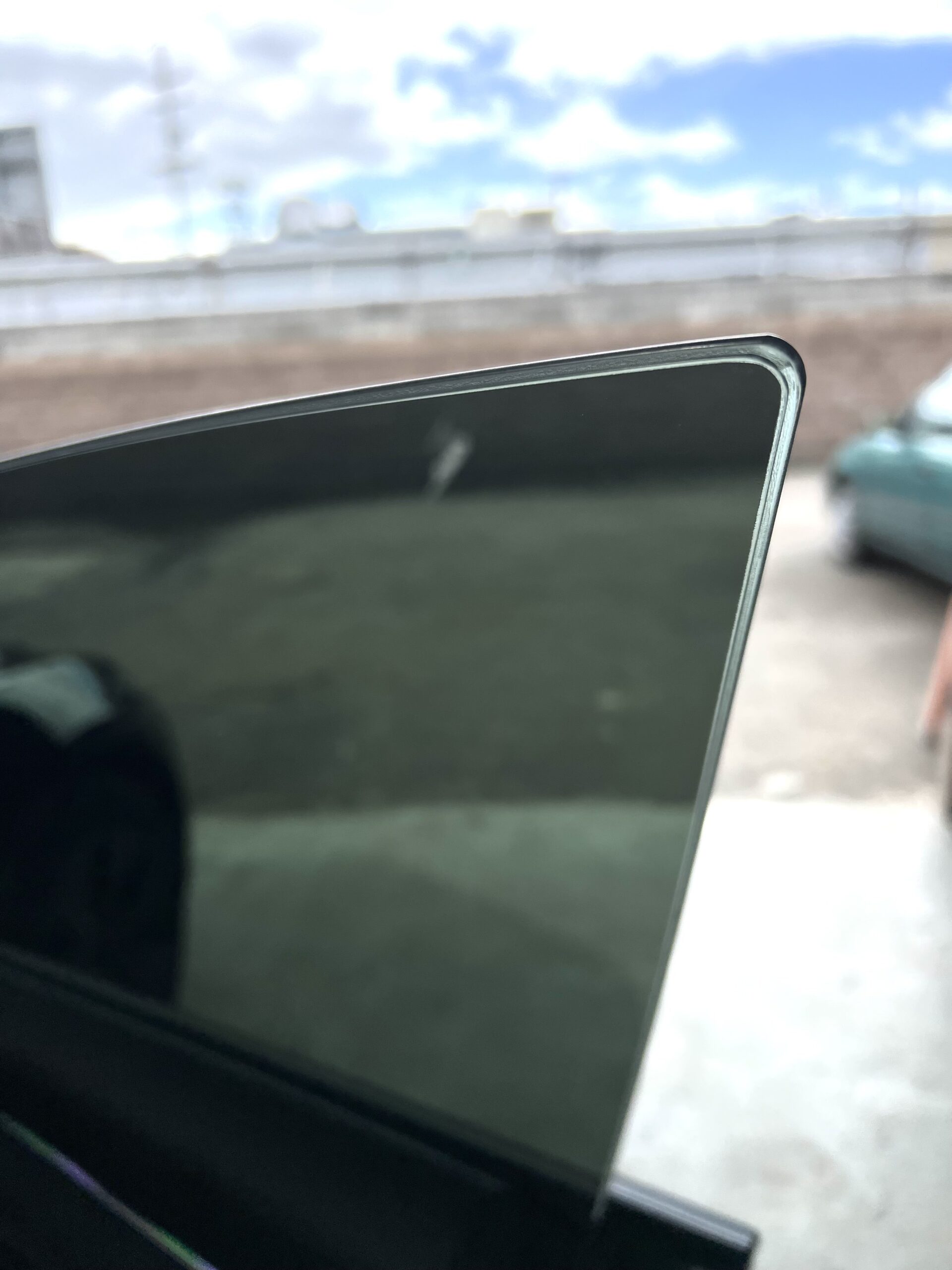
Rolling down your windows before the tint has cured can cause the edges of the film to peel, crease, or shift. This is one of the most common causes of post-installation damage.
Do Not Wash the Windows
Cleaning the inside of your windows too soon can disrupt the adhesive. It’s best to wait at least a full week before washing tinted windows.
Minimize Direct Sun Exposure
Parking in direct sunlight for long periods can create uneven curing conditions. When possible, park in shaded areas during the first few days.
Post-Tinting Care: Best Practices for Long-Lasting Results
Proper aftercare plays a huge role in how well your tint performs over time.
Do:
Use your AC to maintain a stable cabin temperature
Park in shaded areas when possible
Be patient during the curing process
Allow 3–7 days for full bonding
Don’t:
Roll down windows during the curing period
Clean tinted windows too soon
Scrape or touch the film
Exposing the vehicle to extreme conditions unnecessarily
Following these simple guidelines ensures your tint cures correctly and delivers maximum durability and clarity.
How Climate Affects Tint Curing and AC Use
The environment plays a big role in how long tint takes to cure.
Warm Climates
In warmer regions, tint tends to cure faster due to higher temperatures. However, excessive heat, especially direct sunlight, can cause uneven curing. Using AC helps balance interior temperatures and prevent overheating.
Cooler Climates
In cooler environments, curing may take longer. In these cases, a controlled interior environment created by air conditioning (or consistent temperature regulation) is especially beneficial.
No matter where you live, maintaining a stable interior climate supports proper curing.
How Window Tinting Improves AC Efficiency
Beyond the curing period, window tinting has long-term benefits for your vehicle’s air conditioning system.
Reduced Heat Inside the Vehicle
Window tinting blocks a significant portion of solar heat, often between 35% and 65%, which keeps your car cooler overall. With less heat entering the cabin, your AC doesn’t have to work as hard to maintain comfort.
Faster Cooling Times
Because the interior temperature starts lower, your air conditioner reaches the desired temperature faster and maintains it with less effort.
Lower Energy Use
Reduced AC workload means lower fuel or energy consumption, contributing to improved efficiency and reduced emissions.
The Science Behind Heat Reduction and Tinting
Window tinting works by either reflecting or absorbing solar energy before it enters your vehicle. Advanced tint films are engineered to block infrared radiation, which is one of the primary contributors to heat buildup inside a car.
High-quality tint films also improve thermal insulation, slowing the rate at which heat enters the cabin. This insulation effect helps maintain cooler temperatures even when the vehicle is parked or exposed to sunlight.
Long-Term Benefits for Your Air Conditioning System
Because tinted windows reduce the demand placed on your AC system, they also help extend its lifespan.
Less Wear and Tear
When the AC doesn’t have to work as hard or run at high settings as often, components experience less stress.
Fewer Repairs
Reduced strain can lead to fewer breakdowns, lower maintenance costs, and improved reliability during hot weather.
Consistent Performance
A well-supported AC system performs more consistently, keeping you comfortable during long drives and peak summer temperatures.
Choosing the Right Window Tint for Comfort and Efficiency
Not all window tints perform the same. Selecting the right type of tint plays a big role in both comfort and AC efficiency.
Dyed Window Tint
Cost-effective option
Absorbs some heat
Offers basic UV protection
May not block as much heat as other options
Metalized Window Tint
Reflects heat and UV rays
Highly effective at heat reduction
Can interfere with electronic signals
Carbon Window Tint
Matte finish with excellent heat rejection
Does not interfere with electronics
Durable and fade-resistant
Ceramic Window Tint
Premium performance
Superior heat and UV blocking
Excellent clarity and durability
Ideal for maximizing comfort and efficiency
Advanced options like carbon and ceramic tints are especially effective for drivers focused on interior comfort and AC performance.
Legal Considerations You Shouldn’t Ignore
Window tint laws vary by location and typically regulate how dark or reflective tints can be. These laws are based on Visible Light Transmission (VLT) percentages.
Before tinting your windows:
Check local regulations
Ensure your tint complies with legal limits
Consult professionals who understand regional laws
Legal compliance not only avoids fines but also ensures visibility and safety.
Professional Installation Matters
While DIY tint kits exist, professional installation offers clear advantages:
Smooth, bubble-free application
Proper alignment and edge sealing
Guidance on legal tint levels
Long-term warranties and support
Professional installers ensure your tint performs as intended, both during curing and over its lifespan.
Maintaining Tinted Windows Over Time
Once your tint has fully cured, maintenance is simple but important.
Best Maintenance Tips
Use non-ammonia cleaners
Clean with soft cloths
Avoid sharp objects near windows
Inspect periodically for damage
Proper maintenance preserves clarity, appearance, and performance for years to come.
Additional Benefits of Window Tinting
Beyond AC efficiency, window tinting offers several other advantages:
UV protection: Blocks up to 99% of harmful UV rays
Interior preservation: Prevents fading and cracking of upholstery and dashboards
Enhanced privacy: Makes it harder for outsiders to see inside
Improved aesthetics: Gives your vehicle a sleek, modern look
Reduced glare: Improves visibility and reduces eye strain
These combined benefits make window tinting a smart, long-term investment.
Final Thoughts: AC Use and Tinting Go Hand in Hand
Can you use AC after tinting windows? Absolutely. Using your air conditioning after window tinting is not only safe, it can actually help support proper curing by regulating temperature and reducing moisture. As long as you avoid rolling down the windows or cleaning them too soon, using the AC is encouraged.
In the long run, window tinting enhances your vehicle’s comfort, improves air conditioning efficiency, protects your interior, and reduces energy consumption. With the right tint, professional installation, and proper care, you’ll enjoy a cooler, more efficient, and more comfortable driving experience for years to come.
Window tinting isn’t just about style; it’s about smarter comfort, better efficiency, and long-term value.