Can You See Through Tinted Windows at Night? What Drivers Should Know
Understanding Visibility, Safety Risks, and Legal Limits After Dark
Can you see through tinted windows at night? This is one of the most common questions drivers ask when considering window tinting. Tinted windows are popular for their sleek appearance, privacy, UV protection, and heat reduction, but nighttime visibility raises valid safety concerns.
The truth is that visibility at night depends on several factors, especially the type of tint, how dark it is, your driving environment, and whether the tint complies with local laws. This guide breaks down everything drivers should know so you can make an informed, safe, and confident decision.
Why Drivers Choose Window Tinting in the First Place
Before addressing night visibility, it’s important to understand why window tinting is so widely used.
Window tinting involves applying a thin film to a vehicle’s glass to reduce sunlight, glare, and UV exposure. When done correctly, tinting can significantly improve comfort and protect both passengers and the vehicle’s interior.
Key benefits include:
Heat reduction: Tints limit the amount of heat entering the car, keeping the interior cooler.
UV protection: Quality films can block up to 99% of harmful UV rays, helping protect skin and prevent interior fading or cracking.
Reduced glare: Tinting minimizes harsh sunlight during the day and glare from headlights at night.
Enhanced privacy: Darker windows make it harder for outsiders to see inside the vehicle.
Improved appearance: Tinting adds a modern, polished look that many drivers prefer.
While these benefits are appealing, visibility, especially after sunset, must always remain the top priority.
Understanding Window Tint Levels and Visibility
Window tint darkness is measured by Visible Light Transmission (VLT), which refers to the percentage of light that passes through the window.
Higher VLT (lighter tint): Allows more light in, improving visibility.
Lower VLT (darker tint): Blocks more light, increasing privacy but reducing visibility.
For example:
A 50% tint allows half of the visible light to pass through.
A 20% tint allows only one-fifth of visible light through.
A 5% tint is extremely dark and significantly limits visibility.
The lower the VLT, the harder it can be to see, especially at night or in poor weather conditions.
Can You See Through Tinted Windows at Night? What Drivers Should Know
Daytime vs. Nighttime Visibility
During daylight hours, most high-quality tints do not significantly affect visibility. In fact, they can improve it by reducing glare from the sun. However, nighttime driving presents a different challenge.
At night, drivers rely on streetlights, headlights, and ambient lighting. Dark window tints reduce the amount of available light entering the vehicle, which can make it harder to see pedestrians, cyclists, road signs, and hazards, particularly in poorly lit areas.
How Different Tint Levels Affect Night Driving
Not all tints impact night visibility equally:
Lighter tints (35% VLT or higher): These generally offer the best balance. They reduce glare and heat while maintaining clear visibility at night. For drivers who frequently drive after dark, lighter tints are often the safest choice.
Medium tints (20–35% VLT): These provide more privacy and heat rejection but can slightly reduce visibility in low-light conditions. Drivers may need to be more cautious, especially on dimly lit roads.
Dark tints (below 20% VLT): These significantly restrict light and can make nighttime driving difficult and unsafe. Spotting pedestrians or obstacles becomes more challenging, and these tints may violate local laws.
The Role of Tint Type in Night Visibility
Beyond the darkness level, the type of tint film also matters. Different materials affect clarity, heat rejection, and long-term performance.
Dyed Film
Affordable and popular
Can fade over time
May reduce visibility if too dark
Less effective at blocking heat
Metalized Film
Reflects heat and UV rays
Very durable
Can interfere with GPS, radio, and phone signals
Visibility depends on the darkness level
Carbon Film
Matte finish with improved heat reduction
Maintains better clarity than dyed films
Does not interfere with electronics
Performs well in both day and night conditions
Ceramic Film
Advanced, high-performance option
Excellent heat and UV blocking
Maintains superior clarity
Minimal impact on night visibility even at moderate tint levels
High-quality films, especially carbon and ceramic, are designed to reduce glare and heat without sacrificing clear sightlines, making them ideal for safety-conscious drivers.
Lorem ipsum dolor sit amet, consectetur adipiscing elit, sed do eiusmod tempor incididunt ut labore et dolore magna aliqua. Enim blandit volutpat maecenas volutpat blandit aliquam etiam erat. Vitae et leo duis ut diam quam. Tincidunt id aliquet risus feugiat in ante. Magna etiam tempor orci eu. Amet volutpat consequat mauris nunc congue nisi vitae. Maecenas pharetra convallis posuere morbi leo urna molestie. Risus at ultrices mi tempus imperdiet nulla.
Bibendum at varius vel pharetra vel turpis. Facilisis volutpat est velit egestas dui id ornare arcu. Nisi porta lorem mollis aliquam ut porttitor leo. Felis imperdiet proin fermentum leo vel orci porta. Scelerisque fermentum dui faucibus in ornare quam viverra orci sagittis.
Lorem ipsum dolor sit amet, consectetur adipiscing elit, sed do eiusmod tempor incididunt ut labore et dolore magna aliqua. Enim blandit volutpat maecenas volutpat blandit aliquam etiam erat. Vitae et leo duis ut diam quam. Tincidunt id aliquet risus feugiat in ante. Magna etiam tempor orci eu. Amet volutpat consequat mauris nunc congue nisi vitae. Maecenas pharetra convallis posuere morbi leo urna molestie. Risus at ultrices mi tempus imperdiet nulla.
Bibendum at varius vel pharetra vel turpis. Facilisis volutpat est velit egestas dui id ornare arcu. Nisi porta lorem mollis aliquam ut porttitor leo. Felis imperdiet proin fermentum leo vel orci porta. Scelerisque fermentum dui faucibus in ornare quam viverra orci sagittis.
Night Driving, Weather, and Tinted Windows
Nighttime visibility can be further affected by weather conditions such as rain, fog, or mist.
Rain: Light reflections on wet roads combined with dark tints can obscure obstacles.
Fog: Reduced light transmission makes it harder to see through tinted windows.
Cloudy or stormy nights: Less ambient light increases the impact of darker tints.
Drivers in areas with frequent poor weather or limited street lighting should prioritize lighter tints to maintain safe visibility in all conditions.
Legal Considerations: Tint Laws and Night Safety
Window tint laws vary by state and country and are usually based on VLT percentages. These regulations are in place to ensure driver visibility and overall road safety.
Common legal guidelines include:
Front side windows: Often require a higher VLT (such as 70%) to ensure drivers can see clearly.
Rear side and back windows: Typically allowed to be darker.
Windshields: Typically feature a small tinted strip at the top to reduce glare.
Failing to comply with tint laws can result in fines, failed inspections, or mandatory tint removal. Legal limits are also a good safety benchmark; if a tint is too dark to be legal, it’s likely too dark for safe night driving.
Choosing the Right Tint for Your Driving Habits
When selecting window tint, drivers should consider how, when, and where they drive.
Assess Your Night Driving Frequency
If you often drive after dark, commuting late, working night shifts, or traveling rural roads, a lighter tint will help maintain visibility and reaction time.
Consider Your Environment
Urban areas with bright streetlights offer more nighttime visibility than rural or poorly lit roads. Drivers in darker environments should lean toward higher VLT options.
Balance Privacy and Safety
Privacy is important, but it should never come at the expense of safety. A moderate tint can still provide privacy while allowing enough light for safe nighttime driving.
Professional Installation Makes a Difference
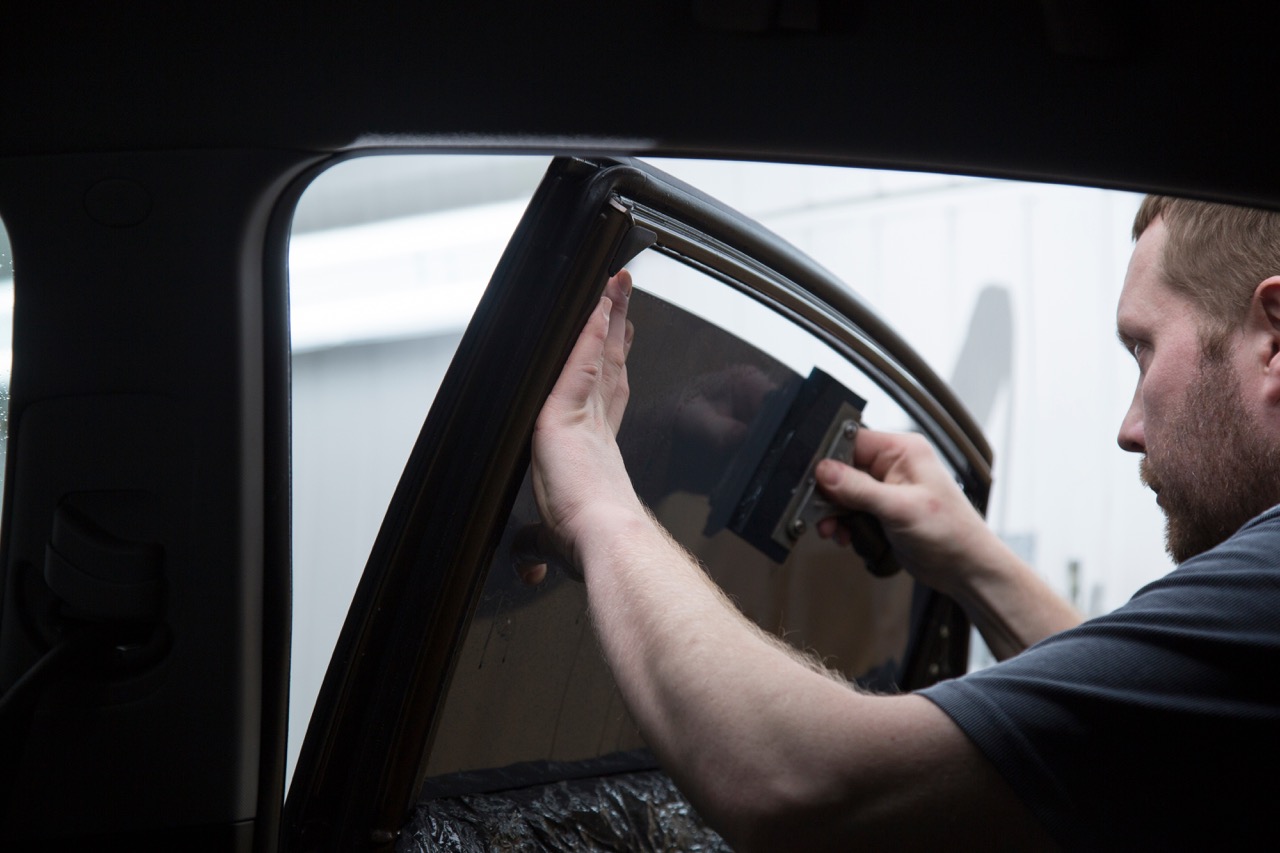
Professional installation plays a crucial role in visibility and performance. Poorly installed tint can bubble, peel, or distort light, making it harder to see, especially at night.
Certified installers:
Apply tint evenly
Recommend legal and appropriate VLT levels
Ensure clean edges and smooth surfaces
Use high-quality films designed for clarity
Professional guidance helps drivers avoid common mistakes that can negatively affect nighttime visibility.
Maintaining Tinted Windows for Clear Vision
Proper care keeps tinted windows looking good and functioning safely over time.
Best practices include:
Cleaning with soft cloths and non-ammonia cleaners
Avoiding sharp objects that can scratch the film
Monitoring for bubbles or discoloration
Addressing damage promptly
Scratches, dirt, and bubbles scatter light and reduce clarity, which can be especially problematic during night driving.
Final Thoughts: Seeing Clearly and Driving Safely
So, can you see through tinted windows at night? Yes, but only if you choose the right tint level, type, and installation method. Lighter and high-quality tints maintain visibility while still offering heat reduction, UV protection, and improved aesthetics. Darker tints, especially when combined with poor lighting or bad weather, can significantly reduce nighttime safety.
The key takeaway is balance. Window tinting should enhance your driving experience—not compromise it. By understanding tint levels, legal requirements, driving conditions, and film quality, you can enjoy the benefits of tinted windows while staying safe on the road.
When chosen wisely, window tinting can provide comfort, protection, and style—day or night, without putting visibility at risk.