Auto Tint Removal Cost: How Much Does It Really Cost in 2025?
Auto Tint Removal Cost in 2025: What Factors Influence the Price?
If you’ve been staring at a bubbling, faded, or cracked window tint, you’ve likely wondered: What is the auto tint removal cost in 2025? Removing old or damaged tint is more than just a cosmetic upgrade; it’s about restoring your vehicle’s appearance, improving visibility, and ensuring your windows function safely. Whether you’re considering a professional service or a DIY project, understanding the factors that influence cost and risk is essential before making a decision.
In this article, we’ll break down the true costs of auto tint removal, explain the differences between DIY and professional methods, and give tips on choosing a high-quality replacement tint that will last for years.
Why Window Tint Removal is Important
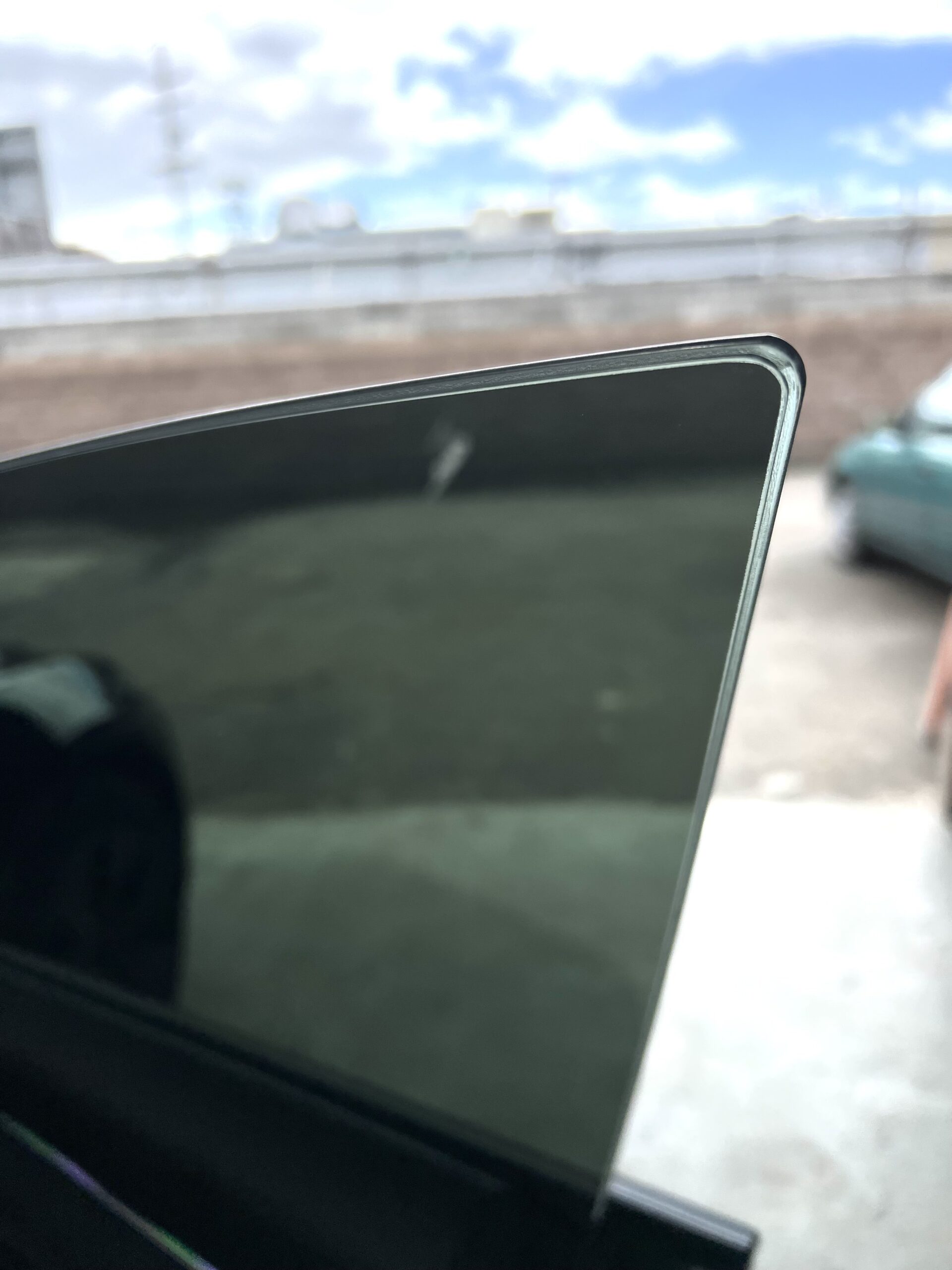
Window tints don’t last forever. Over time, they can fade, bubble, peel, or even turn a distracting purple hue on the rear windshield. While a minor bubble might seem harmless at first, it can quickly grow and impact both the appearance and functionality of your car windows.
Old or damaged tint can:
Reduce visibility, especially at night or during rain
Obstruct defroster lines on rear windows
Lead to costly repairs if DIY removal is done incorrectly
Removing old tint is not just a cosmetic choice, it’s about safety, compliance with local regulations, and preparing your vehicle for a new, high-quality tint.
Understanding Auto Tint Removal Cost in 2025
The cost of auto tint removal varies depending on several key factors: the size of your vehicle, the number of windows, the condition of the existing tint, and whether you choose professional removal or attempt it yourself.
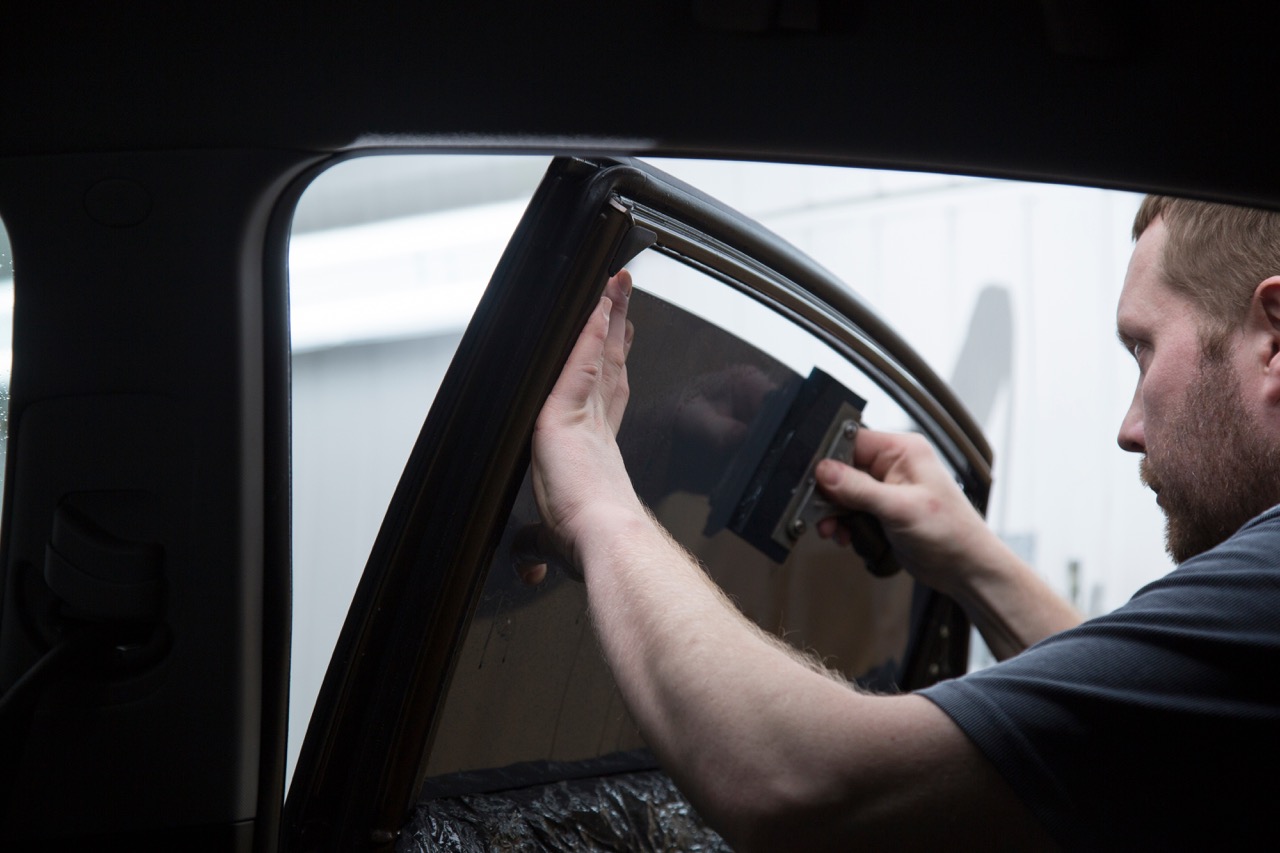
Professional Tint Removal Costs
For a standard sedan, professional tint removal typically ranges between $100 and $400. The price is influenced by the following:
Vehicle Type and Window Count: A sedan with four to five windows will be cheaper to remove than an SUV, minivan, or truck, which may have additional quarter or vent windows and larger rear windshields. More glass equals more labor.
Condition of the Tint:
Old but intact: Easier and quicker to remove using steam.
Bubbling or delaminating: Requires more effort and time.
Cracked, flaking, or purple tint: Most challenging to remove, may involve hours of scraping and chemical treatment.
Quality of Original Tint Film: Cheap dyed films often degrade over time, leaving sticky residues that are difficult to remove. High-quality films, like ceramic or carbon tints, are engineered to last and are easier for professionals to remove safely.
Local Labor Rates: Labor costs vary depending on your location. A professional shop in a large city will charge more than one in a smaller town due to higher overhead.
Cost Breakdown by Window and Vehicle Type:
Vehicle/Window Type
Estimated Cost
Side window (single)
$25–$50
Rear windshield
$75+
Standard sedan (full vehicle)
$100–$250
SUV/Minivan/Wagon (full vehicle)
$200–$400+
Trucks (full-size crew cab)
$200–$400+
Professional removal ensures that the glass remains undamaged, defroster lines are preserved, and adhesive residue is fully cleaned.
DIY Window Tint Removal: Is It Worth the Savings?
The DIY route can seem tempting, especially when comparing a $30 DIY kit to a potential $300 professional bill. However, while the financial cost is low, the time and risk involved can be high.
Typical DIY Supplies
Garment steamer (or household steamer)
Plastic scrapers or non-metallic razor blades
Heavy-duty trash bags (for sun-steaming method)
Cleaning solution (ammonia-free)
Spray bottles, microfiber towels, and paper towels
Popular DIY Methods
The Steamer Method (Professional’s Choice)
Steam penetrates the film and softens the adhesive.
Peel tint in large sheets with minimal residue.
Medium difficulty, low-to-medium risk.
The Heat Gun Method
Uses intense, dry heat to melt adhesive.
High risk: can crack glass or melt interior trim.
Not recommended for beginners.
The Soap & Sun Method (“Trash Bag” Method)
Spray windows with soapy water, cover with black plastic bags, and let the sun heat the adhesive.
Slower and weather-dependent, but low-cost.
High risk during scraping, especially for rear windows.
The Critical Risk: Rear Windshield Defroster Lines
One of the biggest dangers of DIY removal is damaging the rear defroster. These thin lines are essentially printed circuits, and even a small cut from a metal blade can permanently disable them.
Repair kits are available, but they are often unreliable. If the defroster is ruined, replacing the rear windshield can cost $400–$1,000, far exceeding the cost of professional tint removal. This makes DIY a risky choice for rear windows or heavily damaged tints.
Pro vs. DIY Recommendation:
Side windows: DIY can work for patient, careful individuals.
Rear windshield: Professional removal is highly recommended.
Factors That Influence Auto Tint Removal Cost
Vehicle Size & Window Count: Larger vehicles take longer and cost more.
Tint Condition: Damaged or degraded tint requires more labor.
Original Film Quality: Low-quality films are harder to remove.
Local Labor Rates: Costs vary by region.
Understanding these factors helps explain why prices for auto tint removal in 2025 vary widely.
Choosing a High-Quality Replacement Tint
Once the old tint is removed, it’s important to invest in a quality replacement to avoid repeating the removal process in a few years.
Common Reasons Tint Fails
Dye Fading: Cheap tints turn purple over time due to sun exposure.
Adhesive Failure: Low-quality glue loses effectiveness, causing bubbles and peeling.
Material Delamination: Multi-layer films separate, creating a cracked or “alligator skin” appearance.
What to Look for in a New Tint
Material Construction: Choose carbon or ceramic films rather than simple dyed tints.
Carbon: Stable, won’t fade.
Ceramic: Blocks heat and UV, does not interfere with electronic signals.
Performance Metrics: Check IR Rejection (infrared) and TSER (Total Solar Energy Rejected) ratings for heat and UV protection.
Lifetime Warranty: High-quality manufacturers back their products with warranties covering fading, bubbling, and delamination.
Investing in premium materials ensures that your new tint will last, protect your interior, and save you time and money in the long run.
Tips to Reduce Auto Tint Removal Costs
Combine Services: Remove old tint and apply new tint in a single appointment.
Avoid Cheap Films: High-quality films reduce future removal costs.
Compare Local Shops: Get multiple quotes to ensure competitive pricing.
Book Off-Peak: Some shops may offer discounts during slower periods.
Conclusion
The auto tint removal cost in 2025 depends on several factors, including vehicle type, window count, tint condition, and whether you hire a professional or attempt DIY. While DIY may appear cheaper, it carries significant risks, particularly for rear windshields with defroster lines. Professional removal ensures safety, preserves vehicle components, and saves time.
Once the old tint is removed, upgrading to high-quality carbon or ceramic film is crucial to prevent future problems. These films offer superior heat and UV protection, signal compatibility, and durability backed by lifetime warranties.
Whether you choose DIY or professional removal, understanding the costs, risks, and benefits ensures that your windows look great, function safely, and provide long-lasting performance.