When Can I Roll My Windows Down After Tint? Expert Advice & Timelines
How long to wait before rolling down tinted windows
If you’ve recently had your vehicle’s windows tinted, you’re probably wondering, “When can I roll my windows down after tint?“ It’s a common question with an important answer. While window tinting offers a host of benefits, from improved comfort and privacy to protection against UV rays, it also requires proper aftercare to ensure the film adheres correctly and lasts as long as it should.
Rolling your windows down too soon after a tint installation can cause the film to peel, bubble, or shift, all of which can ruin the look and effectiveness of your new tint. In this guide, we’ll explore the ideal waiting periods, factors that affect drying time, and expert tips to ensure you get the most out of your tint job.
Why Waiting Matters After Tinting
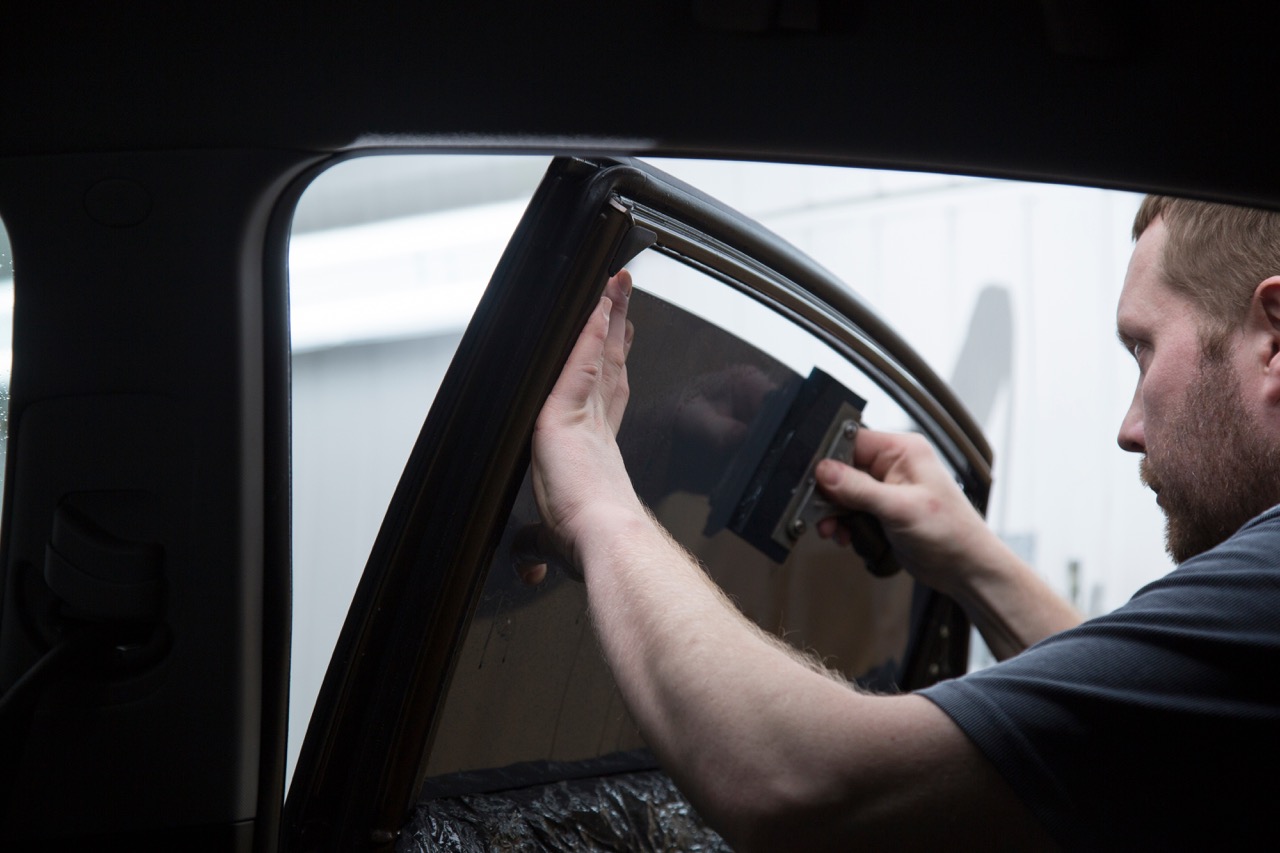
Tinting is more than just a cosmetic upgrade; it involves a delicate application process where a thin laminate film is bonded to your car windows using a special adhesive, often water-based. This adhesive needs time to cure, or “dry,” fully.
Just like painting a wall or sealing a countertop, curing time is crucial. Roll down your windows too soon, and you risk disrupting the bond between the tint film and the glass. The result? Peeling edges, bubbles, warping, or even a full redo, costing you more time and money.
Letting your tint properly cure is not only a way to preserve the look, but also the performance. A well-cured tint delivers optimal heat rejection, glare reduction, and UV protection. That’s why it’s essential to respect the timeline, no matter how tempting it is to crack the windows on a hot day.
How Long Should You Wait to Roll Down Your Windows?
So, when can you safely roll your windows down after tinting? While general advice says 48 hours, the real answer depends on a few variables. Let’s break down the typical timelines:
Minimum Waiting Time: 24 to 48 Hours
In ideal conditions, warm weather, low humidity, and a standard dyed tint, most installers recommend waiting at least 24 to 48 hours before touching those window switches. At this point, the adhesive will have begun to bond enough that normal movement won’t cause damage.
If your installer gives you the green light within this time frame, it’s usually safe, but you should still proceed with care.
Optimal Waiting Time: 3 to 5 Days
For best results, particularly in climates with cooler temperatures or high humidity, it’s better to wait three to five days. This gives the adhesive extra time to cure fully, ensuring the tint won’t shift or peel when the window is moved.
It’s also the sweet spot for more premium films like ceramic or metallic tints, which generally use thicker adhesives and may take longer to set.
Extended Waiting Time: Up to a Week
In certain cases, especially if the weather has been particularly cold, damp, or overcast, some professionals recommend waiting up to seven days before rolling down your windows. This is especially common with high-end tints or when windows have unique shapes or curves that require more careful bonding.
When in doubt, refer to your installer’s recommendation or play it safe and wait the full week. It’s a small inconvenience for long-term peace of mind. A major aspect of research is how much tint your car needs. Too little and premature curing time will be the least of your worries.
What Happens If You Roll the Windows Down Too Early?
Accidents happen. Maybe you forgot, or someone else in your car rolled a window down prematurely. Unfortunately, doing this before the film has cured can cause noticeable and often permanent damage.
The most common problems include:
Bubbling or Wrinkles: Movement of the window can shift the film, trapping air or water bubbles underneath.
Peeling Edges: The top edge of the tint may catch on the window seal and peel away when lowered.
Film Warping: Premature movement can stretch or misalign the film, causing distortions in visibility.
Void Warranty: Many manufacturers or installers void the warranty if post-installation care instructions aren’t followed, including early window use.
Even if the damage seems minor at first, these issues often worsen over time. A small bubble today can turn into a full peel weeks later, requiring a complete re-tint.
What Affects Tint Curing Time?
Not all tinting jobs cure at the same rate. Several key factors can influence how quickly your tint dries and when it’s safe to roll your windows down.
Type of Window Film
Not all window films are made the same. Dyed tints tend to cure faster, sometimes within 24–48 hours. However, ceramic and metallic films, while more durable and effective, usually require more drying time due to their thicker adhesive layers. Here are some of the best window tint brands, explained.
Weather Conditions
Weather plays a huge role in drying time:
Warm, sunny weather helps speed up curing. UV rays and heat accelerate the evaporation of moisture from the adhesive.
Cold or humid weather slows down the process. Moisture in the air makes it harder for the adhesive to fully set.
Rain or snow in the days following installation can delay curing and should be avoided if possible.
If you live in a region with unpredictable weather, ask your installer how environmental conditions may affect your specific installation.
Installation Quality and Technique
A professional, experienced installer will use high-quality film and precise techniques to minimize bubbles and ensure a clean application. This can reduce drying time and improve the overall durability of the tint.
Conversely, rushed or amateur installation may result in excess moisture trapped under the film, leading to longer cure times and higher chances of issues.
Window Size and Shape
Larger windows or those with complex curves and contours may take longer to dry fully, simply because there’s more surface area and more potential for uneven adhesion. Rear windshields and curved side windows often take the longest.
How to Protect Your Tint During the Curing Period
The time immediately after tinting is critical for a successful finish. Here’s how to make sure your new tint sets properly and lasts:
Follow your installer’s instructions exactly. They’ll know the best timeline based on the film used and the current weather.
Avoid cleaning the inside of your windows for at least a week after installation. Any cleaning solutions, rubbing, or wiping can loosen the film or disrupt the adhesive before it’s fully cured.
Be gentle when opening and closing doors. Slamming a door can cause pressure changes inside the car that may affect the tint, especially on partially cured windows.
Park your vehicle in the shade when possible. While sunlight helps dry the tint, excessive heat can also cause bubbling if the adhesive hasn’t set properly yet.
Use your vehicle’s ventilation system instead of cracking a window. This keeps your interior comfortable without putting the tint at risk.
Common Tint Myths: Does It Get Darker Over Time?
One common question is whether window tint gets darker after installation. The answer is: not really, but it might look like it does.
During the curing process, especially in the first few days, the film may appear hazy, streaky, or even a bit lighter or darker in color. This is usually due to residual moisture between the film and the glass. As the moisture evaporates, the tint will settle into its true final appearance.
It’s all part of the normal drying process, so don’t worry if things look a little “off” for the first few days. If the haze persists after a week or two, then it’s worth checking in with your installer.
How to Speed Up Drying — Safely
While you can’t rush a perfect tint job, there are a few things you can do to encourage quicker drying, without causing damage.
Create the right environment: Warm, dry air helps curing. Park your car in a sunny location or a heated garage.
Ventilate naturally: Use your vehicle’s air vents to reduce humidity inside, but avoid blowing air directly on the windows.
Avoid artificial heat: Never use a hairdryer or space heater to “speed up” the drying process. Uneven heat can cause bubbles, warping, or even melt the tint.
Choose a dry season: If you haven’t tinted your windows yet, schedule the appointment during a period of consistently warm, dry weather. This gives your tint the best shot at a quick, problem-free cure.
Final Thoughts: When Can I Roll My Windows Down After Tint?
So, to bring it all together, when can I roll my windows down after tint?
The safest answer is after at least 48 hours, but ideally, give it 3 to 5 days. If you’ve invested in a high-end tint or the weather isn’t cooperating, waiting a full week may be best. While it can be inconvenient, that short wait ensures your tint cures properly, looks great, and performs as expected for years to come.
Patience is a small price to pay for a high-quality finish that enhances your vehicle’s comfort, style, and protection. Whether you’re dealing with your first tint or you’re a seasoned car enthusiast, proper aftercare makes all the difference. When in doubt, wait it out. Your car (and your wallet) will thank you.