Autocare

What Is the Best PPF Film? Expert Guide to Choosing Paint Protection Film

Top tips to find the best PPF film for ultimate car protection.

Your vehicle is more than just a means of transportation, it’s a reflection of your lifestyle and often one of your most valuable investments. With constant exposure to harsh road conditions, UV rays, bug splatters, and flying debris, protecting your car’s exterior is essential. That’s where Paint Protection Film (PPF) comes in.

If you’ve been asking yourself, What is the best PPF film?, you’re not alone. With many options on the market and a wide range of features, it can be difficult to choose the right one. This guide simplifies the process by helping you understand what PPF is, why it matters, and how to select the best one for your car.

What Is Paint Protection Film (PPF)?

Paint Protection Film (PPF) is a transparent, urethane-based film applied to the exterior surfaces of a vehicle to protect its paint from physical and environmental damage. It’s like a second skin for your cardefending against rock chips, scratches, bird droppings, acid rain, and more.

Unlike waxes or ceramic coatings, PPF offers long-term protection, often lasting 5 to 10 years, and some films even come with self-healing properties, meaning minor scratches can vanish with heat exposure.

Key Benefits of PPF:

  • Shields paint from chips, scratches, and debris

  • Reduces damage from UV rays and oxidation

  • Maintains a glossy or matte finish

  • Adds to your vehicle’s resale value

  • Self-heals from minor abrasions

  • Makes cleaning easier due to hydrophobic features

Why You Need PPF: More Than Just Looks

Car owners today want more than shine, they want longevity and protection. PPF does more than preserve your car’s appearance; it actively defends against damage that can decrease its value.

Whether you’re a daily commuter, road-tripper, or car enthusiast, applying a high-quality PPF is a worthwhile investment that pays off in fewer paint repairs and higher resale value.

What Is the Best PPF Film? Factors to Consider

how to remove paint protection film from car

When asking, “What is the best PPF film?”, the answer depends on your specific needs, driving habits, and aesthetic preferences. Here’s what you should evaluate when choosing the right PPF:

  1. Material Quality & Durability

The foundation of a good PPF is its material. The best films use Thermoplastic Polyurethane (TPU), which offers superior elasticity, clarity, and resistance to impact and chemicals.

Durability is key, look for films that withstand years of exposure to UV rays, road grime, and fluctuating weather without yellowing or peeling.

Tip: High-end PPFs often last 5 to 10 years and come with a manufacturer’s warranty.

  1. Thickness & Impact Resistance

Thickness matters. Thicker PPFs (typically 8 mils or more) provide better protection against rocks and debris but may be slightly less flexible during installation.

  • Thick films = Greater protection

  • Thinner films = Easier to apply on curves and corners

Finding the right balance between protection and flexibility ensures both coverage and an aesthetically pleasing finish.

  1. Clarity, Finish, and Aesthetics

A high-quality PPF should be virtually invisible once applied. Choose a film that preserves your car’s original paint clarity without distortion.

PPF is available in different finishes:

  • Gloss finish enhances shine and depth

  • Matte finish gives a modern, stealthy look

  • Coloured or tinted PPFs offer customization options

Your choice of finish should align with your car’s styling and your personal taste.

  1. Self-Healing Properties

One of the most popular features in premium PPFs is self-healing technology. When exposed to heat or sunlight, the film can “heal” light scratches, swirl marks, and scuffs automatically.

This is particularly useful for those who frequently park outdoors or drive on busy roads.

  1. UV Protection & Hydrophobic Coating

UV rays can cause paint to oxidize and fade over time. A good PPF acts as a UV barrier, protecting the underlying paint from sun damage.

Hydrophobic (water-repelling) coatings are another key feature. They help:

  • Reduce water spots

  • Make washing easier

  • Prevent staining from contaminants
  1. Brand Reputation & Warranty

Always choose a PPF brand that is well-reviewed and industry-recognized. Established brands like LLumar, 3M, and XPEL are known for quality and innovation.

Also, check the warranty terms. A comprehensive warranty covering yellowing, cracking, peeling, and delamination is a sign of confidence from the manufacturer.

Top Recommended PPF Brands

what is the best ppf film

Here are some top-rated PPF brands commonly recommended by detailers and auto enthusiasts:

LLumar PPF

  • Known for advanced self-healing and stain resistance

  • Available in both gloss and matte finishes

Offers UV protection and hydrophobic coating

XPEL Ultimate Plus

  • Industry-leading clarity and self-healing

  • Includes Edge Seal technology to prevent lifting

  • Backed by a 10-year warranty

3M Scotchgard Pro

  • Excellent impact protection

  • Durable, glossy finish

  • 7-year warranty with easy maintenance

The Role of Professional Installation

Even the best PPF film can fail if not applied correctly. That’s why professional installation is a must.

Certified PPF installers use precision-cut templates, edge wrapping techniques, and clean-room environments to ensure:

  • Seamless coverage

  • No bubbles or lift lines

  • Warranty compliance

DIY kits might be tempting, but they often result in poor aesthetics and reduced protection. It’s worth paying for a proper job done by a trained professional.

Finding a Certified PPF Installer Near You

Here’s a quick checklist to find a trustworthy installer:

  • Look for manufacturer certification (e.g., LLumar, XPEL Certified)
  • Read online reviews and customer testimonials
  • Ask for before-and-after photos of past work
  • Inquire about warranty and aftercare services
  • Request a quote and clarity on the installation timeline

If you’re located in San Jose, California, Rogueautosalon offers professional PPF installation using Premium Clear Bra Paint Protection Film, with free estimates and expert care.

Warranty and Aftercare: Long-Term Protection

Aftercare plays a big role in getting the most out of your PPF investment. Here are a few maintenance tips:

  • Wash regularly using pH-neutral soap

  • Avoid harsh chemicals or abrasive towels

  • Remove contaminants (bird droppings, bugs) promptly

  • Decontamination washes every few months help maintain gloss and clarity

Be sure to read the warranty details. Most reputable brands offer coverage for 5 to 10 years, some even longer.

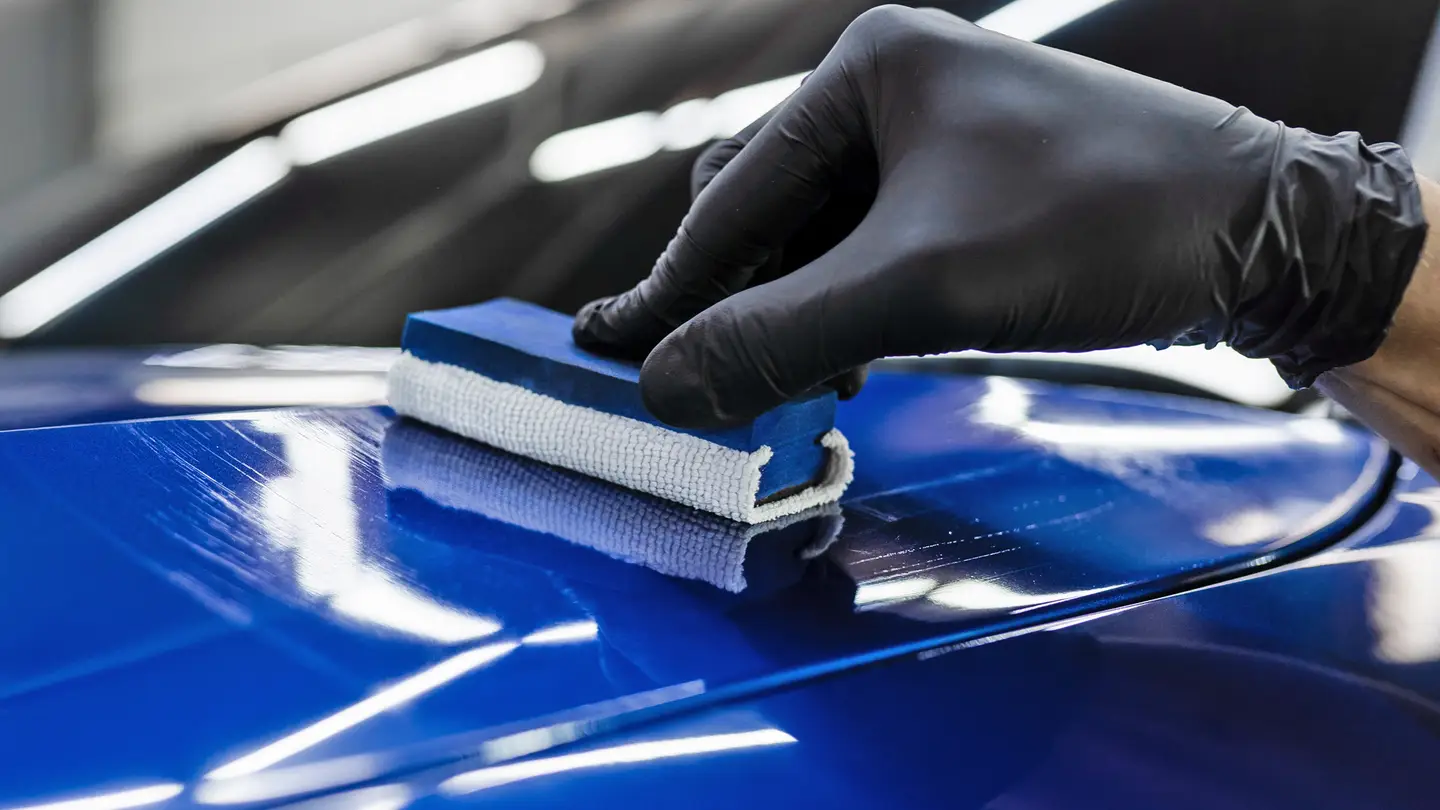
Ceramic coating and paint protection film

What Is the Best PPF Film for You?

So, back to our core question: What is the best PPF film?

The answer depends on what you value most:

Priority

Best PPF Feature

Maximum durability

Aegis Eternal 300 or XPEL Ultimate Plus

Best aesthetics

LLumar Gloss or Matte Finish

Self-healing tech

XPEL & LLumar

Budget-friendly

3M Scotchgard Pro

Lifetime coverage

Aegis Eternal 300 (when professionally installed)

No matter which brand you choose, professional installation and regular maintenance are key to making your investment last.

Final Thoughts

If you’re serious about protecting your car and maintaining its resale value, then Paint Protection Film is a smart, long-term investment. It shields your vehicle from damage, enhances its appearance, and saves you money on repairs down the line.

Whether you’re cruising through city traffic or hitting the highway, having the right PPF can give you peace of mind. Now that you understand what is the best PPF film, you’re equipped to choose one that matches your driving needs, style preferences, and budget.

So, go ahead, protect your investment and keep your car looking its best for years to come.

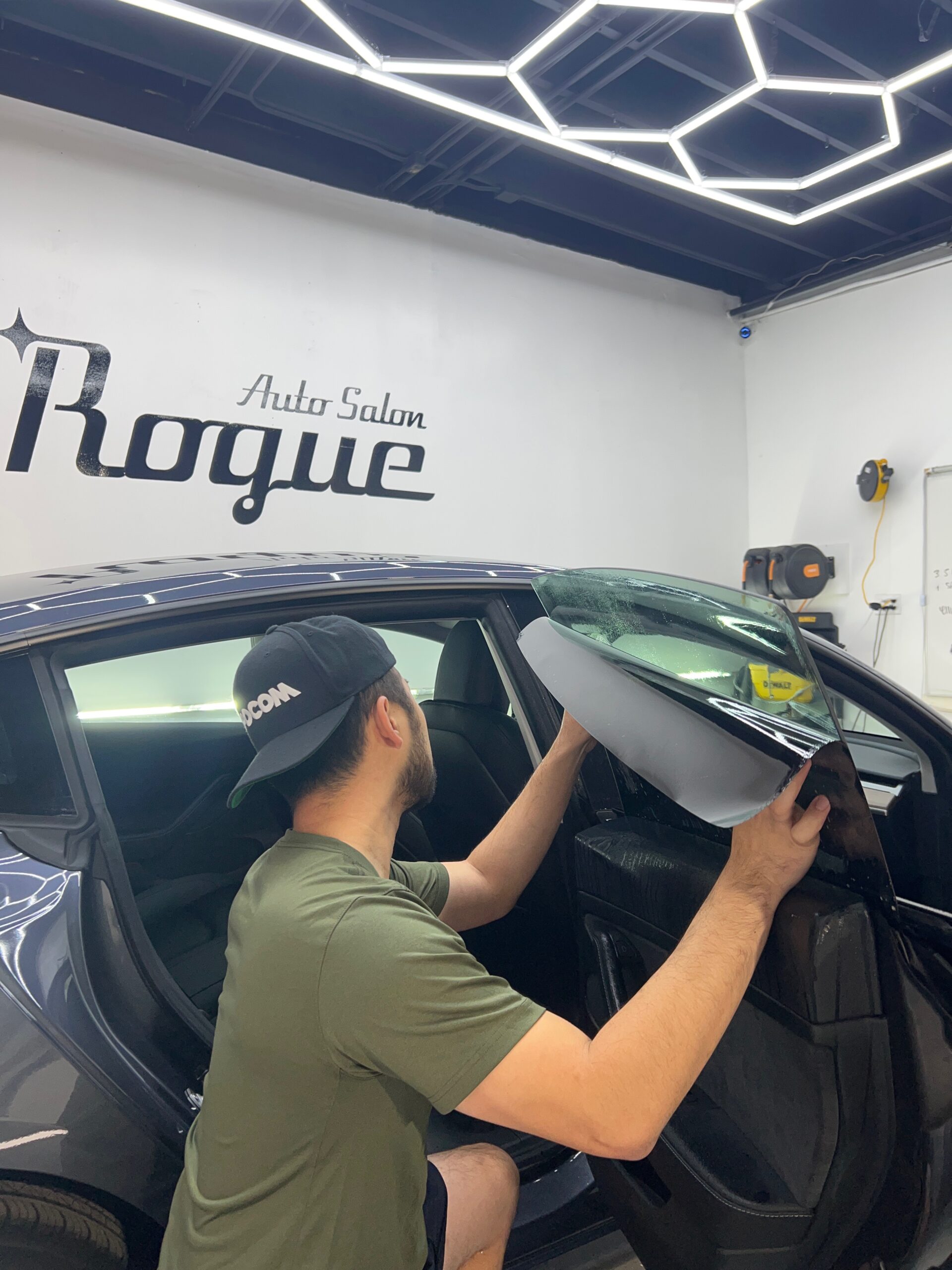
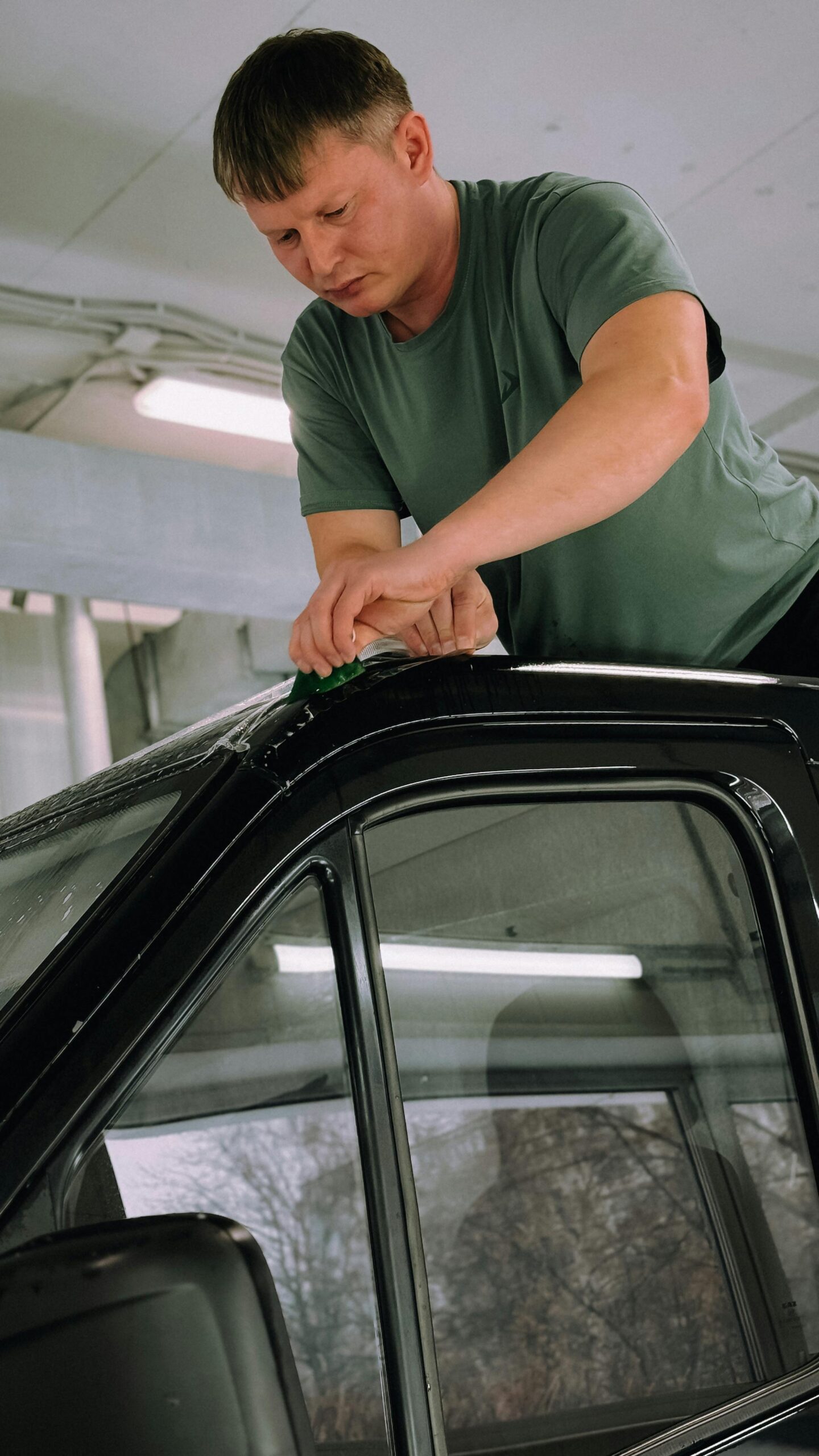
Technician applying paint protection film on a car window – Is paint protection film worth it for safeguarding your vehicle’s surfaces?