Autocare
Is Chameleon Window Tint Legal by State?
Learn state-by-state laws, restrictions, before installing chameleon window tint.
If you’re considering giving your vehicle a bold, color-shifting appearance, one of the first questions you’ll likely ask is, ” Is Chameleon Window Tint Legal in your state?
The answer isn’t a simple yes or no. Chameleon window tint is legal in many parts of the United States, but whether you can use it depends on your state’s window tint laws, the tint’s Visible Light Transmission (VLT) percentage, reflectivity, and where the film is installed.
Understanding these regulations before installing chameleon tint can help you avoid fines, failed inspections, or having to remove the film altogether.
In this guide, we’ll explain how chameleon window tint works, why legality varies from state to state, the key tint laws you should know, and how to choose a legal chameleon tint that delivers both style and performance.
What Is Chameleon Window Tint?
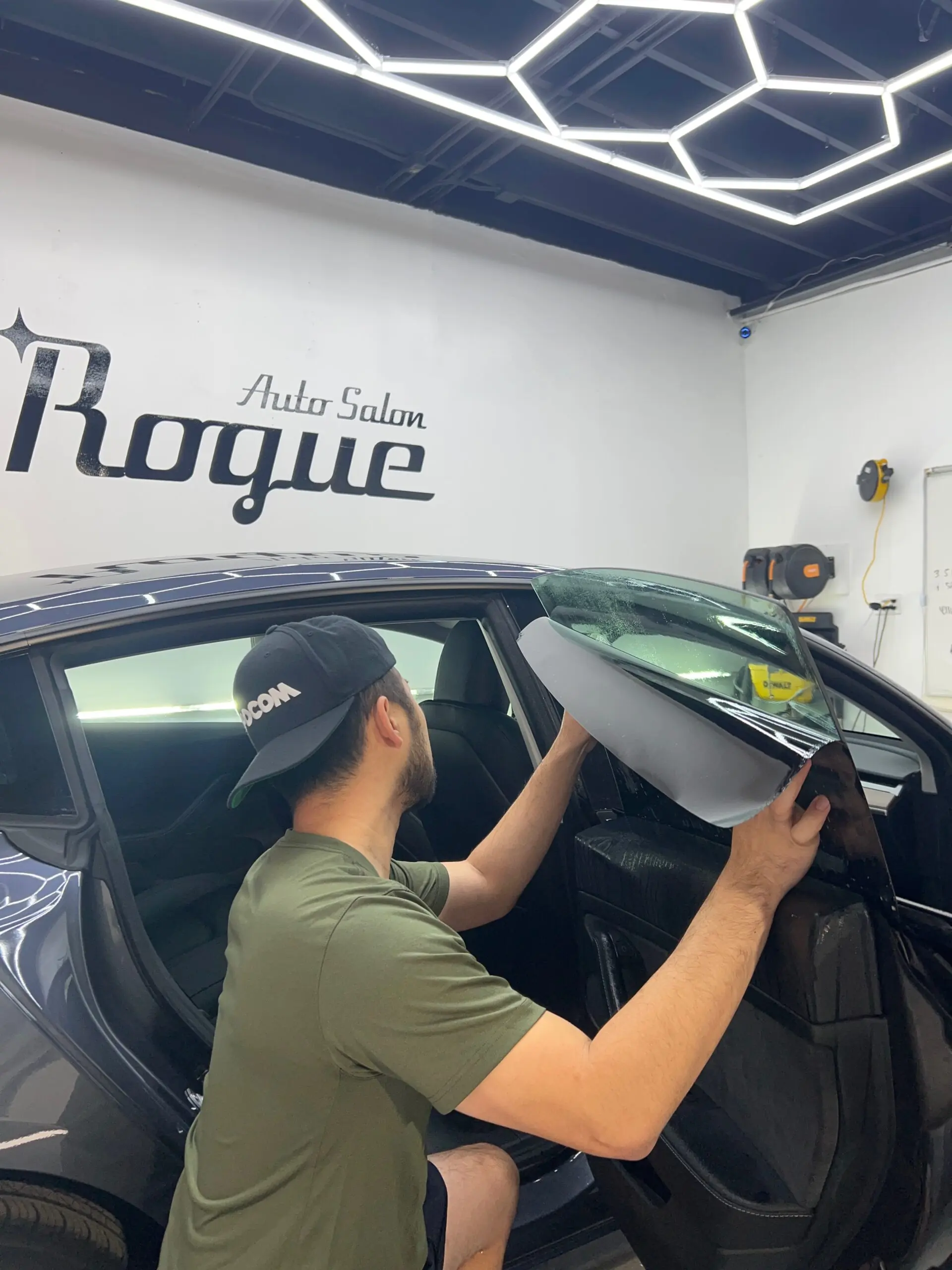
Chameleon window tint is a premium automotive window film that changes color with the viewing angle and lighting conditions. Unlike traditional black, charcoal, or smoke window tints, chameleon films display shifting shades of blue, purple, red, gold, or other vibrant colors as sunlight reflects off the surface.
The color-changing effect is created using advanced multilayer film technology that reflects specific wavelengths of light while still allowing visible light to pass through according to the film’s VLT rating.
Besides its distinctive appearance, the chameleon tint also provides practical benefits, including:
- Excellent heat rejection
- Up to 99% UV protection with premium films
- Reduced glare from sunlight and headlights
- Improved cabin comfort
- Protection against interior fading
- A premium, customized appearance
These benefits have made chameleon tint increasingly popular among drivers looking for both performance and aesthetics.
Is Chameleon Window Tint Legal?
Yes, but only if it complies with your state’s tint laws.
Many people mistakenly believe that the color-changing effect itself makes chameleon tint illegal. In reality, most state regulations don’t specifically prohibit chameleon films. Instead, they regulate characteristics such as:
- Visible Light Transmission (VLT)
- Reflectivity
- Windshield coverage
- Mirror-like appearance
- Installation location
If your chameleon tint falls within your state’s legal requirements, it may be perfectly legal to install.
However, darker or highly reflective versions can violate state laws, particularly on front side windows or windshields.
Why Tint Laws Differ by State
Unlike many vehicle regulations that are governed federally, window tint laws are established by each U.S. state.
This means:
- A tint that’s legal in Texas may not be legal in California.
- A film approved in Florida may fail inspection in New York.
- Some states allow any darkness on rear windows, while others regulate every window equally.
Law enforcement officers typically measure the combined VLT of the factory glass and aftermarket film, not just the film itself.
That’s why choosing a film solely based on its advertised VLT can sometimes lead to unexpected compliance issues.
Understanding Visible Light Transmission (VLT)
The most important factor affecting Chameleon Window Tint Legal compliance is Visible Light Transmission (VLT).
VLT measures the percentage of visible light passing through both the window glass and the tint film.
For example:
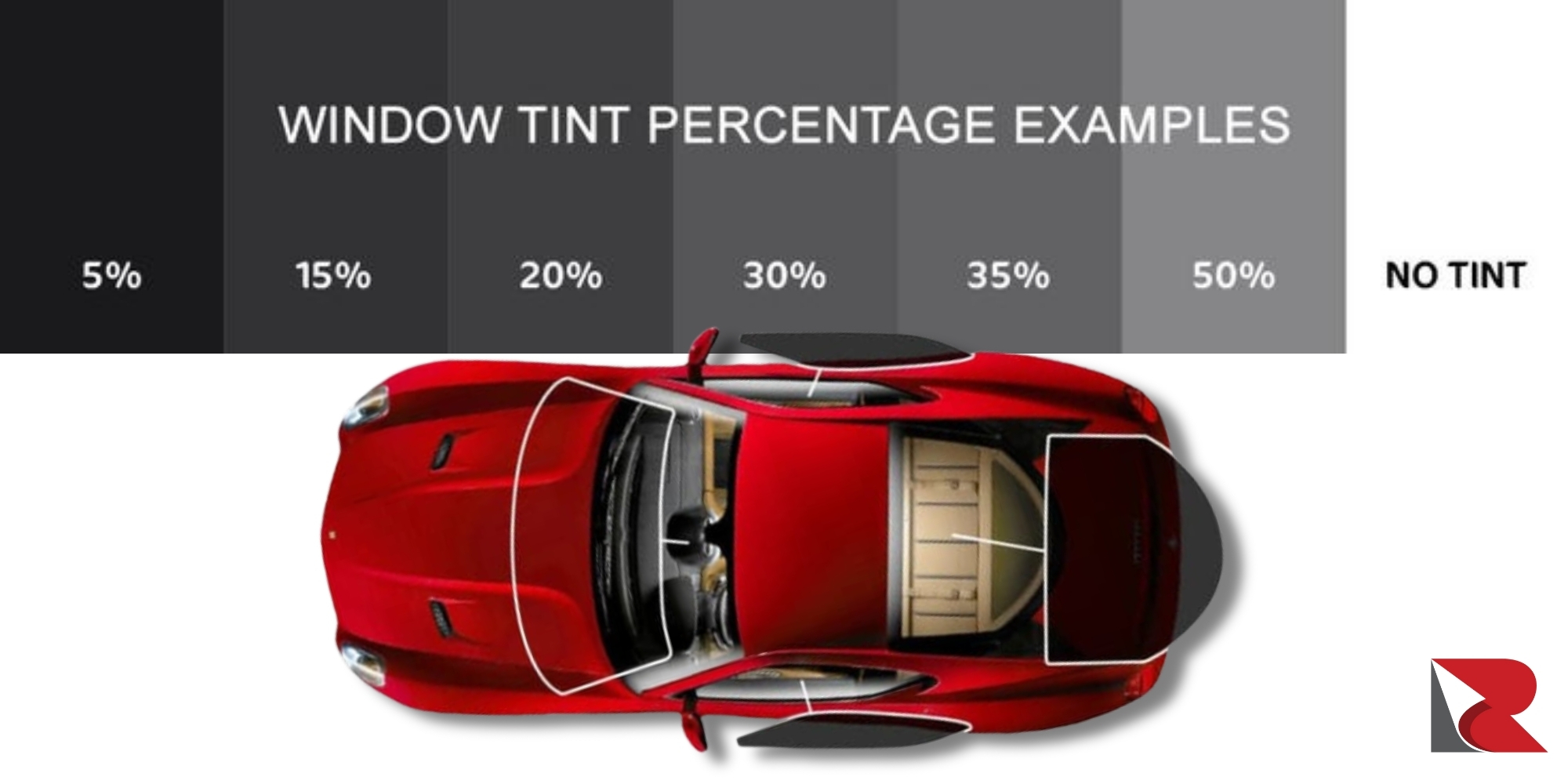
- 70% VLT allows most light through and appears relatively light.
- 50% VLT provides a moderate tint.
- 35% VLT is noticeably darker.
- 20% VLT offers significant privacy but is illegal on front windows in many states.
Because factory automotive glass already blocks some light, adding window film further reduces the total VLT.
Professional installers measure the final combined VLT to ensure compliance with local regulations.
Other Factors That Affect Chameleon Window Tint Legality
VLT isn’t the only legal requirement.
Most states also regulate several other aspects of automotive window tint.
Windshield Tint Restrictions
Nearly every state prohibits full windshield tinting.
Instead, drivers are generally allowed only a non-reflective visor strip located:
- Above the AS-1 line
- Within the top 4–6 inches of the windshield
Installing chameleon film across the entire windshield is illegal in most states.
Reflectivity Limits
Some chameleon films naturally reflect more light than traditional window tint.
To prevent dangerous mirror-like reflections, many states limit reflectivity to approximately 20–35%.
Highly reflective films may violate state law even if their VLT is legal.
Dual Side Mirror Requirements
Several states require dual side mirrors whenever the rear window uses a dark tint.
This ensures adequate rear visibility if the tint significantly reduces visibility through the back glass.
Medical Exemptions
Certain states permit a darker tint for drivers with qualifying medical conditions such as photosensitivity or lupus.
Medical exemptions generally require official documentation that should remain inside the vehicle.
General State Tint Law Trends
Although every state has its own regulations, several common patterns exist across the country.
Front Side Windows
Most states require front side windows to allow approximately 25%–70% VLT, with many setting limits between 30% and 35%.
States with stricter laws, such as California and New York, generally require much lighter front window tint.
Rear Side Windows
Rear side window regulations are often more flexible.
Some states allow virtually any darkness on rear windows, while others apply the same VLT limits used for front windows.
Rear Window
Many states permit darker rear window tint, especially when vehicles are equipped with dual side mirrors.
However, some jurisdictions maintain minimum VLT requirements for the rear window as well.
States With Stricter Tint Regulations
Drivers should pay particular attention when installing chameleon tint in states known for stricter enforcement.
These often include:
- California
- New York
- New Jersey
- Pennsylvania
- Rhode Island
- District of Columbia
These jurisdictions frequently require lighter front window tint and closely enforce VLT standards.
Always verify your local regulations before installation.
Benefits of Choosing Legal Chameleon Window Tint
Choosing a compliant film allows drivers to enjoy both performance and peace of mind.
Superior UV Protection
Premium chameleon films block up to 99% of harmful UV rays, helping protect:
- Leather seats
- Fabric upholstery
- Dashboard materials
- Passengers’ skin
UV protection remains effective throughout every season.
Heat Rejection
Advanced multilayer technology reflects solar energy away from the cabin.
Benefits include:
- Cooler interior temperatures
- Reduced air conditioning use
- Improved driving comfort
- Better fuel efficiency during hot weather
Reduced Glare
Chameleon tint helps minimize glare from:
- Bright sunlight
- Wet roads
- Snow
- Oncoming headlights
Reduced glare can improve driving comfort and visibility throughout the year.
Unique Color-Shifting Appearance
Unlike conventional tint, chameleon film creates a premium finish that changes color depending on:
- Viewing angle
- Time of day
- Weather conditions
- Sunlight intensity
The result is a distinctive custom appearance without repainting or wrapping the vehicle.
Enhanced Privacy
Although lighter legal chameleon films may not be as dark as privacy tint, they still reduce outside visibility while maintaining excellent outward vision.
Chameleon Tint vs. Ceramic Tint
Drivers often compare chameleon tint with ceramic window film.
Both offer impressive performance, but each serves different priorities.
Chameleon Window Tint
Best for:
- Drivers wanting a custom appearance
- Color-shifting aesthetics
- UV protection
- Heat rejection
- Premium styling
Ceramic Window Tint
Best for:
- Maximum infrared heat rejection
- Minimal signal interference
- Factory appearance
- Superior thermal performance
Some vehicle owners combine ceramic tint on the windshield with legal chameleon tint on the side and rear windows to maximize both appearance and comfort.
How to Make Sure Your Chameleon Tint Is Legal
Before installing any automotive window film, take a few simple precautions.
Research Your State’s Tint Laws
Since every state has different regulations, verify:
- Front window VLT
- Rear window VLT
- Windshield restrictions
- Reflectivity limits
- Certification requirements
Never assume a film that’s legal elsewhere is automatically legal where you live.
Choose a Reputable Installer
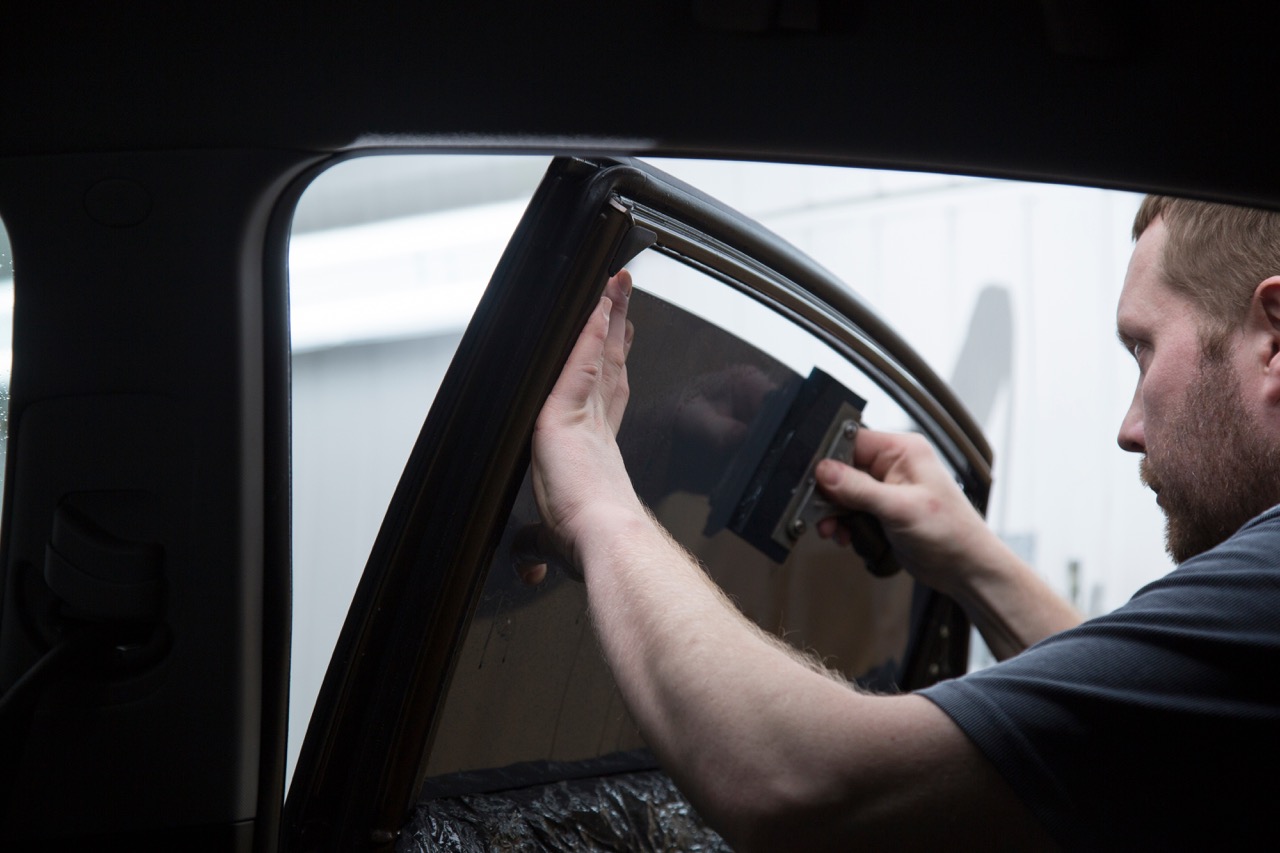
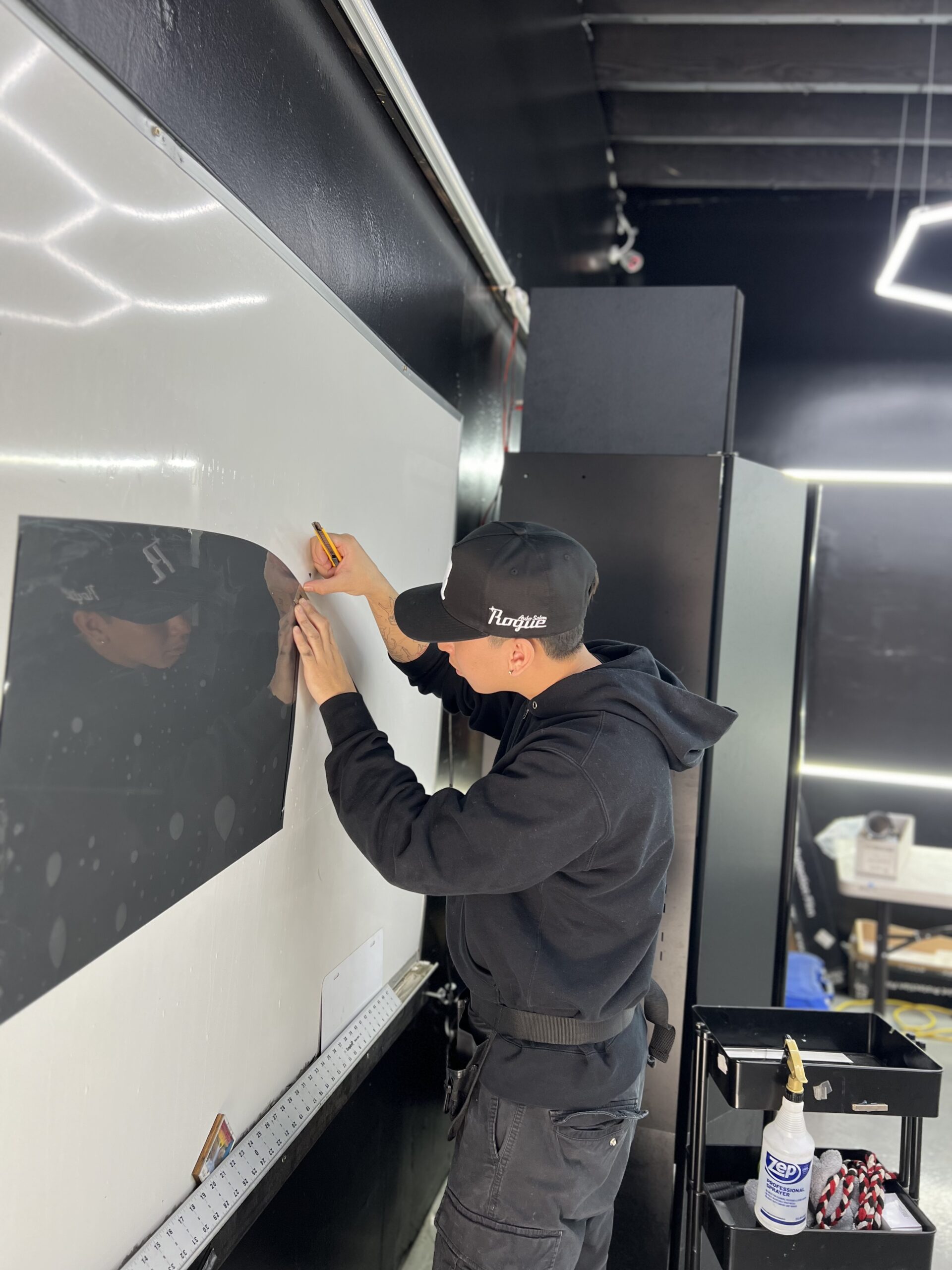
Experienced installers understand local tint laws and can recommend films that comply with state regulations.
Professional installation also ensures:
- Accurate VLT measurement
- Proper adhesion
- Long-lasting durability
- Warranty protection
Book your window tint consultation at Rogueautosalon today and get a detailed inspection and quote on your tinting needs.
Request Documentation
Some states require certification stickers or proof that the installed tint complies with legal standards.
Keep any documentation provided by your installer inside the vehicle.
Common Myths About Chameleon Window Tint
Myth 1: Chameleon Tint Is Automatically Illegal
False.
Its legality depends on VLT, reflectivity, and installation, not simply its color-shifting effect.
Myth 2: All Colored Tints Are Illegal
False.
Many states regulate light transmission rather than color.
As long as the film meets applicable legal requirements, colored or chameleon films may be permitted.
Myth 3: Darker Tint Always Means Better Protection
Not necessarily.
High-quality lighter films often provide excellent UV and infrared rejection while remaining fully compliant with state laws.
Frequently Asked Questions
Is chameleon window tint legal in every state?
No. While chameleon tint is not universally banned, each state sets its own rules regarding VLT, reflectivity, and windshield coverage. Always check your state’s regulations before installation.
What makes chameleon tint illegal?
A chameleon film may become illegal if it is too dark, too reflective, installed below the windshield’s AS-1 line, or otherwise violates your state’s tint laws.
Does chameleon tint block UV rays?
Yes. Premium chameleon window films can block up to 99% of harmful UV rays while also reducing glare and interior heat.
Can I install chameleon tint on my windshield?
Most states only allow non-reflective tint on the upper visor strip above the AS-1 line. Full windshield chameleon tint is generally prohibited.
How long does chameleon window tint last?
High-quality chameleon films typically last between 5 and 10 years, depending on installation quality, climate, and maintenance.
Final Thoughts
When it comes to Chameleon Window Tint Legal requirements, the most important thing to remember is that legality depends on your state’s specific window tint regulations, not simply on the film’s color-changing appearance.
Modern chameleon films offer impressive heat rejection, UV protection, glare reduction, and a distinctive custom look, but they must meet local standards for Visible Light Transmission, reflectivity, and windshield placement.
Before installing chameleon window tint, take the time to review your state’s laws and work with a qualified installer who understands local compliance requirements.
Choosing a legally compliant film allows you to enjoy the unique style and performance benefits of chameleon tint while avoiding unnecessary fines, inspections, or removal orders.
With the right product and proper installation, you can enhance your vehicle’s appearance without compromising on safety or legality.