Autocare
Full Body PPF Cost, Benefits & Buying Guide
Full Body PPF: Cost, Benefits & How to Choose the Right Protection
Your vehicle is more than just transportation; it’s an investment that deserves long-term protection. Whether you drive a luxury sports car, a family SUV, or your daily commuter, Full Body PPF has become one of the most effective ways to preserve your vehicle’s paint and maintain its value.
From highway stone chips to parking lot scratches and harsh UV exposure, your car faces countless threats every day. A professionally installed Paint Protection Film (PPF) acts as an invisible shield, helping your vehicle stay looking newer for years.
As more drivers choose premium paint protection over costly repainting, Full Body PPF has evolved from a luxury upgrade into a smart long-term investment. But how much does it cost? Is it really worth it? And how do you choose the right installer?
This comprehensive guide covers everything you need to know about Full Body PPF, including its benefits, pricing, maintenance, lifespan, and what to consider before making your purchase.
What Is Full Body PPF?
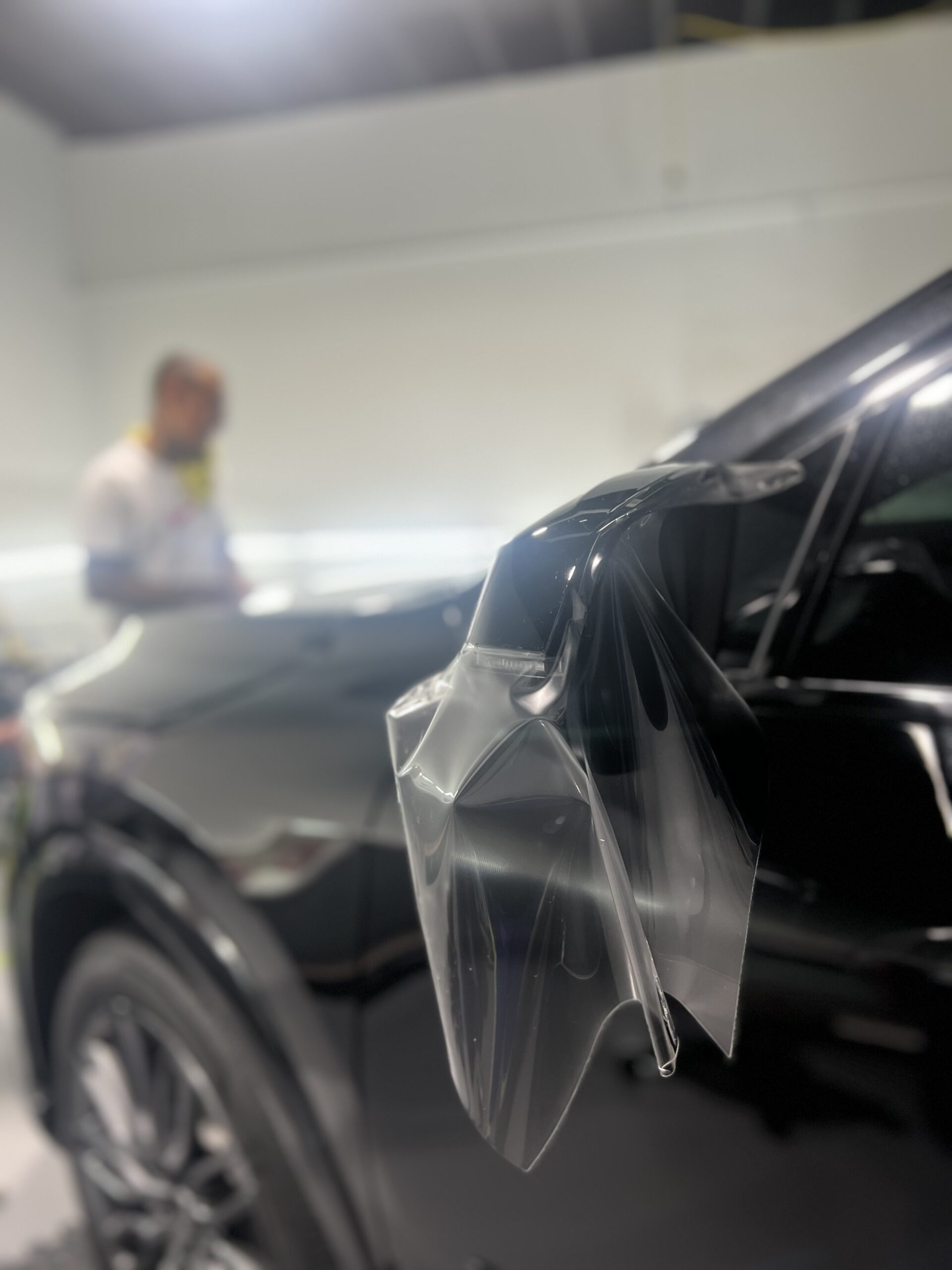
Full Body Paint Protection Film (PPF) is a transparent thermoplastic polyurethane film applied across your vehicle’s painted surfaces. Unlike waxes or sealants that sit on top of the paint for a limited time, PPF creates a durable physical barrier between your paintwork and the outside world.
A full-body installation covers nearly every painted panel, including:
- Hood
- Front and rear bumpers
- Fenders
- Doors
- Side mirrors
- Roof
- Trunk
- Quarter panels
- Rocker panels
Once installed correctly, the film is virtually invisible while preserving your vehicle’s original paint and finish.
Modern premium PPF also features advanced technology that allows it to resist stains, repel water, and even heal minor scratches automatically when exposed to heat.
How Does Full Body PPF Work?
The film is engineered using multiple protective layers.
Typically, premium Paint Protection Film consists of:
- A clear top coat that resists stains and UV rays
- A self-healing elastomeric layer
- Durable polyurethane for impact absorption
- Pressure-sensitive adhesive
- Protective release liner during installation
When gravel, road debris, shopping carts, or minor abrasions contact your vehicle, the impact is absorbed by the film instead of your factory paint.
This means your original finish stays protected without sacrificing appearance.
Why Is Full Body PPF Becoming So Popular?
Over the past few years, more vehicle owners have realized that maintaining factory paint significantly increases long-term vehicle value.
Several factors have contributed to its popularity:
- Rising vehicle prices
- Expensive repainting costs
- Increased resale expectations
- Longer vehicle ownership
- Better PPF technology
- Nearly invisible installation
Luxury vehicle owners were among the first to adopt Full Body PPF, but today it’s equally popular among owners of trucks, SUVs, EVs, and daily drivers.
Top Benefits of Full Body PPF
1. Superior Protection Against Rock Chips
Highways constantly throw rocks and debris toward your vehicle.
Without protection, even small impacts can leave noticeable paint chips that eventually lead to rust or expensive repairs.
Full Body PPF absorbs these impacts before they reach the paint.
2. Scratch Resistance
Daily driving exposes your vehicle to:
- Keys
- Shopping carts
- Tree branches
- Car wash brushes
- Road debris
- Accidental scuffs
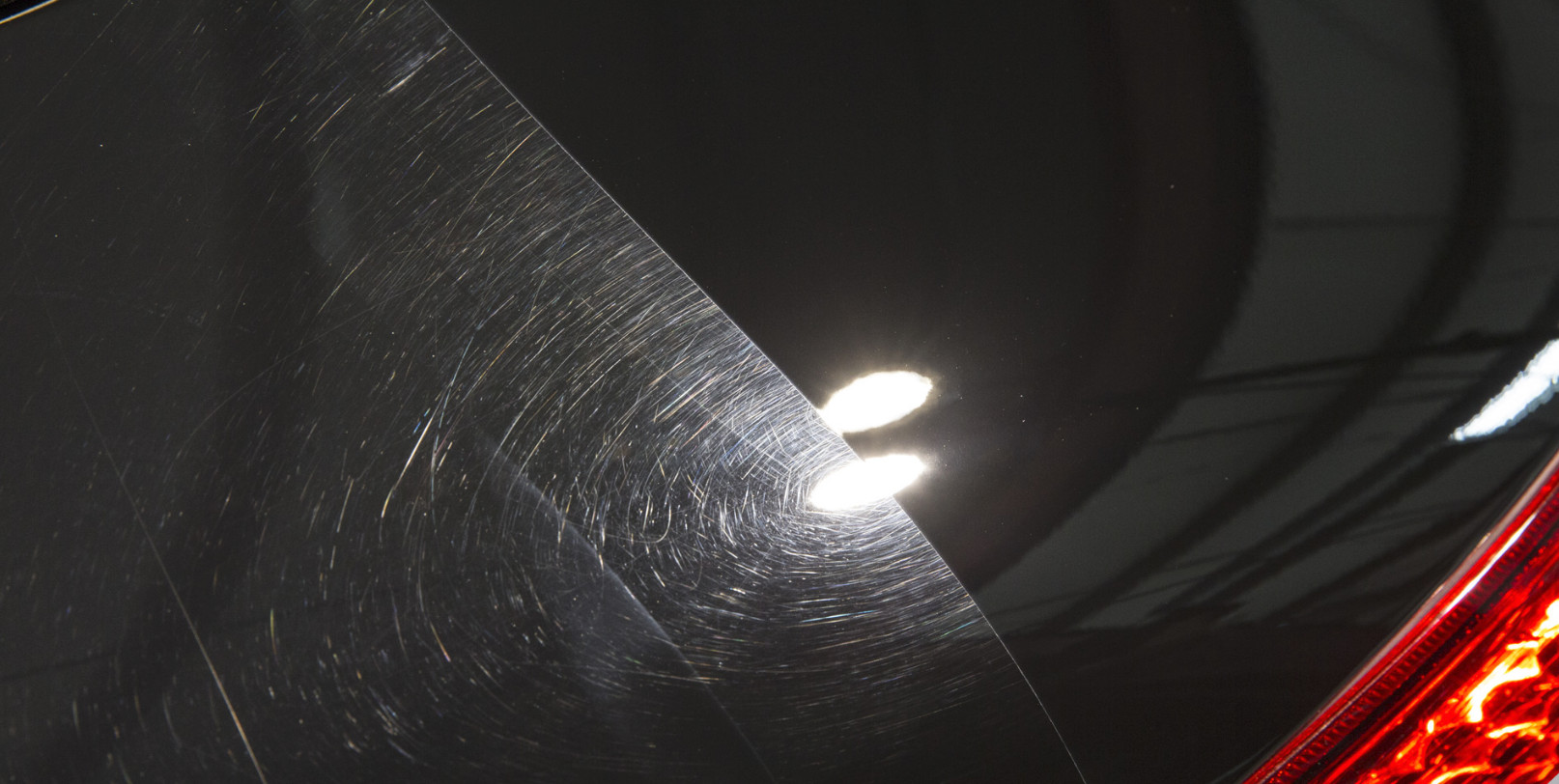
While no film is completely scratch-proof, premium PPF significantly reduces visible damage from everyday use.
3. Self-Healing Technology
One of the biggest advantages of modern Full Body PPF is its self-healing capability.
Minor swirl marks and light scratches disappear when exposed to:
- Warm sunlight
- Hot water
- Engine heat
The film’s elastomeric layer returns to its original smooth surface, helping your vehicle maintain a flawless appearance without constant polishing.
4. UV Protection
Constant sun exposure slowly oxidizes automotive paint.
Over time, this causes:
- Fading
- Oxidation
- Loss of gloss
- Uneven color
Premium Paint Protection Film blocks harmful UV rays, helping preserve your vehicle’s original color for years.
5. Chemical Resistance
Road contaminants can permanently damage automotive paint.
Full Body PPF protects against:
- Bird droppings
- Bug splatter
- Tree sap
- Road salt
- Acid rain
- Fuel stains
These substances remain on the protective film instead of directly contacting your paint.
6. Hydrophobic Surface
Many premium PPF products feature hydrophobic technology.
Water beads up and rolls away, carrying dirt with it.
Benefits include:
- Easier washing
- Less dirt buildup
- Reduced water spotting
- Better overall appearance
7. Preserves Resale Value
Original factory paint is one of the biggest selling points when trading or selling a vehicle.
Because Full Body PPF protects the paint underneath, buyers often perceive the vehicle as better maintained.
This can increase resale value while reducing reconditioning costs.
Is Full Body PPF Worth the Cost?
One of the biggest questions vehicle owners ask is whether Full Body PPF is worth the investment.
Although the upfront price is significantly higher than waxing or ceramic coating, it’s important to compare that cost with long-term paint repair expenses.
Without PPF, owners often pay for:
- Paint correction
- Scratch repair
- Rock chip repairs
- Repainting damaged panels
- Paint blending
- Reduced resale value
Over several years, these costs can easily exceed the price of quality Paint Protection Film.
Rather than repeatedly repairing paint damage, PPF prevents it from happening in the first place.
For anyone planning to keep their vehicle for several years, the investment often pays for itself through lower maintenance costs and stronger resale value.
Full Body PPF Cost: What Should You Expect?
The cost of Full Body PPF varies depending on several factors.
Some of the biggest pricing considerations include:
Vehicle Size
Larger vehicles require significantly more film.
Examples include:
- SUVs
- Pickup trucks
- Full-size luxury sedans
Compact cars naturally cost less.
Film Brand
Premium manufacturers generally charge more because they offer:
- Better clarity
- Longer warranties
- Improved self-healing
- Better stain resistance
- Higher durability
Coverage Area
There are different levels of protection.
Partial Front Coverage
Usually includes:
- Front bumper
- Hood section
- Mirrors
This is the most affordable option.
Full Front Coverage
Adds:
- Entire hood
- Full fenders
- Front bumper
- Mirrors
Ideal for highway drivers.
Full Body PPF
Protects nearly every painted surface and offers maximum long-term protection.
It is also the most expensive option but provides the highest level of defense.
Installation Quality
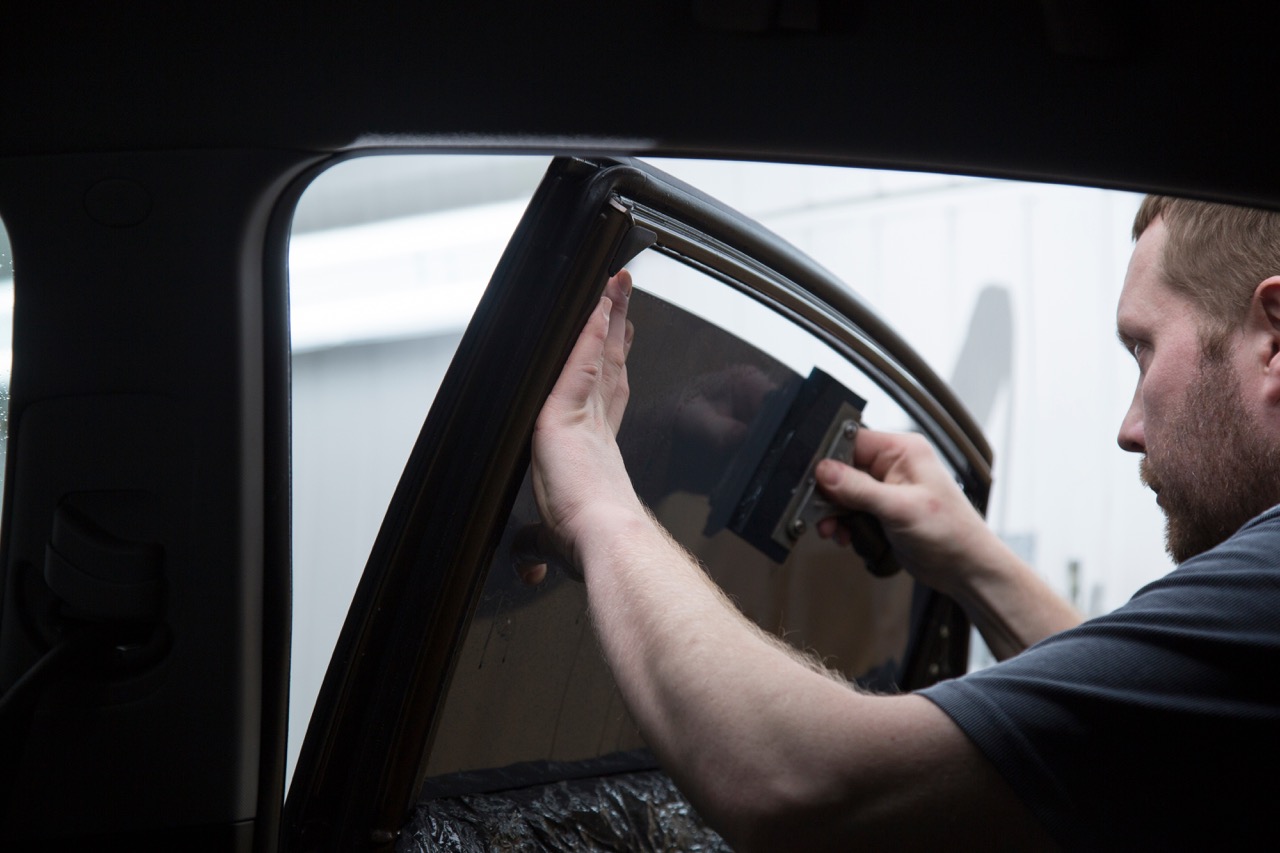
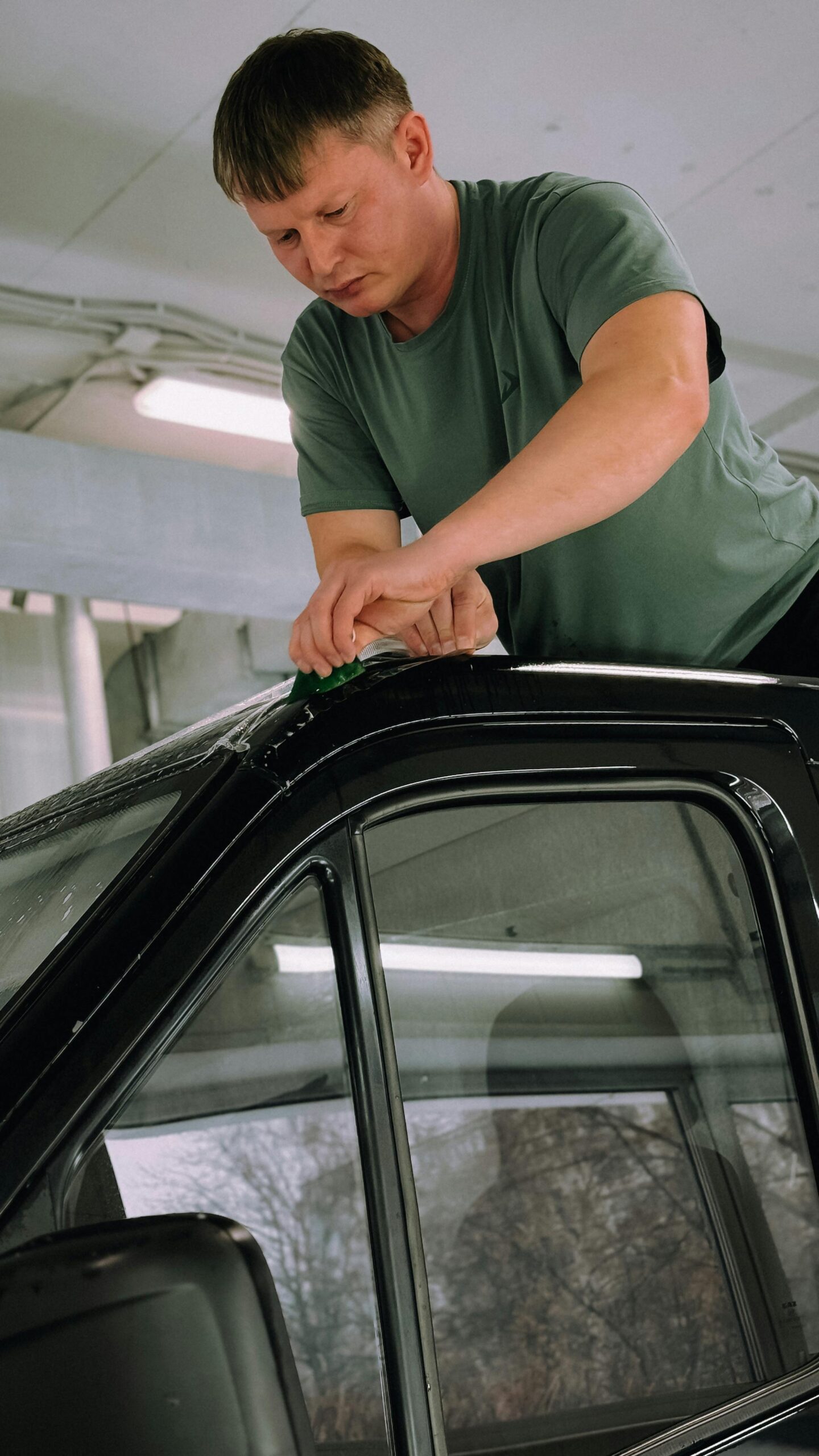
Professional installation greatly affects the final result.
Experienced installers use:
- Computer-cut templates
- Precision alignment
- Proper edge wrapping
- Dust-controlled environments
Poor installation can result in:
- Visible seams
- Air bubbles
- Peeling edges
- Premature lifting
Choosing quality workmanship is just as important as choosing premium film.
How Long Does Full Body PPF Last?
Most high-quality Paint Protection Films last between 5 and 10 years, depending on:
- Film quality
- Climate
- Driving habits
- Maintenance
- Storage conditions
Vehicles that are properly washed and maintained often enjoy the full lifespan of the film.
Unlike wax, which may only last a few months, Full Body PPF provides years of continuous protection.
PPF vs Ceramic Coating: Which One Is Better?
Many vehicle owners compare Paint Protection Film with ceramic coating, assuming they’re interchangeable.
In reality, they serve different purposes.
Feature | Full Body PPF | Ceramic Coating |
Rock chip protection | Excellent | Minimal |
Scratch resistance | Excellent | Limited |
Self-healing | Yes (premium films) | No |
UV protection | Excellent | Good |
Gloss enhancement | Excellent | Excellent |
Hydrophobic properties | Yes | Excellent |
Physical barrier | Yes | No |
Lifespan | 5–10 years | 2–5 years |
If your main concern is protecting your paint from physical damage, Full Body PPF is the superior choice.
Many enthusiasts even combine PPF with ceramic coating to enjoy the best of both worlds: maximum protection and enhanced gloss.
How to Choose the Best Full Body PPF
Not all Paint Protection Films are created equal. While many products may look similar at first glance, differences in material quality, installation techniques, and warranty coverage can have a significant impact on long-term performance.
Before investing in Full Body PPF, consider the following factors.
1. Film Quality
High-quality PPF offers better clarity, stronger impact resistance, improved self-healing technology, and superior UV protection.
Premium films typically provide:
- Crystal-clear finish
- Excellent stain resistance
- Long-lasting gloss
- Better edge adhesion
- Longer manufacturer warranties
Choosing a reputable film ensures your investment continues to protect your vehicle for years.
2. Installer Experience
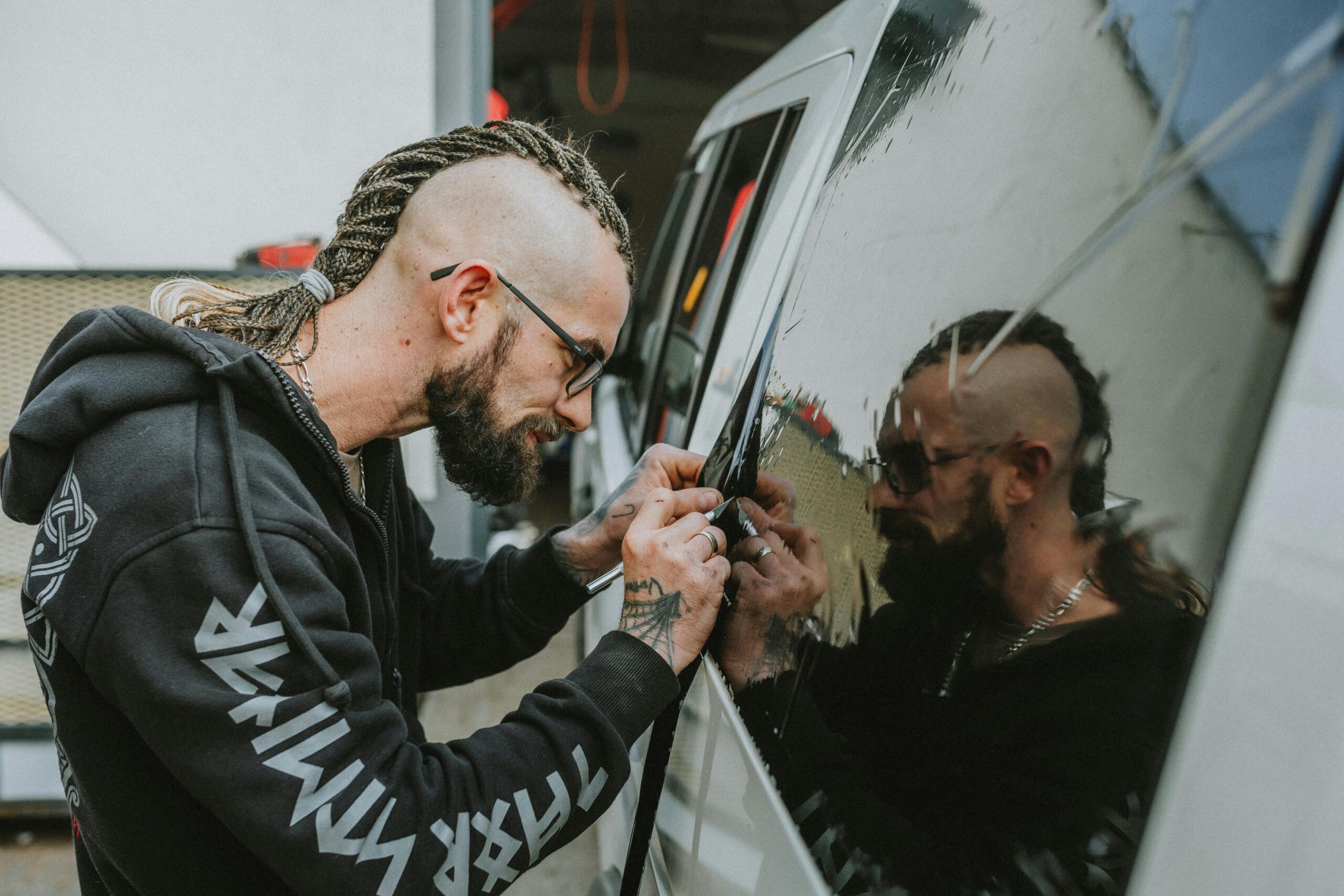
Even the highest-quality film can fail if it’s installed incorrectly.
An experienced installer will:
- Thoroughly clean and prepare the vehicle
- Use precision-cut templates
- Wrap edges wherever possible
- Eliminate bubbles and contamination
- Ensure seamless alignment across panels
A professional installation not only looks better but also extends the lifespan of the film.
3. Warranty Coverage
Most premium manufacturers back their films with warranties ranging from 5 to 10 years.
A good warranty typically covers issues such as:
- Yellowing
- Cracking
- Peeling
- Delamination
- Manufacturing defects
Always ask what is included before choosing a PPF package.
4. Coverage Options
Not every vehicle requires full-body protection.
Common options include:
Partial Front Coverage
- Front bumper
- Partial hood
- Partial fenders
- Side mirrors
Full Front Coverage
- Entire hood
- Full front fenders
- Front bumper
- Mirrors
Full Body PPF
- Every painted panel receives protection for maximum durability and peace of mind.
Your ideal package depends on your driving habits, vehicle type, and budget.
How to Maintain Full Body PPF
One of the biggest advantages of Full Body PPF is that it requires relatively little maintenance compared to traditional paint protection methods.
Following a few simple care practices will help maximize its lifespan and keep your vehicle looking showroom fresh.
Wash Regularly
Routine washing removes contaminants before they can build up on the film.
Use:
- pH-neutral automotive shampoo
- Soft microfiber wash mitts
- Clean microfiber drying towels
Avoid harsh household cleaners, as they may damage the film’s protective surface.
Avoid Abrasive Materials
Although PPF is highly durable, aggressive scrubbing can still cause unnecessary wear.
Avoid:
- Abrasive brushes
- Rough sponges
- Steel wool
- Harsh polishing compounds
Gentle washing is all that’s needed to maintain the film.
Remove Bird Droppings Quickly
Bird droppings, bug splatter, and tree sap contain acidic compounds that can stain if left on the surface for extended periods.
Cleaning them promptly helps preserve both the film and your vehicle’s appearance.
Inspect the Edges
Occasionally inspect wrapped edges and corners.
If you notice lifting or peeling, have it addressed early by a professional installer to prevent further separation.
Apply PPF-Safe Sealants
Some manufacturers recommend sealants specifically formulated for Paint Protection Film.
These products can:
- Increase gloss
- Improve water beading
- Make washing easier
- Enhance stain resistance
Always use products approved for PPF.
Common Myths About Full Body PPF
Despite becoming increasingly popular, several misconceptions still surround Paint Protection Film.
Myth 1: PPF Changes the Look of Your Vehicle
Modern films are virtually invisible once professionally installed.
In fact, many enhance the paint’s depth and gloss while preserving the factory finish.
Myth 2: PPF Is Only for Luxury Cars
Luxury vehicles certainly benefit from Full Body PPF, but so do daily drivers.
Whether you own a compact sedan, an SUV, or an electric vehicle, protecting your paint helps preserve both appearance and resale value.
Myth 3: PPF Eliminates All Maintenance
While PPF reduces maintenance significantly, it doesn’t make your vehicle maintenance-free.
Regular washing and proper care remain important for achieving the best long-term results.
Myth 4: PPF Is Too Expensive
Although the initial investment is higher than waxing or ceramic coating alone, PPF often saves money by preventing costly paint repairs, repainting, and depreciation.
When viewed over several years of ownership, many drivers find it offers excellent value.
Who Should Invest in Full Body PPF?
Full Body PPF isn’t just for automotive enthusiasts; it’s a practical solution for anyone who wants to protect their vehicle’s finish.
It is especially beneficial for:
- Luxury vehicle owners
- Sports car enthusiasts
- Electric vehicle owners
- SUV and truck drivers
- Highway commuters
- New car buyers
- Collectible and exotic car owners
- Anyone planning to keep their vehicle for several years
If preserving your vehicle’s appearance and value is a priority, Full Body PPF is one of the smartest upgrades you can make.
Why Professional Installation Matters
Installing Paint Protection Film is a highly specialized process that requires precision, experience, and the right environment.
At Rogueautosalon, we use advanced software and computer-cut templates to ensure every panel fits perfectly without unnecessary trimming on the vehicle. They also prepare the paint thoroughly, removing contaminants that could become trapped beneath the film.
A properly installed Full Body PPF provides:
- Nearly invisible coverage
- Wrapped edges for a seamless appearance
- Maximum durability
- Longer-lasting adhesion
- Better overall protection
Poor installation, on the other hand, can lead to bubbles, lifting edges, dust contamination, and reduced lifespan. Choosing an experienced installer is just as important as selecting a premium-quality film.
Frequently Asked Questions
How long does Full Body PPF last?
Most premium Paint Protection Films last between 5 and 10 years, depending on the film’s quality, driving conditions, climate, and maintenance.
Does Full Body PPF affect my car’s appearance?
No. High-quality PPF is virtually invisible after installation and often enhances the paint’s gloss and clarity while preserving the original finish.
Can Paint Protection Film be removed?
Yes. When removed by trained professionals, PPF can be safely taken off without damaging the factory paint underneath.
Is Full Body PPF better than ceramic coating?
They serve different purposes. Full Body PPF provides superior protection against rock chips, scratches, and physical damage, while ceramic coating focuses on gloss, hydrophobic properties, and chemical resistance. Many vehicle owners combine both for comprehensive protection.
Is Full Body PPF worth the cost?
For most owners, yes. While the upfront investment is higher than traditional paint protection methods, it helps prevent expensive paint repairs, preserves resale value, and keeps your vehicle looking newer for longer.
Final Thoughts
Your vehicle faces constant exposure to road debris, harsh sunlight, environmental contaminants, and everyday wear. Over time, these hazards can diminish its appearance and reduce its value.
Full Body PPF offers one of the most effective ways to safeguard your investment by creating a durable, nearly invisible barrier that protects your factory paint from scratches, stone chips, UV damage, and other common threats.
If you’re looking for professional Full Body PPF installation in San Jose, CA, Rogue Auto Salon provides expert craftsmanship and premium paint protection solutions tailored to your vehicle.
Whether it’s a brand-new car or a cherished daily driver, investing in Full Body PPF today can help keep it looking its best for years to come.