Autocare

Does Window Tint Get Darker as It Cures? What to Expect After Installation

Does Window Tint Get Darker as It Cures? Timeline, Shade Changes, and Aftercare Tips


One of the most common questions drivers ask right after leaving the tint shop is: Does window tint get darker as it cures? If you’ve just had your windows tinted and they look hazy, streaky, or lighter than expected, you’re not alone. The curing process can temporarily change the appearance of your film, leading many people to believe the shade will continue to darken over time.

The truth is reassuring: window tint does not get darker beyond its rated shade. Instead, it clears up as moisture evaporates, revealing the true level you selected. Understanding what happens during the first few days, and even weeks, after installation will help you manage expectations and protect your investment.

Let’s break down exactly what to expect after window tint installation, how long curing takes, and how to care for your tint properly.

Does Window Tint Get Darker as It Cures? The Short Answer

Let’s address the big question directly:

Does window tint get darker as it cures?
No. It may appear lighter or hazy at first due to trapped moisture, but it does not darken beyond its advertised Visible Light Transmission (VLT) percentage.

When window tint is applied, a solution containing water is used to position the film on the glass. That moisture becomes trapped between the film and the window. As it evaporates during curing, the tint gradually clears and settles into its intended shade.

The key point:
The film does not change shade; it simply becomes clearer as it dries.

Understanding How Window Tint Works

Before diving deeper into the curing process, it helps to understand what window tint actually is.

Window tint is a thin film applied to glass surfaces. It comes in various materials and shades, offering benefits such as:

  • UV protection

  • Heat reduction

  • Glare reduction

  • Enhanced privacy

  • Interior protection from fading

The darkness of tint is measured by Visible Light Transmission (VLT), the percentage of visible light allowed through the film.

For example:

  • 35% VLT allows 35% of light through.

  • 20% VLT allows 20% of light through.

  • 70% VLT allows 70% of light through.

Lower percentages are darker. But regardless of the percentage, the shade remains fixed once manufactured.

What Actually Happens During the Curing Process

To understand why people ask, “Does window tint get darker as it cures?”, you need to know what curing involves.

When tint is installed:

  1. A mounting solution (usually water-based) is sprayed onto the glass.

  2. The film is applied and positioned.

  3. A squeegee removes most of the liquid.

  4. Some moisture remains trapped between the film and the glass.

This trapped moisture is what causes the temporary visual changes.

As the moisture evaporates:

  • Haze disappears.

  • Small bubbles flatten.

  • Streaks fade.

  • The film adheres fully.

The tint appears darker only because it is becoming clearer, not because the shade itself has changed.

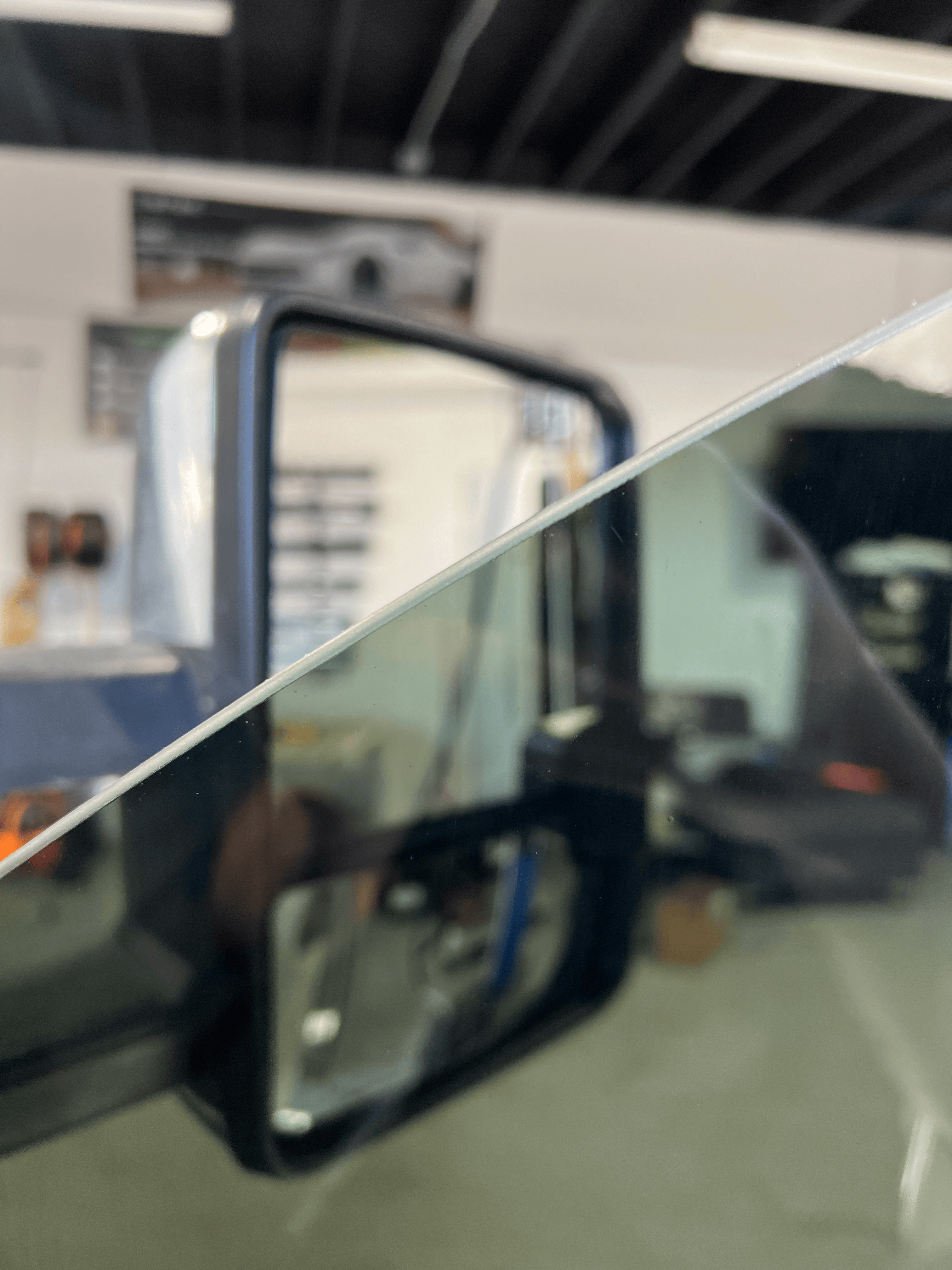
clear ceramic tint on windshield

What to Expect: Day-by-Day After Installation

The first week after installation is the most important. Here’s a realistic timeline of what most vehicle owners experience.

Day 1: Installation Day

Immediately after installation, your windows may:

  • Look cloudy or streaky

  • Show small water bubbles

  • Appear lighter than expected

This is completely normal.

You’ll likely be instructed:

  • Do not roll down windows for 2–4 days.

  • Do not touch the film from the inside.

  • Do not try to smooth bubbles yourself.

At this stage, the adhesive has begun bonding, but curing is just starting.

Days 2–3: Moisture Pockets and Haze

During this period, you may notice:

  • Water bubbles trapped under the film

  • Slight distortion or cloudiness

  • A lighter-than-expected appearance

This is when most people start asking, “Does window tint get darker as it cures?”

The lighter appearance is caused by moisture refracting light differently. As the water evaporates, the film will gradually return to its true shade.

Avoid:

  • Cleaning the inside of the glass

  • Pressing on bubbles

  • Rolling down windows

Patience is essential here.

Days 4–5: Film Begins to Settle

By midweek:

  • Most haze starts clearing.

  • Bubbles shrink or disappear.

  • The tint begins to look more uniform.

Warm weather can accelerate curing. Cold or humid conditions can slow it significantly.

If temperatures are low or the vehicle is kept indoors, curing may take longer than a week.

Days 6–7: Near-Final Appearance

By the end of the first week:

  • Tint usually looks smooth and sleek.

  • Minor specks or faint streaks may still resolve.

  • Large bubbles or lifting edges are not normal.

If major imperfections remain, contacting your installer is recommended.

How Long Does Window Tint Take to Fully Cure?

While the first week shows noticeable improvement, full curing can take:

  • 7 to 30 days

  • Sometimes longer in cold climates

Drying time depends on:

  • Weather conditions (heat speeds it up)

  • Humidity levels

  • Tint thickness

  • Film type (dyed films often cure faster than ceramic or metallic films)

  • Whether the car is parked indoors or outdoors

Sunlight activates the adhesive and accelerates moisture evaporation.

car side window replacement what expect

Factors That Influence Drying Time

Several variables affect how quickly your tint settles:

1. Weather Conditions

  • Warm and sunny = faster curing

  • Cold and humid = slower curing

2. Tint Material

  • Dyed films generally cure faster.

  • Ceramic and metallic films may take longer.

3. Glass Type

Some glass retains moisture longer, extending curing time.

Understanding these factors helps manage expectations and prevents unnecessary worry.

Common Misconceptions About Tint Darkness

Let’s clear up a few myths.

Myth #1: Tint Gets Darker Over Time

This misconception often stems from the initial hazy appearance. Once moisture evaporates, the tint simply reveals its intended shade.

It does not darken beyond its rating.

Myth #2: Uneven Appearance Means Bad Installation

Small bubbles and streaks are normal during curing.

However, these are not normal:

  • Peeling edges

  • Large bubbles that don’t shrink

  • Purple discoloration

  • Persistent distortion

Signs Your Window Tint Is Fully Cured

You’ll know curing is complete when:

  • No visible haze remains

  • No moisture bubbles are present

  • Film appears smooth and uniform

  • Edges are fully adhered

  • Shade looks consistent across all windows

At this point, the tint is performing as intended.

Essential Aftercare Tips During Curing

Proper care ensures optimal results.

1. Don’t Roll Down Windows

Wait at least 3–5 days before rolling them down.

2. Avoid Cleaning Interior Glass

Wait until curing is complete before cleaning.

3. Park in Sunlight (If Possible)

Heat accelerates drying.

4. Avoid Ammonia-Based Cleaners

Ammonia can damage the tint permanently.

5. Don’t Attach Stickers or Suction Cups

Wait until the film fully adheres.

6. Be Careful With Seatbelts

Snapping seatbelts can hit and damage fresh tint.

The Benefits of Properly Cured Window Tint

Can you use AC after tinting windows

Once fully cured, your tint delivers its full benefits:

Enhanced Privacy

Harder for outsiders to see inside.

UV Protection

Blocks up to 99% of harmful UV rays.

Heat Reduction

Helps reduce interior temperatures.

Glare Reduction

Improves driving comfort and reduces eye strain.

Improved Aesthetics

Provides a sleek, uniform appearance.

Proper curing ensures durability and long-term performance.

When to Contact Your Installer

While temporary imperfections are normal, contact your installer if you notice:

  • Peeling edges

  • Large persistent bubbles

  • Severe distortion

  • Purple fading (usually low-quality film)

Reputable shops often provide warranties or touch-up services.

Why Professional Installation Matters

Professional installers:

  • Ensure correct film application

  • Use proper techniques to minimize moisture

  • Understand curing timelines

  • Provide aftercare guidance

  • Offer warranties

DIY tint jobs often result in:

  • Bubbles

  • Dust contamination

  • Premature peeling

  • Shorter lifespan

Investing in professional installation increases longevity and visual quality.

So, Does Window Tint Get Darker as It Cures?

Let’s answer one final time:

Does window tint get darker as it cures?

No. It only appears lighter at first due to trapped moisture. As that moisture evaporates, the tint clears and reveals its true rated shade.

The change you see is not a darkening effect; it’s clarity emerging.

Understanding this simple fact can save you from unnecessary stress during the first week after installation.
Final Thoughts: Patience Pays Off

Window tint is a valuable upgrade that enhances privacy, comfort, UV protection, and style. But the first few days require patience.

Temporary haze, streaks, and bubbles are part of the normal curing process. Weather conditions, film type, and installation quality all influence drying time.

If you follow proper aftercare instructions and allow adequate curing time, your tint will settle beautifully and perform for years.

So next time someone asks, “Does window tint get darker as it cures?” you’ll know the answer, and exactly what to expect after installation.


Can you use AC after tinting windows