Detachable Window Tint vs Permanent Tint: Which Is Right for You?
Detachable Window Tint vs Permanent Tint: Key Differences, Pros, and How to Choose
When choosing the right window treatment for your car or home, many people find themselves comparing detachable window tint with traditional permanent tint. Both options promise privacy, glare reduction, and UV protection, but they serve very different purposes. If you’re unsure which one aligns with your lifestyle, budget, and long-term goals, this guide will walk you through everything you need to know.
Whether you’re a renter looking for flexibility, a car owner seeking long-term performance, or someone testing different tint levels before committing, understanding the strengths and trade-offs of each solution will help you make a confident decision.
What Is Detachable Window Tint?
Detachable window tint (often referred to as removable or static-cling tint) is a non-adhesive film that adheres to glass using static electricity instead of glue. Unlike permanent tint, it does not require professional bonding or chemical adhesives. This makes it a flexible, low-commitment option for temporary use.
How It Works
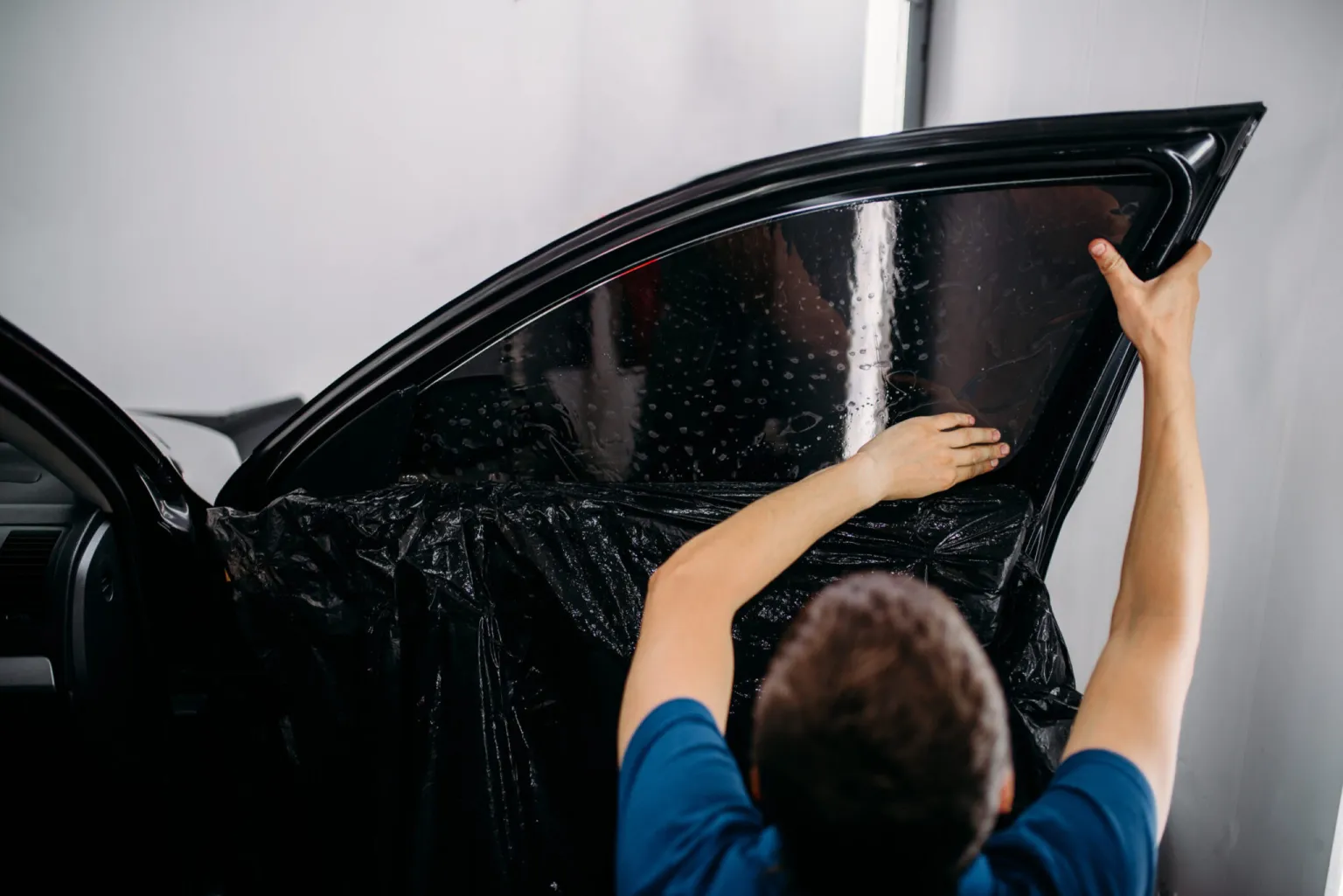
Most detachable window tint products are made from thin static-cling vinyl. Instead of permanently bonding to the glass, they cling via electrostatic force. Installation typically involves:
Cleaning the glass surface
Lightly misting with water
Applying the film
Squeegeeing out air bubbles
Because no adhesive is used, the film can be repositioned or removed without leaving residue behind.
Key Features
No adhesive required
DIY-friendly installation
Reusable in many cases
Available in multiple darkness levels (VLT percentages)
Moderate UV and heat protection
This type of tint is especially popular among renters, leased vehicle drivers, and seasonal users.
What Is Permanent Window Tint?
Permanent window tint is professionally installed using adhesive and specialized tools. The film bonds to the glass and is designed to last for years. Often 5 to 10 years or more, depending on material quality.
Common Permanent Tint Materials
Permanent tint films are typically made from:
Dyed polyester
Carbon-based film
Ceramic film
Higher-end ceramic tints are especially known for superior heat rejection and long-lasting clarity.
Key Features
Professional installation
Strong adhesive bond
High UV protection (often up to 99%)
Significant heat rejection
Long lifespan
Permanent tint is considered an upgrade for vehicles and homes due to its durability and performance.
Detachable Window Tint vs Permanent Tint: Core Differences
Permanent ceramic tint: Can reach 60–80% heat rejection
If your goal is significantly reduce cabin temperature or lower air conditioning use, permanent tint offers better insulation performance.
5. Appearance & Finish
Detachable Window Tint
Limited premium finishes
May develop bubbles or edge lifting
Best suited for flat glass
Permanent Tint
Wide range of finishes and shades
Sleek, factory-like appearance
Better performance on curved windows
Permanent tint often enhances vehicle resale value due to its professional look.
Why Detachable Window Tint Is Gaining Popularity
Despite its limitations, detachable window tint is seeing increased demand. Here’s why:
Ideal for Rentals and Leases
Drivers with leased vehicles often avoid permanent modifications. Detachable window tint allows privacy and glare control without risking penalties or removal fees.
Perfect for Apartment Living
Urban renters use detachable films to improve privacy in bedrooms or bathrooms without violating lease agreements.
Great for Trial Periods
Not sure whether you prefer 20% or 50% tint? A removable option lets you test different levels before committing permanently.
Seasonal Flexibility
Some users only need extra shading in the summer. Detachable window tint can be installed during the hotter months and removed in winter.
Budget-Friendly Upfront
At $10–$50 per window, detachable tint is more affordable initially than professional installation.
Pros and Cons of Detachable Window Tint
Advantages
No adhesive or residue
Easy removal for inspections
Affordable short-term solution
DIY installation
Flexible seasonal use
Disadvantages
Shorter lifespan
Moderate heat and UV protection
Prone to bubbling or peeling in hot climates
Less effective on curved windows
Not considered a permanent vehicle upgrade
Your satisfaction largely depends on realistic expectations. Users who treat it as a temporary solution report much higher satisfaction
Pros and Cons of Permanent Tint
Advantages
Long-lasting performance
Superior UV and heat rejection
Professional aesthetic finish
Better long-term value
Enhances resale appeal
Disadvantages
Higher upfront cost
Requires professional installation
Not easily reversible
May violate lease agreements if not allowed
Permanent tint excels when durability and performance matter most.
Cost Comparison: Short-Term vs Long-Term Value
Detachable Window Tint
$10–$50 per window
$40–$150 for full vehicle kits
Needs replacement every 6–18 months
While affordable initially, repeated replacements can add up over time.
Permanent Window Tint
$150–$500 for full vehicle installation
Ceramic upgrades: $350–$700
Lasts 5+ years
Over five years, permanent tint often proves more cost-effective despite the higher upfront investment.
Best Use Cases: Which One Fits Your Lifestyle?
Choose Detachable Window Tint If:
You drive a leased vehicle
You rent your home
You need seasonal heat reduction
You want to test tint levels
You prefer DIY projects
You need temporary event privacy
Choose Permanent Tint If:
You plan to keep your vehicle long-term
You live in a hot climate
You want maximum UV and heat protection
You value aesthetics and resale appeal
You prefer a set-it-and-forget-it solution
Climate Considerations
Hot regions expose window films to intense sun and high temperatures. In these conditions:
Detachable window tint may peel at the edges.
Bubbling can occur even with careful installation.
Heat rejection may not significantly reduce AC load.
Permanent ceramic tint performs much better in extreme heat and provides more noticeable comfort improvements.
Installation Considerations
Tips for Installing Detachable Window Tint
Measure carefully and cut slightly smaller than the glass
Use distilled water for better adhesion
Remove air bubbles thoroughly
Avoid ammonia-based cleaners
Store removed films flat and dust-free
Professional Installation Benefits
Permanent tint installers use precision tools, heat forming (for curved glass), and professional-grade materials. This ensures a smooth, bubble-free finish that lasts for years.
Detachable window tint offers one major advantage: you can remove it for inspections if necessary. However:
Always ensure visibility is not impaired
Avoid overly dark front-side windows
Check local regulations before installation
Home window films are generally less restricted, though HOA guidelines may apply.
Common Customer Feedback Patterns
Positive Feedback on Detachable Window Tint
Easy to install and remove
No sticky residue
Great for temporary privacy
Affordable and flexible
Common Complaints
Edges peel in hot climates
Bubbles form over time
Limited impact on cabin temperature
Feedback consistently shows that satisfaction increases when users understand it’s a temporary solution, not a permanent performance upgrade.
Final Verdict: Which Is Right for You?
When comparing detachable window tint vs permanent tint, the answer ultimately depends on your goals.
If you want flexibility, affordability, and zero long-term commitment, detachable window tint is an excellent short-term solution. It’s perfect for renters, leased vehicles, seasonal needs, or experimentation.
However, if you prioritize durability, high UV protection, superior heat rejection, and a polished appearance, permanent window tint remains the gold standard.
Before deciding, ask yourself:
How long will I use it?
Am I allowed to modify the vehicle or property?
Do I live in a hot climate?
Is performance more important than flexibility?
Your answers will point you toward the right solution.