Everything you need to know before adding clear ceramic tint to your windshield.
In recent years, clear ceramic tint on windshield installations has become a popular choice for drivers seeking advanced protection without compromising visibility. With nano-ceramic technology offering superior UV and heat rejection, enhanced safety, and signal-friendly features, more car owners are choosing this high-performance film, even despite the higher upfront cost.
But what exactly is clear ceramic tint? Is it legal? And is it worth the investment? In this guide, we’ll break down the benefits, legality, and installation best practices so you can decide if clear ceramic window tint is right for your vehicle.
What Is Clear Ceramic Tint on Windshield?
Clear ceramic tint is a type of window film made from nano-ceramic particles that block heat and UV rays without darkening your windshield. Unlike traditional dyed or metallic tints, ceramic films are non-metallic and non-conductive, meaning they won’t interfere with your cell phone, GPS, or radio signals.
The “clear” aspect means the film maintains excellent visibility while still delivering high levels of protection. It’s especially useful for windshields, where heavy tinting is often restricted by law but drivers still want performance benefits like glare reduction and heat control.
Benefits of Clear Ceramic Tint on Windshield
1. Blocks Harmful UV Rays
One of the most compelling reasons to install a clear ceramic tint on your windshield is its ability to block up to 99% of harmful UVA and UVB rays. This not only protects your skin from sun exposure during long drives but also prevents your dashboard, seats, and trim from cracking or fading over time.
Considering skin cancer is the most common form of cancer in the U.S., UV protection in your car should be a priority, especially in sunny states like Arizona or California.
2. Exceptional Infrared Heat Rejection
Infrared radiation is the primary cause of heat buildup in a car. Clear ceramic films are designed to reject up to 90% of infrared rays, keeping your cabin cooler, even under direct sunlight.
That means:
Less strain on your air conditioning system
Better fuel efficiency
Increased comfort for you and your passengers
Even without a dark appearance, this type of film performs better than many traditional or metallic tints.
3. Preserves Visibility
Because it’s optically clear, this film maintains your ability to see clearly day or night. This is critical on windshields, where any distortion, darkening, or reflection could pose a safety hazard.
Drivers can now enjoy heat and UV protection without compromising road visibility or drawing attention from law enforcement.
4. Doesn’t Interfere with Electronics
Unlike metallic tints that can block or reduce signal strength, clear ceramic tint is completely non-metallic. This ensures:
Smooth GPS performance
Clear Bluetooth and radio reception
Reliable cellular connectivity
If you use smart tech in your vehicle—like hands-free calling, real-time navigation, or streaming—this type of tint is your best option.
5. Shatter Resistance & Safety
One of the lesser-known but valuable features of ceramic films is added glass stability. In the event of an accident, the film helps hold broken glass in place, reducing the risk of injury from flying shards.
This extra layer of shatter resistance enhances both passenger safety and peace of mind.
6. Fade-Resistant Durability
Thanks to nano-ceramic materials, this tint is highly resistant to fading, bubbling, or peeling over time. Compared to dyed tints, ceramic films offer:
Longer lifespan
Better return on investment
Reduced need for replacement or repair
If you want a “set-it-and-forget-it” type of upgrade, ceramic tinting is the way to go.
Is Clear Ceramic Tint on Windshield Legal?
This is one of the most common concerns for drivers. After all, windshields are strictly regulated in most states.
Here’s what you need to know:
U.S. Tinting Laws for Windshields:
Most states allow non-reflective tint on the top 4 to 6 inches of the windshield (known as the AS-1 line).
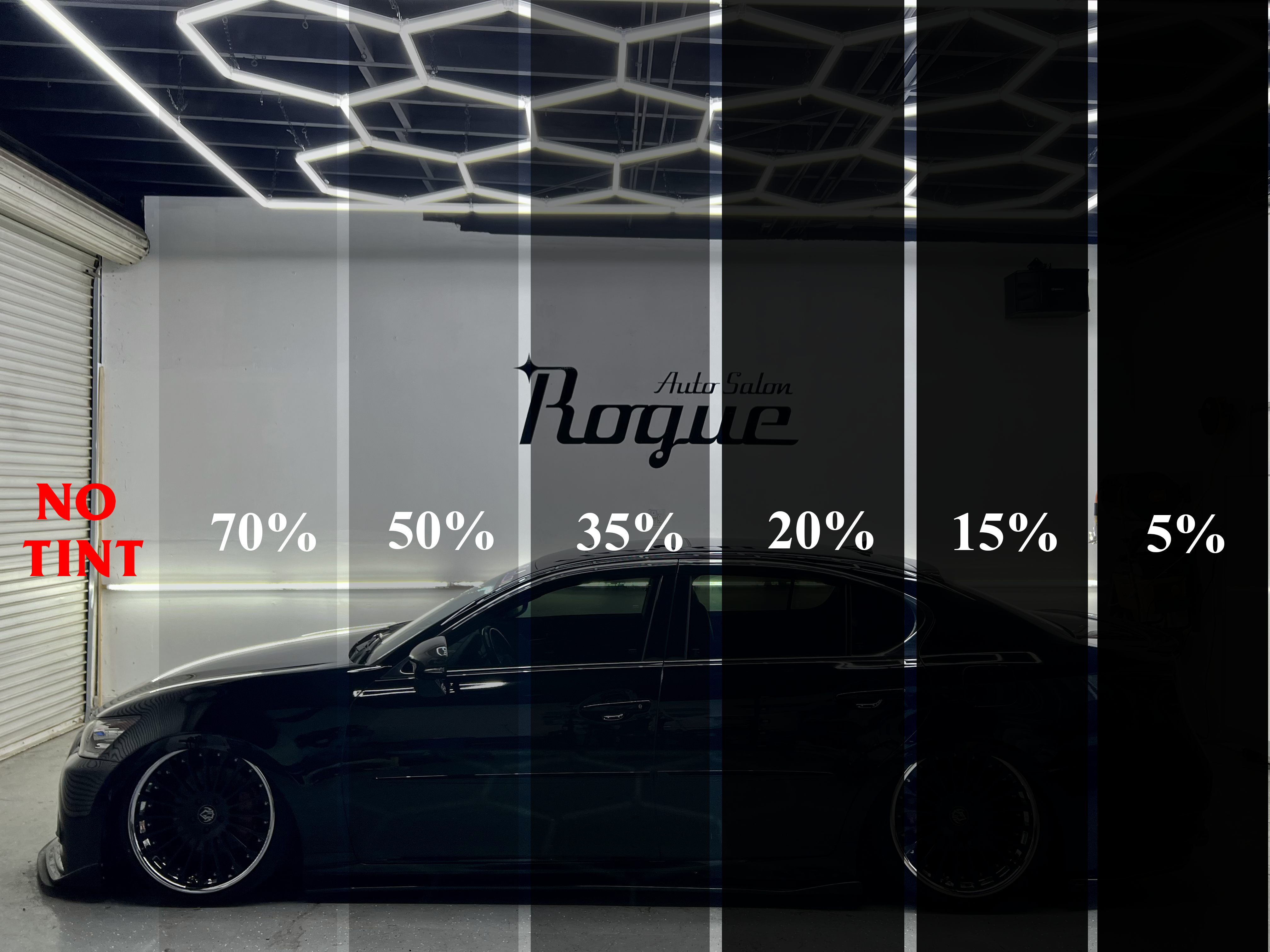
Some states allow full windshield tint as long as it meets minimum visible light transmission (VLT) standards, usually 70% or higher. In California, tinting laws require a minimum of 70% VLT for side windows.
Clear ceramic tint often meets this requirement, making it one of the few windshield-friendly options.
Always check your local state laws before installing any windshield tint. Reputable installers will ensure compliance with regulations in your area.
Clear Ceramic Tint vs. Other Tint Types
Feature
Clear Ceramic Tint
Dyed Tint
Metallic Tint
Carbon Tint
UV Protection
Up to 99%
Moderate
High
High
Infrared Heat Rejection
Up to 90%
Low
Moderate
High
Signal Interference
None
None
Yes
None
Visibility
Crystal clear
Tinted
Reflective
Darker
Durability
Very High
Low
Moderate
High
Legality on Windshields
Often Legal
Not Legal
Not Legal
Sometimes
As seen above, clear ceramic tint on windshields delivers best-in-class performance while staying within legal and safety limits.
Installation Tips for Clear Ceramic Tint on Windshield
Proper installation is essential—not just for performance, but also to ensure the film adheres correctly, stays compliant with local laws, and lasts as long as possible.
Avoid DIY Kits
While DIY kits are cheaper upfront, improper handling can lead to:
Air bubbles
Uneven adhesion
Legal violations
Reduced film life
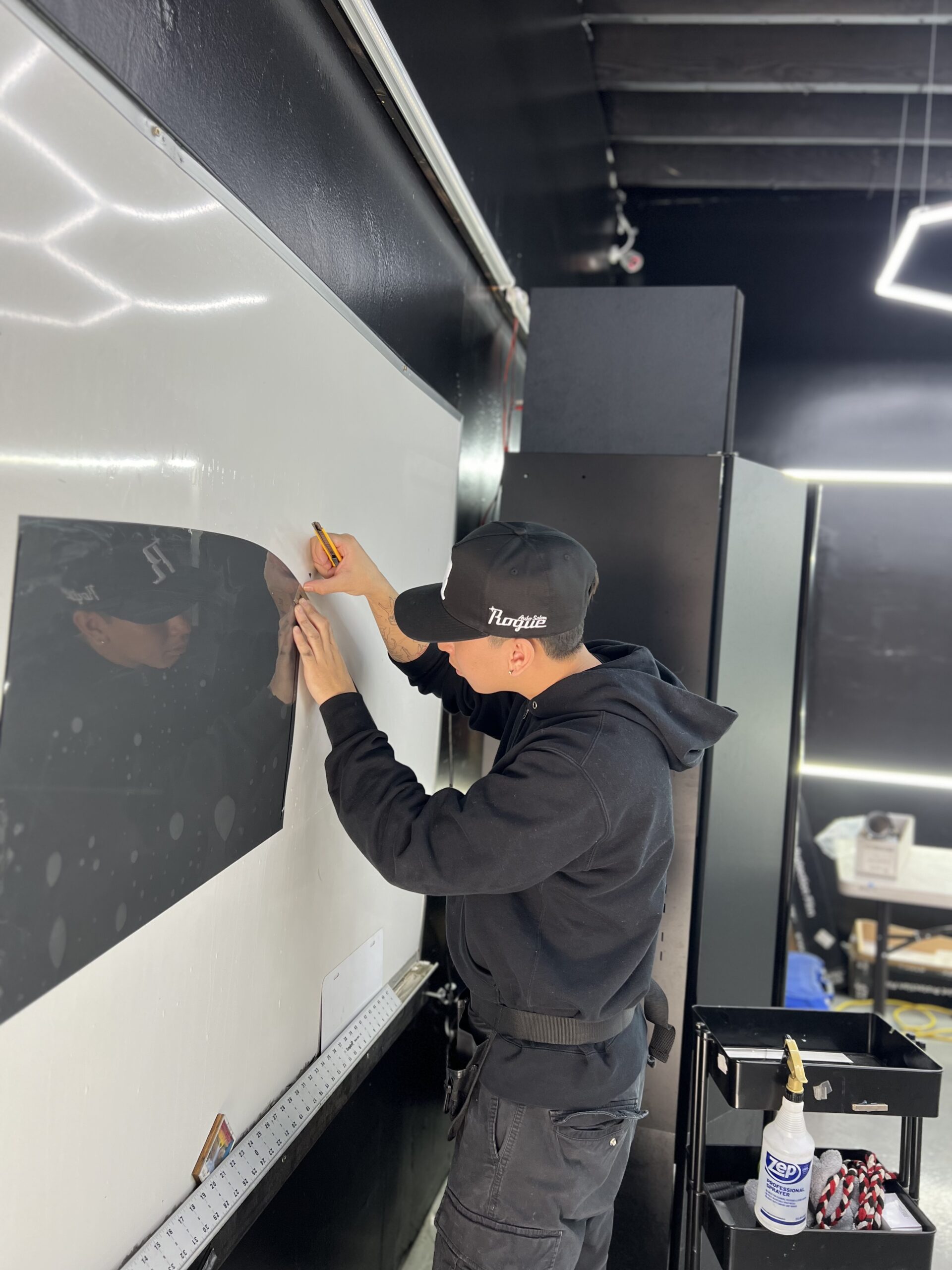
Ceramic films are more complex to install than basic tints. For best results, always opt for professional installation.
Choose a Certified Installer
Look for tint shops that:
Use high-quality ceramic films
Are familiar with state-specific tint laws
Offer warranties on both film and labor
Trusted brands like LLumar, XPEL, 3M, and SmartFilm offer ceramic films with long-term warranties and advanced nano-technology.
Proper care during the curing process ensures the film adheres properly and provides long-term performance.
Know the Maintenance Routine
While ceramic tint is low-maintenance, a few best practices help it last:
Clean regularly to avoid the buildup of dust or residue.
Inspect for signs of peeling or bubbling.
Don’t use abrasive tools or rough sponges.
With minimal care, your clear ceramic tint will perform flawlessly for years.
Is Clear Ceramic Tint on Windshield Worth It?
If you’re looking for superior comfort, protection, and safety without sacrificing visibility or legal compliance, clear ceramic tint on the windshield is worth it.
Let’s recap the main benefits:
Blocks 99% of UV rays
Rejects up to 90% of infrared heat
Preserves visibility and clarity
Safe for electronic devices
Durable, fade- and scratch-resistant
Often legal on windshields, depending on your state
While it comes at a premium, the long-term value, safety, and performance make ceramic tint a smart investment, especially in sunny or hot climates.
Final Thoughts
The clear ceramic tint on the windshield is more than just a luxury upgrade—it’s a practical enhancement for everyday driving. Whether you’re commuting through city heat or cruising through the desert sun, this innovative film keeps your vehicle cooler, safer, and more comfortable without attracting unwanted attention.
Before installation, always:
Check your local tint laws
Consult a certified installer
Choose a high-quality ceramic film
Make the smart choice today and enjoy the long-lasting benefits of modern automotive protection, with clarity.