Autocare
Ceramic Tint for Tesla Model Y: Benefits, Cost & Guide
Why Your Tesla Model Y Needs Ceramic Tint
If you’re considering ceramic tint for Tesla Model Y, the biggest reason to install it isn’t simply appearance—it’s heat control. The Model Y’s expansive glass area, including its panoramic roof and rear privacy glass, lets a lot of sunlight into the cabin.
Quality ceramic window tint can reduce solar heat, UV exposure, and glare while adding privacy and maintaining a clear, factory-style appearance. Depending on film quality, coverage, location, and installer, Tesla Model Y ceramic tint typically costs about $450–$1,200, while premium full-coverage installations can exceed $1,000.
For most owners, the best setup depends on the problem you’re trying to solve:
- If summer heat is the priority, the panoramic glass roof deserves special attention.
- If privacy and appearance matter most, darker rear and side-window film may be enough.
- If you’re considering tint specifically for heat rejection, ceramic generally offers a better long-term solution than dyed film, while carbon can provide a strong value alternative.
Is Ceramic Tint for Tesla Model Y Worth It?
Yes, ceramic tint is worth considering for a Model Y if you want better heat rejection, UV protection, glare reduction, and long-term performance. It is especially valuable in hot, sunny climates or for vehicles that spend significant time parked outdoors.
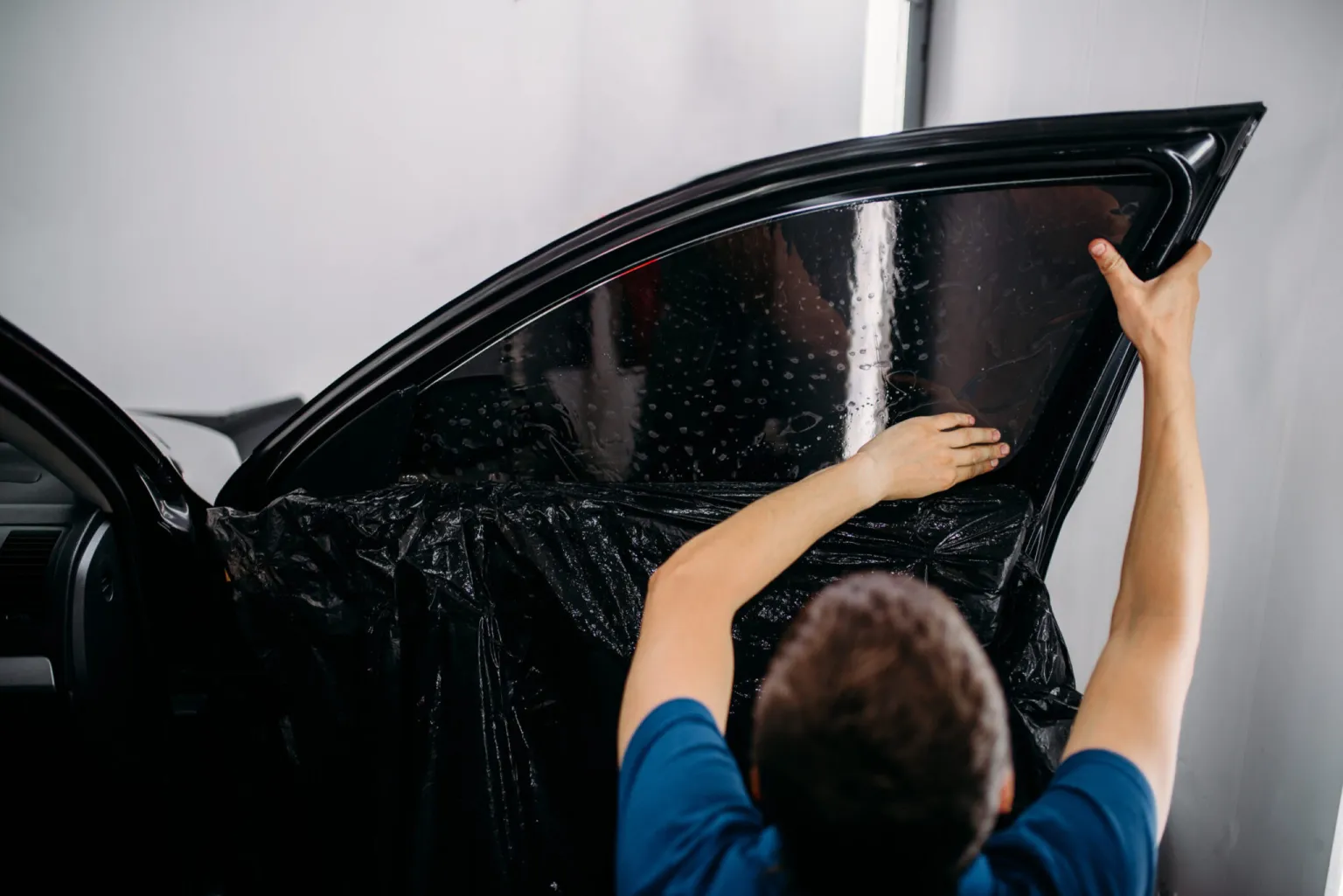
Ceramic automotive film uses non-metallic ceramic particles to reduce solar energy entering through the glass. Unlike traditional metalized film, quality ceramic film is designed to remain signal-transparent.
Key Benefits of Ceramic Tint
- Heat rejection: Reduces solar energy entering the cabin and can make the interior feel more comfortable.
- UV protection: Quality automotive films can block approximately 99% or more of harmful UV radiation.
- Glare reduction: Helps reduce discomfort from direct sunlight while driving.
- Interior protection: Lower UV exposure can help protect interior materials from long-term fading and deterioration.
- Privacy: Darker film makes it more difficult to see into the vehicle.
- Signal transparency: Non-metallic ceramic films are designed to avoid the signal-interference concerns associated with metalized films.
- Appearance: A carefully selected VLT can give the Model Y a more uniform appearance without making the front glass excessively dark.
The strongest case for ceramic tint is usually the combination of heat rejection and comfort, rather than darkness alone.
Why Does the Tesla Model Y Need Tint?
The Model Y has considerably more glass than a conventional SUV with a steel roof. Its panoramic glass roof covers a large portion of the passenger compartment, while the side windows and rear hatch add additional areas through which sunlight can enter.
That matters because solar energy passing through the glass becomes heat inside the cabin. Passengers can feel this particularly through the panoramic roof, where direct sunlight can reach the head, shoulders, and seats.
Tesla’s factory glass already provides UV protection, but factory privacy glass and aftermarket ceramic film serve different purposes. Privacy glass changes the appearance of the glass through the glass itself, whereas aftermarket ceramic film can add dedicated solar and infrared-control performance.
Reducing solar heat can improve cabin comfort and potentially reduce the workload on the vehicle’s climate-control system. The actual effect varies with weather, parking conditions, vehicle color, HVAC settings, glass area treated, and film specifications, so there isn’t one universal temperature or range improvement for every Model Y.
How Much Does Ceramic Tint for Tesla Model Y Cost?
The price of ceramic tint for Tesla Model Y depends on the film, number of windows, panoramic roof coverage, windshield coverage, installer, and local labor rates.
A useful 2026 planning range is:
Coverage | Typical Cost |
Front two side windows | $80–$150+ |
Four side windows | $150–$300+ |
Rear glass | $80–$150+ |
Panoramic glass roof | $200–$450+ |
Full ceramic without roof | $400–$800+ |
Full vehicle + panoramic roof | $600–$1,200+ |
Premium full-coverage installation | $900–$1,500+ |
These are planning ranges rather than fixed market prices. Actual quotes can be higher or lower depending on location and film.
For example, one installer cited approximately $449.99 for ceramic film on the four doors and rear glass, while a California installer listed full ceramic plus the panoramic roof from approximately $930. Premium roof films can also carry a substantial additional charge.
What Should You Budget for a Full Model Y Ceramic Tint Job?
For extensive ceramic coverage, $600–$1,000 is a reasonable starting budget, with premium film, windshield coverage, or specialized panoramic-roof film potentially taking the project beyond $1,000.
When comparing quotes, confirm exactly what is included. A “full tint” package may mean the side and rear windows but exclude the panoramic roof or windshield.
A useful rule: Compare the film, coverage, warranty, installation process, and installer experience—not just the headline price.
Best Ceramic Tint for Tesla Model Y
There isn’t one universally best ceramic film for every Model Y. The right choice depends on your budget, climate, desired VLT, and the performance specifications of the film.
Popular Ceramic Options
XPEL XR Plus
XPEL XR Plus is a premium ceramic film aimed at owners who prioritize strong heat and infrared performance, optical clarity, and warranty coverage. It is particularly appealing in very hot climates.
3M Ceramic IR
3M Ceramic IR is a widely recognized premium ceramic option. Its availability through established installers makes it a common choice for owners who want a well-known film manufacturer.
LLumar CTX and IRX
LLumar ceramic films offer strong heat and UV performance across different price tiers. They can be a good choice for owners looking for premium performance without automatically selecting the most expensive option.
FormulaOne Pinnacle
FormulaOne Pinnacle is another established ceramic option that can provide strong performance for buyers looking for a balance between price and heat rejection.
Don’t Compare Films Using One Number
When comparing ceramic window tint, don’t assume that a higher IR rejection percentage automatically means a proportionally better film.
IR rejection and TSER are different measurements:
- IR rejection measures infrared energy within a specified wavelength range.
- TSER (Total Solar Energy Rejected) measures the overall percentage of solar energy rejected by the glazing system.
- VLT (Visible Light Transmission) determines how light or dark the film appears.
For an accurate comparison, ask for the manufacturer’s technical specifications and compare films using the same testing methodology.
Ceramic vs. Carbon vs. Dyed Tint for Tesla Model Y
Ceramic isn’t the only viable option. The right film depends on what you’re trying to accomplish.
Film Type | Heat Rejection | Price | Signal Concerns | Best For |
Ceramic | Excellent | $$$ | Low with quality non-metallic film | Maximum heat control |
Carbon | Good | | Low with non-metallic film | Value + heat rejection | | Dyed | Basic | $ | Low | Appearance and privacy | | Metalized | Good | | Potential interference | Generally avoid for Tesla |
Ceramic
Best overall choice when heat rejection and long-term performance are priorities.
Carbon
A strong middle ground when you want meaningful heat rejection without paying ceramic prices. One real-world Model Y installation used 20% carbon film because the owner wanted privacy, appearance, glare reduction, and heat rejection at a lower cost.
Dyed
Primarily an appearance and privacy solution. It generally isn’t the best choice if reducing cabin heat is your main objective.
Metalized
Generally avoided for Tesla applications because metallic particles can potentially interfere with electromagnetic signals.
What Tint Percentage Should You Choose for a Tesla Model Y?
VLT, or Visible Light Transmission, describes how much visible light passes through the glass. Lower VLT means darker tint.
VLT Reference Guide
VLT | Appearance |
70% | Very light, nearly clear |
50% | Lightly tinted |
35% | Moderately dark |
20% | Dark |
15% | Very dark |
5% | Extremely dark |
A common starting configuration is:
Model Y Glass | Common Choice |
Front side windows | Legal limit or approximately 35% where permitted |
Rear side windows | 15–20% |
Rear hatch | 15–20% |
Panoramic roof | 50–70% |
Windshield | Only where legally permitted |
Tint laws vary by location. Front side windows and windshields are typically regulated more strictly than rear glass, so always verify the current rules where the vehicle is registered before selecting a VLT.
Don’t assume that a film labeled “70%” will automatically result in exactly 70% VLT after installation. The existing glass itself contributes to the final measured transmission.
What Happens When You Put Tint Over Model Y Factory Privacy Glass?
This is one of the most important details to understand before choosing a shade.
The Model Y’s rear glass already has darker factory privacy glass. Adding 20% aftermarket film over clear front glass will look very different from adding the same 20% film over factory privacy glass.
The combined rear glass can become significantly darker.
One installer describes 20% film over Model Y factory privacy glass as having roughly a 5% visual appearance, while noting that this is an appearance description rather than a guaranteed measured VLT.
That’s why you shouldn’t choose a film percentage based solely on an online photo or sample card.
If matching the factory rear appearance is your goal, ask your installer to show you an actual Model Y with the proposed film installed.
Should You Tint the Tesla Model Y Panoramic Glass Roof?
If heat rejection is your primary reason for tinting, the panoramic roof should be one of your highest priorities.
The roof represents a large area of exposed glass directly above the passenger compartment. A ceramic roof tint can reduce solar energy entering through that glass while allowing you to maintain a bright, open cabin when using a relatively high VLT.
You don’t have to tint the roof. Some owners prefer to keep the factory glass untouched, while others prioritize the additional heat and glare control.
If your primary complaint is simply roof heat, a removable sunshade is another option. It costs less, is reversible, and can block direct sunlight without permanently modifying the glass.
If you want a permanent solution that combines heat rejection, UV protection, glare reduction, and a clean appearance, ceramic roof tint is generally the more comprehensive approach.
How Much Does Model Y Roof Tint Cost?
A panoramic glass roof typically costs around $200–$450+ for ceramic film, although premium films and specialized installations can cost more.
Because the roof is large and installation technique matters, don’t choose a shop based on roof price alone.
Does Ceramic Tint Affect Tesla Autopilot, GPS, or Phone Key?
Quality non-metallic ceramic tint is designed to be signal-transparent and should not interfere with normal vehicle connectivity when properly installed.
This is one reason ceramic and carbon films are generally preferred over metalized films for Tesla vehicles.
A reputable installer should be able to identify the exact film being used and explain its signal-transparency characteristics.
The windshield requires additional care because installation involves liquid slip solution near the dashboard. Experienced Tesla tint installers protect the dashboard and control moisture so that installation fluids don’t migrate into sensitive areas.
How Difficult Is Tesla Model Y Tint Installation?
The Model Y isn’t necessarily difficult because every piece of glass is unusually complicated. The bigger challenge is preparation.
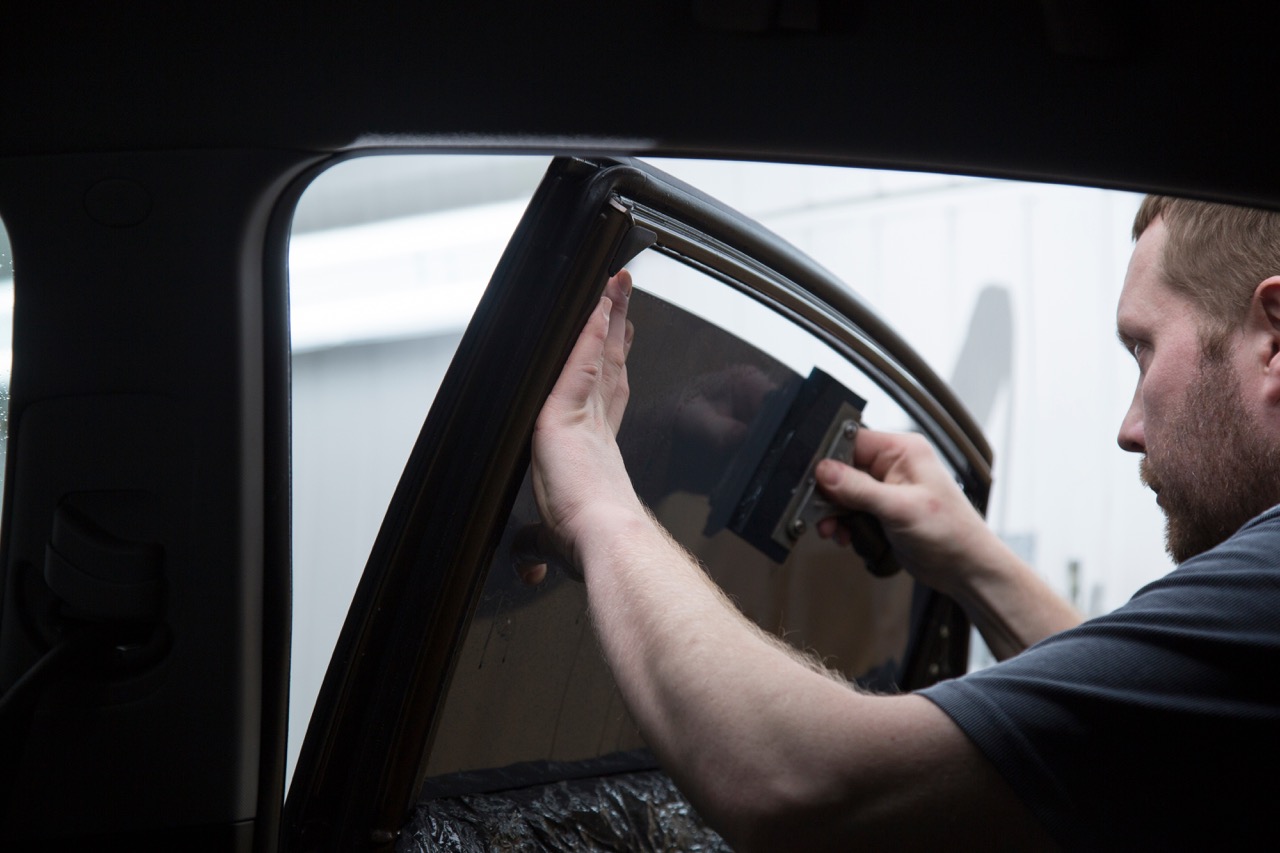
Professional installers may spend approximately 30–40 minutes preparing the vehicle before film installation begins. Some installers remove door panels to obtain better access to the window sweeps and reduce the risk of film catching or peeling when the window moves.
The rear hatch glass has significant curvature and requires proper heat-shrinking technique. The panoramic roof is also large and physically demanding to install cleanly.
Typical Installation Times
Installation | Approximate Time |
Doors + rear glass | 3–4 hours |
Full windshield | 1–1.5 additional hours |
Preparation | Approximately 30–40 minutes for a larger installation |
Timing varies by shop, film, coverage, vehicle condition, and whether the roof is included.
For the panoramic roof and full windshield, professional installation is strongly recommended.
DIY vs. Professional Model Y Tint Installation
DIY tint can reduce labor costs, particularly on straightforward side windows. However, the Model significant portion of solar energy and infrared radiation. Depending on the film’s specifications, installers may report substantial reductions in cabin heat. Actual results vary based on the film, VLT, weather, vehicle orientation, and how much glass is Y’s panoramic roof and windshield make a complete DIY installation considerably less forgiving.
Common DIY Problems
- Bubbles
- Creases
- Dust or contamination beneath the film
- Lifting edges
- Poor alignment
- Difficulty shrinking film around curved glass
- Lack of professional warranty
The roof is particularly difficult because of its size and the consequences of visible installation defects.
For most owners, professional installation is the better choice for a full Model Y ceramic tint job, especially when the roof or windshield is included.
When Should You Tint a New Tesla Model Y?
Inspect the vehicle first, then tint it.
After taking delivery, check the glass, trim, interior, panels, and exterior for delivery-related issues before installing film. Tinting immediately afterward can make certain defects harder to inspect.
Many owners schedule tint within the first week or two.
If you’re also planning ceramic coating, window tint is generally best completed first because the tint installation process involves cleaning and slip solutions. Follow your installer’s recommended curing period before scheduling additional detailing work.
How Long Does Ceramic Tint Last on a Model Y?
High-quality ceramic window tint can last 10–15 years or longer when properly installed and maintained. Actual lifespan depends on the film, installation quality, climate, UV exposure, cleaning methods, and manufacturer warranty.
Potential Signs That Tint Needs Replacement
- Bubbling
- Peeling
- Haze
- Discoloration or purple appearance
- Scratching
- Noticeable deterioration of the film
If you’re keeping your Model Y for many years, paying for quality film and professional installation can be more economical than replacing inexpensive film prematurely.
Best Tesla Model Y Tint Setup by Budget
You don’t necessarily need to tint every piece of glass at once.
Best Value
Choose carbon film on the side and rear glass if you want improved privacy, appearance, glare reduction, and heat rejection without paying premium ceramic prices.
Best for Heat Rejection
Choose ceramic film on the major glass areas, particularly the panoramic roof, side windows, rear glass, and windshield where legally permitted.
Best Minimal Upgrade
If your primary complaint is direct sunlight through the roof, consider a removable roof sunshade before committing to roof tint.
Best Overall Long-Term Setup
For owners who want the most complete solution, use a quality ceramic film with an appropriate VLT across the major glass areas and have the installation performed by a shop experienced with Tesla vehicles.
Frequently Asked Questions About Ceramic Tint for Tesla Model Y
How much does ceramic tint for a Tesla Model Y cost?
Ceramic tint for a Tesla Model Y typically costs about $450–$1,200, depending on the film brand, coverage, installer, and location. A basic ceramic package covering the side and rear glass may cost around $400–$800, while adding the panoramic roof and windshield can bring the total to $600–$1,200 or more. Premium films and full-coverage installations can exceed $1,000.
Is ceramic tint worth it on a Tesla Model Y?
Yes, particularly if you live in a hot or sunny climate. Ceramic tint can reduce solar heat, glare, and UV exposure while providing a cleaner appearance and maintaining electronic signal compatibility. The panoramic glass roof is often the most valuable area to tint because it exposes the cabin to substantial direct sunlight.
Does ceramic tint block heat on a Tesla Model Y?
Yes. Quality ceramic window films are designed to reject a significant portion of solar energy and infrared radiation. Depending on the film’s specifications, installers may report substantial reductions in cabin heat. Actual results vary based on the film, VLT, weather, vehicle orientation, and how much glass is covered.
Should I tint the panoramic glass roof on my Model Y?
If heat reduction is your main goal, the panoramic roof is one of the first areas worth considering. Tinting the roof can reduce radiant heat while preserving the Model Y’s open, glass-roof appearance when a lighter VLT is used. If you’re primarily trying to block direct roof heat at the lowest cost, a removable roof sunshade is a cheaper and reversible alternative.
What tint percentage is best for a Tesla Model Y?
There isn’t one ideal VLT for every owner. A common setup is a legal or relatively light shade on the front windows, 15–20% on the rear glass for additional privacy, and approximately 50–70% on the panoramic roof to control heat without making the cabin excessively dark. Always verify your local laws before selecting a VLT, particularly for front windows and the windshield.
What tint matches the factory rear windows on a Model Y?
Around 20% film on the front side windows is commonly used to create a similar visual appearance to the Model Y’s darker factory rear glass. However, factory privacy glass is part of the glass itself, so the final appearance isn’t an exact VLT match. Lighting, interior color, and the glass itself can change how the tint looks.
What happens if I put 20% tint over the factory privacy glass?
The rear glass will become substantially darker because you’re layering 20% film over already-dark factory glass. Depending on the original glass, the finished appearance can look close to a 5% tint, although this should not be interpreted as an exact measured VLT.
Does ceramic tint interfere with Tesla Autopilot or GPS?
Quality non-metallic ceramic tint is designed to be signal-transparent and should not interfere with normal GPS, cellular, Bluetooth, Wi-Fi, or phone-key functionality. Metallic films are generally avoided because metalized materials can potentially interfere with electromagnetic signals.
Can ceramic tint be installed on the Tesla Model Y windshield?
Technically, yes, but windshield tint is subject to specific legal restrictions that vary by location. Before installing full windshield film, check the applicable laws and choose a VLT that complies. A reputable installer should be able to explain your local requirements rather than simply recommending a darker shade.
How long does ceramic tint take to install on a Model Y?
A typical installation covering the four doors and rear glass can take approximately 3–4 hours. Adding the full windshield may require another 1–1.5 hours, while panoramic roof installations can add additional time depending on the shop and film. Proper preparation is an important part of the process.
Is Tesla Model Y tint difficult to install?
The individual windows aren’t necessarily extremely difficult for an experienced installer. The bigger challenge is preparing and protecting the vehicle. Installers may need to protect the dashboard and electronics, manage moisture during windshield installation, and obtain proper access to window sweeps. The curved rear glass and large panoramic roof also require appropriate installation techniques.
Can I tint my Model Y myself?
DIY tinting is possible, particularly for individual side windows, but a full Model Y installation is more demanding. The panoramic roof is large and difficult to install cleanly, while the windshield requires careful moisture management around the dashboard and electronics. For a full ceramic installation, professional installation is generally the better choice.
How long does ceramic tint last on a Tesla Model Y?
High-quality ceramic film can last 10–15 years or longer when properly installed and maintained. Lifespan depends on film quality, climate, UV exposure, installation quality, and care. Bubbling, peeling, discoloration, purple coloration, haze, or damaged edges are signs that tint may need replacement.
Can I tint my Model Y in stages?
Yes. If the cost of full coverage is a concern, you can prioritize the areas that matter most. A practical approach is to start with the side and rear glass, then add the windshield and panoramic roof later. However, if maximum heat rejection is the goal, treating the major glass areas provides a more complete solution.
Should I tint my Model Y before or after ceramic coating?
Window tint is generally best installed before exterior ceramic coating. Tint installation involves cleaning solutions and water, so completing the tint first can reduce the risk of affecting a freshly applied exterior coating. Follow the tint installer’s recommended curing period before scheduling additional detailing work.
Does window tint void the Tesla warranty?
Window tint is generally considered an aftermarket cosmetic modification and does not inherently void a vehicle warranty. However, installation-related damage can create separate issues, which is another reason to choose an experienced Tesla tint installer and ask about warranty coverage for the film and workmanship.
Final Verdict: Is Ceramic Tint for Tesla Model Y Worth It?
Ceramic tint for Tesla Model Y is a worthwhile upgrade for owners who prioritize cabin comfort, heat rejection, UV protection, glare reduction, and long-term film performance. The panoramic roof is particularly important because of its large exposed glass area.
If heat is your main concern, prioritize the panoramic roof and other large glass areas rather than focusing only on the front windows.
If you’re working within a tighter budget, carbon tint can provide a strong balance of heat rejection, appearance, and cost.
If privacy and appearance are the primary goals, dyed film can be sufficient, although it generally won’t deliver the same thermal performance as quality ceramic film.
Most importantly, choose your VLT based on local law and your visibility preferences, remember that factory privacy glass changes the final appearance of aftermarket film, and evaluate installers based on film quality, Tesla experience, preparation, warranty, and installation technique—not price alone.