Autocare

Can You Tint Windows in the Winter? Pros, Cons, and Expert Tips

Where we turn cars into showcases of pristine perfection.

When most people think about window tinting, images of sunny summer days and scorching heat often come to mind. But you might be wondering: can you tint windows in the winter? The answer is a resounding yes. 

While winter tinting might seem counterintuitive, cooler months actually offer unique advantages for both cars and buildings. With the right preparation, professional installation, and understanding of seasonal challenges, winter window tinting can be just as effective, and sometimes even more practical than summer installations.

This blog will explore everything you need to know about winter window tinting, including the benefits, potential challenges, types of films, expert tips for a successful installation, and the reasons why many homeowners, businesses, and vehicle owners choose winter for this service. 

By the end, you’ll have a clear understanding of how tinting in colder months works and why it’s worth considering.

Why Winter Tinting Works

Not Just a Summer Solution

Window tinting isn’t just about reducing heat on hot days. Modern window films serve multiple purposes year-round:

  • UV Protection: They block up to 99% of harmful UV rays, protecting skin, furniture, and vehicle interiors.

  • Glare Reduction: Winter sun often sits lower in the sky, reflecting off snow or glass surfaces, creating uncomfortable glare. Tinting mitigates this effect.

  • Energy Efficiency: Tinting helps retain heat during colder months, reducing the need for constant heating indoors or excessive use of car heaters.

  • Privacy and Security: Whether it’s a home, business, or car, tinted windows provide an additional layer of privacy and deter prying eyes.

Winter may even be an ideal time for tinting because UV rays are still strong enough to cause damage, glare is more noticeable, and heating efficiency becomes more important in chilly climates.

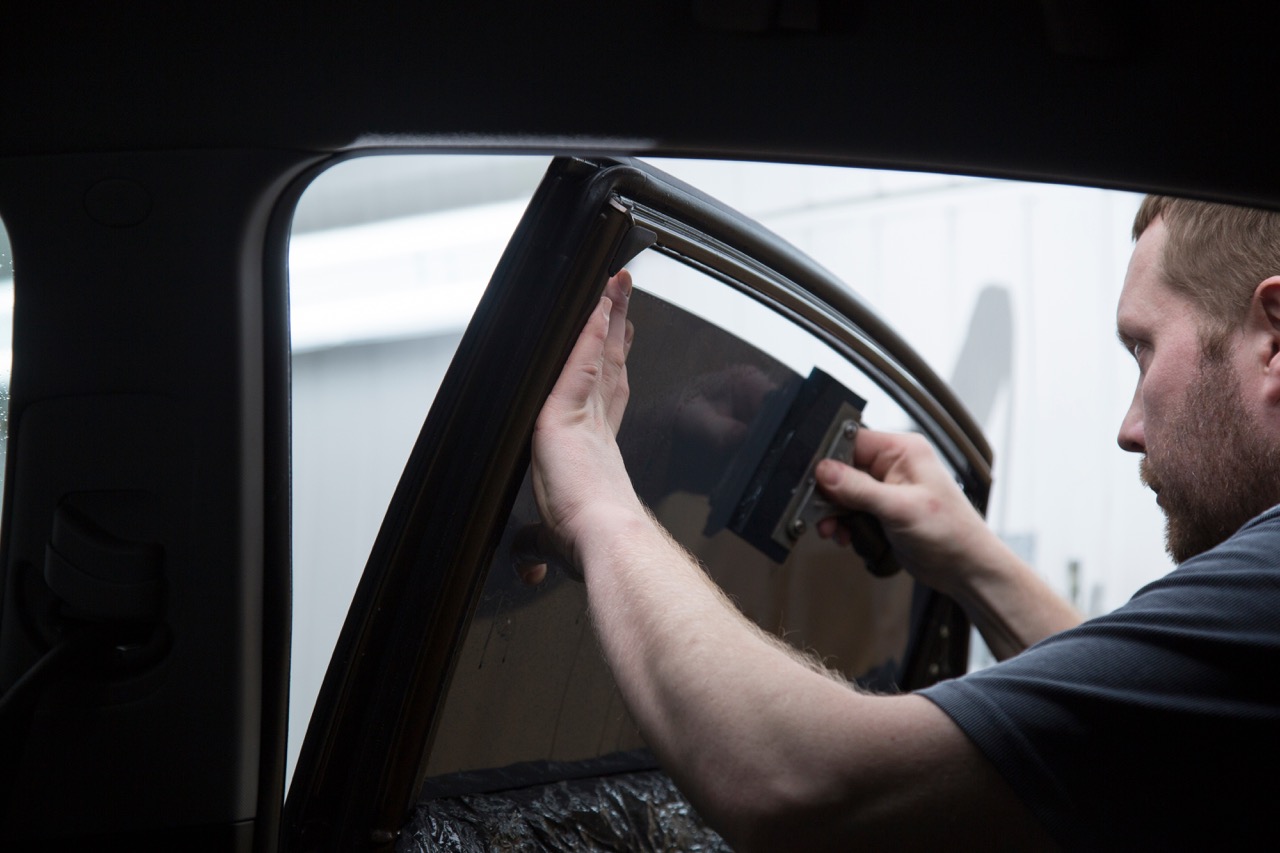
Technician peeling off film from a car window, illustrating the process and cost to remove car window tint

Benefits of Tinting Windows in Winter

1. Retain Heat and Save Energy

One of the biggest advantages of winter window tinting is improved insulation. Untreated glass allows warm air to escape from homes, offices, and vehicles, forcing heating systems to work harder. High-quality window films act as a barrier, reflecting indoor heat and reducing energy consumption.

In homes and commercial buildings, this translates to noticeable savings on heating bills. Many clients report a measurable drop in energy costs after applying window film in winter. In cars, tinting helps retain interior warmth, making winter drives more comfortable without over-relying on the heater.

2. Reduce Glare During Low Sunlight

Winter sun sits lower on the horizon and can cause significant glare, especially in morning and evening commutes or in south-facing rooms at home. Glare can strain the eyes, reduce visibility, and create discomfort. Window film filters sunlight, providing a more comfortable and safer environment for drivers, workers, or residents.

3. Protect Interiors from UV Damage

Even on cold, cloudy days, UV rays penetrate glass. Over time, exposure can fade hardwood floors, upholstery, electronics, or vehicle interiors. Window films block up to 99% of UV rays, preserving both aesthetics and the lifespan of furnishings and car interiors. This protective benefit is crucial in winter when snow reflects additional sunlight and amplifies UV exposure.

4. Improved Comfort and Aesthetics

Window tinting also contributes to overall comfort. By reducing glare and regulating temperature, interior spaces or vehicles become more pleasant to occupy. Tinting also enhances privacy and security while giving windows a sleek, modern look. For cars, tinted windows provide a sophisticated appearance; for homes or offices, films can complement design while maintaining clear views.

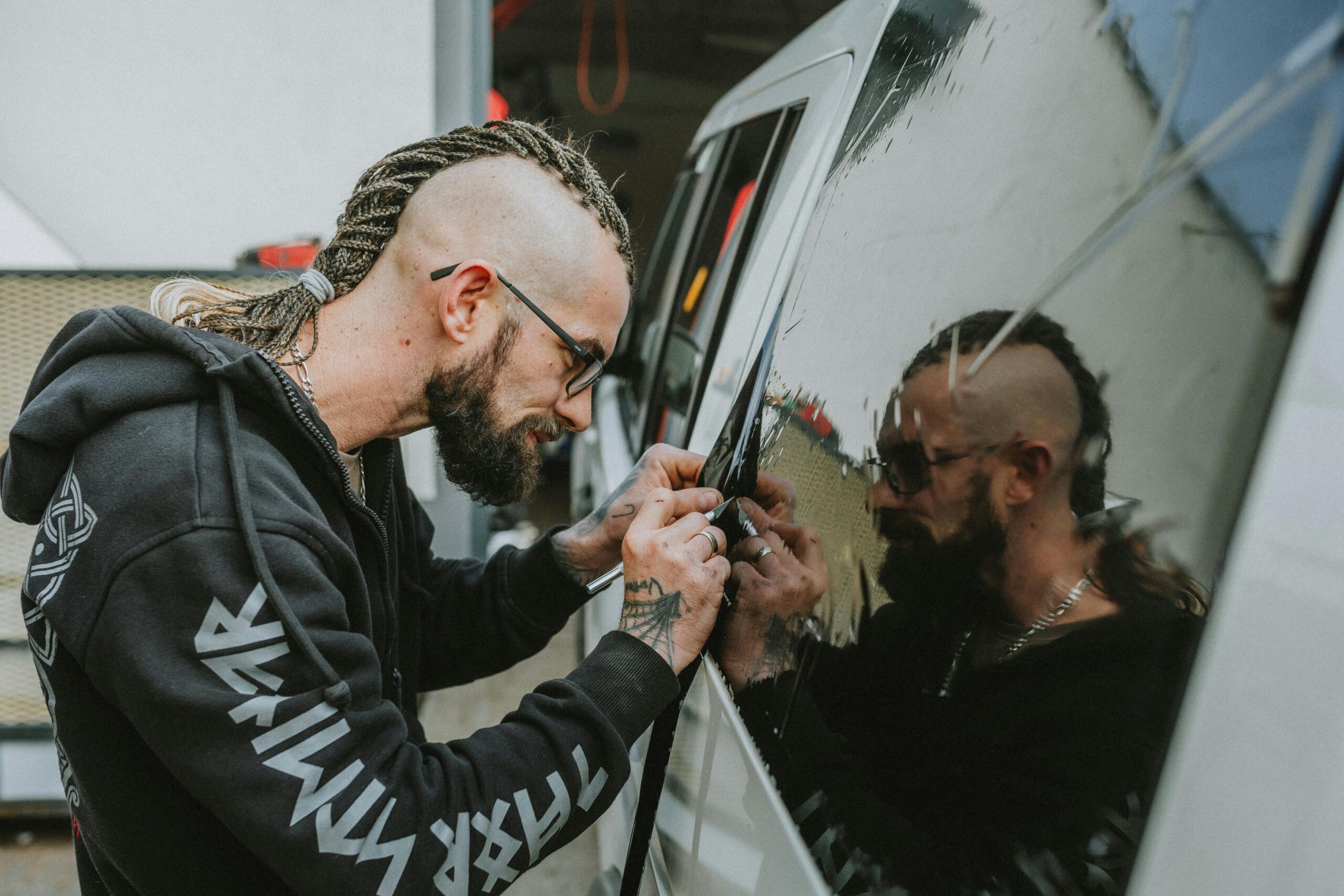
Challenges of Winter Tinting

While can you tint windows in the winter is a question with a positive answer, there are some unique considerations to ensure a successful installation.

1. Temperature and Adhesive Curing

Most tint adhesives are temperature-sensitive. In cold weather, curing can slow down, preventing the film from adhering properly. This may lead to bubbling, peeling, or uneven surfaces if not handled correctly. To address this, installers often recommend:

  • Choosing mild days for outdoor tinting

  • Using heated indoor spaces for installation

  • Allowing longer curing times to ensure a firm bond

2. Humidity and Moisture

Winter air can be more humid or damp, especially in regions with snow or ice. Excess moisture interferes with the adhesive, leading to bubbles or peeling. Ensuring a dry environment, either indoors or with controlled conditions, is key to a smooth, lasting finish.

3. Longer Curing Times

Unlike summer, when films may cure in hours, winter installations may require days for the adhesive to fully set. Rushing the process can compromise durability. Patience is crucial, whether tinting a vehicle or a building’s windows. Avoid rolling down car windows or washing the glass until the film has completely cured.

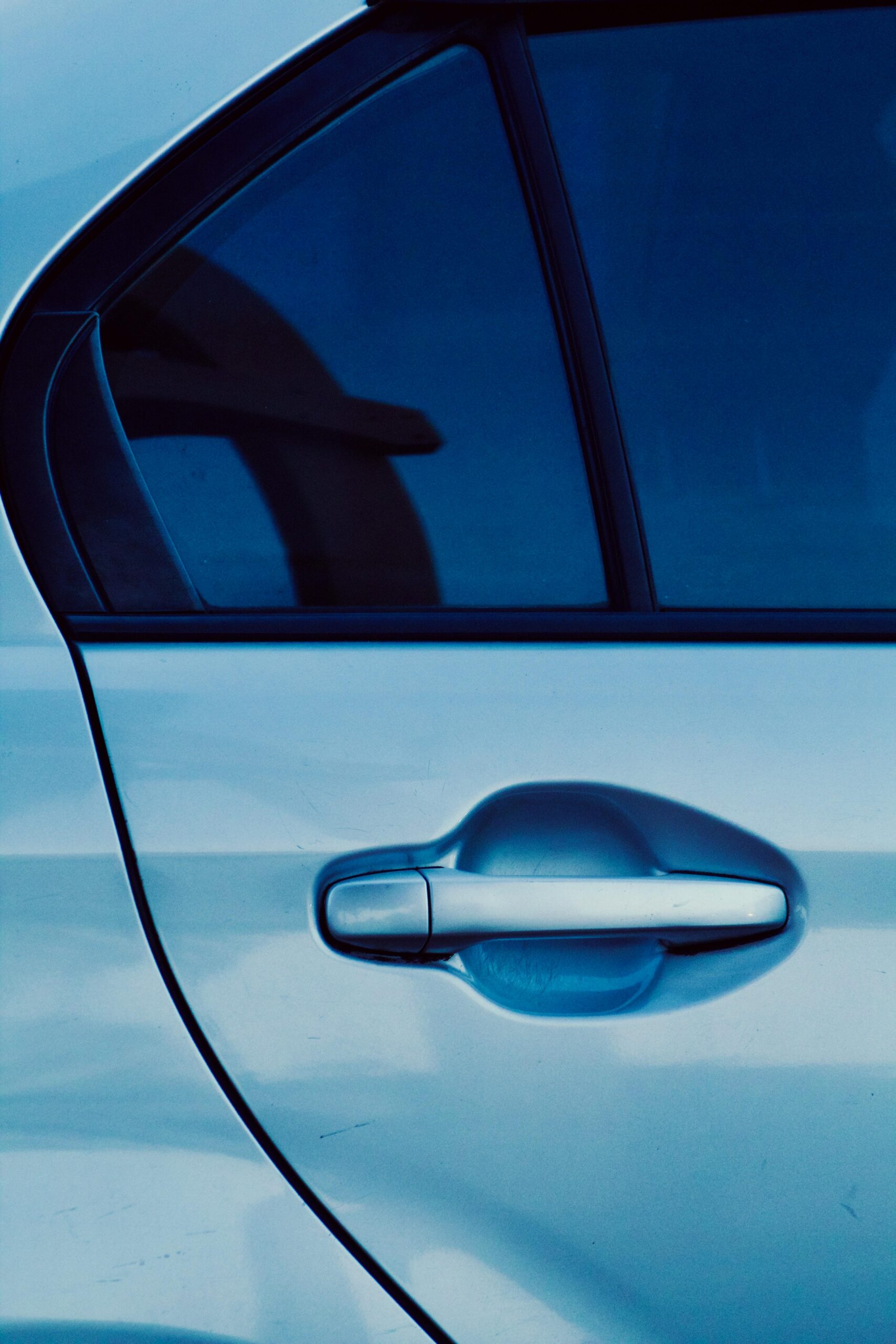
"Close-up of a car window with dark tint, reflecting the sky and surroundings

Tips for Successful Winter Tinting

Professional installation is the best way to overcome winter challenges. Here are expert tips to ensure the best results:

1. Indoor Installation Whenever Possible

Indoor installations protect the film from drafts, cold temperatures, and moisture. This controlled environment allows the adhesive to bond evenly and ensures a smooth, bubble-free application. Many tinting services for both vehicles and buildings recommend indoor tinting in winter for these reasons.

2. Hire Experienced Installers

Search for professional installers with experience in winter installations. For cars, look for terms like “car window tinting installers near me” or trusted brands like “Llumar auto window tinting.” Experienced technicians know how to handle temperature challenges, apply film without bubbles, and ensure proper curing for long-lasting results.

3. Choose High-Quality Film

Not all window films are created equal. High-performance films like Llumar or premium residential films offer better durability, UV protection, and energy efficiency. Investing in quality film ensures better adhesion, longer lifespan, and overall superior performance, even in challenging winter conditions.

4. Be Patient with Curing

Winter tinting often requires extra curing time. Avoid rolling down windows in vehicles or cleaning newly tinted windows in homes or offices until the film has fully adhered. Allowing the film to cure naturally ensures a smooth, long-lasting finish.

5. Consider Legal Requirements

For car window tinting, each state or region has laws regarding how dark the windows can be. Always verify local regulations before installation to avoid fines or mandatory removal. Professional installers are typically well-versed in compliance and can guide you on legal tint levels.

Types of Window Tint Films

When choosing a window film, consider the type based on your needs, budget, and location:

1. Dyed Film

  • Affordable and provides a dark appearance

  • Reduces glare and offers basic UV protection

  • May fade over time

2. Metalized Film

  • Contains metallic particles for heat and UV blocking

  • Durable and scratch-resistant

  • Can interfere with electronic signals

3. Ceramic Film

  • High-performance film with excellent UV and heat reduction

  • Clearer appearance with no interference with electronics

  • More expensive but long-lasting

4. Hybrid Film

  • A combination of dyed and metalized

  • Balances cost, performance, and durability

Choosing the right film is crucial for ensuring long-term benefits, especially during winter months when heat retention and glare reduction are top priorities.

Is ceramic window tint worth it​

Winter Tinting for Cars vs. Buildings

While the principles are similar, there are unique considerations for each:

Cars

  • Winter tinting helps retain interior heat, reduces glare from low winter sun, and protects upholstery from UV damage.

  • Patience during curing is essential; windows should remain rolled up for several days.

  • Professional installation ensures smooth, bubble-free results.

Homes and Offices

  • Window film retains heat, reducing heating bills and improving comfort.

  • Film reduces glare from sun reflecting off snow or icy surfaces.

  • Protects furniture, flooring, and artwork from UV fading year-round.

  • Winter often allows faster scheduling and more flexible installation times due to lower demand.

Why Winter Might Be the Best Time to Tint

Although summer is traditionally seen as the season for tinting, winter offers some advantages:

  • Better Availability: Installers often have more open appointments in the off-season.

  • Immediate Energy Benefits: Retaining heat in winter provides instant cost savings.

  • UV Protection Year-Round: Even in winter, sunlight can damage interiors.

  • Comfort and Glare Control: Low-angle sun and reflective snow can make winter glare worse, making tinting especially valuable.

Conclusion

So, can you tint windows in the winter? Absolutely. With proper planning, professional installation, high-quality materials, and patience during curing, winter window tinting offers significant benefits for vehicles, homes, and commercial properties alike.

Tinting in winter:

  • Retains heat and reduces energy costs

  • Protects interiors from harmful UV rays

  • Reduces glare from low-angle sun and reflective surfaces

  • Enhances comfort, privacy, and security

  • Allows flexible scheduling and professional attention

Whether you’re considering Llumar auto window tinting for your vehicle or residential/commercial window film, winter is not a limitation; it’s an opportunity. With the right preparation, you can enjoy the same benefits as summer installations, and sometimes even more.

So don’t wait for the next sunny day to think about window tinting. Winter provides the perfect conditions to protect your interiors, improve energy efficiency, and enjoy a comfortable, glare-free environment, all while ensuring your windows look sleek and stylish.

Close-up of tinted car windows in sunlight, representing factors that affect the cost to remove car window tint.