Can I Tint the Windows on a Leased Car? What You Need to Know
Where we turn cars into showcases of pristine perfection.
If you’ve ever asked yourself, “Can I tint the windows on a leased car?”, you’re not alone. Window tinting is one of the most popular car upgrades, offering benefits such as privacy, heat reduction, glare protection, and a sleek, modern appearance.
However, when your car is leased, modifying it isn’t as simple as visiting your local tint shop. Leasing companies have specific rules, and local laws often dictate what kind of tint you can legally apply. Knowing what’s allowed and how to do it properly can save you from unnecessary fines, damage charges, or lease-end headaches.
In this comprehensive guide, we’ll break down everything you need to know about tinting a leased car, from checking your lease agreement to understanding local laws, the benefits of window tint, professional installation, and how to handle lease returns.
Understanding Your Lease Agreement: The First Step
Before you even think about tinting, the most critical step is reviewing your lease agreement. When you lease a car, you don’t own it, you’re essentially borrowing it for a set period. This means that any modifications, including window tinting, may be restricted.
Look for clauses about modifications, alterations, or wear and tear. These sections detail what a lessee is allowed to do and what actions could result in penalties when returning the car. Some agreements outright forbid permanent changes, while others may allow professionally installed tinting, considering it an enhancement that may even increase vehicle value.
If your lease agreement is unclear or silent on the topic, contact your leasing company or dealership for written approval. Verbal agreements rarely hold up at lease-end, so securing documentation protects you from unexpected fees. Taking this step ensures you understand your rights and responsibilities before making any alterations.
Can I Tint the Windows on a Leased Car? The Role of Local Laws
Even if your lease agreement permits tinting, you’re still required to comply with state and local window tint laws. Each jurisdiction regulates:
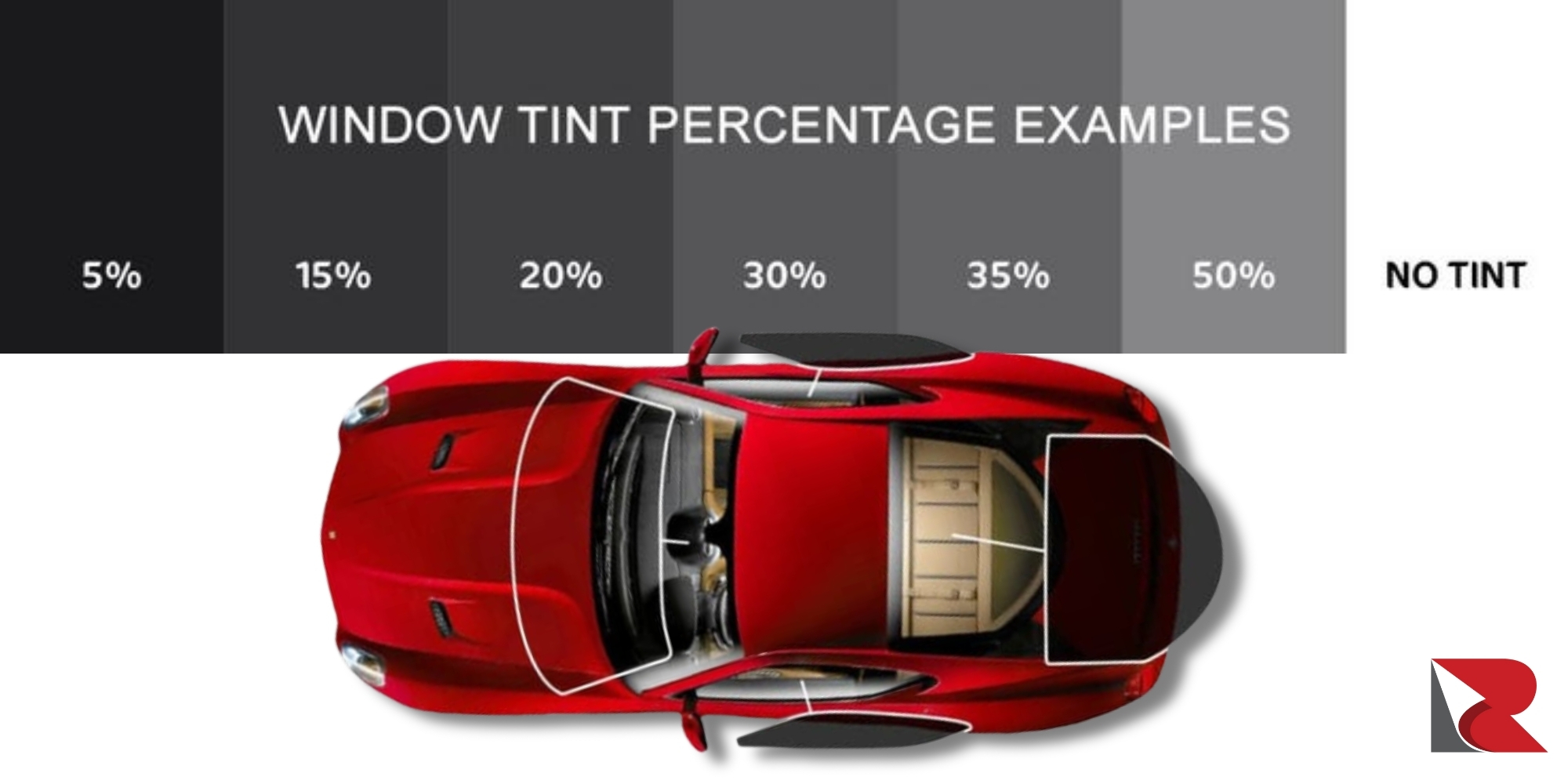
VLT% (Visible Light Transmission): This is the percentage of light allowed to pass through your windows. For example, front side windows often have stricter limits than rear windows.
Window type: Rules vary between front windshields, front side windows, rear side windows, and rear windows.
Color and reflectivity: Certain colors, like red, amber, or blue, are prohibited in many states to prevent interference with traffic signals or emergency vehicle recognition. Reflectivity is also regulated to avoid glare that could endanger other drivers.
Medical exemptions: Some states allow darker tints with a doctor’s note for medical reasons.
Certification or stickers: In some states, installers must provide certification or a sticker to prove compliance.
Non-compliance can lead to fines, mandatory removal, or other legal complications. Checking with your local DMV ensures your tint is fully legal, keeping your vehicle compliant and avoiding headaches down the road.
The Benefits of Tinting a Leased Vehicle
Window tinting isn’t just about making your car look stylish. There are multiple practical advantages:
1. Heat Reduction
High-quality window film significantly reduces the amount of solar heat entering your vehicle. A cooler cabin means less reliance on air conditioning, which can improve fuel efficiency and make driving more comfortable, especially during the summer months.
2. UV Protection
Tinting protects both passengers and your car’s interior from harmful UVA and UVB rays. Sunlight can accelerate the fading of upholstery, dashboards, and electronic components. A good window film acts like invisible sunscreen, extending the lifespan of your car’s interior while keeping passengers safe.
3. Glare Reduction
Sun glare, headlights, and reflections from wet roads or other vehicles can cause eye strain and reduce visibility. Window tint cuts glare, making driving safer and more comfortable, particularly during sunrise or sunset.
4. Privacy and Security
Darker windows make it harder for outsiders to see inside your car, protecting valuables from prying eyes. This can deter theft and help maintain your peace of mind.
5. Aesthetic Appeal
A well-tinted car looks sleek and sophisticated. Beyond function, it adds a premium finish, boosting the overall appearance and perceived value of your vehicle.
In short, tinting enhances both comfort and style, making it a worthwhile upgrade if done correctly.
Professional Tint Installation: Why It Matters
For leased vehicles, professional installation is essential. While DIY kits may seem budget-friendly, they carry significant risks, especially on leased cars:
Bubbles, peeling, or wrinkles in the film
Scratches to the glass or defroster lines
Damage to embedded sensors
These issues can result in costly repairs and lease return penalties.
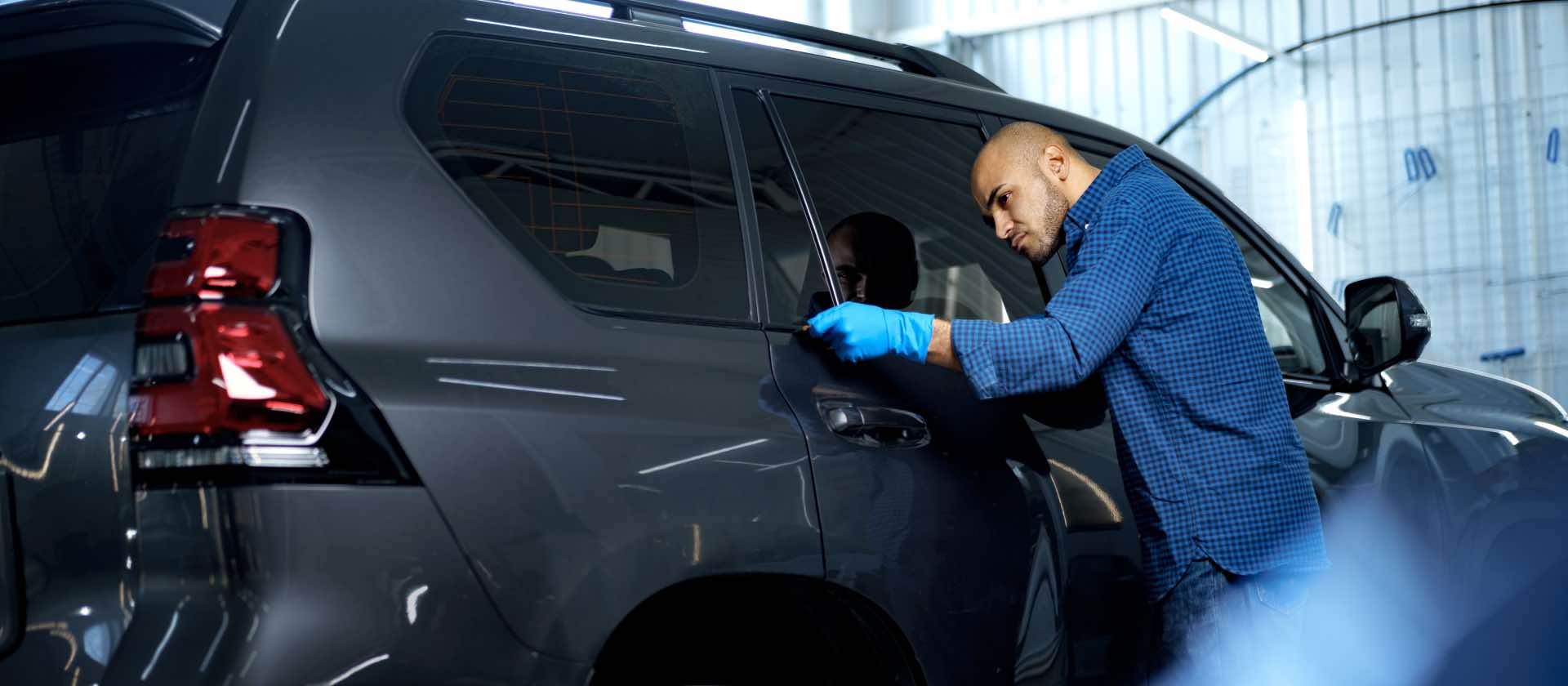
Professional installers have the skills, tools, and experience to apply window tint correctly and safely. They ensure a smooth, durable finish that complies with legal standards and lease agreements. High-quality films, like ClearPro, are designed to last and are easier to remove if necessary, reducing the risk of residue or damage when returning the car.
Additionally, certified installers often provide warranties that cover both installation defects and film issues, giving you peace of mind throughout your lease term.
Lease-End Considerations for Tinted Cars
One of the biggest concerns for leased vehicles is what happens to the tint when it’s time to return the car. Your lease agreement and any prior communications with your leasing company will determine your options:
Will the tint need to be removed? Some leasing companies allow professionally installed tints to remain if they enhance the car. Others require removal, especially if the tint is too dark, illegal, or poorly applied.
Cost of removal: Professional removal ranges from $100 to $300, much lower than potential fees for damage caused by DIY removal or non-compliance.
Quality matters: Premium films are easier to remove cleanly. Cheaper films can shatter or leave sticky residue, requiring extensive labor to fix.
Planning ensures you have time to remove or maintain your tint before lease-end, avoiding last-minute stress and fees.
Tips to Avoid Fees When Tinting a Leased Car
Making modifications to a leased car can be tricky, but following these best practices can help you avoid unnecessary costs:
Read your lease agreement thoroughly: Understand the rules regarding modifications and permissions.
Communicate with your lessor: Always get written approval before applying tint.
Know your local laws: Ensure your tint complies with state and local regulations.
Invest in high-quality film: Premium films are easier to remove, last longer, and protect your car’s interior.
Hire professional installers: Their expertise reduces the risk of mistakes and lease return penalties.
Maintain your tint: Use gentle cleaners and avoid abrasive materials to prolong the life of your window film.
Plan for return: Review lease-end requirements and schedule removal if necessary.
These steps help protect both your investment and your relationship with the leasing company, ensuring a smooth experience.
Common Questions About Tinting Leased Cars
Can I tint all windows on a leased car?
It depends on your lease agreement and local laws. While rear windows are often more flexible, front side windows and windshields usually have stricter rules. Always verify legality and lease approval before tinting.
Is darker always better?
Not necessarily. Extremely dark tints may violate state laws and can lead to penalties or mandatory removal. Focus on high-quality films that balance privacy, comfort, and compliance.
Can I do DIY tinting on a leased car?
DIY tinting is strongly discouraged for leased vehicles. Mistakes can be costly and may result in lease return charges. Professional installation is safer and often required by leasing companies.
What if my lease ends and the tint is still on?
Some companies allow professionally applied tints to remain. Others require removal. Always confirm ahead of time and budget for professional removal if needed.
Final Thoughts: Can I Tint the Windows on a Leased Car?
So, can you tint the windows on a leased car? The answer is yes, but only with careful planning. Start by reviewing your lease agreement and seeking written approval. Check local laws to ensure compliance, invest in high-quality film, and hire a professional installer. Finally, plan for lease-end to avoid unnecessary fees or complications.
When done properly, window tinting offers tangible benefits: reduced heat and glare, UV protection, added privacy, and a stylish upgrade. With the right preparation, you can enjoy these perks without jeopardizing your lease.
Remember, the key to successful leased car tinting is research, communication, and professional installation. Follow these steps, and your leased car can be both functional and stylish while keeping you protected from unexpected costs.