Can Heat Shatter a Car Window? What Every Driver Should Know
Understanding thermal stress, risk factors, and how to protect your vehicle
As summer temperatures soar, many car owners start to wonder: Can heat shatter a car window? While it might seem like a far-fetched scenario, prolonged exposure to high heat can indeed pose a serious risk to your vehicle’s glass.
Even if the heat doesn’t directly break the window, it can weaken the glass structure over time or cause pre-existing cracks to spread rapidly. Understanding how heat affects your windshield and side windows, and what steps you can take to protect them, is crucial for both safety and the longevity of your vehicle.
In this guide, we’ll explore the science behind heat-related glass damage, explain the factors that make your windshield vulnerable, and offer practical tips to prevent problems.
We’ll also discuss what to do if your car’s windows or windshield show signs of heat damage. By the end, you’ll have a clear understanding of how to protect your vehicle from extreme temperatures and why prompt action is key when damage occurs.
How Heat Affects Car Windows
The Science of Glass Expansion
Modern automotive glass is engineered to withstand various stresses, from heavy rain and hail to high winds. However, even the most durable windshields and side windows are not immune to damage from extreme temperatures. The primary reason lies in how glass reacts to heat.
When exposed to high temperatures, glass expands. Conversely, it contracts in cold weather. Normally, this expansion and contraction occur gradually and remain within safe limits. But problems arise when the temperature shifts rapidly, such as parking your car in direct sunlight on a hot day and then immediately blasting the air conditioning.
The sudden temperature difference can put tremendous stress on the windshield and side windows, sometimes leading to stress cracks.
Pre-Existing Weaknesses Amplify Damage
Heat alone is often not enough to shatter a car window. The real danger lies in the presence of small imperfections, like chips, debris damage, or hairline cracks. These weak points act as stress concentrators. When the glass expands under heat or contracts too quickly with a sudden drop in temperature, the crack can propagate, sometimes growing into a large fissure that compromises the structural integrity of the window.
Even minor chips that seem harmless can be a ticking time bomb in hot weather. This is why automotive glass experts emphasize that once cracks or chips appear, replacement is often the safest option, even if the damage initially appears minor.
Can Heat Really Shatter a Car Window?
So, can heat shatter a car window outright? In most cases, the answer is: rarely, if the glass is intact and properly installed. Modern windshields are designed with a safety layer, usually made of PVB (Polyvinyl Butyral), that prevents shattering. Even if the glass cracks, it tends to crack in place rather than shatter into dangerous pieces.
However, certain conditions increase the likelihood of a complete break:
Sudden temperature changes: Turning on a high-powered AC in a hot car or using boiling water on frozen glass in winter can create thermal shock.
Pre-existing damage: Chips, small cracks, or debris-damaged areas can fail under heat stress.
Poor installation: Glass that isn’t seated correctly may be more vulnerable to expansion and contraction.
In short, while heat alone is unlikely to shatter a perfectly intact window, it significantly increases the risk of damage, particularly if other factors are at play.
Examples of Heat-Related Damage
To illustrate the impact of heat on automotive glass, imagine this scenario:
You park your car in a sunny parking lot during a scorching summer afternoon. The windshield absorbs the solar heat and becomes very hot. Later, when you return to your vehicle, you immediately turn the air conditioner on full blast. The rapid temperature drop causes the glass to contract suddenly, stressing the PVB layer inside the windshield. If a small chip or hairline crack already exists, it can quickly spread, resulting in a long, noticeable crack.
Similarly, winter can produce comparable issues. Frozen glass exposed to the interior heat of a running vehicle can experience thermal shock, leading to cracks in the same way heat does in summer. The key takeaway is that extreme temperature changes, whether hot or cold, pose the greatest risk to your car windows.
How Summer Sun Affects Side Windows
While windshields are most often discussed in terms of heat damage, side windows are equally vulnerable. Extreme sun exposure can gradually weaken the glass or exacerbate existing damage. Cars that are regularly parked under direct sunlight without shade or protection are particularly at risk. Over time, this can result in stress cracks or chips that might require full window replacement.
Even though side windows are designed to handle heat expansion, repeated cycles of heating and cooling, especially during the dog days of summer, can compromise their structural integrity. This reinforces the importance of proactive care for all glass components of your vehicle, not just the windshield.
Tips to Prevent Heat-Related Window Damage
While you may not be able to control the weather, there are several steps you can take to minimize the risk of heat-related glass damage:
1. Avoid Sudden Temperature Changes
One of the most common causes of stress cracks is the sudden difference between hot and cold. When returning to your car on a sweltering day, avoid turning on the air conditioner at full blast immediately. Instead, lower the windows slightly and allow the car to cool naturally. Similarly, wash your vehicle with lukewarm water rather than cold water to prevent thermal shock.
2. Repair Chips and Cracks Promptly
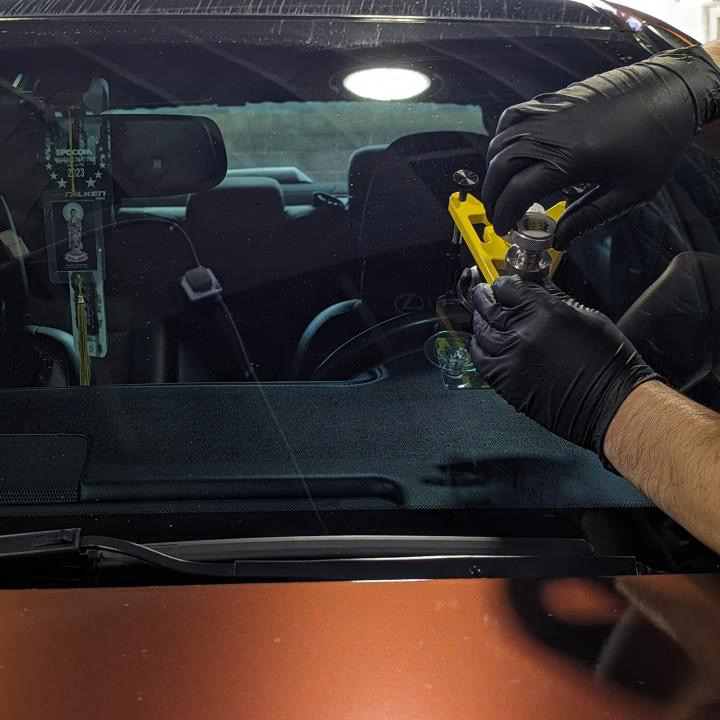
Even minor chips can grow into major cracks under heat stress. Addressing small issues early can save you the cost and hassle of full windshield or window replacement. Professional repair is always recommended, as DIY fixes can sometimes make the problem worse.
3. Park in the Shade or Use Sunshades
Whenever possible, park your car under shade or in a garage. If shaded parking isn’t available, sunshades can help reduce the temperature inside the vehicle, minimizing expansion stress on the glass.
4. Handle Car Doors Carefully
Slamming doors can create vibrations and minor shocks that weaken the glass over time. Gentle handling, especially in vehicles with existing minor damage, can help reduce the risk of cracks spreading.
5. Mind Seasonal Temperature Changes
Winter precautions are just as important. Avoid using hot water to melt ice or blast heaters directly on frozen glass. Gradual heating allows the glass to expand without excessive stress, preventing cracks from forming or worsening.
What to Do If Your Windows Show Heat Damage
If you notice cracks, chips, or signs of stress in your windshield or side windows, it’s important to act quickly. Weak spots caused by heat can compromise the safety of your vehicle. Here’s what you should do:
Have it inspected immediately: A professional auto glass technician can assess whether the damage requires repair or replacement.
Consider full replacement if cracks are present: Even small stress cracks can reduce structural integrity. Most experts recommend replacing the windshield or window rather than risking a DIY fix.
Check insurance coverage: Many insurance policies cover glass repair or replacement, so don’t delay addressing the issue.
Choose quality installation: Ensure replacement is done correctly, with proper adhesive, fit, and alignment, to avoid future problems.
Taking these steps helps maintain vehicle safety and prevents minor issues from escalating into costly replacements.
Long-Term Glass Care
Proper maintenance is key to extending the life of your windshield and side windows. Here are additional habits that can make a difference:
Regular inspection: Check your windows frequently for chips, cracks, or signs of stress. Early detection is crucial.
Avoid harsh cleaning methods: Abrasive cleaners or extremely cold water on hot glass can create micro-stresses.
Use protective films or coatings: Paint protection films and ceramic coatings can add an extra layer of durability and help moderate heat absorption.
By combining these preventive measures with careful handling, you can significantly reduce the risk of heat-related glass damage.
Bottom Line: Can Heat Shatter a Car Window?
So, what’s the final verdict? Can heat shatter a car window? The answer is nuanced:
Heat alone rarely shatters a perfectly intact, well-installed window.
Pre-existing cracks, chips, or improper installation drastically increase the risk of damage.
Rapid temperature changes, hot to cold or vice versa, are the most likely culprits for stress cracks.
In short, while a car window isn’t likely to explode just because the sun is shining, ignoring minor damage or subjecting your vehicle to extreme temperature swings can lead to cracks that compromise safety. The good news is that with careful maintenance, preventive measures, and timely professional intervention, you can protect your windshield and side windows from heat-related failure.
Professional Help Matters
If you suspect heat-related damage or notice cracks in your windshield or side windows, don’t wait. Seek out an experienced auto glass professional who can inspect, repair, or replace your glass as needed. Professional technicians ensure:
Proper installation and fit of new glass
High-quality adhesives and materials
Correct handling to prevent additional stress
Timely service to avoid further damage
Many auto glass service providers also offer mobile repair vans, so you can have your vehicle serviced at your location without added inconvenience.
Conclusion
Summer sun and heat may make road trips and coastal drives enjoyable, but they also introduce potential risks to your car’s glass. By understanding how heat affects windshields and side windows, avoiding sudden temperature changes, promptly repairing minor damage, and seeking professional help when needed, drivers can significantly reduce the likelihood of cracks or shattered glass.
Remember, even though a car window may not shatter from heat alone, it’s the combination of extreme temperatures, pre-existing damage, and sudden thermal changes that pose the real danger. Proactive care and professional attention are your best defenses.
So before the next heatwave hits, take a few precautions: park in the shade, handle doors gently, and keep an eye on any minor chips. Your windshield (and your safety) will thank you.