How to Choose the Best Tint Percentage for Front Windshield Visibility and Safety
Many drivers want to reduce glare, block harmful UV rays, and keep their vehicle cooler, but choosing the right shade can be confusing. The best tint percentage for front windshield applications is typically a lighter tint, with 70% VLT (Visible Light Transmission) being one of the most recommended options for maintaining safety while improving comfort.
Unlike side or rear windows, the front windshield plays a critical role in visibility. A tint that is too dark can make it harder to see pedestrians, road signs, and obstacles, especially at night or in low-light conditions. The goal of windshield tinting is not simply to make the glass darker, it is to improve the driving experience while preserving clear visibility.
A properly selected windshield tint can reduce harsh sunlight, minimize eye strain, protect your vehicle’s interior from fading, and block harmful UV exposure. When combined with high-quality materials like ceramic window tint, a light windshield film can provide excellent heat rejection without compromising safety.
This guide explains the ideal front windshield tint percentage, how VLT works, legal considerations, different tint options, and how to choose the safest solution for your vehicle.
For most vehicles, a 70% windshield tint offers the best balance between visibility, comfort, and protection. This means the tint allows approximately 70% of visible light to pass through the glass while reducing glare, heat, and UV exposure.
Because the windshield is the driver’s primary viewing area, maintaining high visibility is essential. A 70% VLT tint is light enough that it is often difficult to notice from the outside, but it can still provide meaningful benefits while driving.
The advantages of a 70% front windshield tint include:
Many drivers assume that a darker tint automatically provides better protection, but windshield tint performance depends heavily on the film’s quality and technology, not just how dark it appears.
Before choosing a windshield tint, it is important to understand what tint percentages actually mean.
Window tint percentages refer to Visible Light Transmission (VLT), which measures how much visible light can pass through the tinted glass.
For example:
The lower the percentage, the darker the tint appears. While darker films may offer more privacy, they can reduce visibility and may not be suitable or legal for front windshields.
For front windshield applications, lighter percentages such as 70% are preferred because they protect without interfering with safe driving.
The windshield is different from other vehicle windows because it directly affects your ability to react to road conditions. A driver needs a clear view of:
A windshield tint that is too dark can create problems at night or during poor weather conditions. Reduced visibility may increase reaction time and make certain hazards harder to recognize.
This is why most regulations focus on windshield tint transparency. The purpose is to ensure drivers receive the benefits of tinting without sacrificing road safety.
A lighter windshield tint provides glare reduction while maintaining the visual clarity needed for confident driving.
Bright sunlight can create dangerous glare that causes eye strain and temporary visibility issues. This is especially common during sunrise, sunset, or when driving directly toward the sun.
A 70% windshield tint helps reduce excessive brightness while keeping the road clearly visible. This can make long drives more comfortable and reduce distractions caused by glare.
Quality automotive window films provide significant UV protection. A professional windshield tint can block up to 99% of harmful ultraviolet rays, helping protect both drivers and passengers.
UV protection also helps preserve your vehicle’s interior by reducing:
One of the biggest reasons drivers choose windshield tint is heat reduction. Sunlight entering through untreated glass can quickly raise interior temperatures.
A high-quality ceramic windshield tint can reject infrared heat, keeping the cabin cooler even on hot days.
This reduces the need to constantly run air conditioning at maximum levels and improves overall driving comfort.
Safety at night is one of the biggest reasons to avoid extremely dark windshield tint.
A 70% VLT tint allows enough light transmission to maintain visibility after sunset, making it easier to identify road hazards and navigate darker areas.

When selecting a front windshield tint, the type of film matters just as much as the percentage.
Ceramic window tint is one of the most advanced options available because it provides strong performance without requiring a dark appearance.
Unlike traditional dyed films, ceramic tint uses advanced ceramic particles to block infrared heat and UV rays while maintaining excellent clarity.
Benefits of ceramic windshield tint include:
A 70% ceramic windshield tint can outperform darker, lower-quality films because it blocks more heat while preserving visibility.
This makes ceramic tint a smart choice for drivers who want maximum comfort without compromising safety.
Window tint laws vary depending on location, so it is important to check local regulations before installation.
Many states require front windshields to maintain a high level of light transmission. Some areas allow a limited tint strip along the top portion of the windshield, often called a visor strip, while restricting tint across the entire windshield.
Choosing a legal windshield tint helps prevent:
A professional tint installer can help you select a film percentage that meets local requirements while still providing the benefits you want.
Best for:
A 70% tint protects without creating a noticeably dark appearance.
Best for:
However, it may not be legal for all windshield applications, depending on the location.
Best for:
This level is usually more appropriate for side windows rather than the front windshield because it can reduce visibility.
These darker shades are generally used for rear windows where privacy is desired. They are typically not recommended for front windshield use due to visibility concerns.
Selecting the best windshield tint depends on several factors.
If you frequently drive in bright sunlight, a quality ceramic tint can provide excellent glare and heat reduction.
If you often drive at night, prioritize visibility and avoid darker films.
Always check your state’s windshield tint regulations before installation. A legal tint percentage protects you from unnecessary issues.
A premium ceramic film will usually outperform a cheaper, darker film. The material and technology behind the tint determine how well it blocks heat and UV rays.
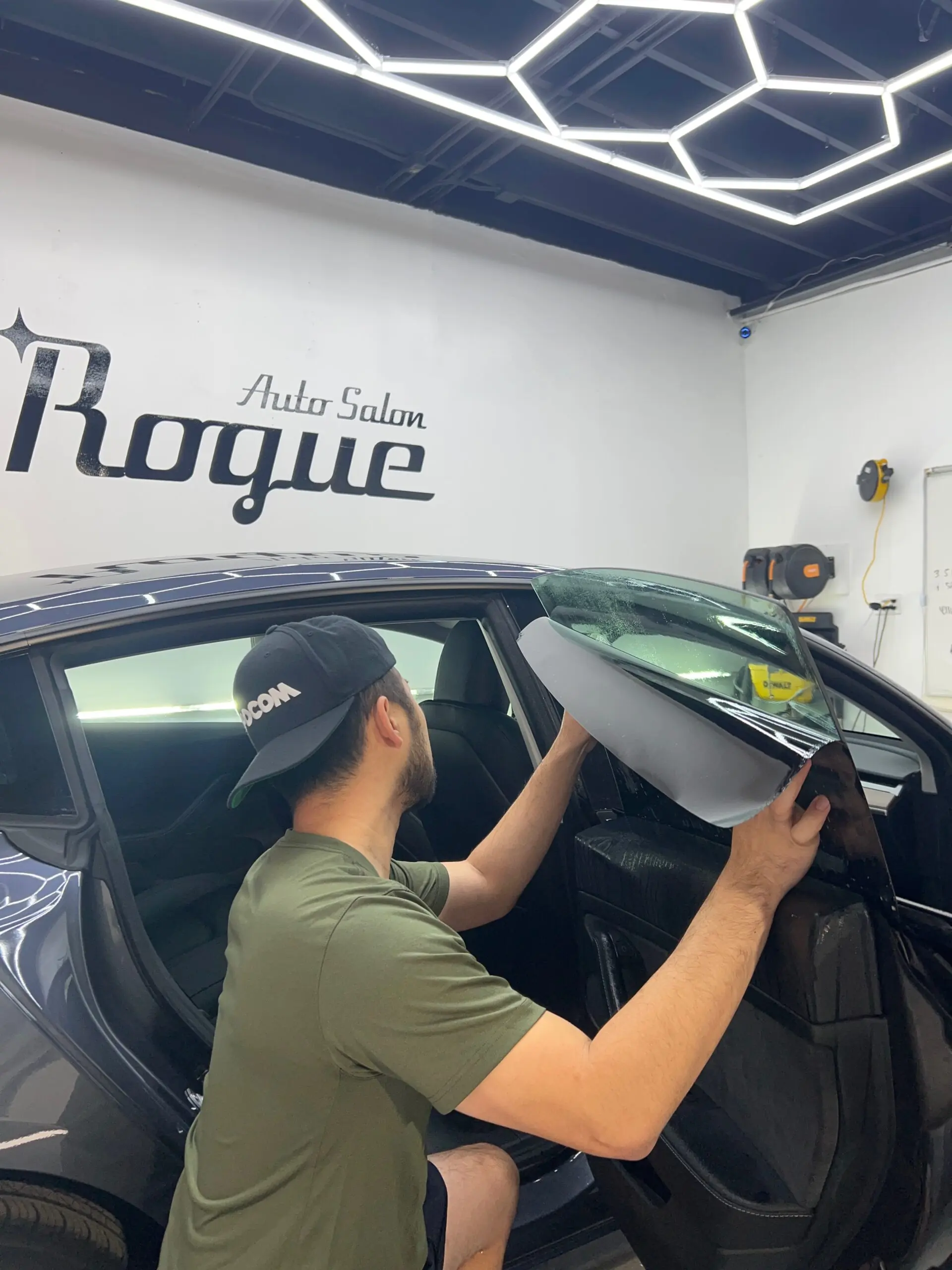
Proper installation is essential for performance and appearance. Professional installers ensure the film is applied smoothly without bubbles, distortion, or peeling.
Many drivers believe darker tint equals better performance. However, a lighter ceramic tint may provide better heat rejection than a darker low-quality film.
A windshield tint that looks great during the day may become difficult to see through after dark. Safety should always come before appearance.
Cheap films may fade, turn purple, bubble, or lose effectiveness over time. Investing in quality materials provides better long-term value.
The best tint percentage for front windshield safety is generally around 70% VLT because it provides the ideal combination of visibility, UV protection, glare reduction, and heat control.
A properly installed 70% ceramic windshield tint allows drivers to enjoy a cooler, more comfortable vehicle without sacrificing road awareness. While darker shades may look appealing, maintaining clear visibility is the most important factor when tinting a front windshield.
The right tint should improve your driving experience, not make it harder to see. By choosing a high-quality film, following local regulations, and working with a professional installer, you can achieve the perfect balance of comfort, protection, and safety.