Autocare

Are Car Windows Tinted on the Inside or Outside? Full Guide Explained

Where we turn cars into showcases of pristine perfection.

If you’ve ever watched someone getting their car windows tinted, you may have wondered, “Are car windows tinted on the inside or outside?” It’s a common question among car owners, especially those thinking about adding a tint for the first time. Window tinting might look like a simple job, just sticking a dark film on the glass, but there’s actually a smart reason why professionals do it a specific way.

In this full guide, we’ll walk you through where the tint really goes, why it matters, how the process works, and why professional installation is worth it. Whether you’re just curious or planning to get your car tinted soon, this article will help you understand everything you need to know in clear, simple terms.

Understanding Car Window Tinting

Car window tinting is the process of applying a thin film to the glass of your vehicle. The purpose of this film is to reduce glare, block heat, protect the interior from sun damage, and enhance privacy and appearance.

However, what many people don’t realize is that the film is almost always applied to the inside of the car’s windows, not the outside. While it might look like it’s being placed on the exterior at first glance, that’s just a step in the preparation process. Let’s break down why.

So, Are Car Windows Tinted on the Inside or Outside?

The short answer: car windows are tinted on the inside of the glass.

During installation, you may see the tint film being measured and cut on the outside of the window. This helps the installer shape it precisely to match the window’s curves and edges. But once the tint is perfectly sized and heat-shaped, it’s transferred to the inside of the window for the final application.

This method isn’t just a random choice; it’s based on years of experience and practicality. Applying tint on the inside provides much better protection, longer life, and a cleaner, more professional look.

Is ceramic window tint worth it​

Why Is Window Tint Installed on the Inside?

There are several reasons why the inside of the glass is the best place for the tint film. Let’s go over them one by one in simple terms.

  1. Protection from the Elements

The outside of your car is constantly exposed to sun, rain, dirt, and debris. If tinted film were applied to the exterior, these elements would quickly wear it down. Wind, washing, and even touching the film could cause scratches and peeling.

By applying the tint on the inside, it stays protected from the weather and harsh conditions. This makes it last much longer and look better over time.

  1. Longer-Lasting Durability

Window tint film is made from thin layers of polyester. While it’s strong enough to hold up for years, it can still be damaged by the outside environment. Inside the car, however, the tint is safe from things like road dust, tree sap, and automatic car washes.

Interior placement means the film won’t fade, bubble, or peel as easily. It keeps its color, clarity, and smooth finish for years to come.

  1. Better UV and Heat Protection

One of the biggest reasons people get their car windows tinted is for UV protection. Harmful ultraviolet rays from the sun can damage your skin and fade your car’s interior.

When the tint is installed on the inside, it creates a reliable shield against those rays before they can reach you or your upholstery. Even though it’s inside the glass, it still blocks a significant amount of UV and infrared light, helping keep your cabin cooler and safer.

  1. A Cleaner, Smoother Finish

Tinting the inside of the window also results in a much cleaner appearance. Inside installation allows professionals to control the environment, free from wind, dust, or sudden temperature changes.

This ensures that the film sticks perfectly to the glass, creating a flawless, bubble-free finish that looks sleek and factory-quality. You won’t see rough edges, uneven lines, or dirt trapped underneath.

  1. Easier to Maintain

Interior tint is also easier to care for. Since it’s protected by the glass, you don’t have to worry about scratching or damaging it during car washes. You can clean your windows as usual, just with gentle glass cleaner and a soft cloth.

Tint placed on the outside, by contrast, would be much more vulnerable to wear and tear and would need frequent replacement.

What About Exterior Window Tinting?

You might be wondering if exterior tinting is ever used. The answer is yes, but only in very specific cases. Exterior tint films are usually used for temporary applications or for large or curved windows where an inside application isn’t practical (like on some commercial buildings or specialty vehicles).

For regular cars, however, outside tinting isn’t recommended because it:

  • Wears out faster due to weather exposure

  • It is prone to scratches and peeling

  • Requires more maintenance and cleaning

  • Has a shorter lifespan overall

So while exterior films do exist, they’re not a good long-term solution for everyday drivers. The best and most common choice will always be inside tinting.

How the Window Tinting Process Works

Car Ceramic Coating

Understanding how tinting is applied can help you appreciate the skill involved and why professionals make it look so seamless. Here’s what typically happens during a tint installation:

Step 1: Cleaning the Glass

The process starts with thoroughly cleaning the windows inside and out. Any dust, dirt, or grease can cause imperfections, so installers take time to make sure every inch of glass is spotless.

Step 2: Measuring and Cutting the Film

The tint film is first placed on the outside of the window to measure and trim it. This helps the installer shape it to fit perfectly, especially if the glass is curved. Heat is sometimes applied to make the film more flexible and to “shrink” it into the exact contour of the glass.

Step 3: Applying the Film Inside

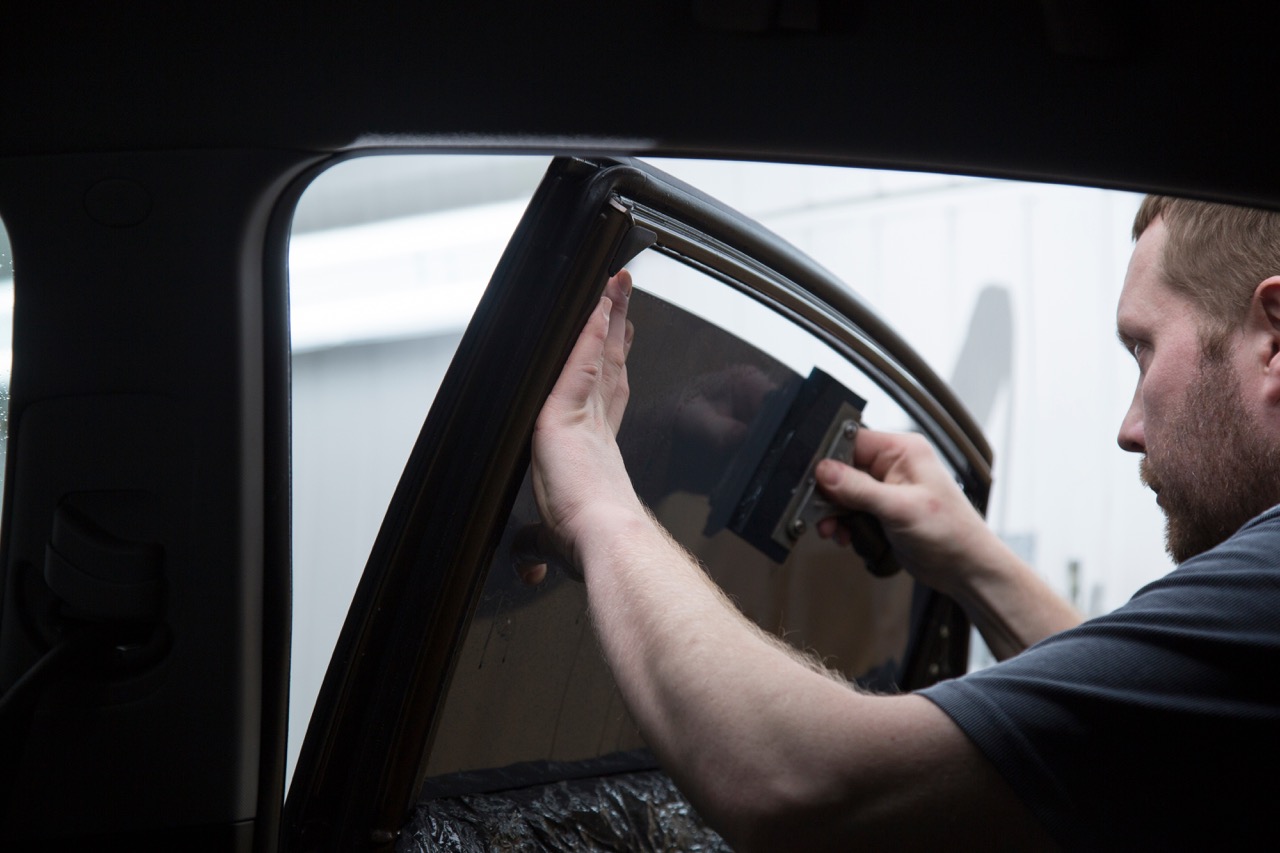
Once cut and shaped, the installer moves to the inside of the car. They roll down the window slightly, spray a special solution on the glass, and carefully apply the film from the bottom up. The liquid helps the film slide into position.

Step 4: Smoothing Out the Film

Next, the installer uses a squeegee to remove air bubbles and moisture. This step ensures the tint lies flat and sticks perfectly to the surface.

Step 5: Finishing Touches

Finally, the edges are trimmed neatly, and gentle heat may be used again to make the film adhere firmly. The result? A smooth, professional tint that looks great and performs even better.

Why Professional Tinting Is Worth It

While DIY tint kits exist, getting your car tinted by professionals, like the ones at Rogueautosalon, can make a huge difference in both quality and results. Here’s why:

1. Skill and Experience

Professionals know how to handle different window shapes, prevent bubbles, and ensure a perfect fit. Their experience ensures that the tint won’t peel or fade prematurely.

2. Proper Tools and Films

Shops like Monster Detailing School or Ace Tinting use specialized tools and top-grade films designed for durability and performance. This gives you a finish that looks better and lasts longer than cheap DIY films.

3. Legal Knowledge

Tinting laws vary by location, especially regarding how dark your windows can be. Professionals know the local regulations and make sure your tint is both stylish and legal.

4. Warranty and Aftercare

Most professional tinting services include warranties that cover bubbling, peeling, and discoloration. That means if anything goes wrong, you’re covered.

Common Myths About Window Tinting

Let’s clear up a few common misunderstandings people have about window tint:

Myth 1: Tint Goes on the Outside

As we’ve covered, the tint is installed on the inside, even if it looks like it’s being applied on the outside at first.

Myth 2: Tint Is Just for Looks

While tinted windows definitely enhance your car’s appearance, they also provide real benefits—like reducing glare, blocking UV rays, and keeping your car cooler.

Myth 3: Tint Damages Your Windows

When applied correctly, tint won’t harm your glass at all. In fact, it can actually help protect it by absorbing some impact from debris.

Myth 4: All Tint Films Are the Same

There are several types of tint: dyed, metalized, and ceramic. Each offers different levels of heat and UV protection. Professional installers can help you choose what’s best for your needs.

Caring for Your Window Tint

how to remove paint protection film from car

Once your tint is installed, proper care will help it last for years. Here are a few quick tips:

  • Wait before rolling down your windows: After tinting, wait a few days before using your windows to let the film fully cure.

  • Use gentle cleaners: Avoid ammonia-based cleaners; they can damage the film. Use mild soap or tint-safe glass cleaner.

  • Be gentle when cleaning: Use a soft microfiber cloth to prevent scratches.

  • Park smart: Whenever possible, park in the shade to reduce heat exposure and extend the tint’s life.

Why Knowing Where Tint Is Applied Matters

You might think it’s just a small detail, but understanding why car windows are tinted on the inside helps you appreciate the difference between a professional and a poor-quality job. Tint applied on the inside lasts longer, looks better, and offers the full benefits you’re paying for—like UV protection, comfort, and privacy.

It’s also an indicator of good craftsmanship. When a shop explains that they install tint on the inside, it shows they follow proper industry standards and care about durability and customer satisfaction.

Final Thoughts

So, to answer the big question once and for all: Are car windows tinted on the inside or outside?
They’re tinted on the inside, and for good reason. Inside application protects the film from harsh weather, extends its life, and ensures a clean, flawless look that enhances both style and comfort.

Whether you choose a light shade for subtle sun protection or a darker tint for maximum privacy, knowing how and where it’s applied helps you make better decisions.

If you’re considering getting your car windows tinted, look for a trusted and professional installer. They’ll not only deliver great results but also help you stay within legal limits and get the most value out of your investment.

With the right tint, installed the right way, you can enjoy a cooler, more comfortable, and better-looking ride for years to come.

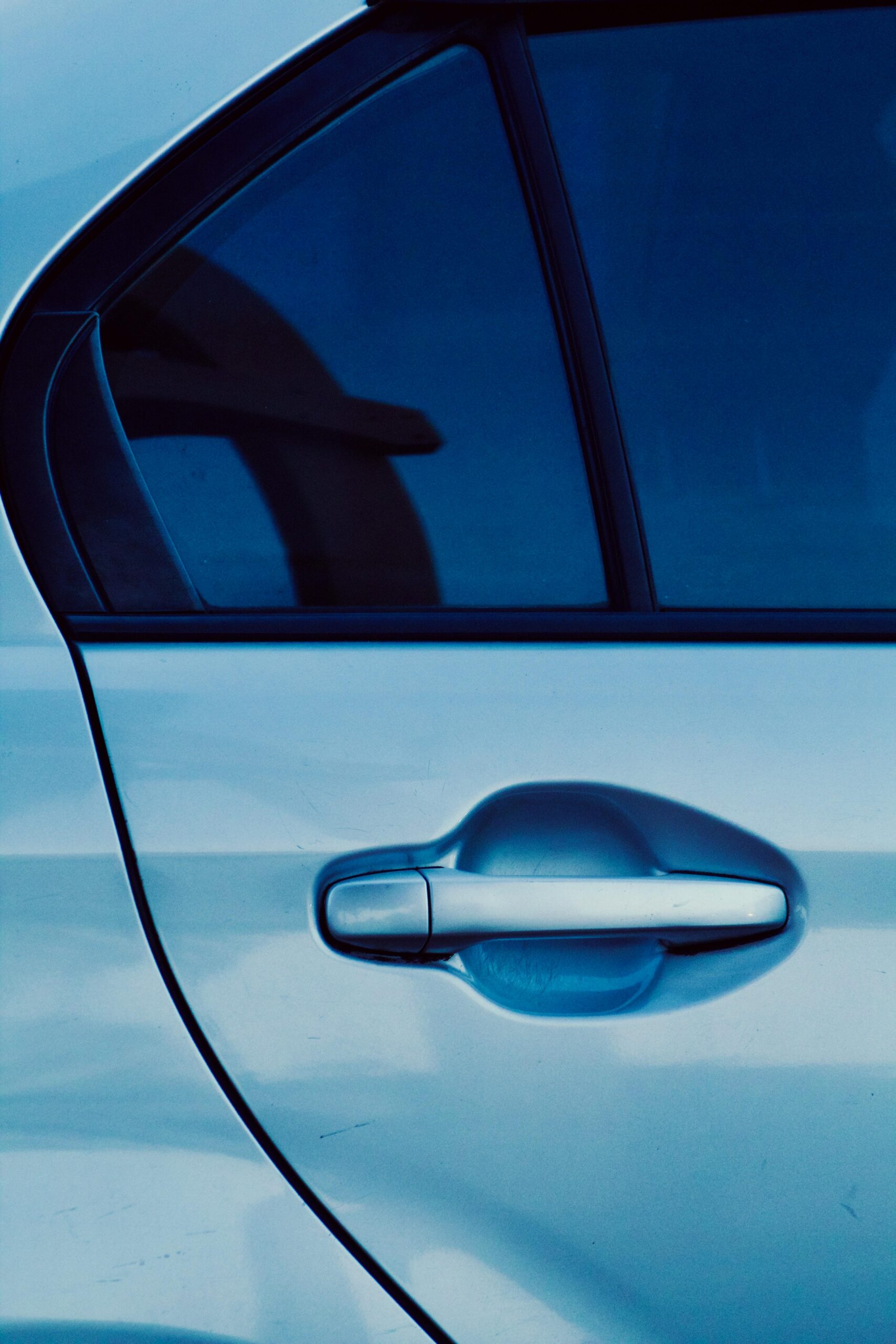
Close-up of tinted car windows in sunlight, representing factors that affect the cost to remove car window tint.