Autocare
What Does Ceramic Coating Protect Against? What It Can and Can't Do
What Ceramic Coating Protects Against, and Where It Falls Short
What does ceramic coating protect against? Automotive ceramic coating helps protect your car’s paint against certain environmental contaminants, chemical exposure, and everyday grime while improving gloss and water repellency.
It can also make routine cleaning easier. However, ceramic coating does not make your vehicle scratch-proof, prevent rock chips, or eliminate water spots.
At Rogue Auto Salon, we use Ceramic Pro coatings to help vehicle owners preserve their paintwork and simplify maintenance. Understanding what ceramic coating can and cannot do is essential when deciding whether it is the right investment for your vehicle.
This guide explains the main benefits and limitations of ceramic coating, compares it with paint protection film (PPF), and helps you choose the right level of protection.
What Is Ceramic Coating and How Does It Protect Your Car?

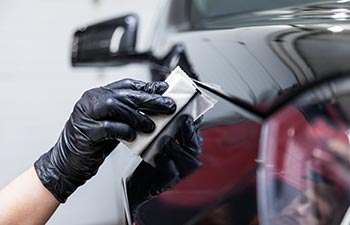
Automotive ceramic coating is a liquid protective product that bonds to a properly prepared vehicle surface as it cures. Many professional coatings use silicon dioxide (SiO₂) or related ceramic-forming chemistry to create a durable, transparent layer over the paint’s clear coat.
Unlike traditional wax, which generally offers shorter-term protection, a professional ceramic coating is designed to remain on the surface for an extended period. Its performance depends on the formulation, surface preparation, installation, curing conditions, and maintenance.
A ceramic coating can improve gloss, increase water repellency, and provide resistance to certain environmental and chemical contaminants. It can also make dirt and residue easier to remove.
However, a coating is not an impenetrable shield. Its resistance varies by product and exposure conditions, and contaminants can still stain or etch the finish if left untreated.
What Does Ceramic Coating Protect Against?
Ceramic coating provides several useful forms of surface protection. The degree of protection depends on the specific coating and how the vehicle is used and maintained.
1. UV Exposure and Paint Deterioration
Prolonged sunlight and environmental weathering can contribute to fading, oxidation, and loss of gloss over time. Vehicles parked outdoors for extended periods are particularly exposed to these conditions.
A suitable ceramic coating can contribute to protecting the finish from environmental deterioration, depending on its formulation. However, UV protection varies between products, and a coating should not be treated as a guarantee against fading.
Best for: Daily drivers and vehicles regularly parked outdoors.
2. Bird Droppings and Insect Splatter
Bird droppings and insect residue can stain or etch automotive paint, particularly when exposed to heat or left on the surface for extended periods.
Ceramic coating can improve resistance to certain contaminants and make residue easier to remove. However, it cannot guarantee that bird droppings or insect remains will never damage the finish.
Remove these contaminants promptly using a suitable automotive cleaner and a soft microfiber towel. Avoid scraping or aggressively rubbing dried residue.
Best for: Vehicles parked beneath trees, driven frequently, or regularly exposed to insects.
3. Tree Sap and Sticky Environmental Residue
Tree sap can adhere firmly to paint, especially when exposed to sunlight and heat. Hardened sap may require a dedicated cleaner and careful removal.
A ceramic coating can make some sticky contaminants easier to remove and provide an additional protective interface between the residue and the paint. It does not prevent sap from landing on the vehicle or guarantee protection against prolonged exposure.
Use a coating-compatible cleaner and follow its instructions. Avoid unapproved household solvents that could damage paint, trim, or the coating.
4. Certain Chemicals, Road Grime, and Environmental Contaminants
Vehicles encounter traffic film, road salt, industrial fallout, and other contaminants that can affect their finish.
Ceramic coating can improve resistance to certain chemicals and make surface contamination easier to remove. Its effectiveness depends on the product, the chemical involved, its concentration, and how long it remains on the surface.
Regular cleaning is particularly important for vehicles exposed to road salt or frequent wet-weather driving.
Remember that an exterior paint coating does not protect every vehicle component. Road salt can still contribute to corrosion on exposed metal, damaged paint, and vulnerable underbody areas. Cleaning the undercarriage and addressing paint damage remain important.
5. Water Spots and Mineral Deposits
Ceramic coatings are known for their hydrophobic properties, which encourage water to bead or move across the surface.
This can make rinsing easier, but water repellency does not mean water spots cannot form. When water evaporates, dissolved minerals can remain behind and create visible deposits.
Hard tap water, sprinkler overspray, and rainwater mixed with airborne contamination can all cause spotting. Persistent deposits may even etch the coating or underlying clear coat.
To reduce water spots:
- Wash in the shade when possible.
- Dry the vehicle promptly after rinsing.
- Avoid parking near sprinklers.
- Remove mineral deposits using a product compatible with your coating.
For practical washing and drying advice, read Rogue Auto Salon’s guide to ceramic coating maintenance.
6. Dirt, Road Film, and Everyday Grime
One of the most noticeable benefits of ceramic coating is easier routine cleaning.
The treated surface’s properties can make some contaminants easier to remove, while water repellency can help rinse away loose dirt. This is particularly useful for daily-driven vehicles exposed to dust, traffic film, and road grime.
However, ceramic coating does not make a car self-cleaning. Mud, oily residue, and other contamination can still accumulate.
Regular, safe washing remains essential to preserve the coating’s appearance and performance.
7. Certain Chemical Stains and Surface Contamination
A ceramic coating can provide an additional protective layer against some chemical contaminants that would otherwise contact the clear coat directly.
This can help reduce the likelihood of certain stains and simplify cleaning. However, resistance is not the same as immunity.
Strong chemicals, prolonged exposure, unsuitable cleaning products, and existing paint defects can still cause damage. Always follow the coating manufacturer’s chemical-resistance and aftercare instructions.
What Ceramic Coating Cannot Protect Against
Understanding ceramic coating’s limitations is just as important as understanding its benefits. A coating improves surface protection, but it does not replace a physical impact barrier.
Rock Chips and Flying Road Debris
Small stones and gravel can strike the bonnet, bumper, mirrors, and front fenders at highway speeds. These impacts can chip the paint and expose the primer or underlying metal.
Ceramic coating is not designed to absorb these impacts reliably. Even a premium professional coating cannot provide the same type of protection as paint protection film.
Better option: PPF is the more appropriate choice if reducing rock-chip damage is a priority.
Deep Scratches and Abrasion
Some ceramic coatings may offer limited resistance to light surface marring, depending on their formulation. However, they do not make automotive paint scratch-proof.
Keys, sharp objects, abrasive brushes, dirty wash mitts, and improper drying techniques can still scratch the finish. Deep scratches may penetrate the coating and damage the clear coat underneath.
Safe washing techniques remain essential, even after professional coating application.
Dents and Physical Impact
Ceramic coating cannot prevent dents caused by shopping carts, car doors, falling objects, or collisions.
These are physical impacts rather than surface contamination. Preventing this type of damage requires different precautions and, where appropriate, physical protection.
Existing Scratches, Swirl Marks, and Paint Defects
Ceramic coating does not repair damaged paint. Applying a coating over swirl marks, scratches, oxidation, or dull patches will not automatically remove those defects.
In fact, an increase in gloss can make some imperfections more noticeable under certain lighting conditions.
For the best finish, the paint should be inspected and corrected where appropriate before coating application. Explore Rogue Auto Salon’s paint correction service if your vehicle needs preparation before protection.
Every Water Spot and Environmental Hazard
Ceramic coating cannot guarantee that water spots, sap stains, bird-dropping marks, or chemical damage will never occur.
The longer aggressive contaminants remain on the surface, the greater the potential for staining or etching. Prompt removal and consistent maintenance are still necessary.
Ceramic Coating vs. Paint Protection Film: Which Protects More?
Ceramic coating and paint protection film serve different purposes. The better option depends on the type of damage you want to reduce.
Protection concern | Ceramic coating | Paint protection film (PPF) |
UV-related deterioration | May help resist environmental degradation; performance varies | Quality films offer UV protection |
Bird droppings and tree sap | Can improve resistance and cleanability | Provides a physical barrier, but contamination still needs removal |
Water repellency | A major benefit of many coatings | Depends on the film’s surface properties |
Rock chips | Not reliable impact protection | Designed to absorb many small impacts |
Minor abrasion | Limited resistance; not scratch-proof | Better protection against many minor physical abrasions |
Gloss and maintenance | Improves gloss and can simplify cleaning | Depends on the film finish; compatible coatings may enhance cleanability |
Dents and major impacts | No meaningful protection | Not designed to prevent dents or major collision damage |
Which should you choose?
- Choose ceramic coating if your priorities are gloss, easier cleaning, water repellency, and resistance to certain environmental contaminants.
- Choose PPF if reducing stone chips and physical damage to vulnerable paintwork is your main priority.
- Consider both if you want surface protection and a physical barrier against many small impacts.
For a more detailed comparison, read Rogue Auto Salon’s guide to ceramic coating vs. paint protection film.
Can You Combine Ceramic Coating and PPF?
Yes. Combining both technologies can provide complementary forms of vehicle protection.
PPF acts as a physical barrier against many stone chips and minor abrasions, while a compatible ceramic coating can improve surface properties, gloss, and cleanability.
For example, a driver who regularly travels on highways might install PPF on the front bumper, bonnet, and mirrors, then apply ceramic coating to compatible surfaces.
Ceramic coating can also be applied to suitable paintwork outside the film-covered areas. Compatibility and application requirements depend on the products being used.
Read Rogue Auto Salon’s guide to ceramic coating over paint protection film to understand the considerations before choosing this combination.
Is Ceramic Coating Worth It for Your Car?

Ceramic coating can be a worthwhile investment if you want to preserve gloss, improve resistance to certain environmental contaminants, and make regular cleaning easier.
It is particularly useful for daily drivers, vehicles frequently parked outdoors, and owners who want longer-term surface protection than conventional wax generally provides.
However, ceramic coating may not be sufficient on its own if your main concern is stone chips or physical damage from road debris. In that case, PPF may be a better fit.
Your decision should depend on your driving habits, parking conditions, budget, paint condition, and protection priorities.
Not sure which protection your vehicle needs? Contact Rogue Auto Salon for guidance on whether ceramic coating, PPF, or a combination is appropriate for your car.
Protect Your Vehicle With Rogue Auto Salon
Ceramic coating can help preserve gloss, improve cleanability, and resist certain environmental and chemical contaminants. Its limitations matter just as much as its benefits: it cannot make your car immune to scratches, rock chips, dents, or every form of surface damage.
At Rogue Auto Salon, we offer professional ceramic coating services using Ceramic Pro to help protect and enhance your vehicle’s finish.
Explore our ceramic coating services or contact our team to discuss the protection options best suited to your vehicle.
Frequently Asked Questions
What does ceramic coating protect against the most?
Ceramic coating is particularly useful for improving resistance to certain environmental contaminants and chemical stains, while making dirt easier to remove. It also improves water repellency. The exact performance depends on the product and maintenance.
Does ceramic coating prevent scratches?
No. Some coatings offer limited resistance to light surface marring, but they cannot prevent all scratches or abrasion. Safe washing and physical protection, such as PPF, are more relevant when scratch and impact protection are priorities.
Does ceramic coating protect against rock chips?
No, not reliably. Ceramic coating is not designed to absorb the impact of stones and road debris. PPF is a better option for reducing rock-chip damage.
Can ceramic coating protect against bird droppings?
It can improve resistance to staining and make residue easier to remove, but it cannot guarantee complete protection. Remove bird droppings promptly to reduce the risk of etching.
Does ceramic coating prevent water spots?
No. Water repellency can help water move across the surface, but dissolved minerals can remain when water evaporates. Prompt drying and appropriate cleaning help minimise spotting.
How long does ceramic coating protection last?
Longevity varies according to the product, surface preparation, installation quality, driving conditions, and maintenance. Follow the manufacturer’s stated durability and warranty terms for your specific coating.
Is ceramic coating better than PPF?
Neither is universally better. Ceramic coating primarily improves surface protection, gloss, water repellency, and cleanability. PPF provides a physical barrier against many rock chips and minor abrasions. Combining them can provide complementary benefits.
Does a ceramic-coated car still need washing?
Yes. Ceramic coating makes cleaning easier but does not prevent all dirt and contamination from accumulating. Regular washing and appropriate maintenance are necessary to preserve its performance.