Autocare
Tesla Model Y PPF Cost Guide
Explore Tesla Model Y PPF pricing, installation costs, coverage options, and key factors that affect the total cost.
When planning your Tesla Model Y PPF cost guide budget, the average professional installation in the United States ranges from $800 to $1,500 for a partial front, $1,800 to $2,500 for a full front, and $5,200 to $7,500+ for a full body wrap.
The exact price you pay for Tesla paint protection film depends on film quality (TPU vs. PVC), coverage package, pre-install paint correction, and local installer labor rates.
Because Tesla’s factory paint is notoriously thin, measuring roughly 90 to 110 microns compared to the 130+ micron industry average, the Model Y has become the single most protected EV on the road today.
Protecting your EV investment requires understanding where your money goes, what each coverage tier covers, how the 2026 Model Y “Juniper” refresh impacts shop pricing, and how to avoid hidden installer add-ons.
Tesla Model Y PPF Cost: Quick Pricing Summary

For drivers looking for quick cost metrics before requesting local detailing quotes, this breakdown shows typical 2026 US market rates, surface coverage, and practical value for each Paint Protection Film (PPF) package:
PPF Package | Average Cost Range | Body Panels Covered | Primary Benefit & Value Proposition |
Bumper Only | $400 – $700 | Front Bumper | Protects against ~60% of all daily-driver rock chips and road debris. |
Partial Front | $800 – $1,500 | Bumper, partial hood (18–24″), side mirrors, fender tips | Essential protection on front impact zones; leaves a visible film seam on hood. |
Full Front (Most Popular) | $1,800 – $2,500 | Full hood, full fenders, front bumper, side mirrors, headlights, A-pillars | Seamless edge-to-edge clear bra protection. Eliminates visible lines and pays for itself vs. repaints. |
Track Package | $2,200 – $3,500 | Full Front + rocker panels, door cups, rear bumper lip, door edges | Heavy-duty protection for low-stance wheel spray and high-use touch points. |
Full Body (Clear TPU) | $5,200 – $7,000 | All exterior painted body panels & painted roof pillars | Complete peace of mind; preserves factory paint depth for 5–10+ years. |
Full Body (Matte / Stealth) | $5,500 – $8,000 | All exterior painted body panels | High-end custom satin finish using specialized self-healing film stock. |
Which Tesla Model Y PPF Package Should You Buy?
- Choose Full Front ($1,800 – $2,500) if you commute daily on debris-heavy highways and plan to keep your Model Y for 3+ years. It protects every leading edge without the premium expense of a full-body wrap.
- Choose Track Package ($2,200 – $3,500) if you lease your vehicle or drive on rural/gravel roads. Tesla rocker panels take direct spray from the wide front tires, and lease returns heavily penalize lower-body paint damage.
- Choose Full Body ($5,200 – $7,500) if you plan to keep your vehicle long-term (5+ years), want an optically clear sacrificial shield across all panels, or want to transform your factory gloss paint into a custom matte/satin finish.
- Choose Partial Front ($800 – $1,500) only if you are on a strict budget. While cost-effective upfront, highway debris will eventually hit the unprotected upper hood, leaving permanent rock chips right above the seam line.
Why Does the Tesla Model Y Need Paint Protection Film?
The primary reason Model Y owners seek out clear bra installations faster than owners of other vehicles comes down to original manufacturing choices: Tesla factory paint is exceptionally soft and thin.
To comply with California environmental regulations, Tesla utilizes water-based paints applied in thin coats. Where traditional luxury vehicles carry 130 to 150 microns of total paint and clear coat depth, a Model Y often measures between 90 and 110 microns.
Within weeks of highway driving, owners notice micro-pitting, severe sandblasting, and deep paint chips exposing white primer along the front bumper.
A single bumper or hood repaint at a Tesla-authorized collision center costs between $2,000 and $4,000 per panel, and matching complex multi-coat colors like Ultra Red or Pearl White is notoriously difficult.
Installing a Full Front PPF package preserves factory paint depth and effectively pays for itself by preventing a major front-end repaint.
Detailed Breakdown of Tesla Model Y PPF Packages
Deciding how much protection your vehicle needs depends on your driving environment, annual mileage, and long-term ownership goals
1. Partial Front Package ($800 – $1,500)
Covers the front bumper, side mirrors, front fender tips (3–4 inches), and the lower 18 to 24 inches of the hood.
- Pros: Lowest entry cost for essential front-impact protection.
- Cons: Leaves a distinct horizontal line across the hood. Over time, dirt, road grime, and wax accumulate along this edge, making the film highly noticeable.
2. Full Front Package ($1,800 – $2,500)
Covers the entire hood (edge-to-edge), full front fenders, front bumper, headlights, side mirrors, and A-pillars.
- Pros: The most popular Tesla Model Y PPF coverage package. Wrapping film completely around panel edges conceals installer seams for invisible protection.
- Cons: Leaves lower rocker panels and side doors exposed to tire spray and parking lot dings.
3. Track Package ($2,200 – $3,500)
Extends Full Front coverage to include lower rocker panels, door cups (scratch protection under handles), door edge guards, and the upper lip of the rear bumper.
- Pros: Protects high-wear areas against wide tire spray. Flush door handles attract frequent hand contact, making door cup PPF crucial for preventing fingernail scratches.
- Cons: Moderate price jump over the standard front package.
4. Full Body Wrap ($5,200 – $7,500+)
Encloses every painted exterior surface, including rear quarter panels, doors, hatch, trunk, side pillars, and painted trim.
- Pros: Complete defense against gravel splash, shopping cart impacts, bird droppings, tree sap, and harsh winter road salt. Allows owners to select clear TPU or convert to a matte/satin finish.
- Cons: Premium financial investment requiring 5 to 7 days in a cleanroom bay.
The 2026 Model Y “Juniper” Refresh: Impact on PPF Costs
If you own or are ordering the updated 2026 Model Y “Juniper” refresh, expect installation quotes to run $300 to $700 higher than older Model Y model years.
Because legacy pre-cut plotter templates do not align with the revised sheet metal and integrated lighting, technicians must rely on custom bulk-cut film and manual edge trimming. Pre-cut pattern software typically takes 6 to 12 months post-launch to stabilize, after which installation labor costs will adjust to baseline rates.
Comparing Top PPF Film Brands for Tesla Model Y
The material grade you select directly impacts yellowing resistance, clarity, self-healing capability, and warranty support. Avoid cheap PVC-based wraps ($1,000–$1,500); they degrade, yellow, and crack under UV exposure within 18 to 24 months.
Always insist on premium Thermoplastic Polyurethane (TPU) constructed with high-grade aliphatic resins (such as Lubrizol, BASF, or Covestro).
Film Brand & Series | Film Type | Self-Healing Mechanism | Topcoat Properties | Warranty Term | Standout Feature |
SunTek Ultra / Reaction | Premium TPU | Heat-activated | Integrated Ceramic | 10 Years | Exceptional optical clarity; matches OEM paint depth seamlessly. |
Premium TPU | Heat-activated | Hydrophobic | 10 Years | Industry benchmark for computer-cut template coverage. | |
STEK DYNOshield | Premium TPU | Heat-activated | Ultra-Hydrophobic | 10 Years | High-gloss finish with built-in ceramic topcoat resistance. |
UPPF Hammerhead | Premium TPU | Heat-activated | High Hydrophobic | 10+ Years | Maximum puncture resistance; excellent matte/stealth variants. |
3M Scotchgard Pro | Premium TPU | Heat-activated | Stain Resistant | 7–10 Years | Strong resistance against yellowing and chemical etching. |
Hidden Costs & Add-Ons Installers Don’t Always Quote Upfront
When reviewing shop estimates, clarify whether the quote is an all-inclusive drive-out price or a base material estimate. Common shop add-ons include:
- Paint Correction ($300 – $1,500): PPF locks in the exact condition of the underlying paint. New Teslas delivered straight from the hub often carry factory sanding marks, swirl marks, or micro-marring that require a 1-stage light polish before film application.
- Ceramic Coating Over PPF ($400 – $1,000): Applying a ceramic coating over film slickens the surface, boosts hydrophobic water-beading, and makes routine washing simpler.
- Custom Wrapped Edges ($100 – $400): Tucking film around panel edges rather than flush-cutting at body gaps eliminates visible seams and prevents dirt accumulation, but requires additional disassembly labor.
Base PPF Quote ($1,800)
+ Paint Correction ($400)
+ Ceramic Topcoat ($500)
+ Custom Wrapped Edges ($200)
─────────────────────────────
= True Out-of-Pocket Expense: $2,900
Professional Installation Workflow & Timelines
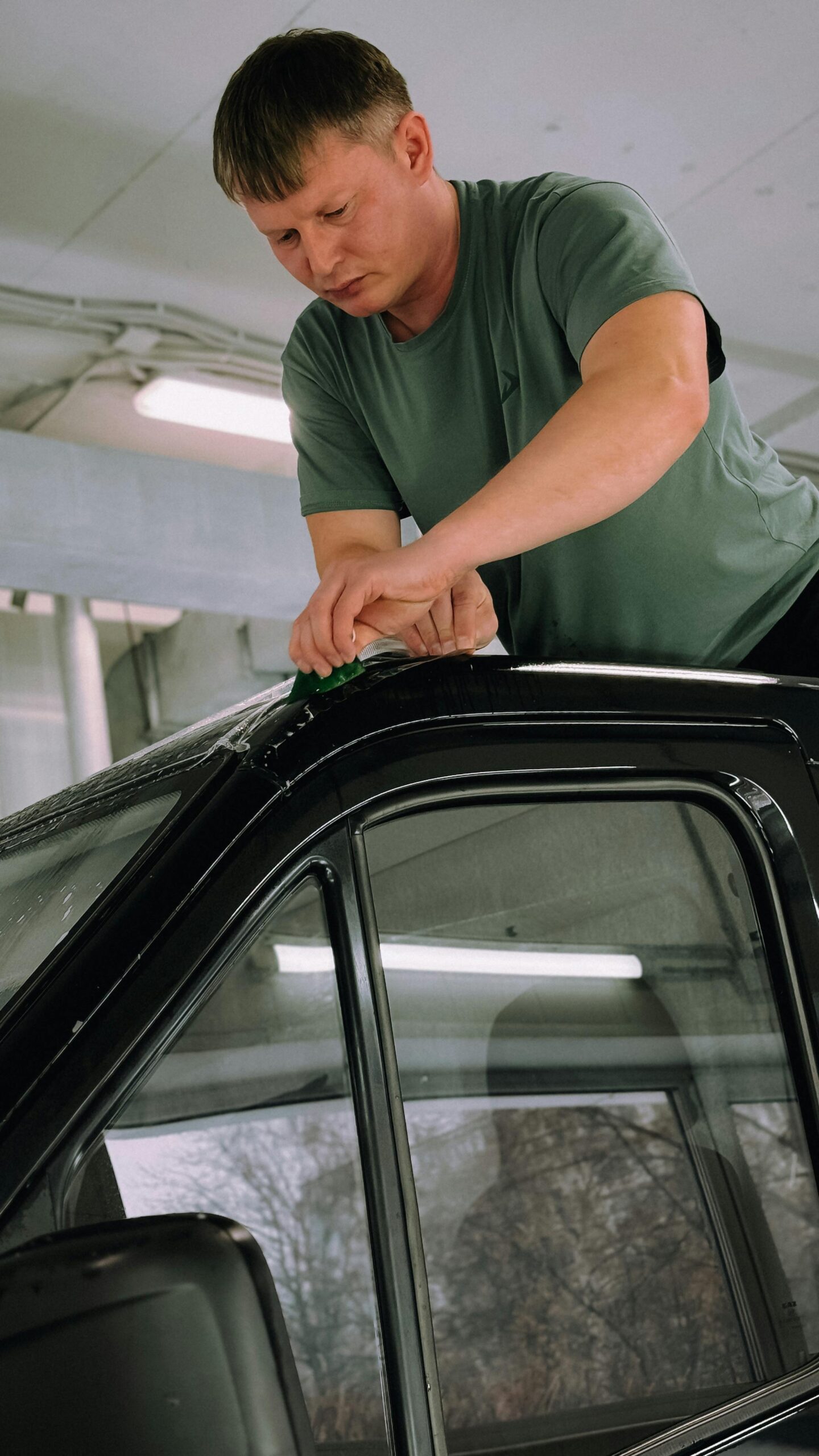
A high-quality clear bra application cannot be rushed. A professional shop workflow follows a structured multi-day schedule:
[Day 1: Prep & Decon] ──► [Day 2: Application & Hand-Tucking] ──► [Day 3: Curing & Inspection]
- Foam Wash & Iron Decon • Panel-by-Panel Alignment • Climate-Controlled Cure
- Clay Bar Treatment • Custom Edge Wrapping • Edge Bubble Check
- Light Paint Correction • Sentry Camera Clearance • Final QC Handoff
- Full Front Installation: Requires 1 to 3 business days.
- Full Body Wrap: Requires 5 to 7 business days.
If a shop promises a full-body wrap in under 48 hours, they may be skipping thorough paint decontamination or rushing the moisture-evaporation curing stage. Improper curing causes edge lifting, moisture pockets, and early adhesion failure.
DIY PPF vs. Professional Shop Installation
Some Tesla owners consider buying DIY PPF kits ($400–$900) to save on labor costs. Here is how DIY attempts compare to professional shop installations:
- DIY Pre-Cut Kits: Suitable for small, flat surfaces like door cups or rear bumper trunks. However, attempting a full hood or complex front bumper requires professional stretch control, slip-solution management, and squeegee technique.
- Risks of DIY: Trapped dust particles, fingers (adhesive stretch marks), misaligned edges, and silvering (air bubbles). Incorrect razor trimming can slice into your vehicle’s clear coat, causing permanent damage.
- Professional Guarantee: Certified installers work in dust-controlled bays and back their work with a 10-year manufacturer warranty covering labor, peeling, yellowing, and bubbling.
PPF Aftercare & Maintenance Best Practices
High-grade TPU films last 8 to 10 years when garaged, or 6 to 8 years if parked outdoors in intense sun environments. Proper maintenance protects your warranty coverage:
- First 48 Hours: Avoid washing the vehicle, touching panel edges, or driving in heavy rain while the slip solution completely evaporates.
- First 14 Days: Skip high-pressure washing. The film’s adhesive network is still setting its permanent bond.
- Routine Washing: Use pH-neutral car shampoos and the two-bucket wash method. Keep pressure washer nozzles at least 18 inches away from film edges.
- Immediate Spot Cleaning: Remove bird droppings, bug splatter, and tree sap promptly. Concentrated acids can etch into the topcoat under direct sunlight.
Buyer’s Checklist: Questions to Ask Before Booking
Before handing over your key card, ask your installer these critical vetting questions:
- Are your templates computer-cut or hand-trimmed for the 2026 Model Y? (Verifies precise fitment around updated bumper contours.)
- Do you cover Autopilot and Sentry Mode camera lenses? (Answer must be NO. PPF over optical lenses causes distortion and impairs driver-assist functions.)
- Is your install bay climate-controlled and dust-filtered? (Uncontrolled bay environments lead to visible contamination beneath the film.)
- What exact brand, film series, and thickness are you applying? (Confirms you receive 8-mil aliphatic TPU rather than low-tier film.)
- Will you register the manufacturer warranty to my VIN upon completion? (Ensures full factory coverage against yellowing, cracking, and delamination.)
Frequently Asked Questions
Is PPF worth it on a Tesla Model Y?
Yes. Given Tesla’s soft factory paint, a single front bumper or hood repaint at a certified body shop costs $2,000 to $4,000. A Full Front PPF package ($1,800–$2,500) protects key vulnerability points, preserving factory paint and maximizing resale value.
Will PPF void my Tesla factory warranty?
No. Paint protection film is a non-invasive protective accessory and does not void Tesla’s vehicle, powertrain, or battery warranties.
Should I install PPF or Ceramic Coating first?
Always install PPF first. The film requires direct adhesion to clean, prepared paint. Once the PPF installation cures, a ceramic coating can be applied over the film to enhance water repellency and simplify wash cycles.
What is the difference between Clear PPF and Ceramic Coating?
PPF is an 8-mil physical polyurethane film designed to absorb kinetic impacts from rocks and gravel. Ceramic coating is a hydrophobic liquid polymer layer that adds gloss and chemical protection, but cannot prevent rock chips.
Final Verdict & Recommendations
For most owners, the Full Front PPF package ($1,800 to $2,500) offers the best balance of price and protection. It defends primary impact zones, the hood, bumper, fenders, and side mirrors, without the cost of a complete vehicle wrap.
If you commute over 15,000 miles annually, lease your Model Y, or want complete paint protection, upgrading to the Track Package ($2,200 to $3,500) or a Full Body Wrap ($5,200 to $7,500) keeps your Tesla looking showroom-new for years to come.