Autocare
Is Windshield Protection Film Worth It?
Is Windshield Protection Film Worth It for Daily Drivers?
If you’re asking, “Is Windshield Protection Film Worth It?”, the short answer is yes, if you drive frequently on highways, regularly encounter road debris, or own a vehicle with an expensive windshield and ADAS technology. For drivers who mostly make short, low-speed trips around town, the cost may be harder to justify.
Windshield protection film (WPF) is a transparent, exterior-applied protective layer designed to absorb and distribute some of the impact from rocks, gravel, and other road debris before it reaches the glass. It essentially gives your windshield a sacrificial layer of protection while helping preserve the original factory glass.
For modern vehicles, that can be more valuable than it sounds. A windshield may incorporate forward-facing cameras, rain sensors, heating elements, a heads-up display (HUD), and other technology.
Replacing the glass can therefore involve more than simply installing a new windshield; it may also require ADAS recalibration and additional labor.
The real question isn’t whether windshield protection film provides protection. It’s whether the protection is worth the installation cost, maintenance, and eventual replacement of the film for your particular vehicle and driving habits.
Is Windshield Protection Film Worth It? Quick Answer
Driver or Vehicle | Is WPF Worth It? |
Frequent highway driver | Yes |
Regularly drives behind trucks | Yes |
Drives through construction zones | Yes |
Luxury or performance vehicle | Often yes |
Expensive ADAS-equipped windshield | Often yes |
RV or high-mileage vehicle | Often yes |
Fleet vehicle | Potentially yes |
Mostly local driving | Maybe |
Very low annual mileage | Usually not |
Inexpensive windshield with low road exposure | Usually not |
The bottom line: Windshield protection film makes the most sense when your windshield has a high risk of rock-chip damage and would be expensive or inconvenient to replace.
What Is Windshield Protection Film?
Windshield protection film is a clear, optically engineered film installed on the outside of the windshield. Depending on the product, films may use materials such as PET or other specialized film construction with adhesive and protective hardcoat layers.
Unlike window tint, windshield protection film is intended primarily for impact and surface protection, not privacy or appearance.
When a small stone or piece of road debris strikes an unprotected windshield, the impact is transferred directly into the glass. A windshield protection film adds another layer between the debris and the glass that can absorb and distribute some of that energy.
That doesn’t make your windshield indestructible. A sufficiently large or high-energy impact can still damage the film and the glass underneath it.
The purpose is to reduce the likelihood and severity of common road damage, not guarantee that your windshield will never crack.
Is Windshield Protection Film Worth It for Rock Chips?
For drivers who frequently encounter rocks and gravel, windshield protection film makes the most sense.
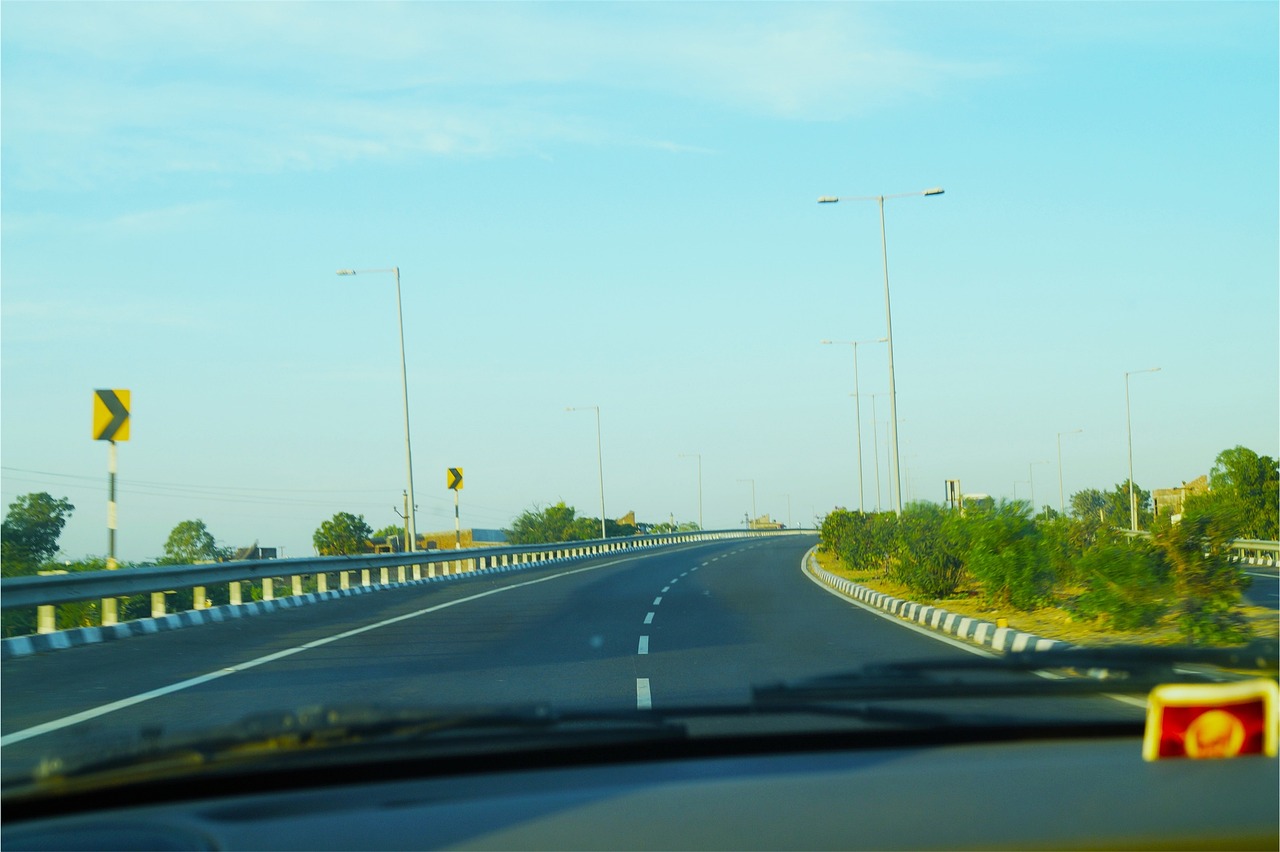
Highway driving exposes your windshield to debris kicked up by trucks, construction vehicles, road repairs, gravel, and vehicles traveling ahead of you. Even a relatively small stone can leave a chip, and that chip can eventually spread into a crack.
A quality windshield protection film acts as a sacrificial surface designed to take some of those impacts instead of leaving the factory glass completely exposed.
The protection is especially compelling when replacing the windshield is expensive. Modern windshield replacement costs can vary considerably depending on the vehicle, glass, location, and whether ADAS recalibration is required.
What can windshield protection film help protect against?
- Rock chips
- Gravel and small road debris
- Windshield pitting
- Light surface scratches
- Wiper-related abrasion
- Some environmental wear
- Certain impacts that might otherwise damage exposed glass
What can’t windshield protection film guarantee?
- It cannot make glass crack-proof.
- It cannot prevent every large-object impact.
- It cannot eliminate damage from severe collisions.
- It cannot repair an already cracked windshield.
- The film itself will eventually experience wear and may need replacement.
That distinction matters.
Windshield film reduces risk; it does not eliminate it.
Why Modern Windshield Replacement Is More Complicated
One of the strongest arguments for windshield protection film is the increasing complexity of modern automotive glass.
Many newer vehicles use windshield-mounted cameras and sensors as part of Advanced Driver Assistance Systems (ADAS). These systems can support functions such as:
- Lane-departure warnings
- Forward-collision warnings
- Adaptive cruise control
- Lane-keeping assistance
- Automatic emergency braking
When a windshield containing a forward-facing camera is replaced, recalibration may be necessary to ensure the system is functioning correctly. The exact requirements and costs vary by vehicle, system, calibration method and location.
There can also be concerns about obtaining the correct glass, maintaining proper installation, and ensuring technology such as HUDs and sensors continues to function correctly.
That means the financial equation isn’t simply:
Film cost vs. windshield cost
It can be:
Film cost vs. windshield replacement + ADAS calibration + labor + downtime + inconvenience
For an expensive vehicle, that difference can be substantial.
How Much Does Windshield Protection Film Cost?
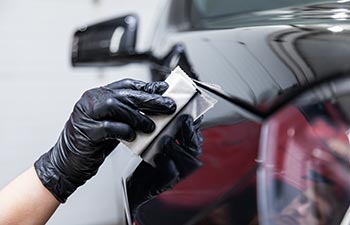
The price of windshield protection film varies based on the vehicle, windshield size and shape, film brand, installer, and installation complexity.
Professional installation commonly costs several hundred dollars, with many quality installations falling around $500–$700. Premium films or unusually complex applications can cost more.
Windshield replacement can also range from several hundred dollars to well over $1,000, with specialized glass and ADAS recalibration potentially increasing the final cost.
Expense | Typical Consideration |
WPF installation | Often $500–$700 |
Basic windshield replacement | Varies considerably |
Specialized/OEM glass | Can cost substantially more |
ADAS recalibration | Vehicle-dependent |
Vehicle downtime | Depends on repair and availability |
These numbers should be treated as general benchmarks rather than guarantees. The actual cost for your vehicle can be very different.
And there’s an important point that often gets overlooked:
Buying windshield protection film doesn’t automatically mean you “save” the cost of a windshield replacement.
If you install $600 worth of film and never experience windshield damage, you purchased protection against a risk that never happened.
But if you drive thousands of highway miles every year and the film helps you avoid one expensive windshield replacement, the economics become much more attractive.
That’s why driving exposure is one of the most important factors in determining whether windshield protection film is worth it.
How Long Does Windshield Protection Film Last?
There isn’t one universal windshield protection film lifespan.
Film longevity depends on:
- Film construction and quality
- Installation quality
- Climate
- UV exposure
- Road conditions
- Wiper use
- Cleaning practices
- Annual mileage
Some films may show significant wear after 1–2 years in demanding conditions, while other premium products may be designed or warranted for different service intervals.
The windshield is an unusually harsh environment for protective film because the surface is constantly exposed to:
- Windshield wipers
- Dirt and road grit
- Rain and snow
- UV exposure
- Heat and temperature changes
- Road salt
- Gravel and debris
- Frequent cleaning
Worn or damaged film isn’t necessarily a failure of the concept. Windshield protection film is designed to be a sacrificial layer.
Eventually, the film itself may need to be removed and replaced so the windshield can continue benefiting from a fresh protective surface.
This replacement cycle should be included when calculating the long-term cost of WPF.
Does Windshield Film Affect Visibility?
A quality windshield protection film should maintain clear visibility when properly installed.
Visibility is arguably the most important consideration because the windshield is directly in your field of view.
High-quality films are designed to be optically clear and minimize distortion. However, both film quality and installation quality matter.
Poor installation can result in:
- Bubbles
- Haze
- Contamination
- Peeling
- Distortion
- Edge imperfections
This is one reason professional installation is so important.
An experienced installer needs to work carefully around the windshield’s curves, edges, sensors, cameras, and driver’s field of view.
If your vehicle has a HUD, ADAS camera, rain sensor or other windshield-mounted technology, confirm that the specific film is compatible with your vehicle before installation.
Does Windshield Protection Film Improve Rain Visibility?
Many windshield protection films have hydrophobic or water-repellent surface characteristics that encourage water to bead and move across the glass more easily.
This can help clear rainwater and may improve visibility during wet weather.
Some products are also designed to make frost easier to remove because of their smooth surface.
However, this performance varies by product. Improved rain visibility should be considered an additional benefit, rather than the primary reason to purchase windshield protection film.
The primary purpose remains protecting the windshield from impact and surface damage.
Does Windshield Protection Film Protect Against UV Rays?
Some windshield protection films provide substantial UV protection. Certain manufacturers advertise UV rejection levels of 99% or higher, depending on the specific product
UV protection may help reduce exposure to ultraviolet radiation and protect interior materials from long-term sun exposure.
However, UV performance is product-specific.
If UV protection is important to you, check the technical specifications for the exact film being installed rather than assuming every windshield protection film offers the same level of UV rejection.
What Are the Disadvantages of Windshield Protection Film?
Windshield protection film can provide valuable protection, but it isn’t a maintenance-free or permanent shield.
1. The film costs money to install
Professional installation can cost hundreds of dollars, and premium products may cost more.
2. The film eventually wears
Wiper use, road debris, UV exposure, and environmental conditions can eventually produce scratches, pitting, or deterioration.
3. Installation quality matters
Poor installation can result in bubbles, peeling, contamination, or optical problems.
4. Severe impacts can still damage the glass
WPF reduces the risk of damage, but a major impact can still damage both the film and windshield.
5. It may not make financial sense for every driver
If you drive only a few miles a week on clean, low-speed roads, your windshield may face relatively little rock-chip risk.
In that situation, the potential return on your investment is less compelling.
Who Should Consider Windshield Protection Film?

Windshield protection film is particularly worth considering if you:
- Drive long highway distances every week
- Frequently travel behind trucks
- Regularly drive through construction zones
- Encounter gravel or poorly maintained roads
- Own a high-performance, luxury, exotic, or specialty vehicle
- Have an expensive OEM windshield
- Have a windshield with ADAS cameras or other integrated technology
- Have experienced repeated rock chips
- Want to preserve your original factory glass
- Operate a fleet where vehicle downtime is costly
- Own an RV or off-road vehicle with a large windshield
For fleet vehicles, the potential value goes beyond the price of replacement glass. Vehicle downtime costs money, which can make preventative windshield protection particularly attractive for high-mileage fleets.
Who Probably Doesn’t Need Windshield Protection Film?
WPF may not be worth the investment if you:
- Rarely drive
- Primarily make short local trips
- Rarely encounter gravel or highway debris
- Have a relatively inexpensive windshield
- Plan to sell the vehicle very soon
- Don’t want the ongoing maintenance or eventual film replacement
For these drivers, basic windshield care may be more practical.
Maintaining good wiper blades, keeping a reasonable following distance, inspecting the windshield regularly, and addressing small chips promptly can all help minimize problems.
If your windshield has already suffered a rock chip, repairing the damage promptly is generally preferable to waiting for a small chip to spread into a larger crack.
Windshield Protection Film vs. Windshield Replacement
These aren’t really competing products.
Windshield protection film is preventative. Windshield replacement is corrective.
Windshield Protection Film | Windshield Replacement |
Preventative protection | Corrective repair |
Installed on intact glass | Used when glass is damaged |
Helps reduce impact damage | Removes damaged glass |
Preserves original windshield | Installs replacement glass |
Costs several hundred dollars | Cost varies by vehicle |
Film eventually wears Replacement is needed after significant damage
If your windshield is already cracked or significantly damaged, film isn’t a substitute for proper glass repair or replacement.
The ideal time to install windshield protection film is when the windshield is clean, intact and in good condition.
Think of the film as protection against everyday exposure—not a guarantee against every possible windshield failure.
How to Maintain Windshield Protection Film
Proper maintenance can help maximize the useful life of your windshield protection film.
- Use clean microfiber towels when washing the windshield.
- Follow the film manufacturer’s cleaning recommendations.
- Keep windshield wipers clean.
- Replace worn or damaged wiper blades.
- Avoid abrasive cleaning products.
- Avoid aggressive scraping or tools unless approved for the specific film.
- Inspect the film periodically for scratches, pitting, peeling, or deterioration.
- Replace heavily worn film before it begins affecting visibility.
Because wipers repeatedly contact the film, wiper condition is particularly important. A damaged or contaminated blade can create unnecessary wear on the film’s surface
Frequently Asked Questions About Windshield Protection Film
Does windshield protection film prevent rock chips?
Windshield protection film is designed to reduce the likelihood and severity of damage caused by rocks, gravel, and other road debris. It cannot guarantee that a windshield will never chip or crack.
Is windshield protection film better than replacing a windshield?
They serve different purposes. WPF is preventative protection, while windshield replacement is a corrective repair. Installing film on intact glass can help reduce the risk of needing replacement later.
How much does windshield protection film cost?
Professional installation commonly costs several hundred dollars. The resources reviewed for this guide place many quality installations around $500–$700, although actual pricing varies by vehicle, film, and installer.
How long does windshield protection film last?
There is no universal lifespan. Some films may show significant wear after 1–2 years in demanding conditions, while other products have different service lives and warranties. Always check the manufacturer’s specifications for the specific film.
Can windshield protection film be installed over a cracked windshield?
WPF is intended to protect intact glass, not conceal significant damage. An existing crack or substantial chip should be professionally evaluated before installing film.
Does windshield protection film work with ADAS?
Compatibility depends on the vehicle, camera configuration, and specific film. If your windshield contains an ADAS camera, HUD, or other technology, confirm compatibility with the installer before installation.
Is windshield protection film worth it for daily driving?
It depends on the type of daily driving. A commuter who spends significant time on highways may benefit substantially, while someone who primarily drives short local trips may have less exposure to rock and road-debris impacts.
What is the biggest benefit of windshield protection film?
The primary benefit is reducing the risk of windshield damage from everyday road debris while helping preserve the original glass. For vehicles with expensive or technology-integrated windshields, avoiding replacement can also reduce the potential time, labor, and calibration complications associated with replacement.
Is Windshield Protection Film Worth It? The Bottom Line
So, is Windshield Protection Film Worth It?
For the right driver, yes.
If you drive substantial highway mileage, regularly encounter rocks and road debris, or own a vehicle where windshield replacement and ADAS recalibration can become expensive, windshield protection film can be a smart preventative investment.
For a low-mileage driver who mostly stays on local roads, the economics are less convincing.
The decision ultimately comes down to three questions:
- How likely is my windshield to be damaged?
- How expensive and complicated would replacement be?
- How much am I willing to spend to reduce that risk?
If the answers point toward high exposure and high replacement costs, protecting the original windshield can make considerably more sense.
If you’re still unsure whether WPF makes sense for your vehicle, Rogue Auto Salon can help you evaluate your options based on your vehicle, driving habits, and protection goals. Contact the team for a vehicle-specific recommendation and quote.