Autocare
Paint Protection Film Lifespan: How Long It Lasts
Paint Protection Film Lifespan: Factors That Affect Durability
Your vehicle’s paint is constantly exposed to risks every time you drive. From highway debris and rock chips to UV rays, weather conditions, and everyday scratches, maintaining a flawless exterior requires more than regular washing. This is where Paint Protection Film Lifespan becomes an important consideration for car owners who want long-term protection and value from their investment.
Many drivers choose Paint Protection Film (PPF) because it creates a durable, nearly invisible barrier between their vehicle’s paint and outside elements.
However, one of the most common questions people ask before installation is: how long does PPF last?
The answer depends on several factors, including the quality of the film, installation expertise, driving conditions, climate exposure, and maintenance habits. Understanding how PPF works, what affects its durability, and how to maintain it will help you make a smarter decision when protecting your vehicle.

How Long Does Paint Protection Film Last?
The average Paint Protection Film lifespan is typically between 5 and 10 years. However, this range can vary significantly depending on the type of film used and how well it is maintained.
A general lifespan breakdown looks like this:
Entry-Level PPF
Expected lifespan: 2–5 years
Budget-friendly films may provide basic protection but often lack the advanced technology found in premium options.
Over time, lower-quality films may experience:
- Yellowing
- Loss of clarity
- Reduced flexibility
- Cracking
- Peeling
While they may seem attractive because of their lower upfront cost, frequent replacement can make them less economical in the long run.
Standard PPF
Expected lifespan: 5–7 years
Mid-range Paint Protection Film provides reliable everyday protection and is suitable for many drivers.
These films generally offer:
- Good impact resistance
- UV protection
- Improved durability
- Better appearance retention
They are a popular choice for vehicle owners looking for a balance between price and performance.
Premium PPF
Expected lifespan: 7–10+ years
High-quality films made from advanced thermoplastic polyurethane (TPU) offer the best long-term performance.
Premium TPU PPF typically includes:
- Superior self-healing technology
- Better UV resistance
- Higher clarity
- Improved stain resistance
- Longer warranties
When installed professionally and properly maintained, premium films can protect a vehicle’s paint for nearly a decade.
PPF Material Types and Their Durability
The material composition of Paint Protection Film plays a major role in determining how long it lasts.
Premium TPU Paint Protection Film
Thermoplastic polyurethane (TPU) is considered one of the highest-quality materials used in modern PPF.
Advantages include:
- Excellent flexibility
- Strong impact absorption
- Long-lasting clarity
- UV resistance
- Self-healing properties
Premium TPU films usually offer a PPF lifespan of 7–10 years or more.
The self-healing top coat allows minor scratches and swirl marks to disappear when exposed to heat from sunlight or warm water, helping maintain a smooth and glossy appearance.
Mid-Range Films
Mid-range films provide dependable protection for everyday driving.
They usually last around 5–7 years and can protect against:
- Light scratches
- Road debris
- Environmental contaminants
- Minor abrasions
While they may not perform at the same level as premium TPU films, they remain a practical option for many vehicle owners.
Budget PVC Films
PVC-based films are generally the most affordable option but have a shorter lifespan.
Typical durability:
2–5 years
Common issues include:
- Yellowing
- Reduced flexibility
- Cracking
- Loss of shine
- Lower transparency
Although the initial investment is lower, frequent replacement costs may make budget films less valuable over time.
Factors That Affect Paint Protection Film Lifespan
The advertised lifespan of PPF is only a guideline. Real-world durability depends on several important factors.
1. Quality of the Film
The quality of the material is one of the biggest factors affecting PPF durability.
Premium films use advanced technology to resist:
- UV damage
- Staining
- Environmental contamination
- Surface deterioration
Cheaper films may protect your vehicle initially but often degrade faster in appearance and performance.
Choosing a reputable PPF brand is an important step toward achieving a longer-lasting installation.
2. Installation Quality
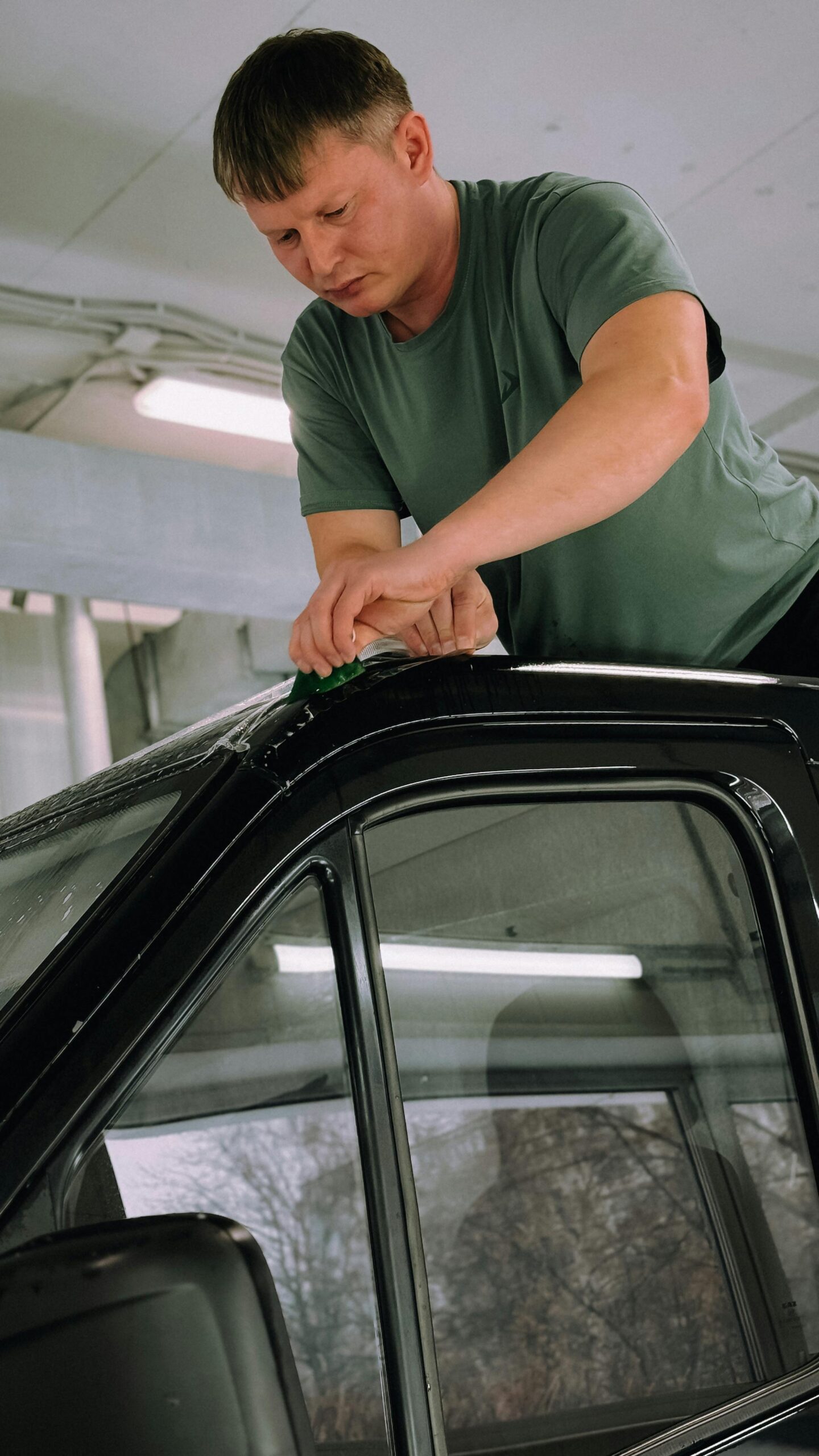
Even the best Paint Protection Film can fail if it is installed incorrectly.
Professional installation ensures:
- Proper surface preparation
- Smooth application
- Strong adhesion
- Minimal contamination
- Clean edges
Poor installation can lead to:
- Air bubbles
- Edge lifting
- Peeling
- Dirt trapped beneath the film
A skilled installer plays a major role in maximizing your PPF lifespan.
3. Driving Conditions
How and where you drive affects how long your PPF lasts.
Vehicles exposed to frequent highway driving experience more:
- Rock impacts
- Road debris
- Dust
- Bugs
- Environmental contaminants
Off-road vehicles may experience even greater wear due to mud, gravel, and rough terrain.
On the other hand, vehicles that are garage-kept and mainly used for short city trips typically experience less stress on the film.
4. Climate and UV Exposure
Weather conditions can significantly influence PPF durability.
Hot and Sunny Climates
Constant sunlight exposes vehicles to UV radiation, which can gradually affect lower-quality films.
Premium UV-resistant films handle these conditions much better.
Cold Climates
Cold weather can expose vehicles to:
- Road salt
- Snow
- Ice
- Moisture
These factors may affect film adhesion if the PPF is poorly maintained.
5. Maintenance and Care
Proper maintenance is one of the easiest ways to extend the lifespan of Paint Protection Film.
Regular care prevents contaminants from building up and keeps the protective layers functioning properly.
Recommended practices include:
- Washing the vehicle regularly
- Using pH-neutral car shampoo
- Avoiding abrasive cleaning tools
- Using microfiber towels
- Removing bird droppings and tree sap quickly
- Applying PPF-safe protection products
A well-maintained PPF installation can last significantly longer than one that is neglected.

Signs Your Paint Protection Film Needs Replacement
Even the highest-quality Paint Protection Film will eventually reach the end of its useful life. Knowing the warning signs helps you replace the film before it stops protecting your vehicle’s original paint.
Here are the most common indicators that your PPF may need replacement:
1. Yellowing or Discoloration
One of the most noticeable signs of aging PPF is a yellow tint or change in clarity.
Older or lower-quality films may become discolored after years of:
- UV exposure
- Heat cycles
- Environmental contamination
- Poor maintenance
Modern premium TPU films are much more resistant to yellowing, but discoloration can still occur when the film has reached the end of its lifespan.
If your vehicle’s paint no longer looks clear and vibrant through the film, it may be time for replacement.
2. Peeling or Lifting Edges
PPF should remain securely attached to your vehicle’s surface.
If you notice:
- Corners lifting
- Edges peeling
- Film separating from panels
- Loose sections around mirrors or bumpers
it usually indicates that the adhesive is weakening.
Peeling areas can allow dirt, water, and road contaminants to get underneath the film, reducing its protective ability.
Addressing small lifting areas early can sometimes prevent further damage.
3. Loss of Self-Healing Properties
One of the biggest advantages of premium PPF is self-healing technology.
The top layer of the film can repair minor scratches when exposed to heat from:
- Sunlight
- Warm water
- Heat sources
However, after years of use, the self-healing layer may become less effective.
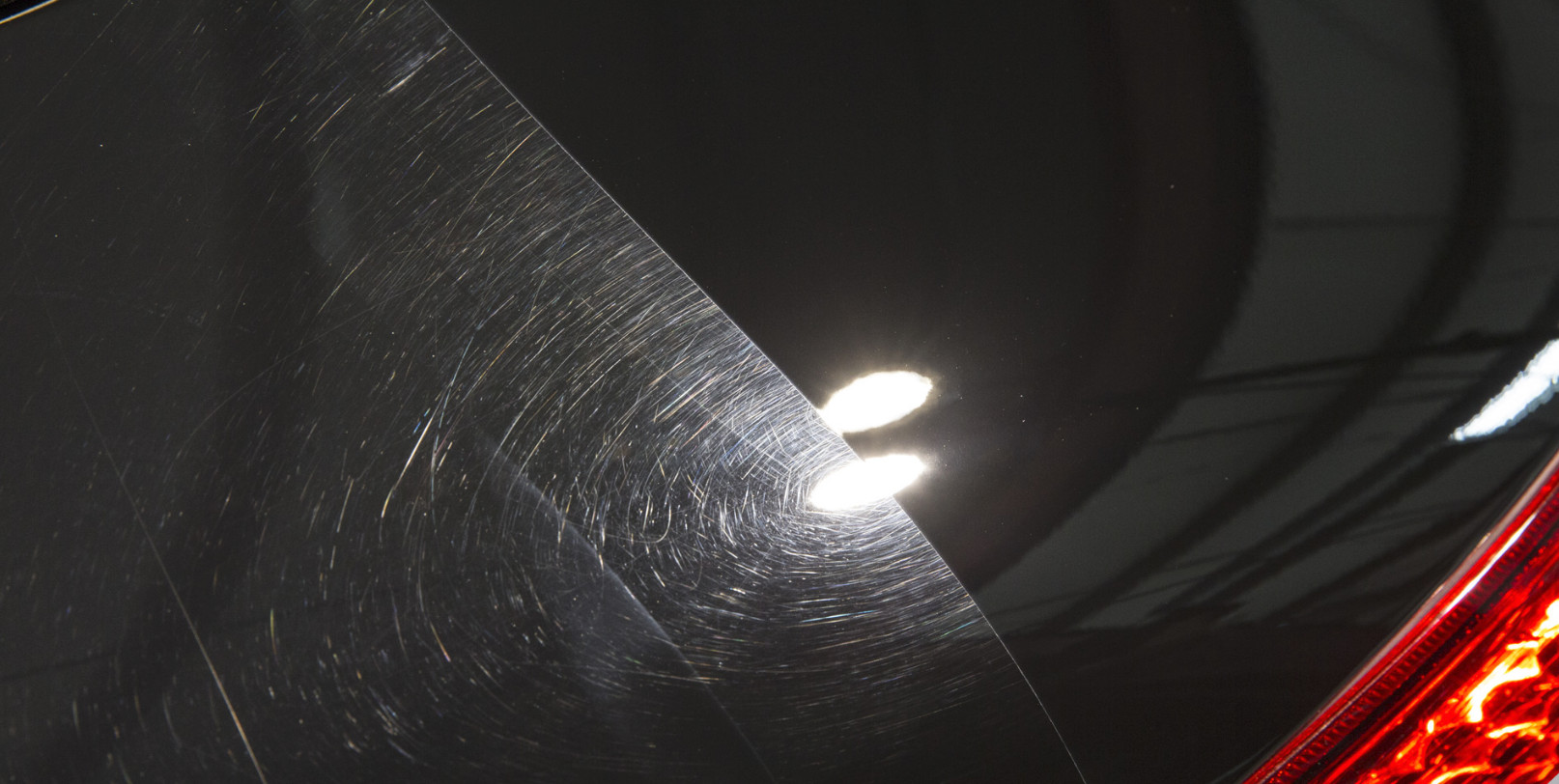
If light scratches and swirl marks no longer disappear, the film may have lost some of its protective performance.
4. Dull or Faded Appearance
High-quality PPF is designed to maintain a glossy, clear finish.
Over time, aging film may develop:
- Haze
- Cloudiness
- Reduced shine
- Surface roughness
A dull appearance means the protective top layer may no longer be performing as intended.
5. Deep Cuts or Extensive Damage
PPF is designed to absorb damage instead of your paint.
However, severe impacts can eventually damage the film itself.
Examples include:
- Deep scratches
- Large rock impacts
- Tears
- Multiple damaged sections
If large portions of the film are compromised, replacing the affected panels may provide better protection than repairing small areas repeatedly.
How to Extend Your Paint Protection Film Lifespan
Proper care can significantly increase the durability of your PPF and help you get the maximum value from your investment.
Here are some proven maintenance tips:
Wash Your Vehicle Regularly
Dirt, dust, and environmental contaminants can accumulate on the film over time.
Regular washing helps prevent buildup and keeps the surface looking clean.
For best results:
- Wash every one to two weeks
- Use a soft microfiber wash mitt
- Choose a gentle automotive shampoo
- Dry with clean microfiber towels
Regular maintenance helps preserve both the appearance and performance of the film.
Use PPF-Safe Cleaning Products
Not all automotive products are suitable for Paint Protection Film.
Avoid:
- Harsh chemicals
- Strong solvents
- Abrasive compounds
- Aggressive polishing products
Instead, use products specifically designed for PPF or automotive clear surfaces.
Avoid Automatic Brush Car Washes
Traditional automatic car washes with rotating brushes can create unnecessary friction on the film.
They may cause:
- Surface scratches
- Swirl marks
- Premature wear
A hand wash or touchless wash is generally safer for vehicles protected with PPF.
Protect Your Vehicle From Excessive Sun Exposure
Although premium PPF offers UV resistance, reducing constant sun exposure can still help extend its lifespan.
Whenever possible:
- Park in a garage
- Use covered parking
- Park in shaded areas
This helps protect both the film and the vehicle’s paint.
Consider Ceramic Coating Over PPF
Many vehicle owners combine PPF with ceramic coating for additional protection.
While PPF protects against physical damage, ceramic coating adds:
- Increased gloss
- Hydrophobic properties
- Easier cleaning
- Additional chemical resistance
Together, they provide a complete vehicle protection solution.
When Should You Replace Paint Protection Film?
There is no exact replacement schedule for every vehicle.
Some cars may need replacement after five years, while others may continue performing well beyond eight years.
The right time to replace PPF depends on:
- Film condition
- Visible damage
- Vehicle usage
- Climate exposure
- Maintenance history
Generally, replacement is recommended when the film:
- Loses clarity
- Becomes yellow
- Starts peeling
- Stops self-healing
- Looks significantly worn
Replacing PPF at the right time ensures your vehicle’s original paint remains protected.
Is Paint Protection Film Worth It for Long-Term Protection?
The answer depends on how much you value your vehicle’s appearance and long-term condition.
Paint Protection Film helps reduce expenses associated with:
- Paint repairs
- Rock chip fixes
- Scratch removal
- Repainting
- Loss of resale value
A vehicle with original, well-maintained paint often attracts better resale offers compared to one with multiple repaired panels.
For owners who plan to keep their vehicle for several years, premium PPF can provide excellent long-term value.
PPF Lifespan vs Ceramic Coating: Which Lasts Longer?
PPF and ceramic coating are often compared, but they serve different purposes.
Feature | Paint Protection Film | Ceramic Coating |
Physical impact protection | Excellent | Limited |
Rock chip protection | Excellent | Minimal |
Scratch resistance | High | Moderate |
Self-healing ability | Available in premium films | No |
Gloss enhancement | Good | Excellent |
Water repellency | Good | Excellent |
Average lifespan | 5–10 years | 2–5 years |
Ceramic coating improves appearance and makes maintenance easier, but it does not replace the physical protection offered by PPF.
For maximum protection, many enthusiasts choose both.
Final Checklist to Maximize Your PPF Lifespan
If you want your Paint Protection Film to last as long as possible, follow these steps:
Choose a premium TPU-based PPF
Select an experienced professional installer
Maintain a regular washing routine
Use PPF-safe cleaning products
Avoid harsh chemicals and abrasive tools
Protect your vehicle from unnecessary UV exposure
Inspect the film regularly for damage
Address peeling or lifting areas quickly
These simple habits can help your PPF provide reliable protection for many years.
Final Verdict: How Long Does Paint Protection Film Last?
So, how long does Paint Protection Film last?
The realistic answer is that most quality PPF installations last between 5 and 10 years, but the exact lifespan depends on several factors working together.
A premium TPU film installed correctly and maintained properly can often provide 7–10 years of protection, while lower-quality films may require replacement much sooner.
The biggest factors influencing Paint Protection Film lifespan include:
- Material quality
- Installation expertise
- Driving conditions
- Climate exposure
- Regular maintenance
Investing in a high-quality film and professional installation ensures you get the best protection possible while preserving your vehicle’s appearance and resale value.
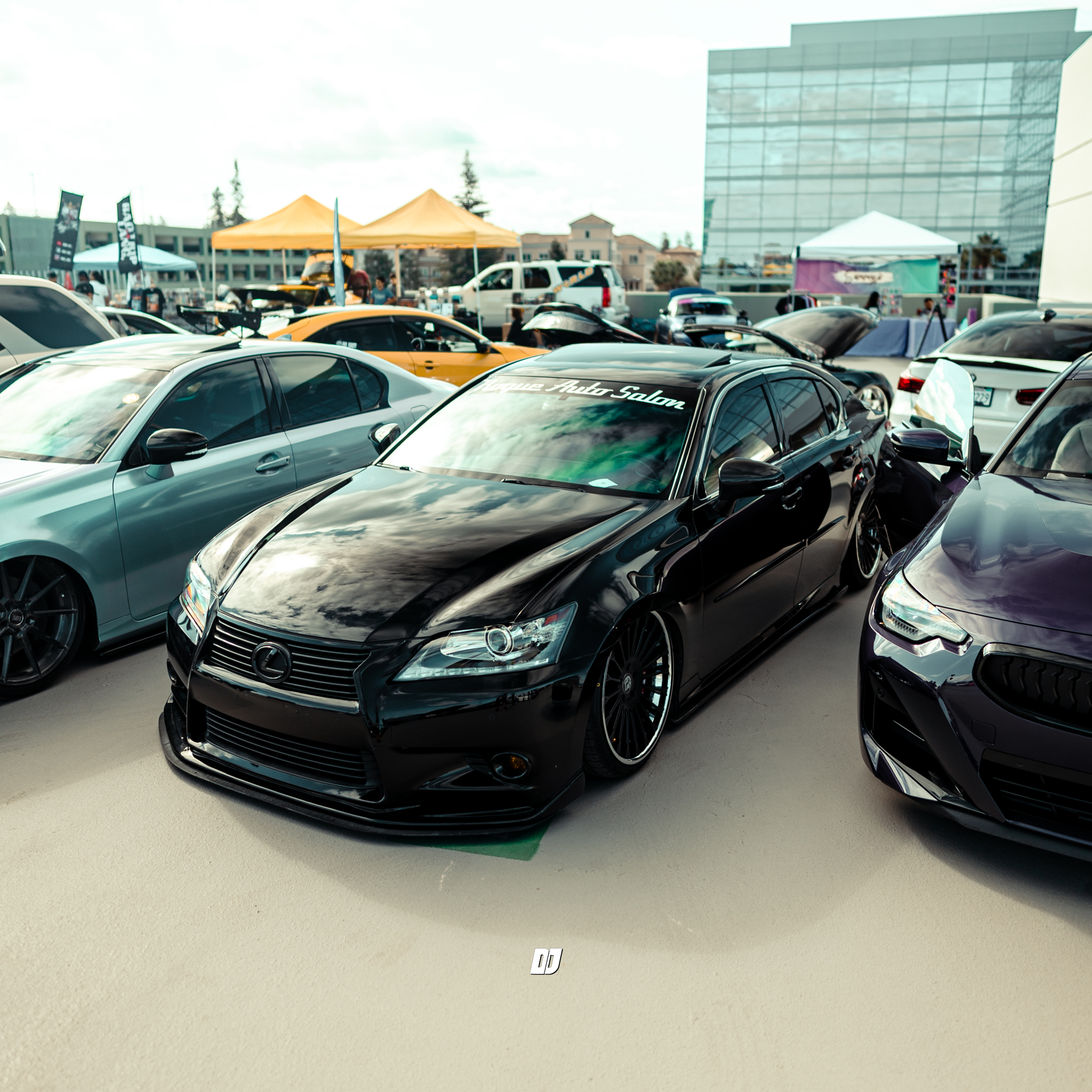
For vehicle owners in San Jose, CA, professional installation from a trusted provider like Rogue Auto Salon can help ensure your PPF is applied correctly and designed to deliver long-lasting protection. With expert workmanship and premium materials, your vehicle can stay protected from everyday damage while maintaining its original factory finish.
Frequently Asked Questions About Paint Protection Film Lifespan
How long does Paint Protection Film last on a car?
Most quality Paint Protection Film lasts between 5 and 10 years. Premium TPU films can often last 7–10 years or longer with proper maintenance.
Can PPF really last 10 years?
Yes. A high-quality PPF installation can last around 10 years when the film is premium quality, professionally installed, and properly maintained.
Does PPF wear out faster in harsh climates?
Yes. Strong UV exposure, extreme temperatures, road salt, and environmental contaminants can affect how quickly PPF ages.
Can PPF be replaced without damaging paint?
Yes. When removed carefully by trained professionals, PPF can usually be replaced without harming the original paint underneath.