Autocare

Are Smoked Tail Lights Legal in California?

Understanding Whether Smoked Taillights Are Legal in California

Customizing a vehicle is a popular way for car and truck enthusiasts to create a unique appearance, and smoked taillights are one of the most common modifications for achieving a sleek, aggressive look. However, before installing tinted lenses or blacked-out taillights, many drivers ask the important question: Are smoked taillights legal in California?

The answer is more complicated than simply saying yes or no. In California, smoked taillights are only legal if they continue to meet strict vehicle lighting requirements. 

Any modification that reduces the visibility, brightness, or effectiveness of required lighting equipment can make your vehicle non-compliant with California law.

While a darker appearance may improve the style of your vehicle, your tail lights must still allow other drivers to clearly see your brake lights, turn signals, and running lights. Understanding California tail light laws can help you avoid traffic violations while still achieving a customized look.

This guide explains California’s regulations on smoked taillights, what makes them illegal, possible penalties, legal alternatives, and how to choose lighting upgrades that keep your vehicle both stylish and street legal.

Are Smoked Tail Lights Legal in California?

installing 3m paint protection film

A smoked tail light becomes illegal when the tint, film, spray coating, or modified housing reduces the light output below the required safety standards. Even if the lights look attractive, they must still function properly and allow drivers behind you to clearly see your brake lights and signals.

California does not completely ban the appearance of smoked tail lights, but it does regulate how vehicle lighting performs. Under California Vehicle Code requirements, tail lamps must provide sufficient illumination and remain visible to other drivers.

California requires rear lighting systems to meet specific visibility standards, including:

  • Tail lights must emit a red light.
  • Brake lights must be clearly visible.
  • Required lighting must remain effective and unobstructed.
  • Reflectors must continue working properly.
  • Lights must meet required visibility distances.

Because of these rules, heavily tinted or blacked-out taillights often fail to meet California’s vehicle lighting requirements.

What California Law Says About Smoked Tail Lights

California vehicle lighting regulations focus on safety rather than appearance. The state’s vehicle code prohibits modifications that reduce the effectiveness of required lighting equipment.

This means installing smoked tail light film, spray tint, or dark covers can become a legal issue if they make your lights harder to see. Law enforcement officers and vehicle inspectors evaluate whether modified lights still provide adequate visibility.

The key factors that determine whether smoked tail lights are legal include:

1. Tail Light Brightness and Visibility

The main purpose of tail lights is communication. They tell other drivers when you are braking, slowing down, or turning.

If a smoked lens significantly reduces brightness, drivers behind you may not recognize your actions quickly enough. California requires vehicle lighting to remain visible from a specific distance, especially at night and during normal driving conditions.

A modification that makes your brake lights appear dim or difficult to identify may result in a citation.

2. Proper Red Light Output

California requires tail lights and brake lights to display a red color. A smoked appearance is only acceptable if the actual light emitted remains red.

Poor-quality tint films or spray coatings can alter the color of the light, making it appear faded, pink, purple, or unclear. Any modification that changes the required light color can violate vehicle lighting regulations.

3. Functional Reflectors

Many drivers overlook reflectors when modifying their taillights. Factory tail light assemblies include reflectors designed to make your vehicle visible when headlights from other cars shine on it.

Dark tint or opaque coatings can block these reflectors and reduce safety, even if the brake lights still work.

Federal Standards: Understanding FMVSS 108 and DOT Compliance

Vehicle lighting requirements are also influenced by federal safety standards. The Federal Motor Vehicle Safety Standard 108 (FMVSS 108) establishes requirements for vehicle lamps, reflective devices, and associated equipment.

Manufacturers that produce legal aftermarket lighting assemblies must ensure their products meet these standards. DOT-approved or DOT-compliant tail lights are designed to maintain proper:

  • Light intensity
  • Color requirements
  • Reflectivity
  • Visibility performance

A genuine DOT-compliant smoked tail light assembly is different from applying tint film or spray coating to an original light. Factory-approved aftermarket assemblies are engineered to maintain required brightness despite having a darker appearance.

However, adding aftermarket tint to an existing taillight can compromise the original certification and may create compliance issues.

Why DIY Smoked Tail Lights Can Be Risky

Can you see through tinted windows at night

Many vehicle owners use DIY methods to create a smoked appearance. While these options may seem affordable, they can create legal and safety problems.

Smoked Tail Light Film

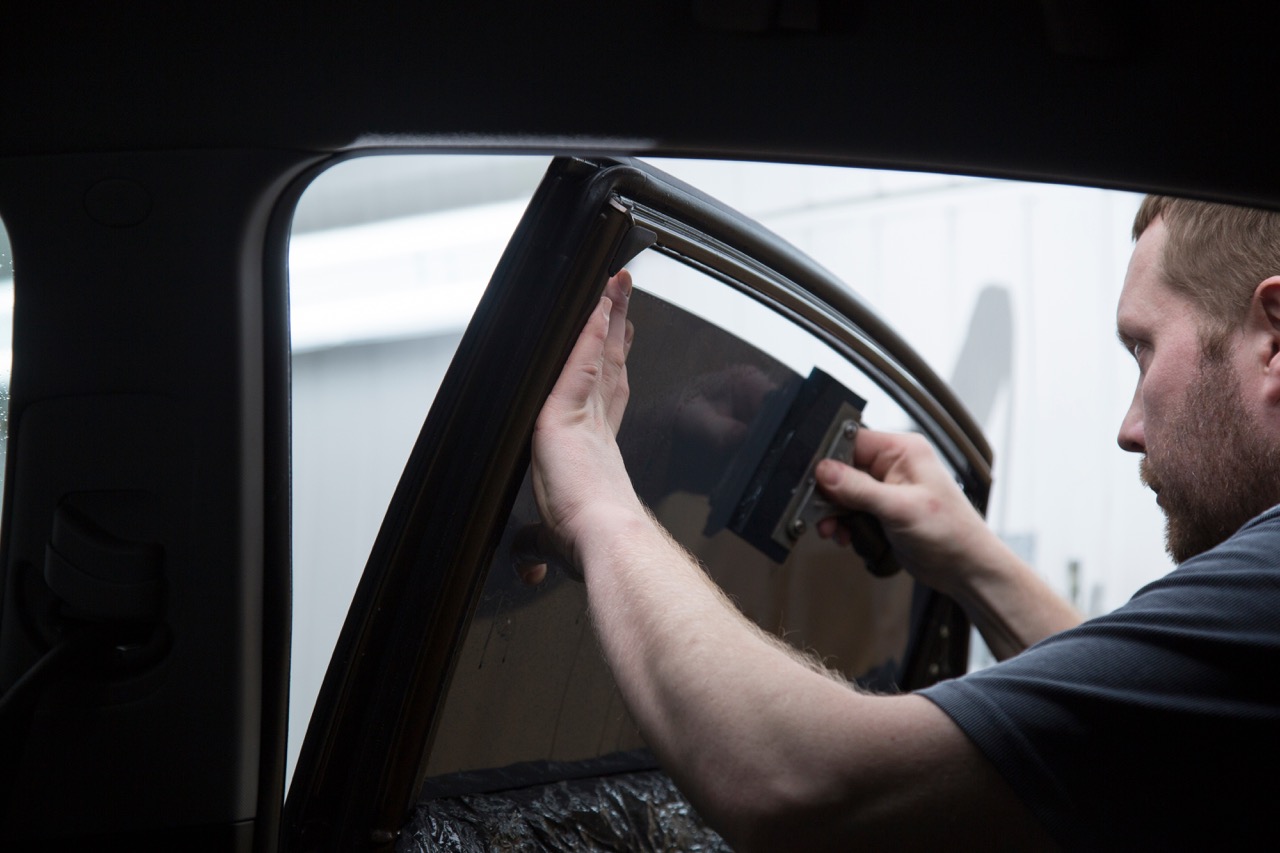
Tint films and vinyl overlays are popular because they are inexpensive and removable. However, dark films can significantly reduce light transmission.

Common issues include:

  • Reduced brake light brightness
  • Poor visibility in daylight
  • Uneven application
  • Peeling or bubbling that affects the light output

Even a professionally applied film may not remain legal if it reduces required visibility.

Spray-On Tail Light Tint

Products such as spray tint coatings can create a smooth blacked-out appearance, but they are difficult to apply evenly.

Problems include:

  • Permanent modification
  • Excessive darkness
  • Reduced light output
  • Difficulty restoring the original appearance

If the coating becomes too dark, replacing the entire tail light assembly may be the only solution.

Legal Alternatives to Smoked Tail Lights in California

If you want a darker, customized appearance without risking a ticket, there are safer options.

DOT-Compliant Smoked LED Tail Lights

One of the best alternatives is purchasing a complete smoked LED tail light assembly from a reputable manufacturer.

These products are designed with:

  • Brighter LED technology
  • Proper light distribution
  • DOT/SAE compliance
  • Factory-style fitment

A professionally manufactured smoked taillight can provide the aggressive appearance many drivers want while maintaining road legality.

Light Smoke Tint Options

Some vehicles can use very light tinting solutions that do not significantly reduce visibility. However, drivers should verify that any modification still meets California requirements before installation.

OEM-Style Upgrades

Replacing factory tail lights with upgraded OEM-style assemblies can improve appearance while keeping the vehicle compliant.

What Are the Penalties for Illegal Smoked Tail Lights in California?

Drivers caught with illegally smoked taillights may face several consequences.

In many cases, the result is a fix-it ticket requiring the owner to remove the modification and correct the lighting issue. Although the base fine may seem small, additional fees can increase the total cost.

Other possible consequences include:

  • Failed vehicle inspections
  • Additional citations for repeated violations
  • Increased liability after an accident
  • Insurance complications

If illegal tail light modifications contribute to an accident, the driver may face additional responsibility because the lighting equipment affects vehicle visibility and safety.

Can Illegal Smoked Tail Lights Affect Insurance?

Vehicle modifications can sometimes create insurance complications. If an insurance company determines that illegal lighting contributed to an accident, it may affect how a claim is handled.

For example, if another driver failed to notice your brake lights because they were heavily tinted, the modification could become a factor during an investigation.

Drivers should always ensure aftermarket vehicle modifications comply with local laws and disclose required modifications according to their insurance policy.

How to Check If Your Smoked Tail Lights Are Legal

If you already have smoked tail lights or are considering installing them, there are several ways to check compliance.

Look for DOT or SAE Markings

A DOT or SAE marking on a tail light assembly indicates that the manufacturer designed the product to meet recognized safety standards.

Test Visibility

Have someone stand behind your vehicle while you activate your brake lights. If the lights appear weak, unclear, or difficult to identify, the modification may not be legal.

Get a Professional Inspection

A licensed automotive lighting professional can evaluate your taillights and determine whether they meet California requirements.

What Should You Do If You Already Have Smoked Tail Lights?

If your vehicle already has tinted or smoked taillights, it is best to verify whether they comply with California law.

If they are too dark, consider:

  • Removing tint film
  • Replacing modified housings
  • Installing DOT-compliant replacements
  • Returning to OEM lighting

Professional removal is recommended for permanent coatings to prevent damage to the light housing or electrical components.

Frequently Asked Questions

Are smoked taillights legal in California?

Smoked taillights are legal in California only if they maintain required visibility, brightness, color, and reflector functionality. Dark modifications that reduce light effectiveness may be illegal.

How dark can tail lights be in California?

California does not allow modifications that reduce required lighting effectiveness. The darkness level itself is less important than whether the tail lights remain visible and compliant.

Are LED smoked taillights legal?

LED smoked taillights can be legal if they are manufactured as DOT-compliant assemblies and meet California lighting requirements.

Do smoked taillights affect insurance?

They can. If illegally smoked tail lights contribute to an accident, they may create insurance and liability issues.

Final Thoughts: Should You Install Smoked Tail Lights in California?

So, are smoked taillights legal in California? The answer depends on whether they maintain proper safety standards. California allows vehicle customization, but modifications cannot interfere with required lighting performance.

Heavy tint films, spray coatings, and extremely dark lenses can make your vehicle unsafe and illegal. The safest way to achieve a smoked appearance is to choose a high-quality DOT-compliant tail light assembly designed to provide both style and visibility.

Before modifying your vehicle, always prioritize safety, legal compliance, and visibility. A great-looking vehicle should also be one that other drivers can safely see on the road.

Image of a tinted car window demonstrating reduced visibility—used to highlight key “reasons not to tint car windows,” including safety and clarity concerns.