Common Causes Behind a Circular Windshield Crack and What They Mean for Your Vehicle
A circular windshield crack can appear suddenly and leave many drivers wondering whether it’s a minor issue or a sign of more serious damage. While some windshield damage starts as a small chip, circular cracks often indicate a direct impact that has damaged the glass’s outer layer.
Understanding what causes a circular windshield crack, how it develops, and when it requires repair or replacement can help you protect your safety and avoid more expensive repairs down the road.
Your windshield does much more than shield you from wind, rain, and road debris. It contributes to your vehicle’s structural integrity and plays a critical role in visibility and driver safety. Even a small crack can weaken the glass over time, especially if left untreated. In this guide, we’ll explore the most common causes of circular windshield cracks, the different types of circular damage, and what steps you should take if you notice one on your windshield.
A circular windshield crack is a type of glass damage that forms a round or partially round pattern around an impact point. Unlike long cracks that stretch across the windshield, circular damage is typically concentrated in one area and often results from a direct hit by an object.
The most common examples of circular windshield damage include:
These types of damage may appear small at first, but they can quickly expand into larger windshield cracks if not addressed promptly.
The leading cause of a circular windshield crack is impact from road debris. Small rocks, gravel, and other hard objects can be thrown into the air by passing vehicles and strike the windshield with significant force.
When a round object hits the glass directly, the impact creates a circular break pattern around the point of contact. This often results in a bullseye chip or another form of circular crack.
Common sources of road debris include:
Even a small stone traveling at highway speeds can generate enough force to damage windshield glass.
One of the most common forms of circular windshield damage is the bullseye chip.
A bullseye chip typically appears as a circular, cone-shaped break with a distinct center impact point. The damage resembles the center of a dartboard, which is where it gets its name.
Bullseye chips are usually caused by:
Because the damage remains relatively contained in the early stages, bullseye chips are often repairable if addressed quickly. However, delaying repairs can allow the damage to spread and compromise the windshield’s strength.
Another common type of circular windshield crack is the half-moon chip.
Unlike a full bullseye, a half-moon chip forms a partial circular pattern. This usually happens when debris strikes the windshield at an angle rather than directly.
The shape may appear less severe than a full circular crack, but it still weakens the glass and can spread over time.
Factors that contribute to half-moon chips include:
In many cases, half-moon chips can be repaired if caught early before additional cracking develops.
Yes. One of the biggest misconceptions about circular windshield damage is that it remains isolated.
Even if the crack initially appears small, several factors can cause it to expand:
Sudden temperature fluctuations place stress on windshield glass.
Examples include:
These temperature changes can cause a circular crack to expand outward, creating additional fractures and weakening the windshield.
Every day driving creates constant vibrations throughout a vehicle.
Over time, these vibrations can:
Rough roads and potholes can accelerate this process.
The windshield is an important structural component of modern vehicles. Pressure from normal vehicle movement, body flexing, and environmental conditions can contribute to crack growth.
This is especially true when damage occurs near areas already under stress.

Not every windshield crack is caused by debris.
Stress cracks can form without any visible impact point. These cracks typically result from:
The key difference is that a stress crack usually lacks the distinct circular center associated with impact damage.
A circular windshield crack almost always has a visible impact point that indicates something struck the glass.
Understanding the difference helps determine the most appropriate repair solution.
Some windshield damage doesn’t fit neatly into a single category.
A combination break occurs when multiple types of damage appear together. For example, a bullseye chip may develop additional star-shaped cracks radiating from the center.
These breaks are often caused by:
Combination breaks can be more difficult to repair because multiple fracture patterns are involved. The longer the damage remains untreated, the greater the likelihood that replacement will be necessary.
Many drivers postpone repairs because the damage appears small or doesn’t obstruct their view.
However, even minor windshield damage can create several problems.
A damaged windshield is weaker than an intact one. As cracks spread, the glass becomes less capable of handling everyday stress.
Cracks and chips can create glare and visual distortions, particularly when driving in bright sunlight or at night.
A small circular crack may be repairable today, but if it spreads into a long crack, replacement could become the only option.
The windshield contributes to the overall safety structure of the vehicle. Extensive damage can reduce its effectiveness during an accident.
The answer depends on several factors.
Professional technicians typically evaluate:
In many cases, small bullseye chips and circular impact breaks can be repaired successfully.
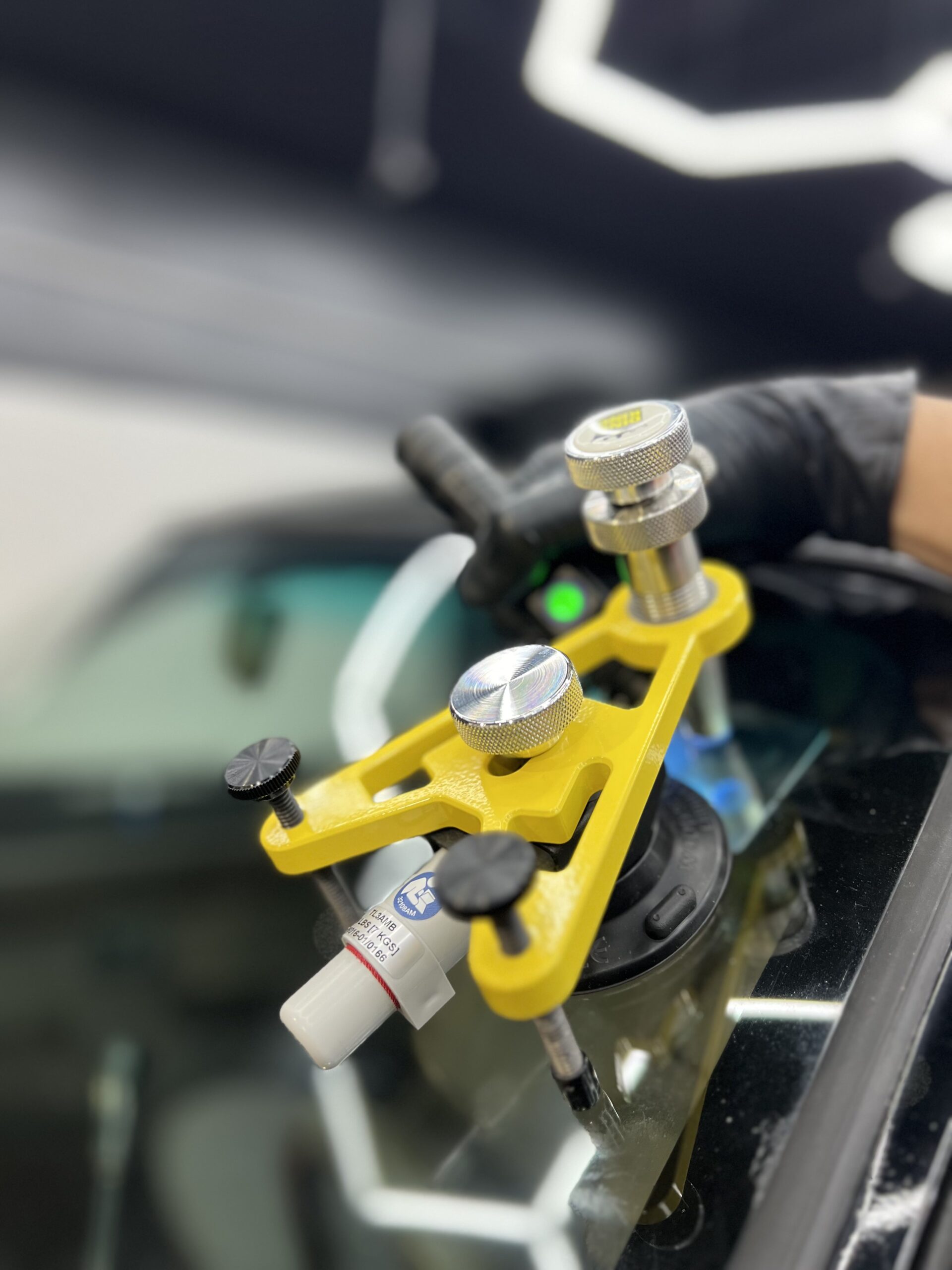
Repair involves injecting specialized resin into the damaged area to stabilize the glass and prevent further spreading.
The sooner the repair is completed, the higher the likelihood of a successful outcome.
Not every circular windshield crack can be repaired.
Replacement may be recommended if:
A professional inspection is the best way to determine whether repair or replacement is the safer option.
While some damage is unavoidable, there are steps drivers can take to reduce their risk.
Keeping a distance between your vehicle and trucks or construction vehicles reduces the chance of debris striking your windshield.
Loose gravel and construction materials are common sources of windshield damage.
Gradually warm or cool your vehicle whenever possible. Avoid pouring hot water on frozen glass.
Small chips can quickly become larger cracks. Early repairs help preserve the windshield and prevent more extensive damage.
A properly installed windshield is less vulnerable to stress-related issues. Professional installation helps maintain the glass’s durability and structural performance.
You should seek professional evaluation if you notice:
Prompt action can often prevent a manageable repair from becoming a costly replacement.
A circular windshield crack is most commonly caused by direct impact from road debris such as rocks and gravel. Damage may appear as a bullseye chip, a half-moon chip, or a more complex combination break.
While these cracks often start small, factors like temperature fluctuations, driving vibrations, and structural stress can cause them to spread over time. The good news is that many circular windshield cracks can be repaired when caught early.
However, delaying action can lead to larger fractures that compromise visibility, reduce structural integrity, and ultimately require a full windshield replacement.
If you notice any form of circular windshield damage, having it inspected as soon as possible is the best way to maintain your vehicle’s safety, preserve clear visibility, and avoid more extensive repairs in the future.