Discover What Causes Windshield Cracks to Spread and How to Stop Them
If you’ve ever found yourself asking Can you stop a crack in your windshield from spreading, you’re not alone. It’s one of the most common concerns drivers have the moment they notice even a small chip or line in their glass.
The short answer is that while you can slow it down temporarily, windshield cracks naturally tend to spread over time due to temperature changes, road vibration, and everyday driving stress.
That doesn’t mean you’re powerless. There are practical steps you can take to reduce further damage and buy yourself time before getting professional repair. Understanding what causes cracks to grow, and what actually helps prevent them, can make the difference between a simple repair and a full windshield replacement.
This guide breaks everything down in a simple, real-world way so you know exactly what to do when a crack appears.
Windshield cracks don’t stay the same for long. Even a small chip can turn into a long crack under the right conditions. The main reason is that your windshield is constantly under stress.
Several everyday factors contribute to spreading:
Even the weather alone can play a major role. Hot sun, cold mornings, and sudden shifts in temperature all push and pull the glass. Over time, that movement encourages cracks to grow.
So while the damage may look stable at first, it usually isn’t.
No. At least not permanently. The reality is that cracks naturally expand unless they are professionally repaired.
However, you can slow down the process significantly. Temporary methods help stabilize the crack, reduce contamination, and minimize stress until you can get it fixed.
The key idea is not stopping it forever, but preventing it from getting worse too quickly.
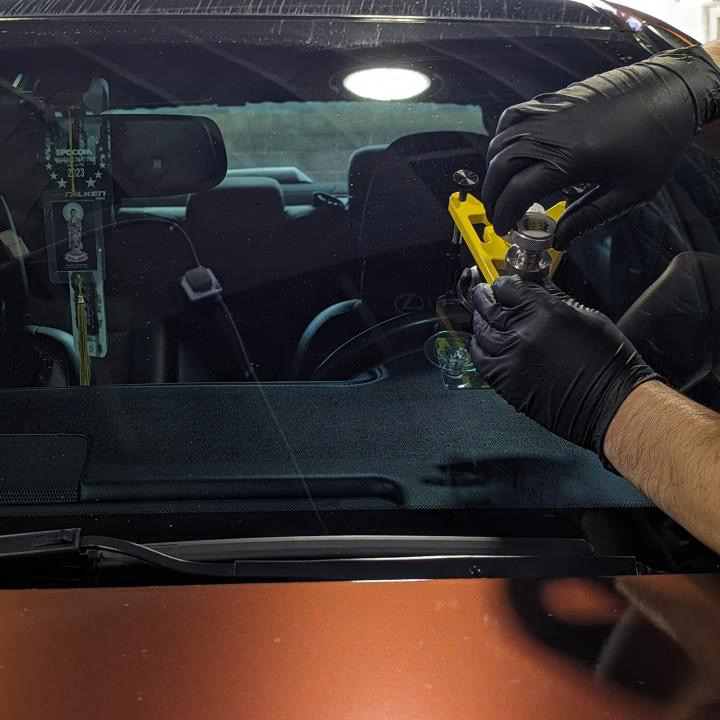
When a crack appears, the goal is to protect it from spreading further until a repair shop can assess it. These temporary methods are widely used by drivers when immediate repair isn’t possible.
The first step is simple: clean the crack carefully using glass cleaner and a microfiber cloth.
This removes dust, dirt, and debris that can work their way into the crack and make it worse over time. Keeping the area clean also helps any temporary sealants stick better if you use them.
The key is to avoid applying pressure. Gentle cleaning only.
A commonly used emergency fix is applying a small amount of super glue or clear nail polish directly into the crack.
This helps fill the gap temporarily and reduces the chance of dirt or moisture entering the damaged area. Once applied, it should be allowed to dry fully.
After drying, some drivers place a small piece of clear tape over the area to further protect it from contaminants.
However, this is strictly a short-term solution. These materials are not designed for glass repair and can interfere with professional repair later.
After sealing, applying clear tape over the crack can help keep dust and moisture out. While it doesn’t strengthen the glass, it reduces exposure to outside elements that could worsen the damage.
This step is especially useful if you need to drive before getting it repaired.
Driving style plays a surprisingly big role in whether a crack spreads.
To minimize risk:
Every impact, no matter how small, adds stress to an already weakened windshield.
Roads with heavy truck traffic, construction zones, or loose gravel increase the chance of additional damage. If possible, avoid these areas until the windshield is repaired.
Even small rocks hitting the glass can turn a minor crack into a larger problem.

The weather is one of the biggest reasons cracks expand.
Glass expands in heat and contracts in cold. When a windshield already has a weak point, this movement causes cracks to grow.
Parking in direct sunlight during hot days or exposing the glass to freezing temperatures can speed up the process.
Cold mornings followed by warm afternoons are especially stressful for windshield glass. These rapid changes create repeated expansion and contraction cycles that encourage cracks to spread.
Turning the heater or air conditioning on full blast immediately after starting your car can also create internal temperature shock.
A gradual temperature change is much safer for a cracked windshield.
Even though temporary methods can help slow damage, professional repair is the only real solution.
A windshield should be inspected as soon as possible because small cracks are often repairable, while larger ones may require full replacement if ignored.
Most windshield damage can be repaired if:
Once damage grows beyond these limits, replacement becomes more likely.
Time is one of the most important factors in windshield repair.
A small chip can often be fixed quickly and easily. But once it starts spreading, repair becomes more complicated, or impossible.
Delaying repair increases the chances of:
The longer you wait, the more likely the damage becomes irreversible.
Understanding why cracks happen can also help prevent them in the future.
Some of the most common causes include:
In many regions with heavy road use or seasonal weather changes, windshield damage is extremely common and often unavoidable.
While you can’t prevent every situation, you can reduce your risk with simple habits.
Trucks often kick up rocks and debris that can hit your windshield at high speed. Keeping distance helps reduce exposure.
Whenever possible:
Reducing temperature extremes helps protect glass integrity.
Don’t blast your AC or heater immediately after entering the vehicle. Let the cabin temperature adjust gradually.
Protect your vehicle during extreme weather
During hail or storms, using protective covers or parking indoors can help reduce damage risk.
When damage does occur, always choose a professional repair shop. Poor-quality repairs or ignoring the issue often lead to bigger problems later.
Ignoring a crack is one of the fastest ways to turn a small issue into a major one.
Over time, untreated cracks tend to:
What starts as a minor fixable issue can quickly become a costly replacement job.
So, can you stop a windshield crack from spreading permanently? No, but you can slow it down long enough to get it repaired.
If you’re still wondering, can you stop a crack in your windshield from spreading? The real takeaway is this: temporary fixes like cleaning, sealing, and careful driving can help, but they are not substitutes for professional repair.
The safest approach is always to act quickly. Small cracks are manageable, affordable, and often repairable, but only if they’re addressed before they grow.
Taking early action not only saves money but also helps keep your vehicle safe on the road.