Compare Average Tinting Costs, Film Types, and Installation Rates in San Jose
If you’re searching for window tinting San Jose prices, you’re probably trying to figure out what you should realistically expect to pay in 2026, and why quotes can vary so much from shop to shop.
In San Jose and the wider Bay Area, window tint pricing isn’t just about making your car look better. It’s tied closely to film technology, heat rejection performance, vehicle type, and how long the tint is expected to last in California’s intense sun.
On average, most drivers in San Jose will see prices ranging from budget-friendly installs around $200 to premium ceramic packages that can exceed $850 or more. The difference between those numbers isn’t random; it comes down to materials, durability, and performance in real driving conditions.
This guide breaks down exactly what you’re paying for, what affects pricing, and how to decide which tint is actually worth it for your vehicle in 2026.
In San Jose, window tinting costs generally fall into three main categories based on film type and performance level. Each tier serves a different purpose, and understanding these differences helps explain why pricing varies so widely.
Dyed film is the most basic and affordable option available. It provides a darker appearance and some UV protection, but it doesn’t do much when it comes to heat rejection.
This type of tint typically lasts around 3–5 years before showing signs of wear like fading or discoloration. In hot climates like San Jose, that lifespan can sometimes be even shorter.
While it’s appealing because of the low upfront cost, it’s important to understand that dyed film is more about appearance than performance.
Carbon film sits in the middle range of window tinting San Jose prices and offers a noticeable upgrade in durability and performance.
Unlike dyed film, carbon tint doesn’t fade as quickly and provides better heat rejection. It also maintains a more consistent matte finish over time.
For many drivers, carbon tint is the “balanced” option, better performance than dyed film without jumping into premium pricing.
Ceramic tint is where most professional recommendations begin. It delivers significantly better heat rejection and UV protection compared to both dyed and carbon films.
In real-world use, ceramic tint can block a large amount of solar heat, helping keep your car cooler even on hot afternoons. It also protects interiors like leather seats and dashboards from cracking due to UV exposure.
Another major advantage is that ceramic film does not interfere with GPS, phone signals, or toll systems.
This is why ceramic tint is often considered the best long-term value in San Jose, even though the upfront cost is higher.
At the top end of window tinting San Jose prices, premium ceramic films offer maximum clarity, advanced heat rejection, and extended durability.
These films are designed for drivers who want the highest level of comfort and performance, especially in vehicles exposed to direct sunlight for long periods.
Premium ceramic products can last 10+ years, making them a strong investment for long-term vehicle protection.

If you’ve received multiple quotes and noticed big differences, that’s completely normal. Pricing isn’t just about film; it’s about several combined factors.
The biggest cost driver is the type of film used.
Dyed film: cheapest, least effective
Carbon film: mid-range durability
Ceramic film: high-performance heat rejection
Premium ceramic: top-tier clarity and longevity
Higher-performance films cost more because they use advanced materials designed to block infrared heat and UV rays more effectively.
Larger vehicles naturally cost more to tint because they require more material and labor.
A sedan is faster and easier to complete compared to an SUV or truck with larger or more complex glass panels. More glass also means more precision work during installation.
Basic packages often include side and rear windows only. However, adding extras like full windshield tint, sunroof tint, or full-coverage packages can significantly increase the total price.
In some cases, adding a windshield alone can increase the cost by $200–$400, depending on film type.
If your vehicle already has old, bubbling, or faded tint, removal is usually required before applying new film.
This process adds labor time and typically costs an additional $100–$200, depending on the condition.
Skipping proper removal can lead to poor adhesion and future peeling, so most reputable shops include or recommend it when needed.
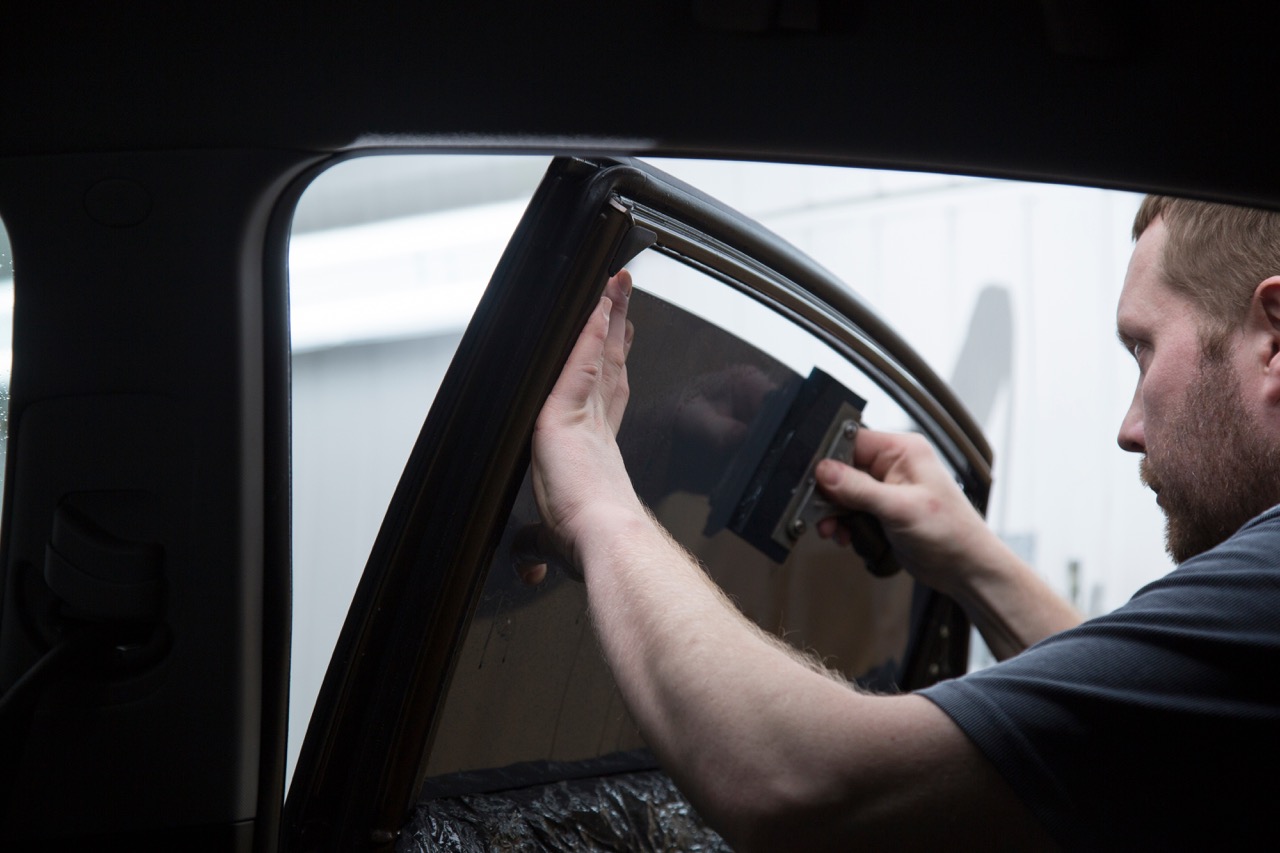
Not all tint installations are equal. The experience of the installer and the quality of their tools and environment can influence both price and results.
Professional shops often include:
Precision cutting or computer-cut patterns
Clean indoor installation environments
Edge sealing and detailed finishing
Quality inspection after installation
Lower-cost installers may skip some of these steps, which can affect how long the tint lasts.
One of the biggest decisions when comparing window tinting San Jose prices is whether to choose budget tint or ceramic film.
At first glance, dyed film or low-cost packages may seem attractive because they cost significantly less. However, the long-term performance tells a different story.
Fading or turning purple within 1–2 years
Bubbling or peeling edges
Weak heat rejection
Adhesive failure over time
While the upfront cost is low, many drivers end up paying again for removal and reinstallation, making it more expensive in the long run.
Ceramic film is designed for performance and durability. It offers:
Strong heat reduction for a cooler cabin
UV protection that helps prevent interior damage
Long lifespan (often 10+ years)
No interference with electronics or signals
Clear, non-reflective visibility
In a climate like San Jose, where sunlight and heat are consistent year-round, ceramic tint often pays for itself in comfort and reduced wear on your vehicle’s interior.
California tint laws also play a role in pricing decisions.
Front side windows must typically allow around 70% visible light transmission (VLT). That means the film cannot be overly dark, even if drivers want maximum shading.
To achieve good heat rejection while staying legal, higher-quality films, especially ceramic options, are often required. These advanced films can block heat without needing extreme darkness.
This is one reason why premium tinting tends to dominate the market in California compared to states with looser regulations.
Most professional installations in San Jose take:
2–3 hours for sedans
3–4 hours for SUVs and trucks
After installation, drivers typically need to wait several days before rolling down windows and up to a few weeks for full curing.
The curing period depends on weather conditions and film type, but it’s a normal part of the process.
While budget tint may seem appealing, it often comes with hidden costs that appear later.
Common extra expenses include:
Tint removal fees if the film fails early
Full reinstallation costs
Interior repair from UV damage
Time lost returning for corrections
When combined, these issues can end up costing more than simply choosing a higher-quality tint from the beginning.
When breaking down window tinting prices, you’re not just paying for a darker window; you’re paying for:
Heat protection and cabin comfort
UV shielding for interior materials
Durability and lifespan of the film
Installation quality and precision
Warranty coverage and long-term reliability
The cheapest option rarely offers all of these benefits together.
In 2026, window tint pricing in San Jose is shaped by more than just appearance; it’s driven by performance, climate demands, and long-term value.
While basic dyed films may start under $300, most drivers who want lasting comfort and protection find that ceramic tint offers the best balance between cost and performance.
Understanding how window tinting San Jose prices are structured makes it easier to choose the right option for your vehicle, not just for today, but for years down the road.