Understanding Heat Reduction, UV Protection, and Light Control Explained Simply
If you’ve ever sat inside a car on a hot day and noticed how much cooler it feels with tinted windows, you’ve probably wondered: How do tinted windows work? It’s a common question, and the answer goes far beyond just “they make glass darker.”
In reality, modern window tinting is built on advanced material science designed to control light, heat, and harmful radiation while still maintaining clear visibility.
Understanding how tinted windows function can help you make smarter decisions when choosing the right film for your vehicle.
Whether you’re aiming for better comfort, improved privacy, or long-term interior protection, knowing what’s happening behind the scenes gives you a real advantage.
How Do Tinted Windows Work at a Basic Level?
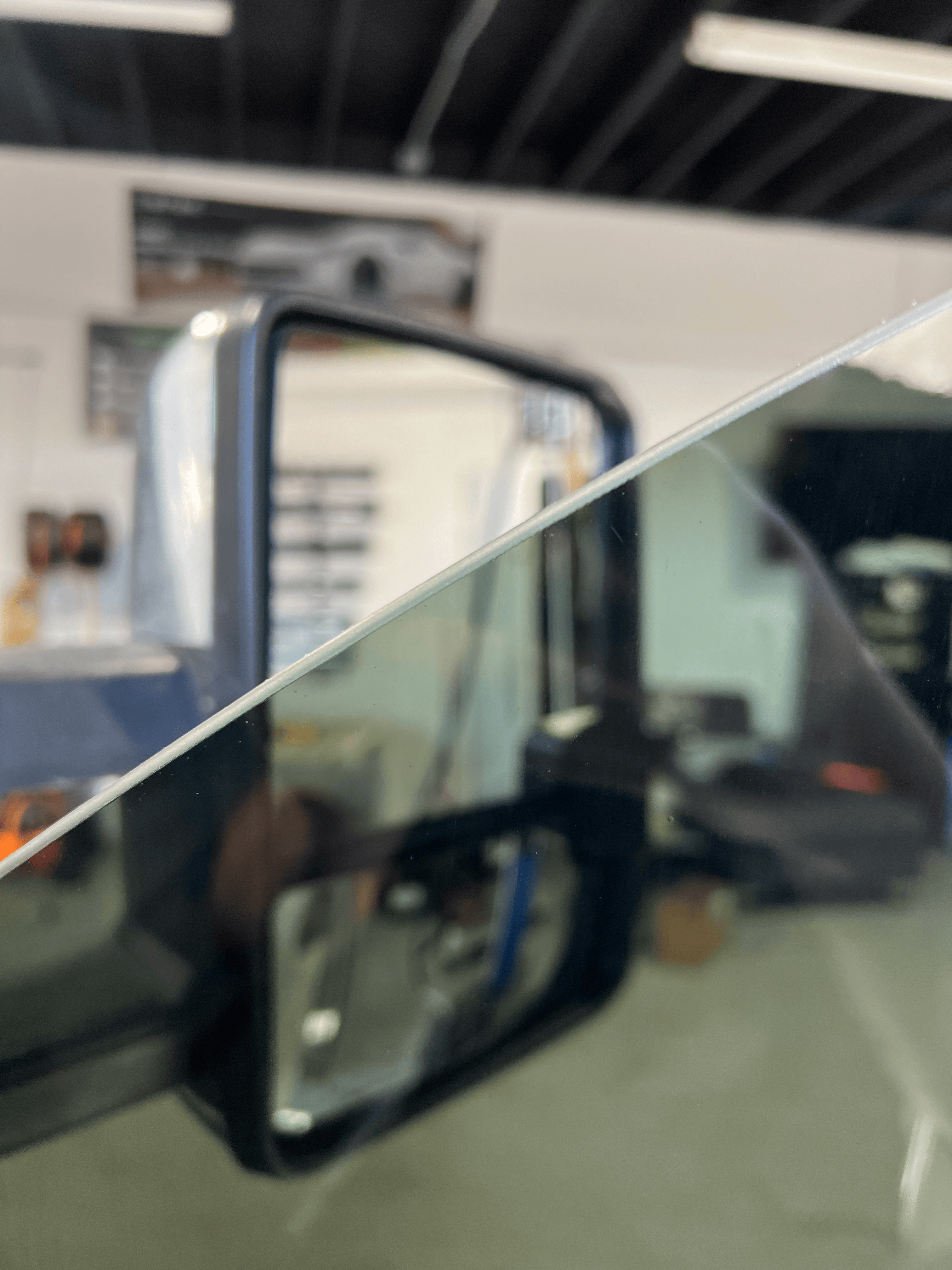
At its core, window tinting works by applying a thin, multi-layer film to the inside of your car’s glass. This film isn’t just decorative. It’s engineered. And every layer has a purpose.
From blocking UV rays to reducing heat, each component plays a role in improving your driving experience.
These layers typically include:
An adhesive layer that bonds the film to the glass
A UV-blocking layer that filters harmful radiation
An infrared control layer to reduce heat
A functional layer (dyed, carbon, ceramic, or metallic)
A scratch-resistant coating for durability
Together, these layers manage different types of light independently, allowing you to enjoy comfort without sacrificing visibility.
The Science Behind Tinted Windows
To fully answer how tinted windows work, you need to understand how they interact with sunlight. Sunlight isn’t just light. It’s made up of multiple wavelengths. Each one behaves differently. And window tint is designed to handle them separately.
Here’s how it works:
Ultraviolet (UV) rays are absorbed or reflected to protect the skin and interiors
Infrared (IR) rays are blocked to reduce heat inside the car
Visible light is controlled to reduce glare while maintaining clarity
This selective filtering is what makes modern window tint so effective. It doesn’t just darken your windows; it actively improves comfort, safety, and efficiency.
How Do Tinted Windows Work to Block UV Rays?
One of the biggest benefits of window tinting is UV protection. High-quality films can block up to 99% of harmful UV rays. That’s significant. Because UV exposure isn’t just uncomfortable. It’s damaging over time.
By blocking UV rays:
Your skin is better protected during long drives
Your car’s interior resists fading and cracking
Materials like leather and plastic last longer
Even lighter tints can provide strong UV protection, which means you don’t have to go extremely dark to get real benefits.
How Tinted Windows Reduce Heat Inside Your Car
Heat reduction is one of the most noticeable advantages of tinted windows. But here’s something many people misunderstand. It’s not about darkness alone. It’s about infrared rejection. And that’s where the real magic happens.
Infrared rays carry most of the sun’s heat. When they pass through untreated glass, they quickly raise the temperature inside your car.
Modern window films are designed to:
Reflect infrared radiation
Absorb heat before it enters the cabin
Stabilize interior temperatures
This means your car stays cooler, even in direct sunlight. It also reduces the need for air conditioning, improving overall efficiency.
Want a cooler, more comfortable ride? Visit rogueautosalon.com to explore high-performance tint options designed for maximum heat rejection.
How Do Tinted Windows Work to Reduce Glare?
Glare can be more than just annoying; it can be dangerous. Bright sunlight. Headlights at night. Reflections off roads. All of these can impact visibility.
Tinted windows help by filtering excessive visible light, reducing brightness without blocking your view. This improves driving comfort and helps reduce eye strain, especially on long trips.
The result is a safer, more controlled driving experience.
Understanding Visible Light Transmission (VLT)
When discussing how tinted windows work, you’ll often hear about Visible Light Transmission (VLT).
This measures how much light passes through the tint.
Higher VLT (50–80%) = lighter tint, more visibility
Lower VLT (5–35%) = darker tint, more privacy, and glare reduction
VLT plays a key role in both performance and legality, as many regions have laws regulating how dark your tint can be.
Choosing the right VLT ensures you balance comfort, visibility, and compliance.
Types of Window Tint and How They Work
Not all window tints are created equal. Different materials. Different performance levels. Different lifespans. And different benefits. Here are the most common types:
Dyed Window Tint
Uses dye to absorb light
Affordable option
Basic glare reduction
Less effective at heat blocking
Metalized Window Tint
Contains metallic particles
Reflects heat effectively
Strong and durable
May interfere with signals
Carbon Window Tint
Uses carbon particles
Excellent heat rejection
Fade-resistant
Non-reflective finish
Ceramic Window Tint
High-performance option
Blocks UV and infrared rays efficiently
Maintains clarity
Doesn’t interfere with electronics
Crystalline Window Tint
Nearly clear appearance
Strong UV and heat protection
Ideal for those who want performance without a dark tint
If you’re looking for long-term value, ceramic and carbon films are often the best choices. Explore premium tint solutions at Rogue Auto Salon and find the perfect match for your vehicle.
What Happens During Window Tint Installation?
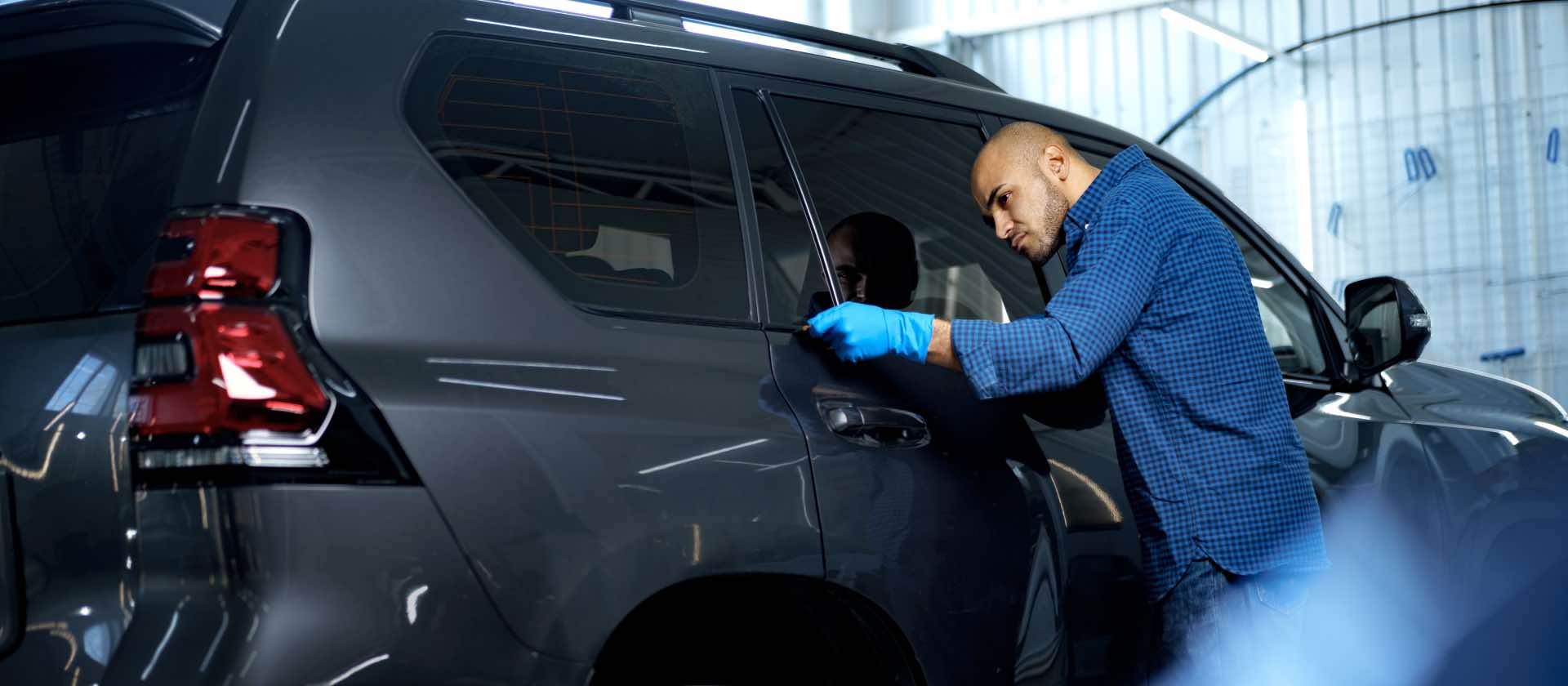
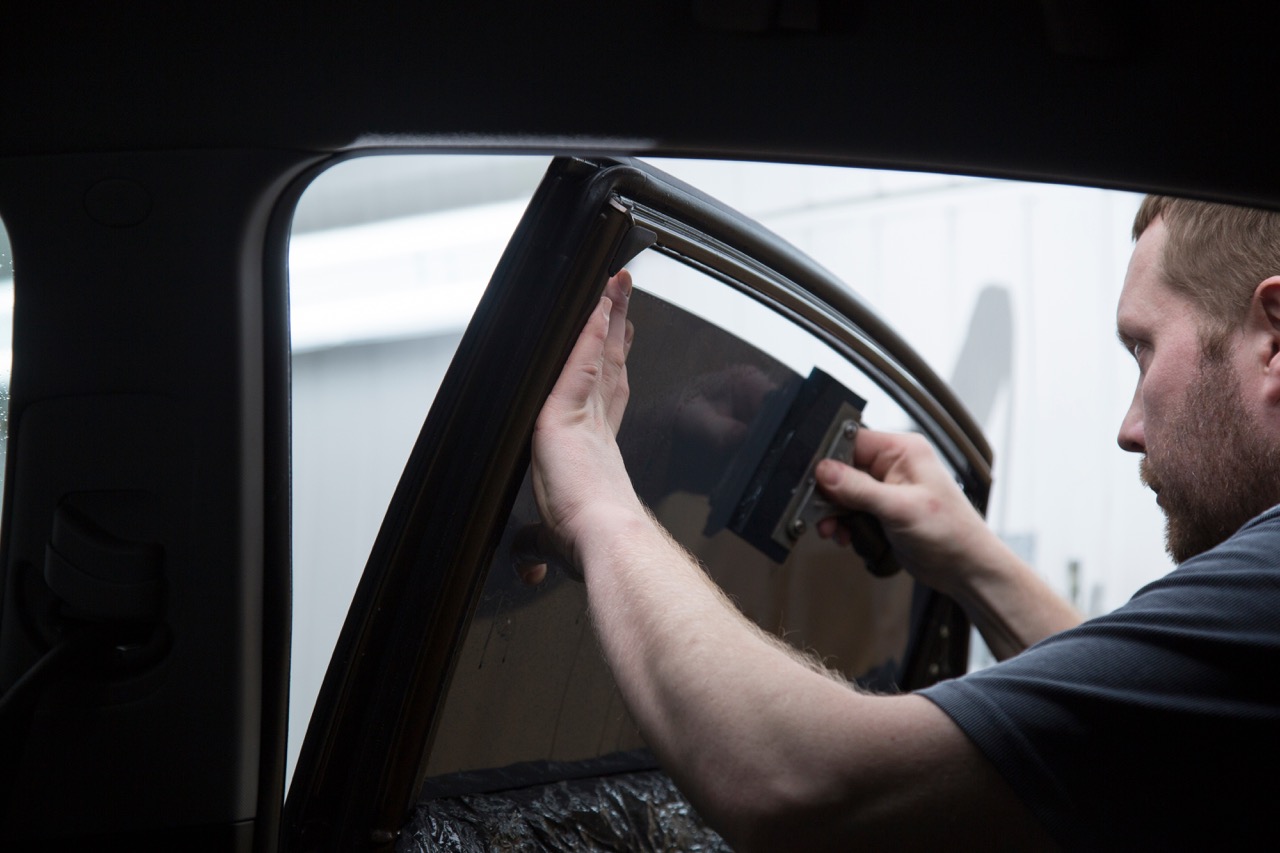
Installation is just as important as the film itself. Because even the best materials can fail. If installed poorly. Or without proper preparation. That’s why professional installation matters.
The process typically includes:
Deep cleaning of the glass
Wet application of the film
Heat shaping to fit curves
Squeegeeing to remove air and moisture
Precise edge trimming for a clean finish
This ensures proper adhesion, clarity, and durability.
How Long Does It Take for Tint to Cure?
After installation, the window tint doesn’t reach its final form immediately. It needs time to cure. Usually, a few days. Sometimes up to a week. Depending on conditions. During this period, you might notice:
Slight haze
Small bubbles
Temporary distortion
These are normal and will disappear as the film settles.
Benefits of Tinted Windows Beyond Looks
While tinted windows certainly enhance a car’s appearance, the real value lies in their functionality. They improve comfort. Increase safety. And protect your investment. All at once.
Key benefits include:
Reduced interior heat
Protection from harmful UV rays
Less glare while driving
Enhanced privacy and security
Longer-lasting interior materials
These advantages make window tinting one of the most practical upgrades you can make.
Why Professional Installation Makes a Difference
You might be tempted to go the DIY route. But it often leads to problems. Like bubbling. Peeling. Or uneven edges.
Professional installation ensures:
Clean, factory-style finish
Long-lasting adhesion
Optimal performance
No visual distortions
For expert installation and premium results, visit rogueautosalon.com and get your tint done right the first time.
How Do Tinted Windows Work Over Time?
Over time, the performance of window tint depends on its quality and maintenance. High-quality films can last 10–15 years. Lower-quality ones may fade sooner. Exposure to UV rays plays a major role. As does proper care.
Regular cleaning with non-abrasive products and avoiding harsh chemicals can significantly extend the lifespan of your tint.
Final Thoughts: How Do Tinted Windows Work?
They work by using advanced, multi-layer films to control light, heat, and radiation, not just by making windows darker. They filter UV rays. Block infrared heat. And reduce glare. All while maintaining visibility.
The result is a cooler, safer, and more comfortable driving experience. If you’re ready to upgrade your vehicle with high-quality window tint that delivers real performance, head over to Rogue Auto Salon and discover professional solutions designed to last.