Automotive Window Tint Colors: A Complete Guide to Shades, Types & Legal Options
Explore Tint Percentages, Color Options, Film Types, and Legal Regulations Explained
If you’re considering a way to enhance your car’s appearance, increase privacy, and protect yourself from the sun, exploring Automotive Window Tint Colors is a smart first step. Window tinting has evolved far beyond just a sleek look; it’s now an essential component of car comfort, UV protection, glare reduction, and even energy efficiency.
With so many shades, types, and legal regulations to consider, choosing the right tint can feel overwhelming.
This complete guide breaks down everything you need to know about automotive window tint colors, how to pick the right shade, the laws you should follow, and the benefits of professional installation.
Why Automotive Window Tint Colors Matter
When most people think about window tint, the first thing that comes to mind is style. While aesthetic appeal is certainly a major factor, the color and type of window tint serve several practical purposes. The right automotive window tint colors can:
Reduce Heat: Certain tints block infrared radiation, keeping your car cooler during hot months and reducing the need for air conditioning.
Block UV Rays: Harmful ultraviolet rays can cause skin damage and fade your car’s interior. High-quality tints protect both passengers and upholstery.
Reduce Glare: Driving toward the sun can be blinding. Tints that block glare improve visibility and safety.
Increase Privacy: Darker shades make it harder for others to see into your vehicle.
Enhance Aesthetics: A well-chosen tint can give your car a polished, sophisticated look.
With all these benefits, it’s no wonder that automotive window tinting has become a standard upgrade for drivers who care about style, comfort, and safety.
Understanding Window Tint Percentages
Before choosing the perfect shade, it’s essential to understand what window tint percentages mean. This is measured as Visible Light Transmission (VLT%), which refers to the amount of light that passes through the tinted window.
Lower VLT% = darker tint (more privacy, more heat rejection)
Higher VLT% = lighter tint (more visibility, less drastic darkening)
For example, a 20% VLT tint allows 20% of visible light to pass through while blocking 80%. Choosing the right percentage is a balance between privacy, heat protection, and maintaining legal compliance.
Common Automotive Window Tint Colors and Shades
Automotive window tint colors come in a variety of shades, each with unique properties. Understanding these options can help you make a more informed decision for both functionality and aesthetics.
1. Dark Tints
Dark tints are popular for their sleek look and privacy benefits. Many drivers prefer the darkest legal tint available, often around 35% VLT, which makes windows visibly darker while still allowing safe visibility.
Pros:
Maximum privacy
Stylish, modern appearance
Good heat and glare reduction
Cons:
May reduce nighttime visibility
Can be restricted by state laws on front windows
2. Medium Tints
Medium tints like 50% VLT provide a balanced option for those who want some privacy without drastically altering the car’s look. These shades also maintain decent visibility, making them practical for daily driving.
Pros:
Balanced privacy and visibility
Moderate heat and UV protection
Sleek appearance without being too dark
Cons:
Less privacy than darker tints
3. Light Tints
For drivers who prefer minimal change to their vehicle’s aesthetics, light tints allow more natural light while still blocking harmful UV rays and heat. A 50% VLT tint is often used for windshields or front windows where light transmission is critical.
Pros:
Maximum visibility
Heat reduction without altering the look
Suitable for areas with strict tint laws
Cons:
Less privacy
Slightly less heat and glare protection
Types of Automotive Window Tint
It’s not just the shade that matters; the type of tint film determines performance, durability, and heat rejection.
1. Ceramic Tint
Ceramic tints are the premium option. They block up to 99% of UV rays and a significant portion of infrared radiation while maintaining clarity. Unlike metallic tints, they don’t interfere with GPS, radios, or smartphones.
Benefits:
Superior heat rejection
No signal interference
Long-lasting and resistant to fading
Maintains clarity even in darker shades
2. Carbon Tint
Carbon tints are a high-performance mid-tier option. These tints contain carbon particles that block UV rays and reduce heat. They offer a matte black finish and do not fade over time.
Benefits:
Good heat and UV protection
Matte finish for a clean look
Affordable compared to ceramic tints
3. Dyed Tint
Dyed tints are the most affordable option. They use layers of dye to create color and reduce light. While they improve privacy and glare reduction, they are less effective at heat rejection and may fade over time.
Benefits:
Low-cost solution
Provides basic privacy
Widely available
How to Choose the Right Automotive Window Tint Color
Choosing the right automotive window tint colors depends on several factors:
1. State Laws
Every state has specific laws governing VLT% and the type of tint allowed for different windows. For instance, Georgia allows:
Windshield: Non-reflective tint on the top 6 inches only
Front windows: Minimum 32% VLT
Rear windows: Minimum 32% VLT
Back windshield: Minimum 32% VLT for passenger vehicles
Always check your local regulations before committing to a tint shade to avoid fines and legal issues.
2. Purpose
Consider what you want your tint to achieve:
Privacy: Darker tints (5–35% VLT)
Heat reduction: High-quality ceramic or carbon films
Style: Any shade that complements your vehicle’s color
Visibility: Lighter tints (50% VLT or higher)
3. Vehicle Type
Different vehicles may benefit from different tint percentages:
SUVs and limousines Often use darker shades for rear windows to maximize privacy
Sedans and trucks: Medium tints for front and rear windows balance style, heat reduction, and visibility
4. Personal Preference
Ultimately, your choice should reflect your personal taste. Some drivers prefer a subtle change, while others enjoy a bold, dark tint. Modern films allow you to enjoy functional benefits without sacrificing aesthetics.
Debunking Common Automotive Window Tint Myths
There are several misconceptions about automotive window tint colors. Understanding the truth helps you make a smarter choice.
Myth 1: Tint is Just Cosmetic
While tints do improve appearance, they also block UV rays, reduce heat, and minimize glare, proving they are as practical as they are stylish.
Myth 2: Darker Tints Are Always Better
Darkness doesn’t always correlate with protection. Many modern tints, especially ceramic and carbon types, allow light through while rejecting heat and UV rays, giving you clear visibility without compromising safety.
Myth 3: Window Tint is Illegal
Tint legality depends on state laws and VLT%. Compliant shades are perfectly legal, making it essential to check local regulations before installation.
Myth 4: Tint Lowers Resale Value
Professionally installed, high-quality tints can actually increase resale value, as they improve aesthetics and protect the interior from sun damage.
Benefits of Professional Installation
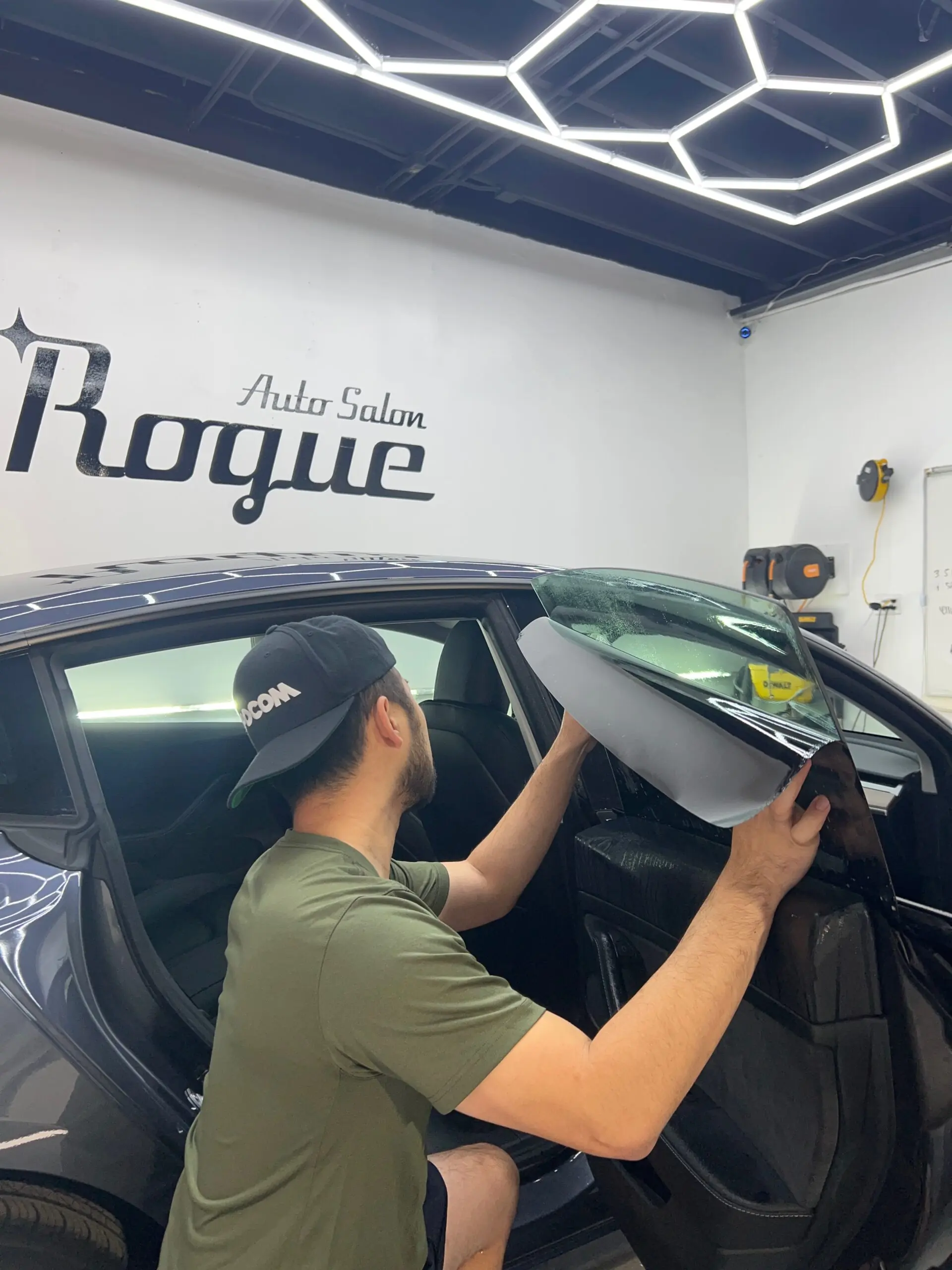
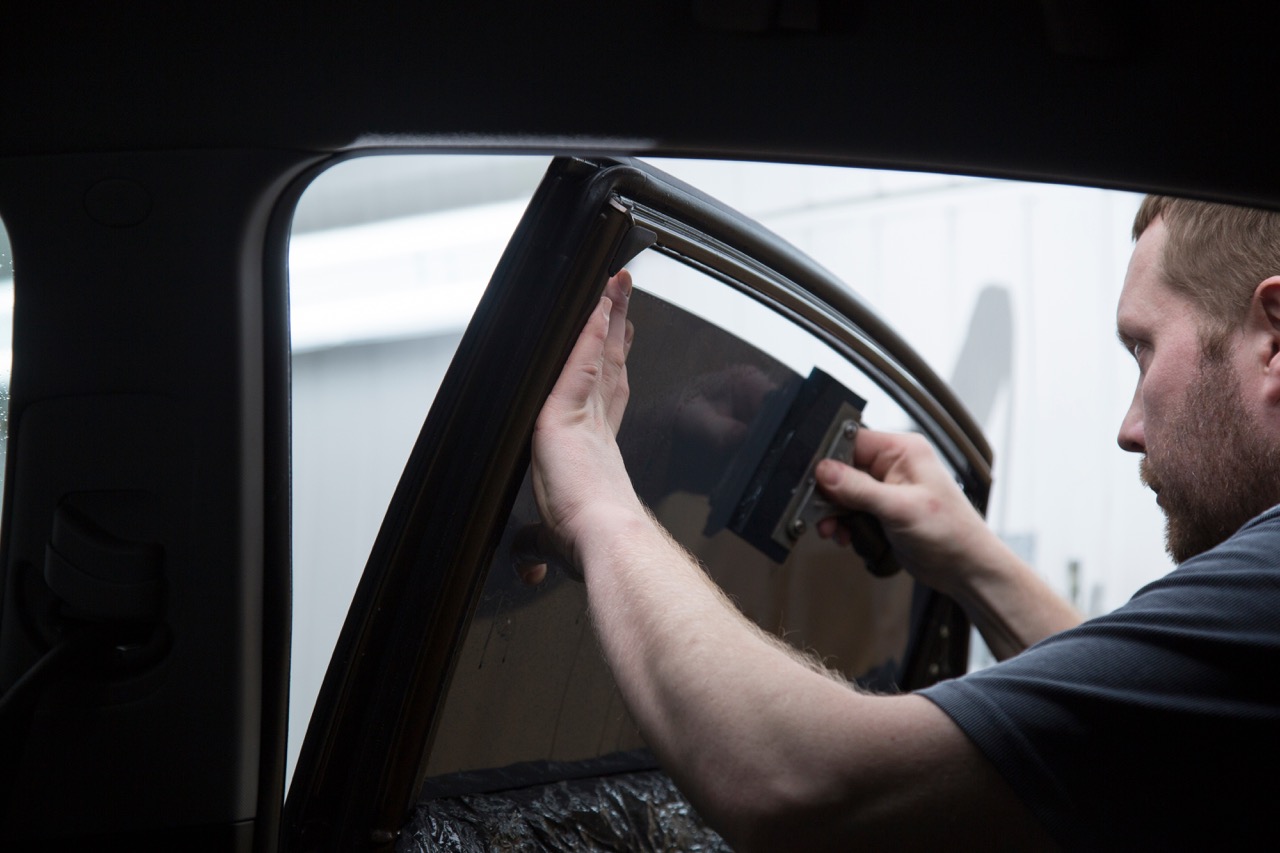
Getting your tint applied by professionals ensures:
Correct VLT% for compliance with local laws
Smooth, bubble-free application
Maximum UV and heat rejection
Long-lasting durability
Attempting DIY tinting often leads to bubbles, peeling, and uneven application, which can compromise both appearance and performance.
Popular Automotive Window Tint Colors
Automotive window tint colors vary from subtle shades to deep, dark hues. Some popular options include:
Charcoal/Smoke: Classic, versatile, and blends with most vehicles
Dark Gray: Sleek, professional, and offers strong privacy
Black: Provides maximum darkness while remaining legal on compliant windows
Bronze/Brown: Adds warmth and enhances certain vehicle colors
Reflective/Metallic: Improves heat rejection but may affect signals on some electronics
Choosing the right color often comes down to balancing style, privacy, and functionality.
Combining Tint Shade and Type for Maximum Benefits
The best results come from pairing the right shade with the right type of film:
Ceramic + Medium to Dark Shade: Ideal for maximum heat reduction and visibility
Carbon + Dark Shade: Excellent privacy with good heat protection
Dyed + Light to Medium Shade: Affordable option for style and basic UV protection
Automotive Window Tint Maintenance Tips
To keep your tint looking fresh and performing well:
Clean with non-ammonia cleaners to prevent film damage
Avoid sharp objects near the glass
Let the tint cure for a few days after installation before rolling up the windows
Inspect regularly for peeling or bubbling
Proper maintenance extends the life of your tint and preserves its aesthetic appeal.
Final Thoughts
Choosing the right automotive window tint colors involves more than just picking a dark shade. You must consider:
VLT% and how much light you want to let in
Type of film (ceramic, carbon, or dyed)
State laws and legal compliance
Your vehicle type and intended use
Personal aesthetic preference
By balancing these factors, you can select a tint that enhances style, privacy, comfort, and safety. Professional installation ensures the best performance and longevity, helping you enjoy all the benefits of window tinting without compromise.
Whether you want a subtle enhancement or a bold, privacy-focused look, the right automotive window tint colors make a real difference. With the right choice, you’ll not only improve the appearance of your car but also protect yourself, your passengers, and your interior from the harmful effects of the sun.