How Long Does Car Window Tinting Take? What to Expect Before You Book
Average Tinting Times Explained: From Preparation to Finish
If you’re planning to upgrade your vehicle’s comfort, privacy, and style, window tinting is one of the smartest and most cost-effective improvements you can make. But before booking your appointment, you’re probably wondering: How long does car window tinting take?
The answer isn’t the same for every vehicle or every tinting service, but understanding what affects the timeline can help you plan your day, avoid surprises, and know exactly what to expect during the entire process.
In this guide, we’ll break down real-world tinting times, explain what happens during a professional tint installation, outline the factors that can make your appointment quicker or longer, and help you decide how to prepare before booking.
Whether you’re tinting just two front windows or getting a full SUV retinted with premium ceramic film, you’ll know how to schedule your day like a pro.
How Long Does Car Window Tinting Take? The Short Answer
For most vehicles, car window tinting takes between 2 and 4 hours. However, that’s only a general estimate. The exact time depends on:
How many windows are you tinting
Whether your vehicle has old tint that needs removing
The type of tint film you choose
The size and shape of your vehicle’s windows
The skill level and equipment of the installer
To give you a more accurate picture, let’s break down each factor.
What Affects How Long Tinting Takes?
1. Number of Windows Being Tinted
The more windows you tint, the longer your appointment will take.
Two front windows only: 30–45 minutes
Full sedan tint: 2–3 hours
Full SUV or truck tint: 3–4 hours
If you’re in a rush or don’t have time for a full installation, tinting just the front two windows is the fastest option. Many cars come with factory tint on the rear windows, so adding front tint helps match the look while reducing heat and glare on the driver’s side.
2. Type of Tint Film You Choose
Film quality influences not only performance but also installation time.
Dyed film: Quicker and easier to apply
Carbon film: Requires more careful handling
Ceramic film: Takes the longest to install due to its premium construction and precision needs
High-performance films like ceramic tint often demand more meticulous shaping and smoothing to achieve a flawless finish. While they may add extra minutes to the installation, they offer the best heat rejection, UV protection, and clarity, making them worth the investment.
3. Size and Design of Your Vehicle
Your vehicle’s size matters as much as the number of windows.
Sedans: Usually 2–3 hours
Trucks/SUVs: Typically 3–4 hours
Vehicles with highly curved or oversized windows: Additional time needed
Large rear windshields, extra side windows, and steep window curves require more careful cutting and shaping of the film.
4. Tint Removal Before Installation
If your car already has tint, especially old, faded, or bubbled tint, the technician must remove it before applying the new film.
Tint removal requires:
Applying heat to loosen the adhesive
Peeling off old film without damaging defroster lines
Scraping away leftover glue and residue
Thoroughly cleaning the glass afterward
This process can add 1 to 2 hours or more, depending on the condition of the existing tint. For vehicles with stubborn adhesive, total service time can reach 4–5 hours.
Typical Window Tinting Times by Service Type
Understanding average service times can help you pick the best option for your schedule.
Two Front Windows Only: 30–45 Minutes
This is the quickest tinting service available. If your vehicle already has factory-tinted rear windows, this option keeps your car’s look consistent and adds extra heat and UV protection where you need it most, the front.
This service is ideal for:
Busy drivers with limited time
Anyone wanting to match factory tint
Reducing glare from side windows
Quick appointments during lunch breaks
Full Sedan Tint: 2–3 Hours
Tinting all windows on a sedan provides the best balance of privacy, UV protection, and interior cooling. The installer cleans, cuts, shapes, and applies film to:
All side windows
The rear windshield
Optional front windshield strip (if allowed by law)
Expect the full 2–3 hour range if you are choosing carbon or ceramic tint.
Full SUV or Truck Tint: 3–4 Hours
SUVs and trucks generally take longer than sedans because of:
Larger rear windshields
More side windows
Curved glass requires precision
Additional rows of passengers in some models
If you drive a family SUV, plan for at least 3 hours, and possibly up to 4 hours for ceramic tint or complex designs.
Tint Removal + New Tint Installation: 3–5 Hours
Old tint removal significantly extends the service time, but is essential for a clean finish. The process involves:
Heating and loosening old film
Peeling carefully to preserve glass and defroster lines
Removing adhesive residue
Cleaning the glass multiple times
Only when the window is spotless will the installer begin applying the new tint. While removal adds time, it’s necessary for achieving a flawless final result.
What Happens During a Tinting Appointment? Step-by-Step
Understanding the workflow helps you know exactly where your time goes.
1. Consultation
Before any tinting begins, you’ll talk with the technician about:
This ensures you choose a tint that balances performance, style, and legal compliance.
2. Window Preparation
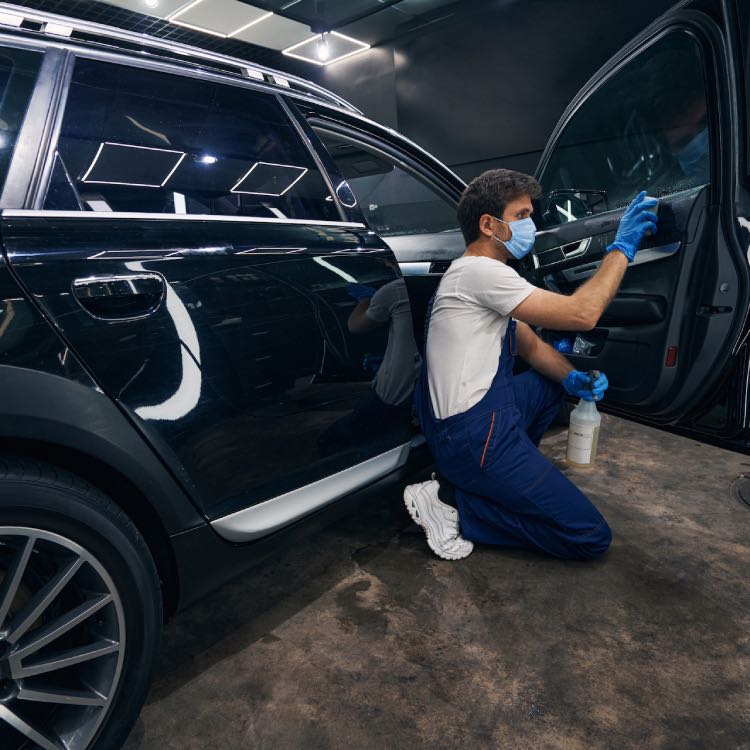
Clean windows are critical for a flawless finish. Technicians:
Clean each window thoroughly inside and out
Remove dirt, oil, dust, and debris
Remove old tint if needed
Use alcohol solutions to ensure perfect adhesion
This step usually takes 15–30 minutes, depending on the vehicle’s condition.
3. Film Cutting and Application
This is the most precise and time-consuming part of the process.
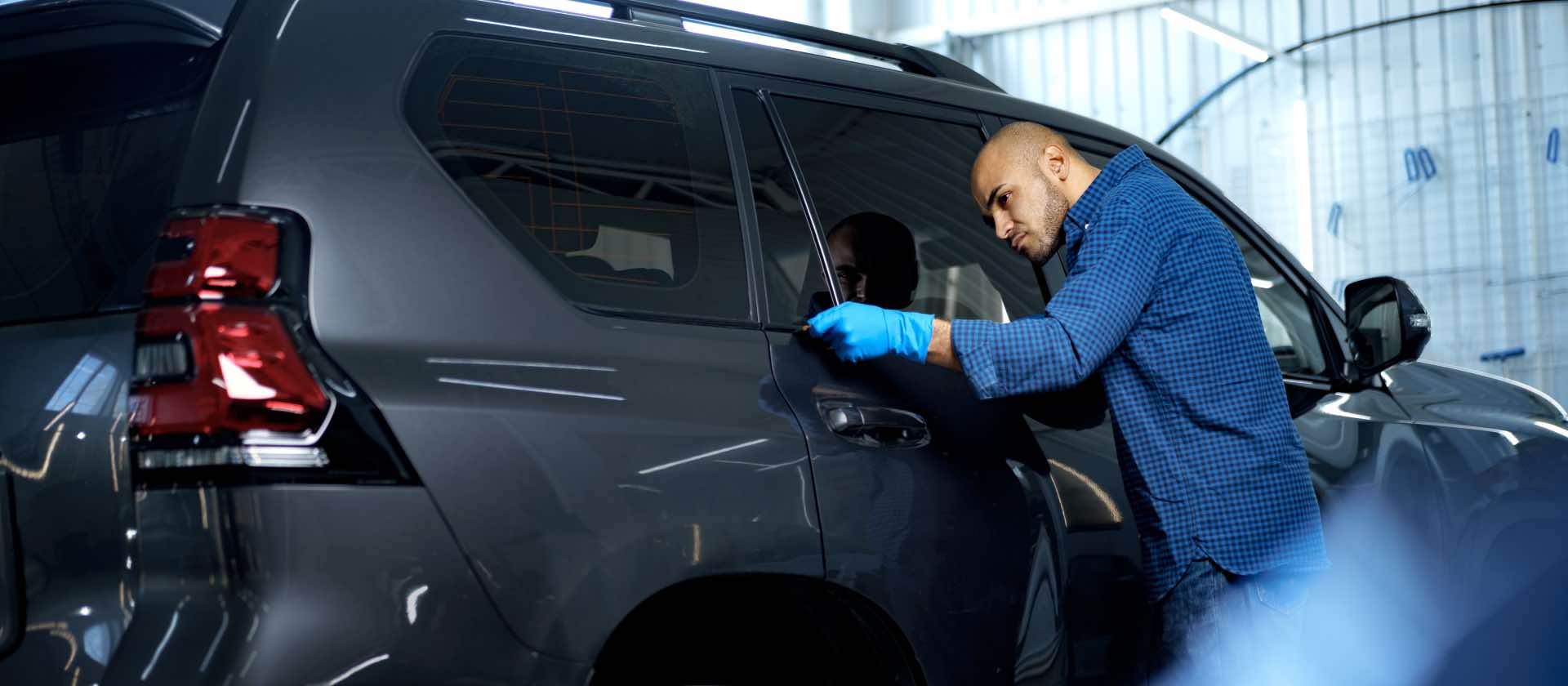
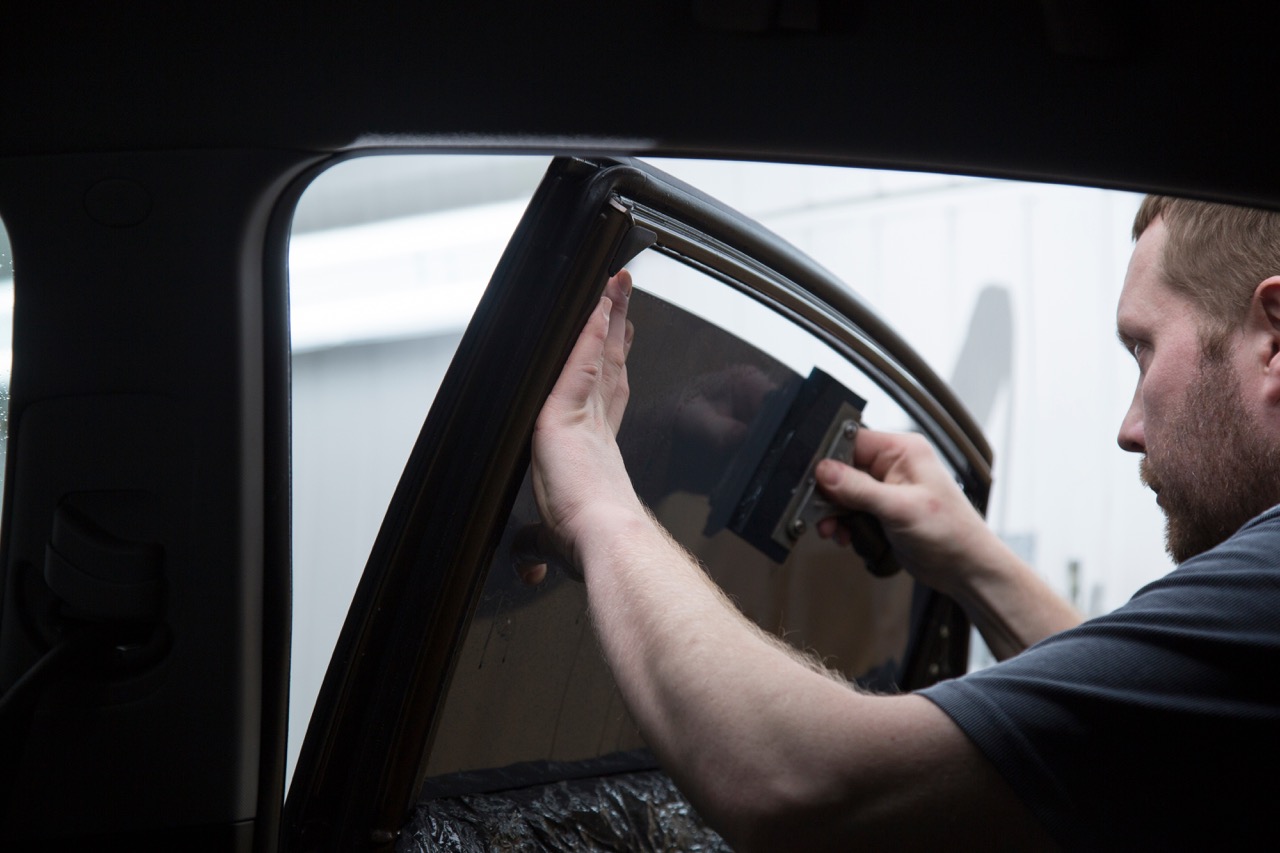
The installer will:
Cut tint film using templates or computer-cut systems
Shape the film to each window
Apply it using a specialized solution
Use squeegees to remove moisture and air bubbles
Heat-shrink the film on curved surfaces
Mold it to the window’s shape for a factory-like finish
This stage can take 1–3 hours, depending on the number of windows and complexity.
4. Final Inspection
Before handing your vehicle back, the technician will check the entire job:
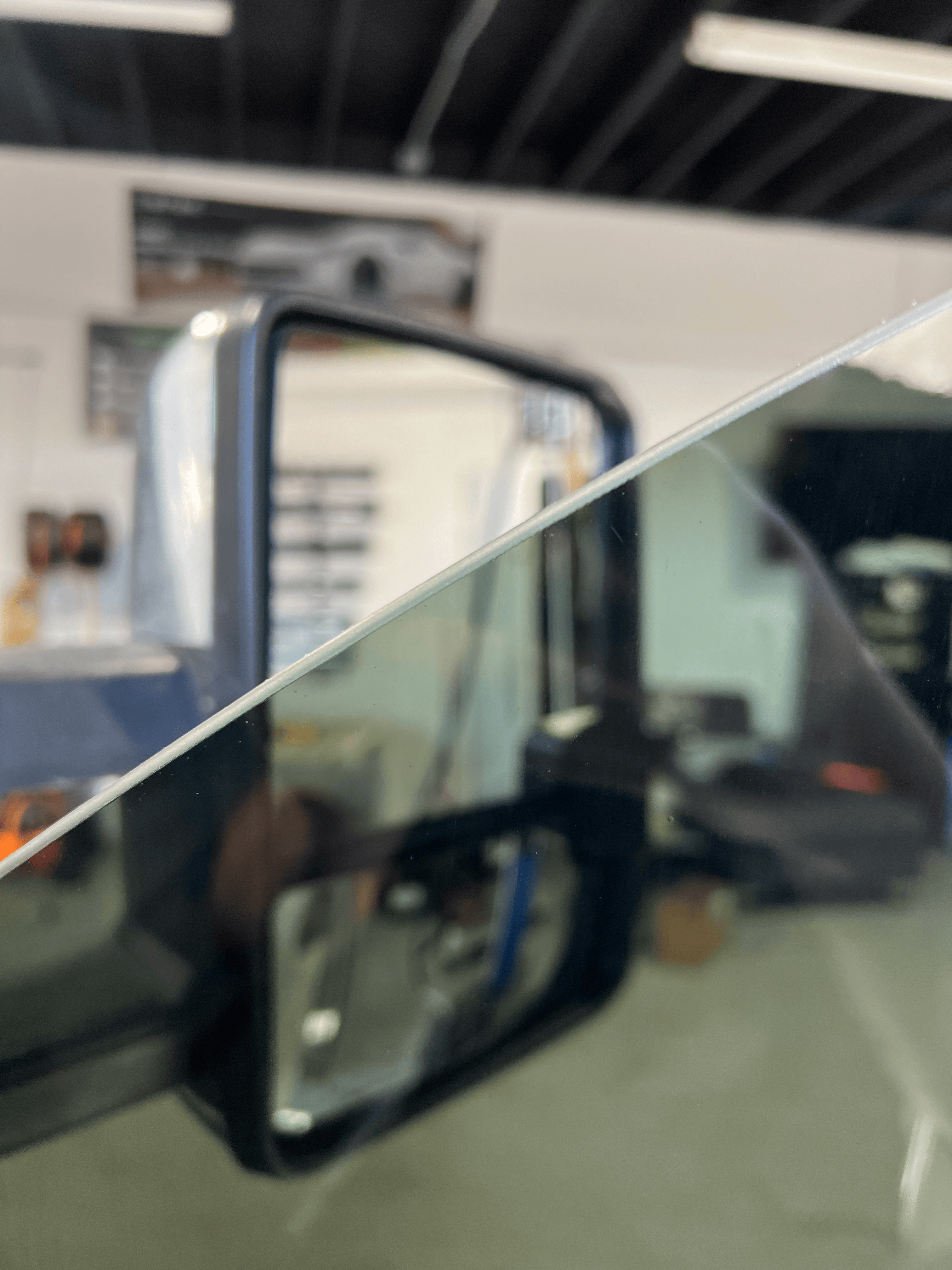
Edges aligned perfectly
No bubbles or contaminants
No creases or trapped moisture
Clean door panels and window frames
They’ll also walk you through aftercare instructions so your tint cures correctly.
How Long Until You Can Roll Down Your Windows?
Even after installation, the tint needs time to fully bond to the glass. Most professionals recommend waiting:
48 to 72 hours before rolling down windows
Up to 1 week before cleaning the inside of your windows
In colder or more humid climates, curing may take up to 2 weeks.
Rolling down your windows too early can cause peeling, bubbling, or edge lifting, which is why following aftercare guidelines is essential.
How to Plan Your Day Around a Tint Appointment
Here’s how to prepare:
For two front windows: A quick 45-minute visit
For full sedan tint: Plan for a morning or afternoon block
For full SUV tint: Expect half a day
For tint removal + installation: Plan 4–5 hours or drop the car off for the day
If you’re having premium ceramic tint installed, add a bit more time to account for precision and heat forming.
Why Professional Tinting Is Worth the Time
You can buy DIY tint kits, but the quality difference between DIY and professional installation is dramatic. Professionals offer:
Precision film cutting
Higher-quality tint films
Heat-shrink shaping for curved windows
Clean, bubble-free installation
Warranties on film and labor
Knowledge of state tint laws
Proper glass preparation
Long-term durability
DIY attempts often result in:
Dust and debris trapped under the film
Uneven edges
Bubbles or creases
Poor heat rejection
Peeling or fading tint
Fixing a bad DIY job usually costs more than getting it done the first time.
Is Tinting Worth the Time Investment? Absolutely.
When you consider the benefits, spending a few hours on window tinting is a smart investment for years of added comfort and protection.
Tinting provides:
A cooler interior
Significant UV protection
Reduced glare
Increased privacy
Protection for interior materials
A more stylish, finished look
Reduced heat-related stress on vehicle components
Potential fuel savings from reduced AC use
Whether you go with standard dyed film or top-tier ceramic tint, the payoff is noticeable immediately.
Final Thoughts: How Long Does Car Window Tinting Take?
In most cases, car window tinting takes between 2 and 4 hours, depending on the type of vehicle, number of windows, film choice, and whether old tint needs to be removed.
Smaller services like tinting just the front windows can be done in under an hour, while full SUV tinting or tint removal may require half a day.
Knowing what happens during the appointment and what affects the timing helps you plan your schedule and ensures you’ll be prepared from consultation to final inspection.
When done by professionals, window tinting not only makes your vehicle look better but also makes it more comfortable, safer, and better protected from heat and UV exposure.