Do Tinted Windows Keep Cars Cooler? The Science Behind Heat Reduction
Why Quality Tint Films Make the Biggest Difference
Stepping into a sun-baked car can feel like stepping into an oven, uncomfortable, unhealthy, and downright annoying. Naturally, many drivers ask: Do tinted windows keep cars cooler? The short answer is yes, absolutely.
But the long answer is more fascinating and rooted in science, film technology, and the quality of the tint you choose. Modern window films aren’t just darker glass; they’re engineered solutions designed to block heat, reject infrared rays, protect your health, and extend the life of your vehicle’s interior.
In this in-depth guide, we’ll explore how window tinting keeps cars cooler, why some films work better than others, and how high-quality options like carbon and ceramic tint can dramatically improve the comfort and safety of your vehicle.
By the end, you’ll know exactly why window tinting isn’t just a cosmetic upgrade, it’s a functional investment that can make every drive more enjoyable.
How Do Tinted Windows Keep Cars Cooler? The Science You Need to Know
To understand why tinted windows can cool your car dramatically, you first need to know what’s happening when sunlight hits your vehicle. Sunlight is made up of:
Visible light – what you see
Ultraviolet (UV) radiation – responsible for skin damage and interior fading
Infrared (IR) radiation – the main source of heat
When your car sits in the sun, these components enter through the glass. Because heat becomes trapped inside the cabin, interior temperatures can rise rapidly, often by 20–30 degrees above the outside air.
Window tint works by interfering with this process. High-quality window films block, reflect, or absorb a significant portion of the sun’s energy before it can heat your interior.
Studies and practical tests have shown that tint can reduce cabin temperatures by up to 20 degrees, depending on the type of film used. That’s the difference between a scorching hot car and a comfortably warm one.
But not all films perform the same. The cooling power depends heavily on the tint’s composition, light-blocking properties, and infrared rejection.
The Composition of Window Tint and Why It Matters
Modern automotive window tints aren’t just dark plastic. They’re advanced films, usually made of polyester, infused with particles or coatings that determine how effectively they reduce heat.
Different films interact with sunlight in different ways:
Absorbing light
Reflecting light
Transmitting light
To understand how tint works, experts look at three key measurements:
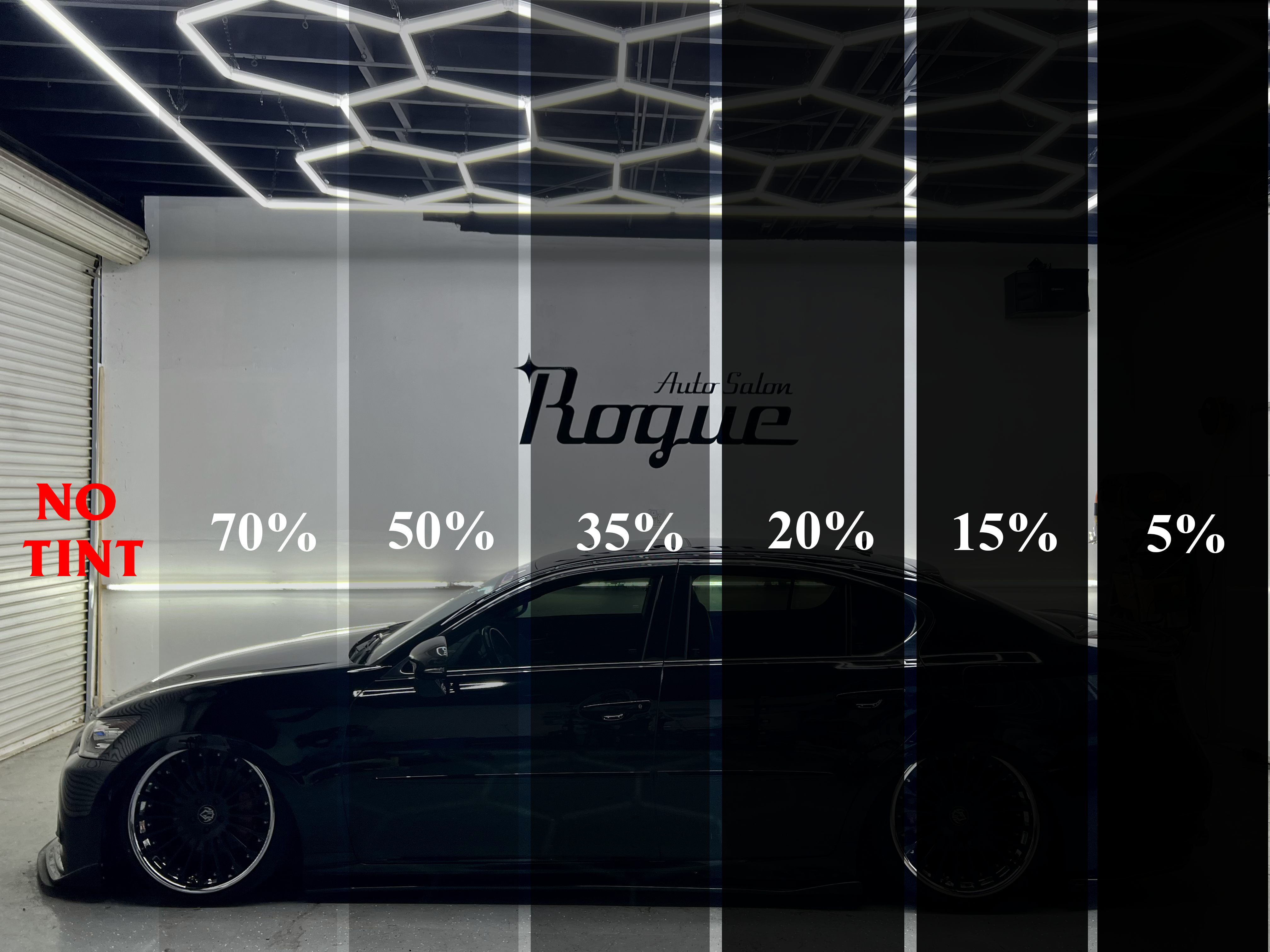
VLT% (Visible Light Transmission): How much visible light enters the car
VLA% (Visible Light Absorption): How much visible light the tint absorbs
VLR% (Visible Light Reflection): How much visible light is bounced back
But the real hero in heat reduction is infrared rejection. Since IR rays are responsible for most heat buildup, a tint that blocks more IR rays cools the car much more effectively.
Let’s break down how different types of tint compare.
Types of Window Tint and Their Heat-Blocking Performance
Not all window tints offer the same cooling benefits. Here’s a clear look at the most common types and their performance.
1. Dyed Window Tint: Basic but Limited
Dyed tint is the entry-level option. It darkens your windows and offers some heat reduction, but because it absorbs rather than reflects heat, its cooling ability is limited. Over time, it may fade, reducing its effectiveness even further.
Best for: Budget-conscious drivers who primarily want darker windows Heat reduction: Minimal to moderate
2. Carbon Window Tint: A Big Step Up
Carbon tint uses carbon particles designed to block infrared radiation more efficiently. Unlike metallic films, carbon tint won’t interfere with electronics, and it doesn’t fade over time.
Best for: Drivers seeking strong cooling performance without premium pricing Heat reduction: High; significantly reduces IR heat Bonus: Sleek matte finish
3. Ceramic Window Tint: The Premium Heat-Blocking Champion
Ceramic tint is the gold standard in cooling performance. Instead of dyes or metals, ceramic films use non-conductive, microscopic ceramic particles that block a huge amount of heat.
High-quality ceramic films can:
Reject up to 80% of solar heat
Block nearly 100% of infrared rays
Block 99% of UV radiation
This type of tint can make your vehicle interior up to 20 degrees cooler, even on the hottest days.
Best for: Drivers seeking maximum heat reduction, protection, and clarity Heat reduction: Highest available Longevity: Outstanding; no fading, peeling, or interference with electronics
Scientific Proof: How Well Does Window Tint Actually Work?
Several studies and field tests back up tint’s cooling power. For example:
Research by M.A. Jasni and F.M. Nasir found that tinted windows can reduce interior temperature by up to 8°C (14.4°F).
High-quality tints, especially ceramic options, can lower cabin temperatures by up to 20 degrees compared to untinted windows.
Whether you’re facing scorching summers or year-round sun exposure, these numbers prove that window tint is one of the simplest and most effective ways to keep your car cool.
Why Keeping Your Car Cooler Really Matters
Lower interior temperatures do more than make your car comfortable; they help protect your health and your vehicle.
1. Better Comfort and Driveability
No one wants to sweat the moment they sit down. Tint helps regulate cabin temperature so you don’t have to blast the AC or wait for the car to “cool off” before driving.
2. Health Protection
Extreme heat inside a car can lead to:
Dehydration
Heatstroke
Fatigue
Tint significantly reduces these risks by preventing the cabin from reaching dangerous temperatures.
3. UV Protection for You and Your Interior
High-quality tint blocks 99% of harmful UV rays, helping to:
Prevent skin damage
Reduce the risk of long-term sun exposure
Protect your dashboard, seats, and trim from fading and cracking
UV rays cause most of the fading and deterioration you see in older vehicles. Tint fights this damage from day one.
4. Reduced Toxic Emissions from Heated Plastics
When interior plastics overheat, they can release harmful chemicals like Benzene. Keeping your car cooler reduces the release of these toxins and improves air quality inside your vehicle.
5. Enhanced Safety
Tint can make your car safer by:
Reducing glare
Improving visibility
Keeping shattered glass in place during an accident
And of course, cooler temperatures help you stay alert and comfortable while driving.
Why Quality and Professional Installation Matter
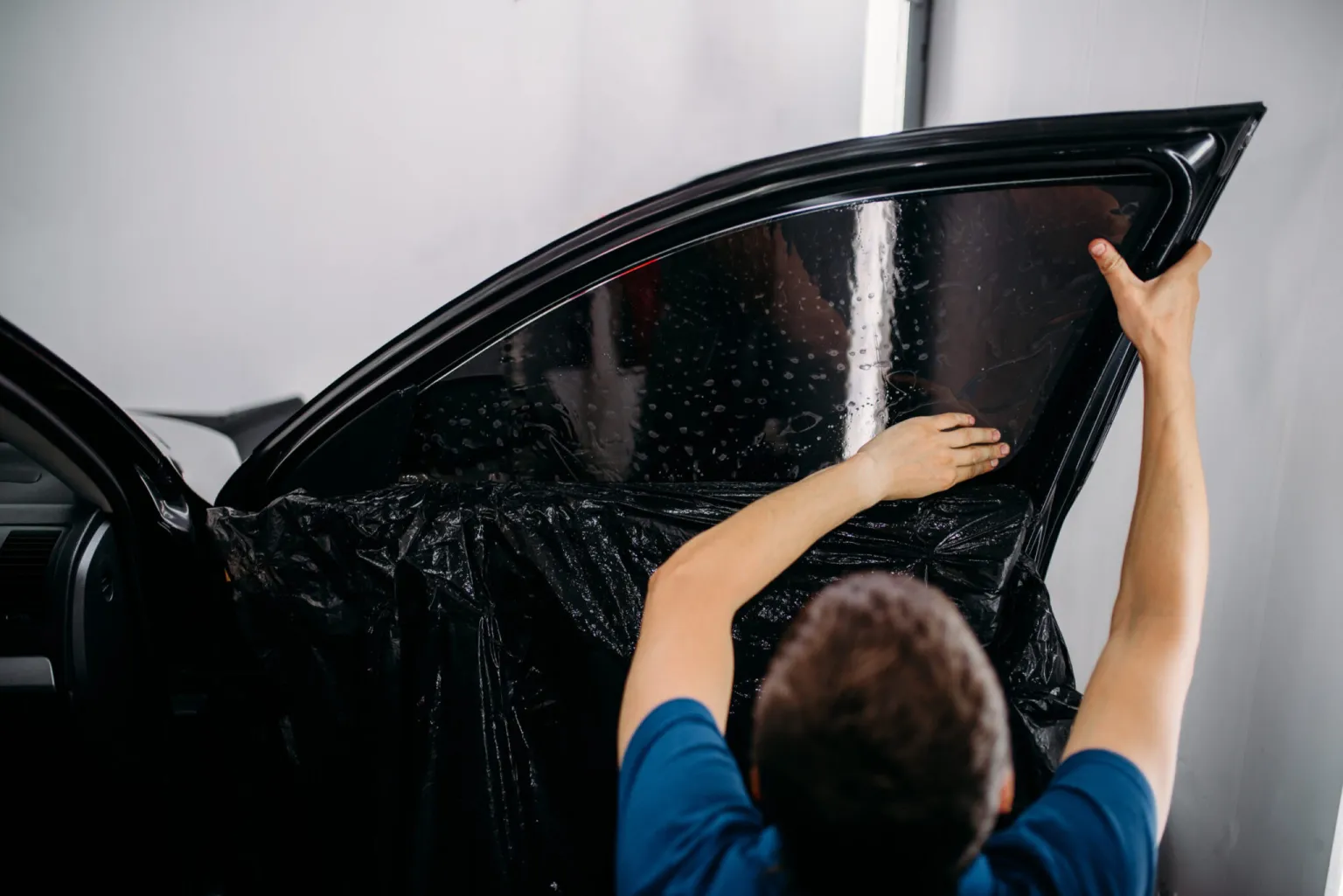
While tint itself is important, the quality of installation determines how well it performs. Even the highest-grade film won’t deliver great results if installed incorrectly.
Professional installation ensures:
Proper adhesion without bubbles or creases
Full coverage for maximum heat reduction
Compliance with local tint laws
Long-lasting performance and warranty protection
DIY kits might seem cheaper, but they rarely provide the optical clarity or durability of a professional job. Don’t second-guess your tinting, head straight to Rogueautosalon for premium auto care services!
How the Solar Heat Gain Coefficient (SHGC) Helps You Choose the Best Tint
If you’re comparing tint options and want maximum cooling, look at the Solar Heat Gain Coefficient (SHGC). This number indicates how much solar heat the tint allows to pass through.
Lower SHGC = Better heat rejection
Ceramic films usually have the lowest SHGC, which is why they excel at blocking heat without overly darkening the windows.
Comparing Tint Options: Which One Keeps Cars Coolest?
Here’s a quick breakdown to help you choose:
Tint Type
Heat Reduction
IR Rejection
UV Protection
Longevity
Cost
Dyed
Low
Low
Moderate
Fades
$
Carbon
High
High
High
Excellent
$$
Ceramic
Very High
Very High
99%+
Exceptional
$$$
If your goal is maximum cooling, and you want the most significant answer to “Do tinted windows keep cars cooler?”, ceramic tint wins every time.
Real-World Results: What You Can Expect
Based on the science and studies referenced:
Your car can be up to 20 degrees cooler with premium tint.
Heat entering through your windows can be reduced by up to 80%.
Interior surfaces stay cooler, preventing burns from hot seats and steering wheels.
Cabin cool-down times shorten dramatically.
AC usage drops, saving fuel and reducing strain on your vehicle.
These benefits add up quickly, especially during hot summers or in sunny climates.
The Bottom Line: Do Tinted Windows Keep Cars Cooler?
Yes, tinted windows absolutely keep cars cooler, especially when you choose high-quality carbon or ceramic films. By blocking infrared radiation, filtering UV rays, and reducing visible light transmission, tint drastically cuts down the amount of heat that enters your car. The result is a more comfortable, healthier, and safer driving experience.
Window tinting goes far beyond visual appeal. It’s:
A heat-reducing solution
A health and safety upgrade
A way to protect your interior
An investment in long-term comfort
Whether you’re dealing with hot summers, bright sun, or a desire for better privacy, tinting your vehicle with quality films is one of the smartest improvements you can make.
If you’re ready to enjoy a cooler, more comfortable ride, consider professional installation using high-quality carbon or ceramic films. Your vehicle and your passengers will thank you every time you open the door on a sunny day.