Does Paint Protection Film Damage Paint or Preserve It? Expert Insights
Uncover the truth about paint protection film.
When it comes to keeping your vehicle’s paint looking fresh and pristine, many car owners turn to a protective solution called Paint Protection Film (PPF). But, does paint protection film damage paint or actually preserve it?
With conflicting opinions out there, it can be tough to figure out whether PPF is the right choice for your car.
In this blog, we’ll dive into expert insights and break down the facts behind PPF, clearing up common myths and explaining how it works to keep your car’s paint safe, stylish, and long-lasting.
What is Paint Protection Film (PPF)?
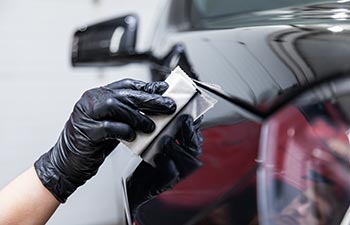
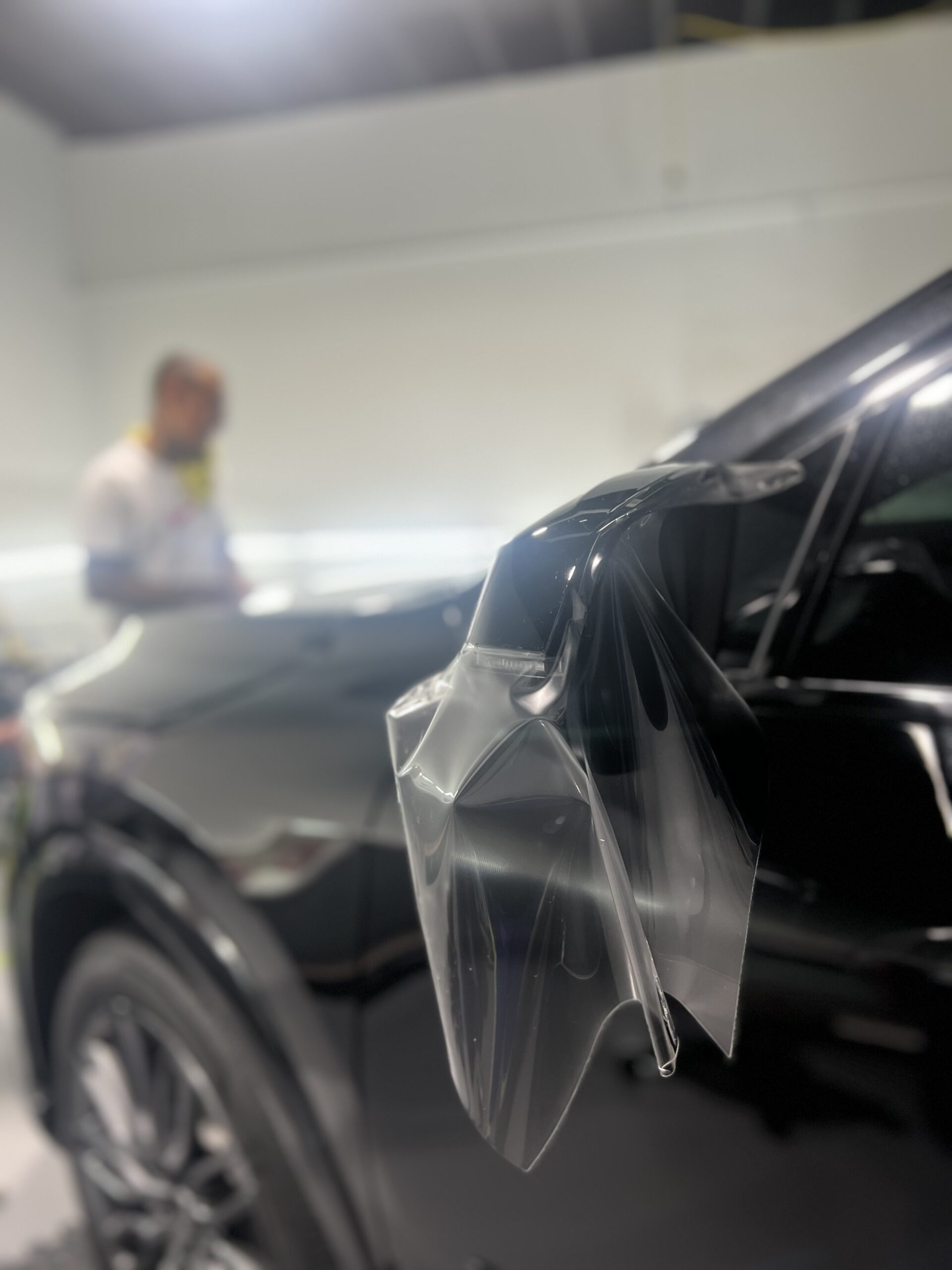
Paint Protection Film (PPF), also known as clear bra, is a transparent, durable film applied to your vehicle’s painted surfaces to shield it from damage caused by environmental factors. Made from a tough, flexible material, PPF acts as a barrier against road debris, scratches, bird droppings, tree sap, and harmful UV rays.
While PPF is highly effective at protecting a car’s finish, many car enthusiasts and owners still wonder whether this protective layer could actually harm their paint over time.
Let’s take a closer look at this often-debated question: Does paint protection film damage paint or preserve it?
We’ll explore the truth behind common myths, the installation process, the benefits of PPF, and how it preserves your vehicle’s appearance.
Debunking the Myth: Does Paint Protection Film Damage Paint?
One of the most common misconceptions about PPF is that it might damage the paint underneath or peel it off during removal. Let’s set the record straight.
Does paint protection film damage paint? The answer is a resounding “No,” when applied correctly.
Proper Installation is Key
PPF itself does not harm the paint. In fact, high-quality films from trusted brands protect the paint by creating a barrier against various hazards like UV rays, chips, and scratches. However, poor installation or improper removal techniques can cause issues.
If the film is applied improperly, such as without thoroughly cleaning the surface or using low-quality adhesives, it can potentially lift the paint when removed. This, however, is a result of human error, not a flaw in the PPF itself.
To ensure PPF provides maximum protection without damaging your paint, it’s crucial to have it installed by a professional. Certified installers, like the ones at Rogueautosalon, use high-quality films and apply them with precision, avoiding common mistakes that could affect the finish.
If installed correctly, you’ll find that PPF adheres well without harming your car’s original paint.
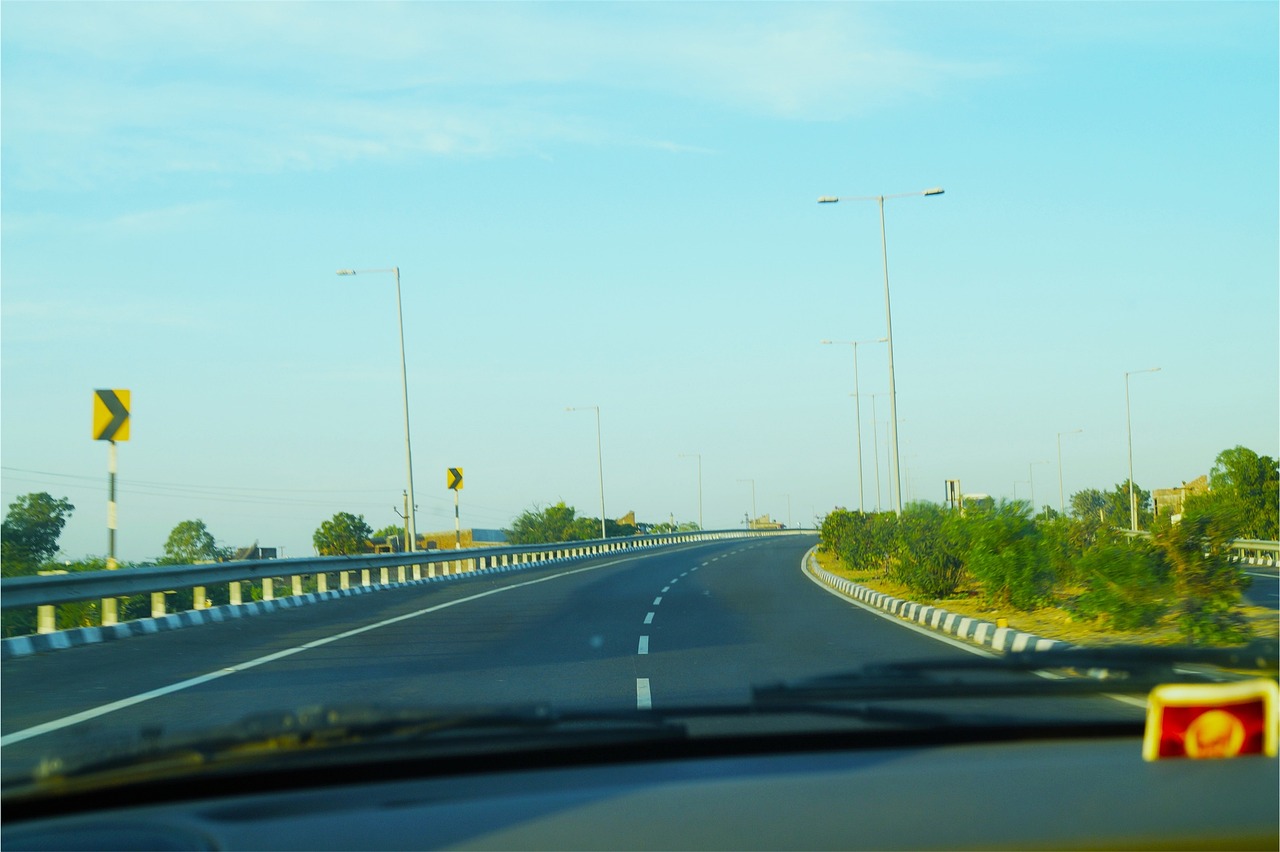
PPF acts as a protective layer that absorbs impacts from flying rocks, gravel, or road debris. Whether you’re driving on a construction-filled highway or taking your car on a weekend trip through a rocky area, PPF helps prevent paint chips and scratches that would otherwise leave permanent marks.
In fact, studies have shown that cars with PPF experience 50% fewer paint chips compared to those without.
Protection from Environmental Damage
Environmental factors such as bird droppings, tree sap, and bugs can be extremely damaging to your car’s paint. These contaminants can cause staining and, in some cases, long-term damage to the clear coat.
PPF acts as a shield, protecting your car’s paint from these harmful substances. Even after exposure to the elements, the film ensures that your car maintains its vibrant, glossy appearance.
UV Protection
Another way PPF helps preserve paint is by providing UV protection. Ultraviolet (UV) rays from the sun can cause paint to fade and discolor over time.
High-quality PPF comes with built-in UV inhibitors that protect the paint from these damaging rays, helping to prevent color fading and keeping your car’s finish looking new for longer.
Leading PPF brands, like Xpel, even claim their films can maintain clarity and protect your vehicle’s paint for up to ten years if properly maintained.
Self-Healing Properties
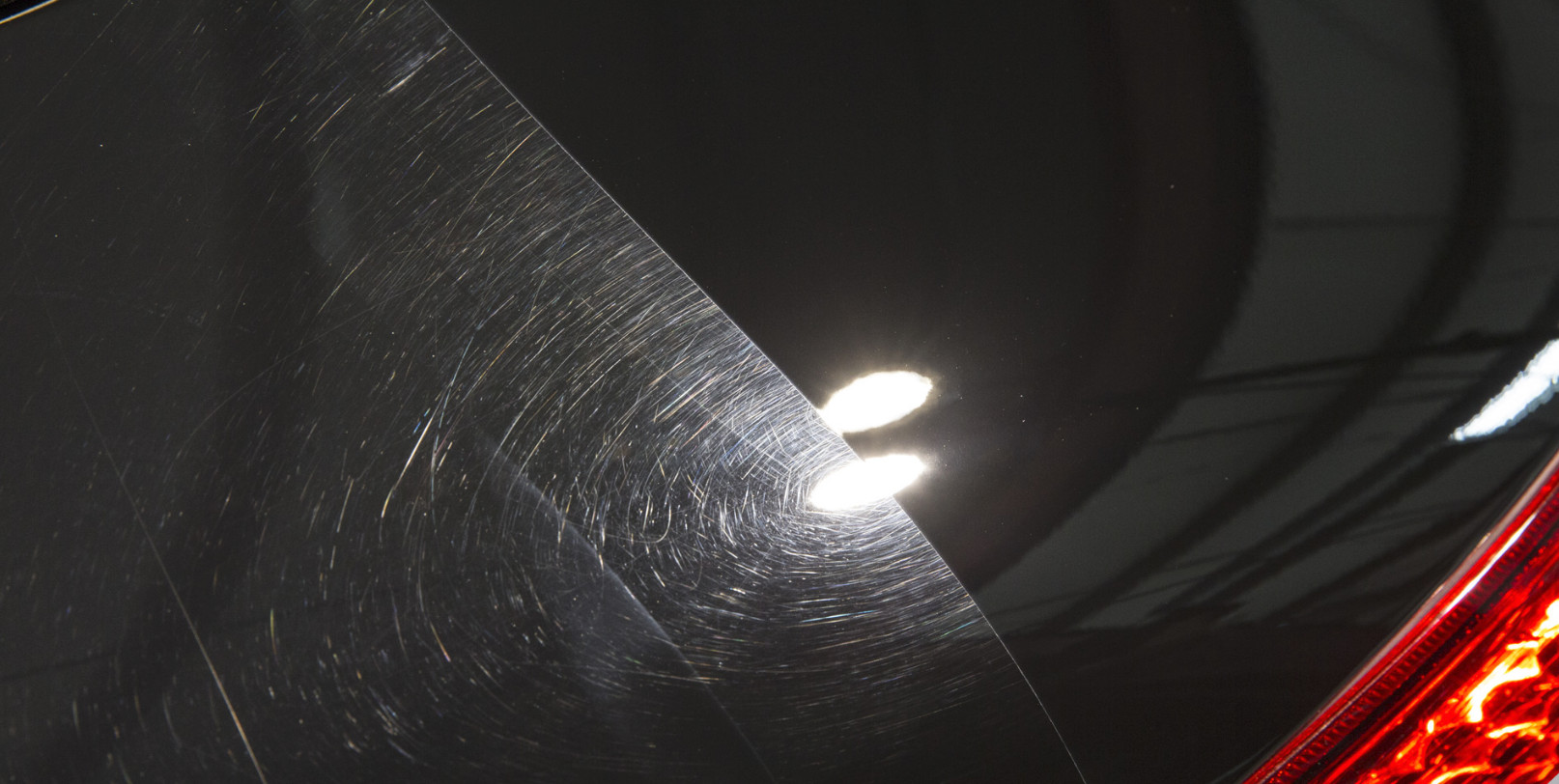
One of the most innovative features of modern PPF is its self-healing properties. When exposed to heat, such as sunlight or warm water, minor scratches and swirl marks on the surface of the film can “heal” and disappear.
This means that your car’s protective layer can remain flawless, even after years of use. This feature adds a layer of convenience, reducing the need for constant maintenance or touch-ups.
Will PPF Change the Look of My Car?
Another common concern is whether PPF will alter the appearance of your vehicle. Some car owners worry that the film will make their car look bulky or add an unwanted glossy finish. However, the truth is that modern PPF technology is incredibly thin and nearly invisible once applied.
Quality brands use clear, ultra-thin films that preserve your car’s aesthetic appeal while providing robust protection.
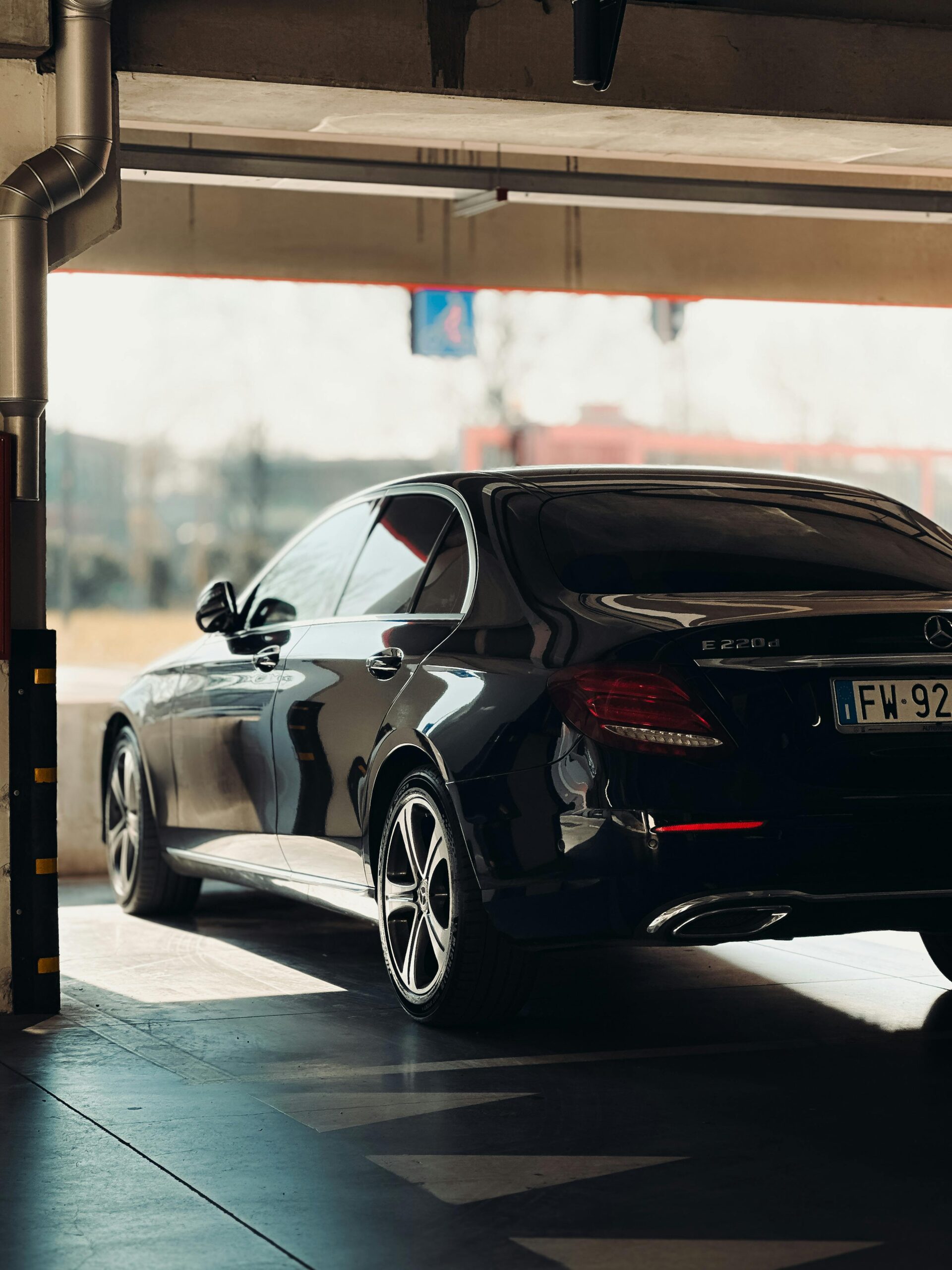
Once the PPF is applied professionally, it blends seamlessly into the vehicle’s finish. The film allows your car’s original color and shine to shine through, maintaining a sleek, factory-finished look. If anything, PPF enhances the car’s gloss, giving it a more polished appearance while protecting it from environmental wear.
Longevity of PPF: Does it Really Last?
If you’re considering investing in PPF, you may be wondering how long it will actually last. Does paint protection film damage paint over time, or does it continue to protect?
The longevity of PPF largely depends on the quality of the product and the care it receives. High-quality PPF can last 5 to 10 years, offering long-term protection for your vehicle’s paint. After this period, the film can be safely removed without leaving any residue or damaging the underlying paint.
Some factors that contribute to the durability of PPF include:
Type of Film: Premium brands such as Xpel, 3M, and Suntek are known for their durability, UV resistance, and self-healing properties.
Proper Maintenance: Regular cleaning and occasional touch-ups help prolong the life of the film. Keeping the surface free of dirt, grime, and contaminants ensures the PPF continues to perform at its best.
It’s also worth noting that PPF doesn’t just protect against minor impacts and scratches; it also shields your car from environmental wear like oxidation, which could otherwise degrade the paint over time.
Can PPF Be Removed Without Damage?
A major concern for many car owners is the removal of PPF. Will it damage the paint once removed? The short answer is no, properly applied PPF can be removed cleanly without leaving any marks on the paint.
While it’s true that improper removal could cause issues (especially if the film has been on the car for many years), certified installers have the expertise and tools to ensure the removal process is smooth. Professionals use heat guns or steamers to loosen the adhesive, allowing the film to peel off gently without harming the paint beneath.
The Importance of Professional Installation
To avoid any potential issues with installation or removal, it’s essential to trust the process to certified PPF installers. They are trained to ensure a seamless, bubble-free application that will protect your vehicle’s paint for years to come.
Going with a professional installation ensures that you avoid the mistakes that can lead to lifting or peeling paint.
PPF vs. Other Protective Solutions
When comparing PPF to other protective coatings, such as ceramic coatings or wax, it’s clear that PPF offers superior protection. Ceramic coatings can provide a layer of protection and some water repellency, but they generally don’t offer the same level of defense against physical damage like scratches or rock chips.
Wax offers a temporary layer of protection, but it wears off after just a few months and doesn’t protect as well against impacts.
PPF, on the other hand, offers long-term durability, protection against chips and scratches, and resistance to environmental factors. While it may come at a higher initial cost, the investment pays off in the long run, as it reduces the need for frequent paint repairs and touch-ups.
Conclusion: Does Paint Protection Film Damage Paint?
So, does paint protection film damage paint? Not at all—when applied and maintained correctly, PPF acts as a shield that preserves your car’s paint, protecting it from everyday hazards like scratches, UV rays, bird droppings, and tree sap.
It not only helps maintain your car’s appearance but also prolongs the life of your paint, ensuring it remains vibrant and glossy for years to come.
The key to getting the most out of PPF is choosing a high-quality film and ensuring it’s installed by a certified professional. This will guarantee the best protection without any risks of damaging your paint.
If you’ve been hesitant about PPF because of concerns about damage, rest assured: it’s a valuable investment for preserving the integrity of your car’s finish.
In short, paint protection film doesn’t damage paint; instead, it helps preserve and protect it, allowing your car to stay looking new longer while protecting your investment in the long run.