Is Ceramic Window Tint Worth It? Benefits, Costs & Long-Term Value Explained
The high-performance tint that pays off.
If you’re thinking about upgrading your car’s window tint, you’ve probably asked yourself the question: Is ceramic window tint worth it? This premium film option has become increasingly popular due to its advanced technology and long-term benefits.
While it does come at a higher upfront cost, ceramic window tint offers far more than just a sleek appearance—it delivers real value in terms of heat rejection, UV protection, durability, and vehicle performance.
In this blog, we’ll explore everything you need to know about ceramic window tint: how it compares to standard tinting options, its key advantages, cost-effectiveness, and why many drivers believe it’s well worth the investment.
What Is Ceramic Window Tint?
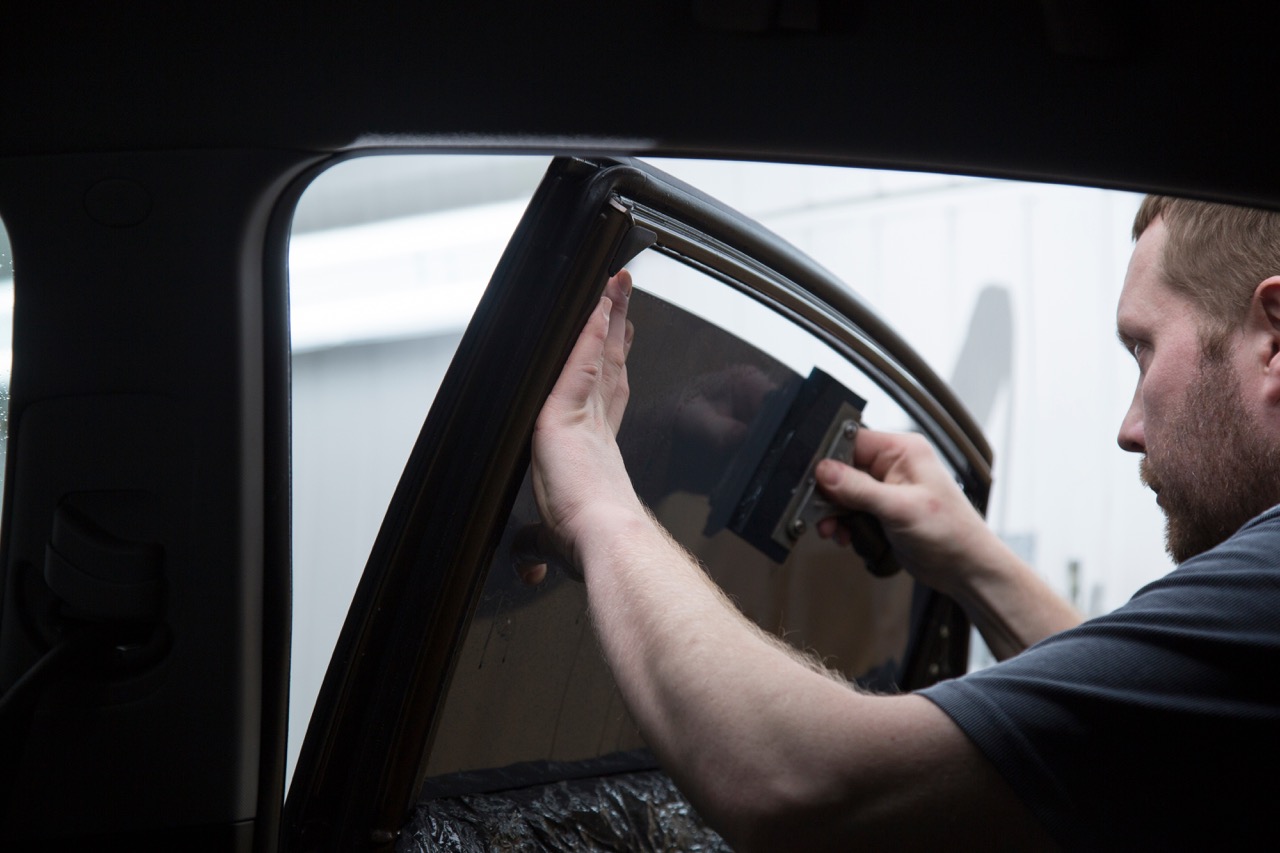
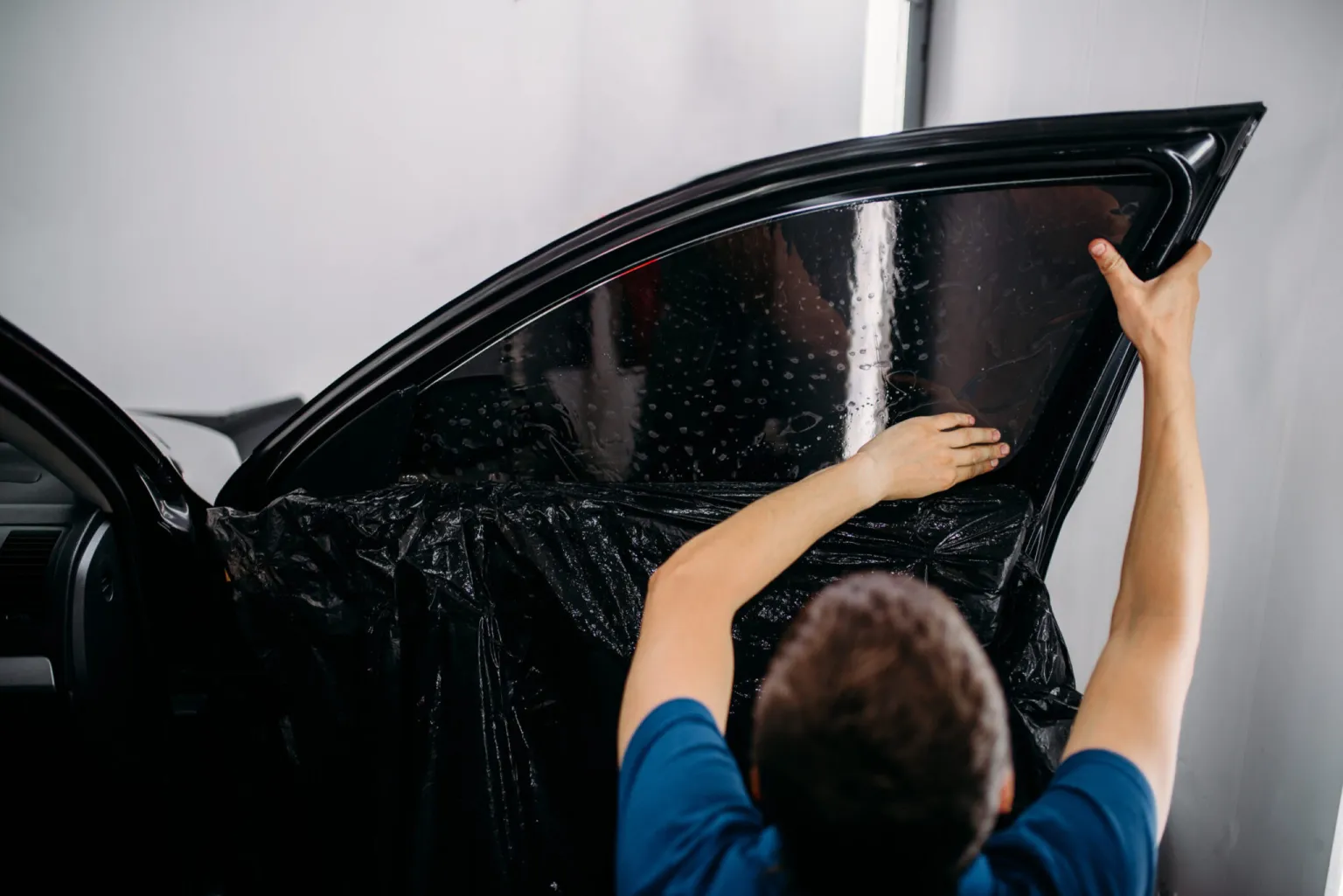
Ceramic window tint is a high-performance film made using nano-ceramic technology. Unlike traditional dyed or metallic films, ceramic tints are constructed with microscopic ceramic particles that are non-metallic and non-conductive. This allows the film to block infrared heat, UV rays, and glare, while maintaining excellent visibility and signal clarity.
Unlike some cheaper tints, ceramic films don’t fade, bubble, or interfere with GPS, mobile phones, or radio signals, making them a favorite for both performance and comfort-focused drivers.
Is Ceramic Window Tint Worth It Compared to Other Tints?
To truly determine is ceramic window tint is worth it, it’s important to compare it against other popular tint types. Here’s a breakdown of how it stacks up:
Feature
Dyed Tint
Metallic Tint
Carbon Tint
Ceramic Tint
Heat Rejection
20–30%
50–60%
40–50%
70–80%
UV Protection
40–50%
60–70%
50–60%
99%+
Signal Interference
None
Yes
None
None
Durability
Low
Moderate
High
Very High
Appearance
Fades over time
Shiny/Reflective
Matte black
Clear, Sleek
Cost
$
$$
$$$
$$$$
As shown above, ceramic tint outperforms all others in heat rejection, UV protection, signal compatibility, and durability.
Top Benefits of Ceramic Window Tint
1. Exceptional Heat Rejection
Ceramic films can block up to 94% of infrared rays (IR)—the main source of heat entering your car. This significantly lowers the cabin temperature, keeping your vehicle cooler during hot days. The result? Less strain on your air conditioning system, reduced fuel consumption, and a more comfortable driving experience.
2. Unmatched UV Protection
Ceramic tints block over 99% of harmful UVA and UVB rays, protecting your skin and reducing the risk of skin cancer. Additionally, it preserves your car’s interior by preventing fading, cracking, and warping of your dashboard, seats, and other surfaces. Many studies have also shown that window tint positively affects fuel efficiency, bringing its benefits higher.
3. Enhanced Visibility and Glare Reduction
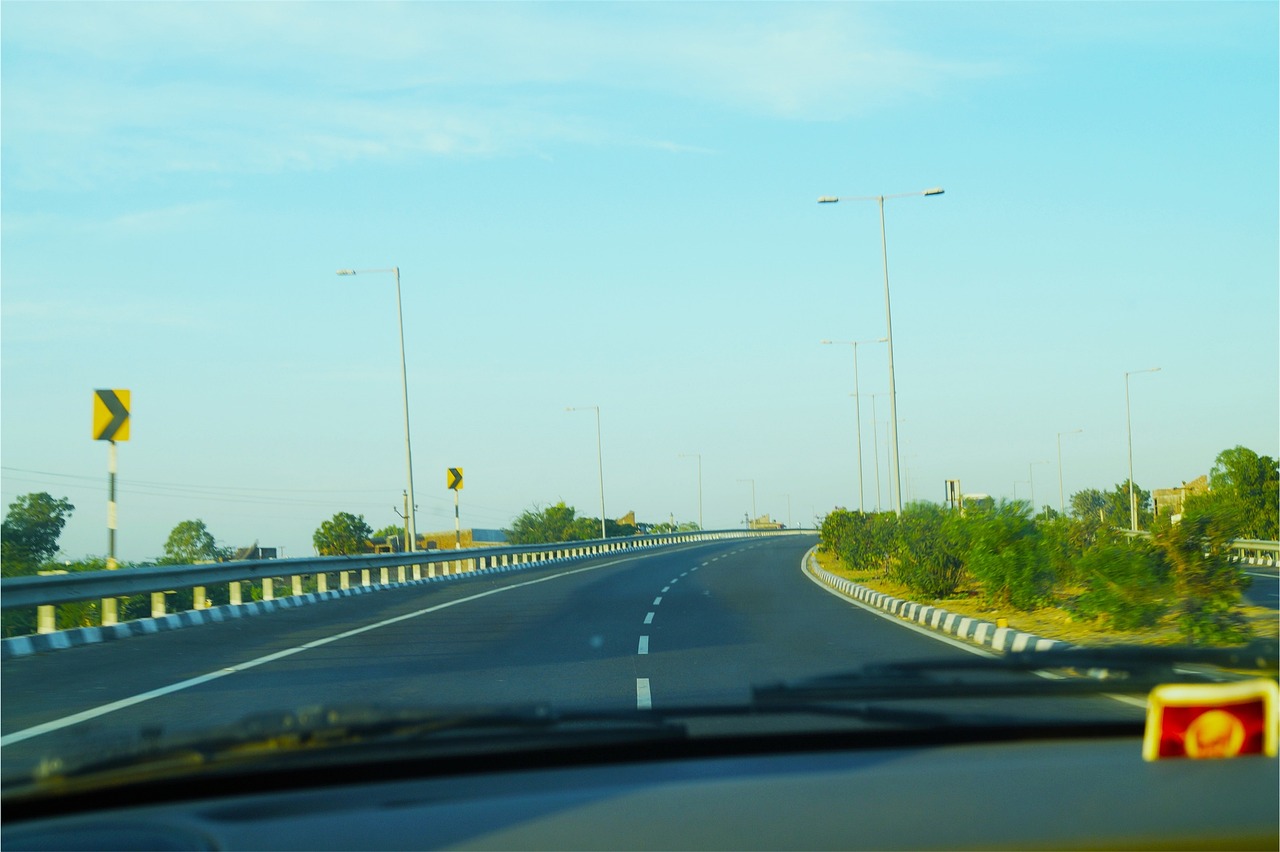
Despite offering strong UV and heat protection, ceramic window tints maintain high optical clarity. They reduce glare from sunlight and headlights, improving driving safety without overly darkening your windows.
4. Zero Signal Interference
Unlike metallic tints, ceramic films are non-metallic and won’t interfere with your vehicle’s electronic systems. GPS, satellite radio, keyless entry, Bluetooth, and cell signal will all function normally.
5. Long-Term Durability
Ceramic tints are highly resistant to fading, bubbling, and scratches. With proper maintenance, they can last the lifetime of your vehicle, offering consistent performance without the need for reapplication.
6. Improved Aesthetic Appeal
The sleek, non-reflective look of ceramic window film enhances the overall appearance of your vehicle. Whether you choose a lighter or darker shade, ceramic tints add a sophisticated, modern feel that doesn’t fade or discolor over time.
7. Higher Resale Value
By protecting your interior and maintaining the car’s visual appeal, ceramic tint can boost your resale value. A well-maintained interior with no sun damage is more appealing to buyers, and ceramic tint helps preserve that condition.
How Much Does Ceramic Window Tint Cost?
Ceramic tint is more expensive than standard films, typically costing 30–50% more. On average, you can expect to pay:
$250–$600 for ceramic tint on a standard sedan
$600–$900 for larger vehicles or luxury models
Additional costs may apply for high-end films or professional installers
While this price is significantly higher than dyed or carbon films, ceramic tint pays off in energy savings, vehicle protection, and reduced maintenance costs over time.
Cost vs. Value: The Long-Term Payoff
Here’s how ceramic tint makes financial sense over the long run:
Fuel Efficiency: Less A/C usage leads to 5–10% savings on fuel annually, especially in warmer climates. Over five years, this can add up to hundreds of dollars in savings.
Interior Protection: By blocking UV rays, ceramic film extends the life of your seats, dashboard, and trim by up to 5–7 years, saving you from expensive reupholstery or detailing jobs.
No Re-Tinting Costs: Low-quality tints often require replacement every 3–5 years due to bubbling, fading, or peeling. Ceramic tint eliminates this recurring cost with its long-lasting durability.
Resale Value Boost: Vehicles with ceramic tint retain better interior conditions and aesthetics, increasing buyer interest and resale price when it’s time to sell.
Is Ceramic Window Tint Worth It for Modern Vehicles?
Absolutely. Newer vehicles like Teslas, BMWs, and Audis come with advanced sensors, heads-up displays, and smart glass features that require non-interfering films. Ceramic tints:
Allow for seamless installation on curved and complex windows
Support dash displays and HUD visibility
Prevent interference with proximity sensors and keyless systems
In short, ceramic tint is engineered for modern cars and complements the technology built into them.
Environmental & Health Benefits
Ceramic tint contributes to lower emissions by reducing fuel use tied to air conditioning. It’s a small but meaningful step toward a greener driving experience.
From a health standpoint, its UV-blocking abilities protect you and your passengers from harmful sun exposure, making it especially beneficial for those with long commutes or who live in hot climates.
Proper Maintenance Means Maximum Lifespan
To get the most out of your ceramic tint investment:
Avoid rolling windows down for a few days after installation
Clean only with ammonia-free solutions and microfiber cloths
Inspect regularly for peeling, bubbling, or edge lifting
Avoid abrasive tools, especially on curved or sensor-covered surfaces
With this care, your tint will maintain its look and performance for years.
Is Ceramic Window Tint Worth It? Final Verdict
So, is ceramic window tint worth it?
Yes—without a doubt. While the upfront cost may be higher, the long-term return on comfort, energy efficiency, vehicle preservation, and performance makes ceramic window tint a smart, future-proof investment.
From reducing glare on your daily drive to preserving your vehicle’s interior and electronics, ceramic window tint offers unmatched value. For drivers who prioritize quality, comfort, and long-term savings, ceramic tint is more than worth it—it’s a no-brainer.
Ready to Upgrade?
If you value cooler temperatures, protected interiors, enhanced privacy, and long-term savings, ceramic window tint is the best choice available today. Be sure to work with professionals, like the ones at RogueAutoSalon, who use high-quality films and keep the California tinting laws in mind.
Invest in comfort, protection, and performance—your car (and your wallet) will thank you.